
Cannabis Recipes
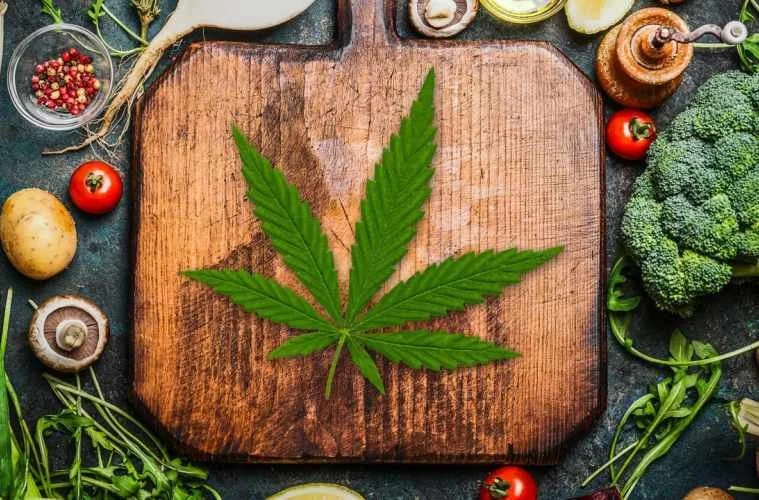
Cannabis Recipes — Hashtag Cannabis Redmond
Some of the best cannabis experiences happen in the kitchen!
Whether you're stirring RSO into a warm toddy on a rainy Pacific Northwest evening, infusing cannabutter for a batch of from-scratch thin mint cookies, or blending a post-workout CBD smoothie, making your own cannabis edibles at home is one of the most rewarding ways to enjoy the plant.
At Hashtag Cannabis in Redmond, we've been sharing cannabis-infused recipes for years — from simple RSO stirs and CBD-infused weeknight dinners to show-stopping party appetizers and holiday baking projects. Every recipe in our library is designed to be approachable, delicious, and genuinely fun to make.
This page is your complete cannabis recipe resource — organized by infusion method, meal type, and occasion so you can find exactly what you're looking for whether you're a first-time edibles maker or an experienced cannabis cook.
Before you start: If you're new to making cannabis edibles at home, check out our beginner's guide first — Making Edibles for Beginners: Simple Steps to THC-Infused Treats. It covers everything you need to know about decarboxylation, infusion methods, dosing, and safe storage before your first batch.
How to Infuse Cannabis Into Your Cooking
Every great cannabis recipe starts with a great infusion. Here are the three most common methods used across our recipe library:
RSO (Rick Simpson Oil) The simplest infusion method for beginners. RSO is a pre-made, fully activated, highly concentrated cannabis oil that stirs directly into recipes — no decarboxylation or straining required. Just warm the syringe in hot water, stir the oil into your recipe's fat component, and you're ready to cook. Perfect for recipes where you want precise, consistent dosing without a multi-day infusion process. Learn more: Why Is RSO So Powerful? | Easy Ways to Use RSO Recreationally
Cannabutter The classic cannabis infusion method. Ground cannabis flower is decarboxylated first — baked at low temperature to activate the THC — then slow-infused into butter and water for 3 hours, strained through cheesecloth, and refrigerated overnight. The result is a versatile infused butter that works in any recipe calling for regular butter. Takes more time than RSO but gives you full control over the source strain and its flavor contribution to your cooking. Learn more: How to Make RSO Infused Butter and Coconut Oil
CBD Oil / Tincture For recipes where you want the wellness benefits of CBD without psychoactive effects. CBD tinctures and oils can be stirred into dressings, smoothies, baked goods, and beverages. Fat-based CBD oils work best in recipes with a fat component — butter, olive oil, coconut milk — while water-soluble CBD tinctures can be added to beverages and sauces more freely. Learn more: How Do CBD Edibles Work?
A Quick Note on Dosing Your Homemade Edibles
Homemade cannabis edibles require a little math — but don't let that intimidate you. The key principles are:
Know your starting potency. Check the label on your RSO, flower, or tincture for THC content. This is your starting number.
Divide by servings. Divide the total THC in your infusion by the number of servings your recipe makes to estimate per-serving dose.
Distribute evenly. Stir your infusion thoroughly into wet ingredients before adding dry ingredients. Uneven mixing creates hot spots where some portions are much stronger than others.
Start with one serving. Eat one serving and wait a full 2 hours before assessing effects. Homemade edibles can be unpredictable — patience is always the right approach.
Label and store safely. Always store infused food clearly labeled as containing cannabis, in an airtight container, out of reach of children and pets.
For more on edibles dosing and safety: Edibles Deep Dive: Understanding Onset Time, Metabolism & Dosing | Staying Safe: Common Risks and How to Avoid Getting "Too High"
Our Complete Cannabis Recipe Library
Infusion Basics
Start here — master the foundations before diving into recipes
Savory Dishes
Cannabis-infused mains, sides, and appetizers for every occasion
Sweet Treats & Baked Goods
Cannabis-infused desserts, cookies, and baked goods for sharing
Drinks & Beverages
Cannabis-infused drinks for every mood and occasion
Recipe Collections
Full collections for when one recipe isn't enough
Frequently Asked Questions About Making Cannabis Edibles at Home
Is it legal to make cannabis edibles at home in Washington state?
Yes! Making cannabis edibles at home for personal use is legal in Washington state for adults 21 and older. You can infuse cannabis purchased from a licensed dispensary like Hashtag into butter, oil, or other ingredients for personal consumption. Washington state law does not permit selling homemade cannabis edibles — home infusions are strictly for personal use. Always store homemade edibles clearly labeled as containing cannabis and out of reach of children and pets.
What is the easiest way to infuse cannabis into food at home?
RSO (Rick Simpson Oil) is the simplest and most beginner-friendly infusion method. It's a pre-made fully activated concentrated cannabis oil that stirs directly into recipes — no decarboxylation or multi-hour infusion process required. Simply warm the syringe in hot water for 5 to 10 minutes, stir the oil thoroughly into your recipe's butter or oil component, and cook as normal. Cannabutter made from flower is more involved — requiring decarboxylation, a 3-hour infusion, straining, and overnight refrigeration — but gives you full control over the source strain and its flavor contribution.
What is decarboxylation and do I need to do it?
Decarboxylation is the heat-activated process that converts THCA — the raw non-intoxicating form of THC found in fresh cannabis flower — into active THC. Raw unheated flower will produce very little psychoactive effect when eaten without this step. To decarboxylate, spread ground flower on a foil-lined baking sheet and bake at 220°F for 50 minutes until slightly crispy. If you are using RSO as your infusion base you can skip decarboxylation entirely — RSO is already fully activated.
How do I calculate the dose in my homemade edibles?
Start with the total THC in your infusion — check the label on your RSO or flower for THC content expressed as a percentage or milligrams. For RSO the total THC is listed on the packaging. For flower multiply the weight in grams by the THC percentage — for example 7 grams of 20% THC flower contains approximately 1400mg THC before any infusion loss. Divide the total by the number of servings your recipe makes to estimate per-serving dose. Stir your infusion very thoroughly to distribute evenly and avoid hot spots. Start with one serving and wait 2 hours before assessing.
Why do my homemade edibles feel weaker than store-bought ones?
Several factors can reduce the potency of homemade edibles. Skipping or rushing decarboxylation is the most common cause — if THCA is not fully converted to THC the edibles will be significantly weaker than expected. Inadequate infusion time or temperature during cannabutter making can also reduce extraction efficiency. Uneven distribution through the batter creates inconsistent dosing. And infusion always involves some potency loss — not all available THC ends up in the finished infusion. Store-bought edibles are precisely manufactured with consistent potency — home edibles will naturally have more variation.
How should I store homemade cannabis edibles?
Storage depends on the type of edible. Most baked goods stay fresh at room temperature in an airtight container for 2 to 3 days and in the refrigerator for up to a week. Many cannabis-infused baked goods freeze well for up to several months. RSO-infused recipes with perishable ingredients like meat or dairy should be refrigerated and consumed within the same timeframe as non-infused versions of the same dish. Always store all cannabis-infused food clearly labeled as containing THC or CBD in a sealed container out of reach of children and pets — this is both a legal requirement and a basic safety practice.