
Cannabis Strain Guide
Origins, Genetics & Stories
Cannabis Strain Guide — Origins, Genetics & Stories Hashtag Cannabis — Redmond, WA
Every cannabis strain has a story.
Some were born from ancient growing regions — landrace sativas carried across oceans by travelers and traders. Some were discovered by accident, like Gorilla Glue, whose legendarily sticky resin glued scissors to a breeder's hands during harvest. Some were the result of decades of careful cultivation, like OG Kush, whose genetics quietly shaped nearly every modern hybrid on the market today.
At Hashtag Cannabis in Redmond, we believe that knowing your strains makes you a better cannabis consumer. Understanding where a strain comes from — its genetics, its flavor profile, its effects — helps you make smarter choices, have better experiences, and appreciate what you're consuming on a whole new level.
This page is your complete cannabis strain resource — covering the history and genetics of the most iconic strains in cannabis culture, from ancient landraces to the modern dessert strain movement, organized so you can explore at your own pace.

How To Use This Guide
Cannabis genetics can feel overwhelming at first — there are thousands of named strains, and new ones emerge every year. This guide cuts through the noise by organizing strains into the families and eras that actually matter.
Start with the landrace strains if you want to understand where modern cannabis came from. Move into the classic and legacy strains if you want to know the legends that defined cannabis culture. Then follow the genetics timeline through the Cookies era and into today's dessert strain movement to see how we got here.
Each section links to dedicated deep-dive posts covering the full origin story, genetics, flavor profile, and effects of individual strains — so you can go as deep as you want on any strain that catches your interest.
And if you want to know what's currently available at Hashtag Redmond, our budtenders are always happy to help you find something that matches what you're looking for!
Where It All Began: Landrace & Old School Strains
Before modern hybridization, before indoor growing, before the Cookies era — there were landrace strains.
Landraces are cannabis varieties that developed naturally over centuries in specific geographic regions. They weren't bred in a lab or selected for maximum THC content — they evolved in response to their local climate, soil, and growing conditions. The result was a diverse range of strains with genuinely unique flavor, aroma, and effect profiles that modern hybrids still draw from today.
The old school tropical sativas of the 1960s and 70s — Acapulco Gold, Panama Red, Maui Wowie — were among the first cannabis strains to capture the imagination of American consumers. They became legends not just because they were good, but because they were rare, hard to find, and deeply tied to the counterculture era that brought cannabis into mainstream awareness.
Landrace & Old School Strain Posts
The Legends: Classic & Legacy Strains
By the 1980s and 90s, a new generation of strains emerged that would define cannabis culture for decades. These weren't landraces — they were the result of intentional breeding, clone preservation, and underground cultivation networks that kept genetics alive through prohibition.
OG Kush. White Widow. Northern Lights. Jack Herer. Durban Poison. These strains became legends because they delivered experiences that consumers couldn't find anywhere else — and because passionate growers worked tirelessly to preserve and share their genetics despite enormous legal risk.
Many of today's most popular strains trace their lineage directly back to this era. Understanding these classics is understanding the genetic foundation of modern cannabis.
Classic & Legacy Strain Posts
How We Got Here: The Genetics Timeline of Modern Cannabis
The story of modern cannabis genetics is essentially the story of one strain: OG Kush.
From OG Kush came the Cookies genetics. From Cookies came GSC, Wedding Cake, Gelato, and the entire dessert strain movement that dominates today's dispensary menus. Along the way, Gorilla Glue, Pineapple Express, Forbidden Fruit, and dozens of other iconic strains were born from intentional crosses, happy accidents, and the relentless creativity of cannabis breeders.
Understanding this timeline helps you see the connections between strains you already know — and helps you predict what a new strain might taste and feel like based on its parent genetics.
Genetics Timeline Posts
The Modern Era: Hybrid & Dessert Strains
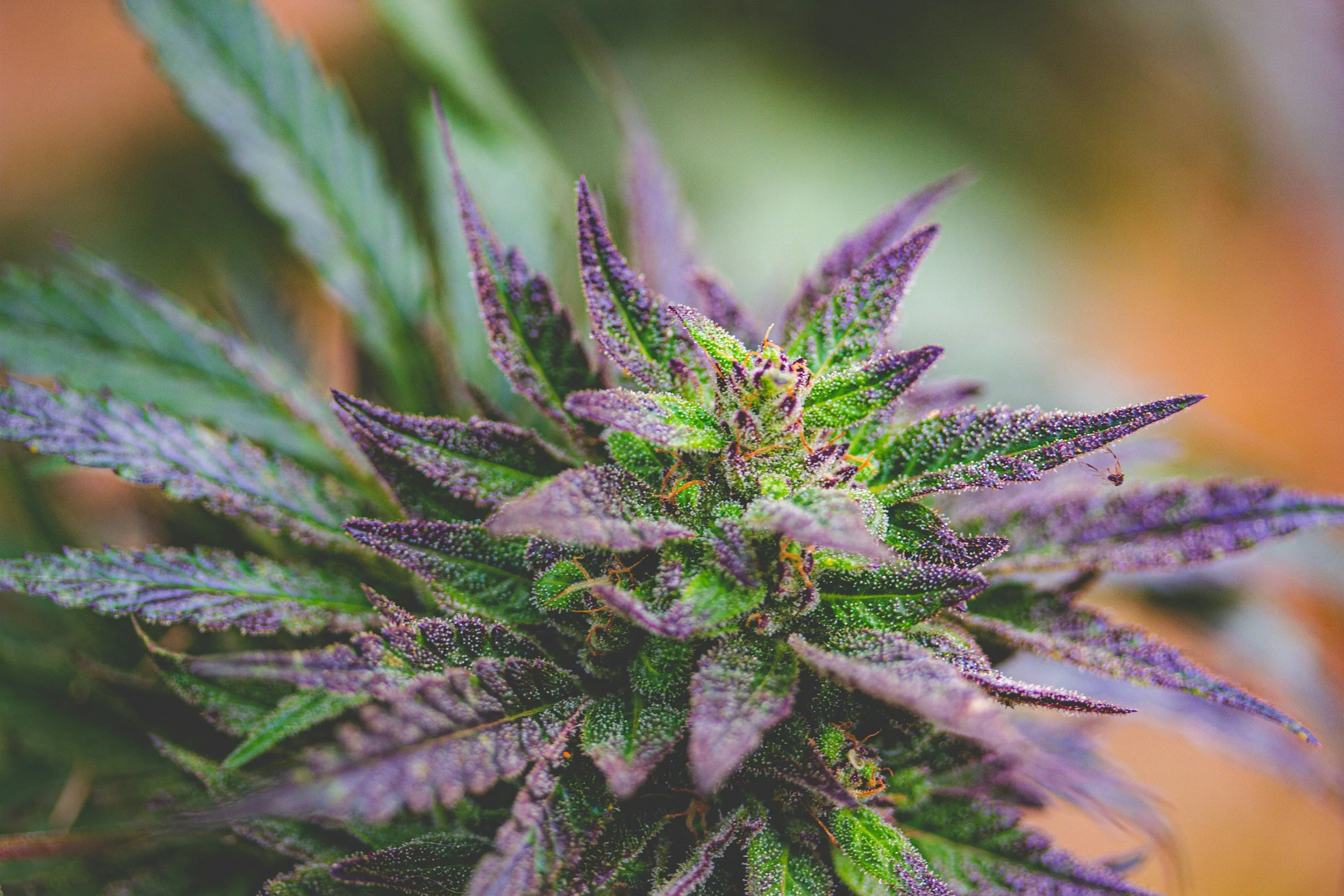
Today's dispensary menus are dominated by a new generation of strains — complex hybrids with dessert-inspired flavors, eye-catching colors, and cannabinoid profiles that would have seemed impossible to earlier generations of growers.
Candyland. MAC. Super Boof. Crepe Ape. Pineapple Express. Pineapple Chunk. These are the strains that define the modern cannabis experience — bred for flavor, potency, and visual appeal in equal measure.
Many of these strains are available right now at Hashtag Redmond. Ask a budtender about what's currently on our shelves.
Modern Hybrid & Dessert Strain Posts
Understanding Cannabis Genetics
The more you know about cannabis genetics the better equipped you are to find strains you'll love — and to understand why the same strain name can sometimes deliver very different experiences depending on the grower.
Cannabis Genetics Posts
Find Your Strain in Redmond
Ready to put your strain knowledge to work? These local guides connect what you've learned to what's available at Hashtag Redmond right now.
Local Strain Guide Posts
Frequently Asked Questions About Cannabis Strains
What is a cannabis strain and how are new strains created?
A cannabis strain is any genetically unique variety of cannabis — distinguished from other strains by its specific combination of cannabinoids, terpenes, growth characteristics, and effects. New strains are created through selective breeding: a breeder crosses two parent plants with desirable traits, grows out the resulting seeds, and selects the phenotypes that best express the qualities they're looking for. This process can take years of careful selection and refinement. The result is a new strain with a unique combination of characteristics from both parent plants — sometimes predictable, sometimes surprisingly different from either parent. Nearly every strain available at a modern dispensary is the result of this kind of intentional breeding work.
What is the difference between indica, sativa, and hybrid strains?
Indica, sativa, and hybrid are the three broad categories used to classify cannabis strains. Traditionally, indicas are associated with relaxing body-focused effects and sativas with energizing cerebral effects — but modern cannabis research has largely moved beyond these labels. Nearly every commercially available strain today is a hybrid with genetics from both indica and sativa lineages. What actually predicts how a strain will feel is better captured by its terpene profile and cannabinoid ratios than its indica or sativa classification. That said these labels still provide useful rough guidance when shopping — and our Hashtag Redmond budtenders can help you find exactly what you're looking for regardless of category.
What are landrace cannabis strains?
Landrace strains are cannabis varieties that developed naturally over centuries in specific geographic regions without human intervention in their breeding. They evolved in response to local climate, soil, and growing conditions — producing genuinely unique flavor and effect profiles that reflect their place of origin. Famous landrace strains include Acapulco Gold from Mexico, Panama Red from Panama, Maui Wowie from Hawaii, Durban Poison from South Africa, and Afghan from the Hindu Kush mountains. Most modern strains trace their genetics back to one or more of these ancient varieties. True landraces are increasingly rare in today's commercial market — most have been hybridized significantly from their original form.
Why do some strains disappear from dispensary menus?
Several forces work against classic strains staying on shelves. Market demand has consistently shifted toward higher THC percentages and more visually impressive buds. Many classic strains had longer flowering times or lower commercial yields making them more expensive to produce in a competitive legal market. Cloning — the process of taking cuttings from a mother plant to preserve genetics — can only maintain a strain as long as someone is actively growing it. Over many generations of cloning, subtle genetic drift can also change how a strain expresses, meaning today's version of a classic name may feel different from the original cut that made it famous.
What is the entourage effect and why does it matter when choosing a strain?
The entourage effect is the principle that cannabinoids and terpenes work better together than in isolation — that the full chemical complexity of a cannabis strain produces a richer more therapeutically nuanced experience than any single compound alone. This is why two strains with identical THC percentages can feel completely different — their terpene profiles, minor cannabinoid content, and overall chemical fingerprint shape the experience just as much as the THC number. When choosing a strain, looking beyond THC percentage to terpene profile is one of the most effective ways to find something that genuinely matches what you're looking for.
How do I find the right strain for me at Hashtag Cannabis?
The most reliable approach is to start with how you want to feel rather than which strain you want by name. Think about your goal — relaxation, creative energy, social ease, sleep support, pain relief — and let that guide the conversation with our budtenders. From there we can look at terpene profiles, cannabinoid ratios, and current availability to find something that matches your goal. Don't be afraid to ask questions — our team genuinely loves this stuff and helping consumers find their perfect strain is one of the best parts of the job.