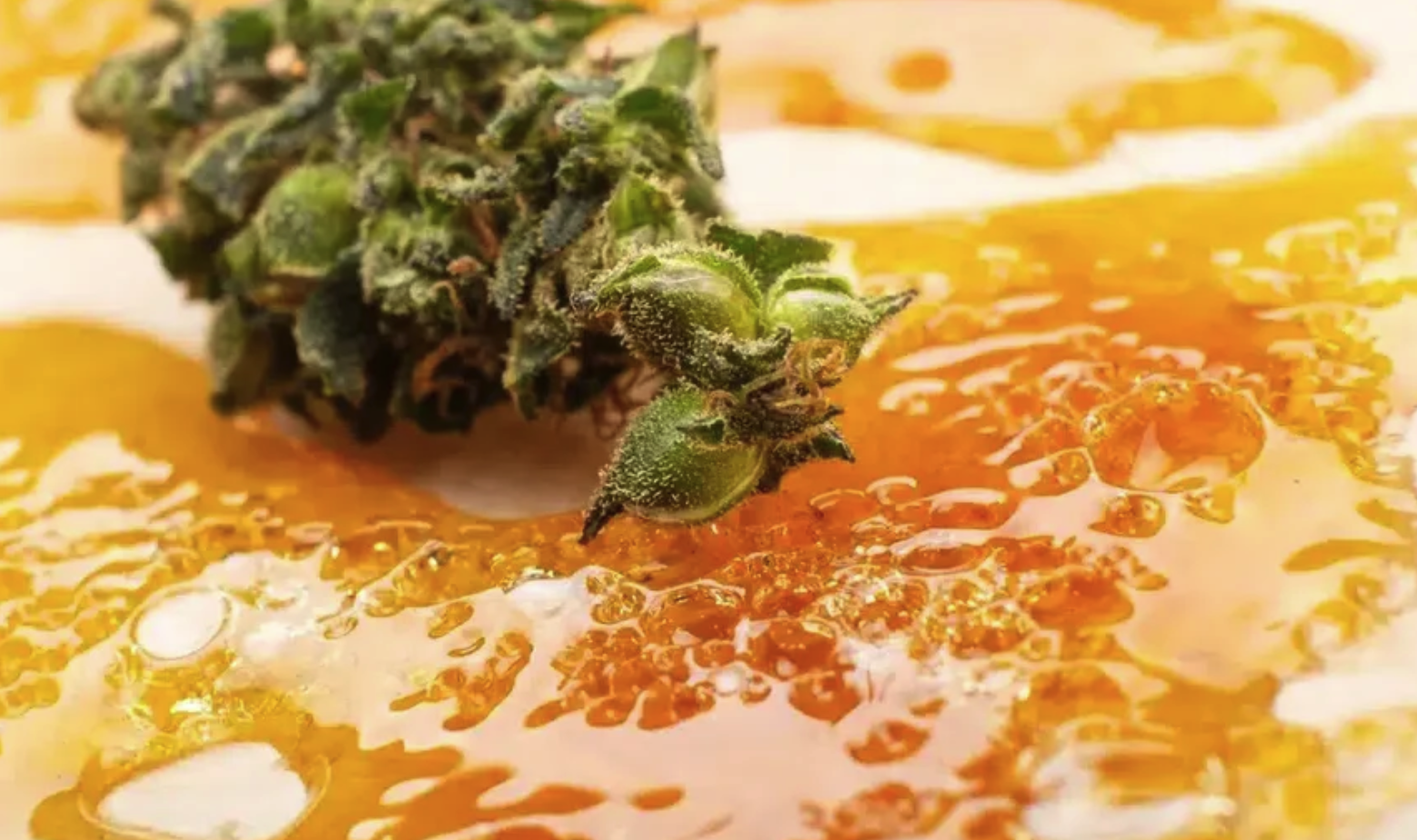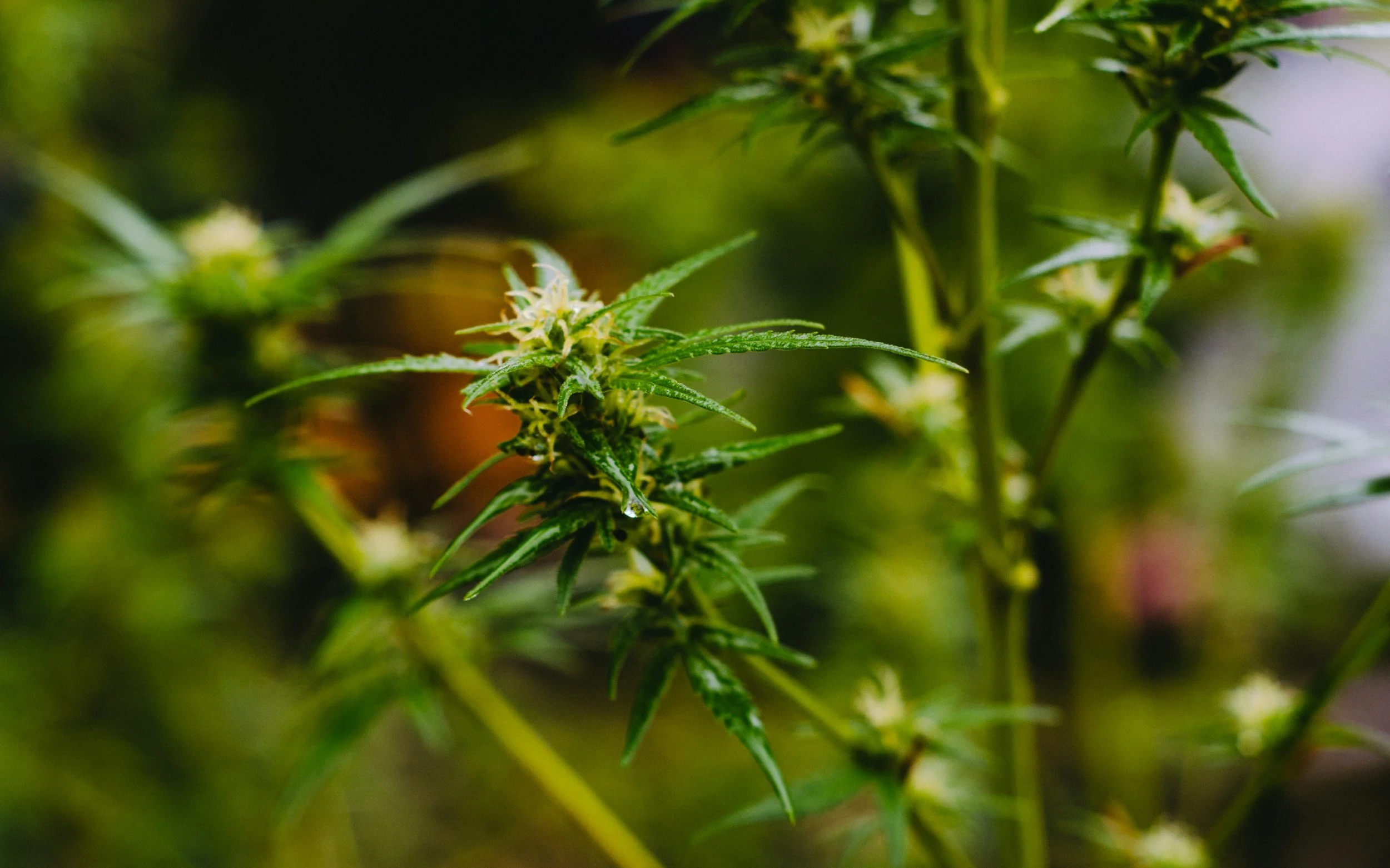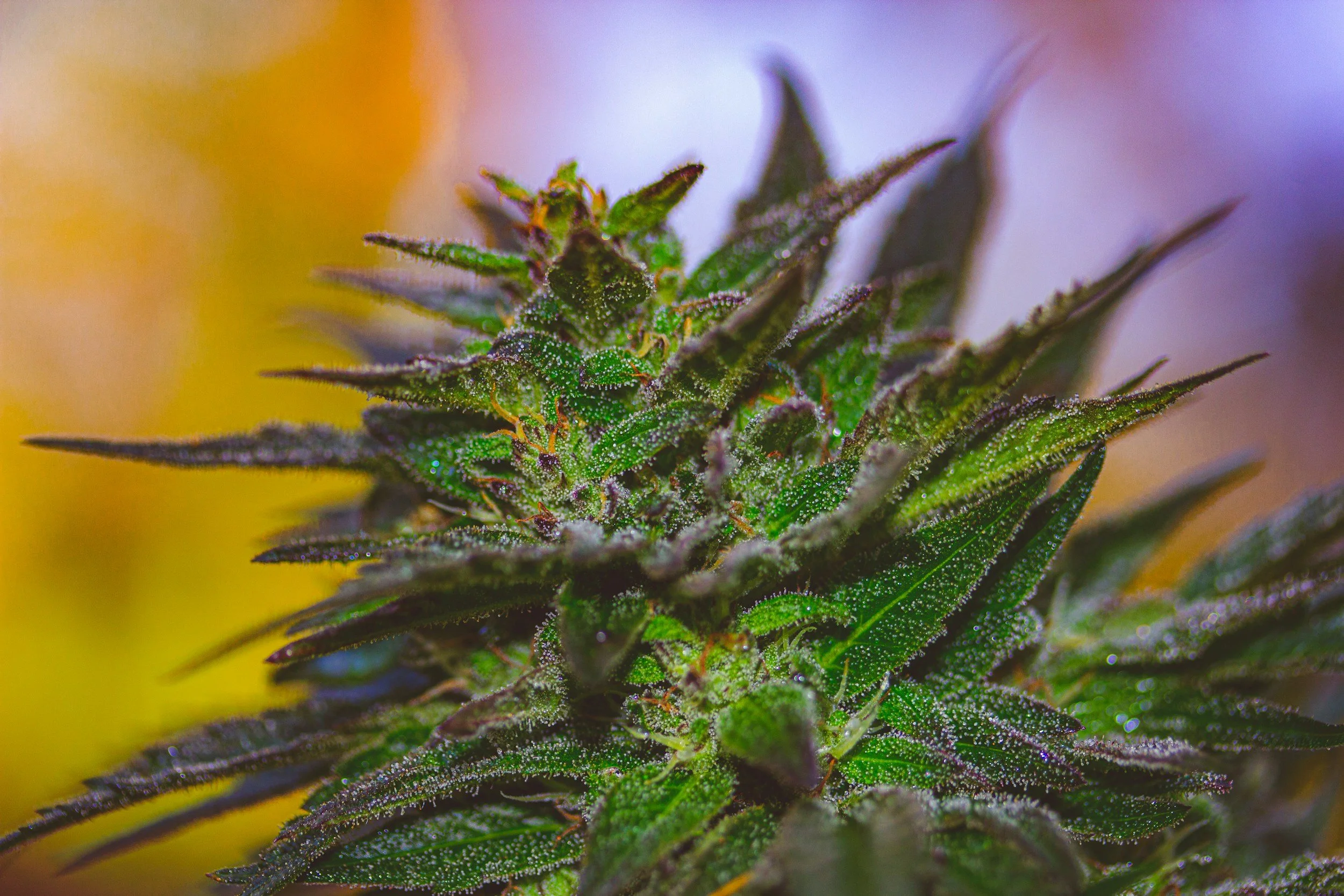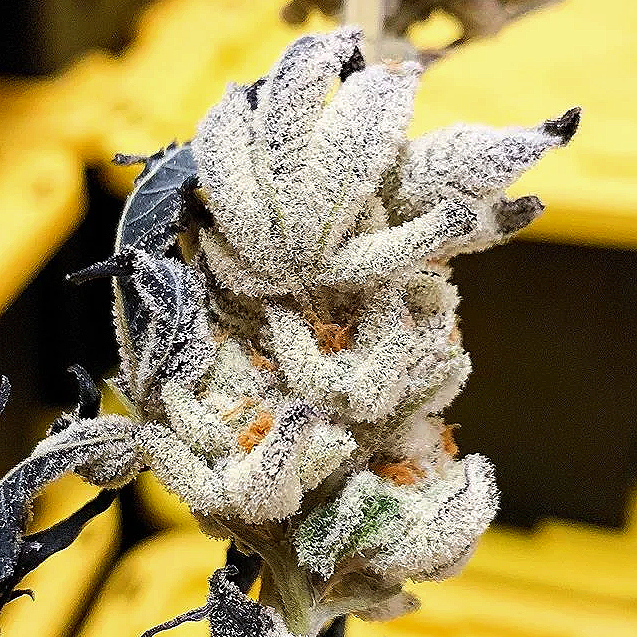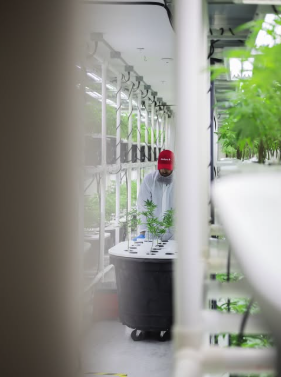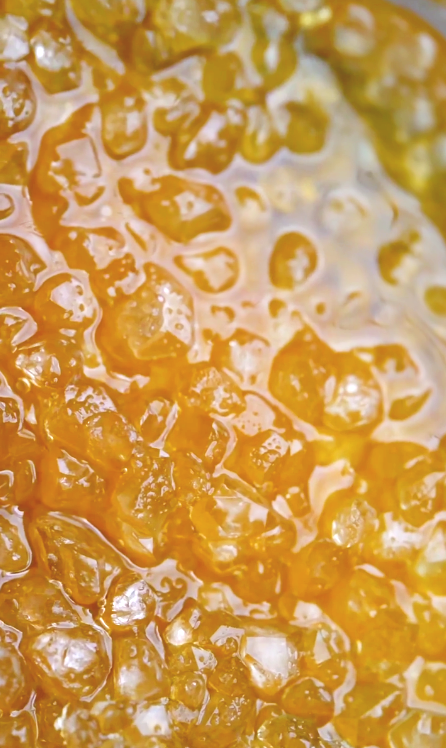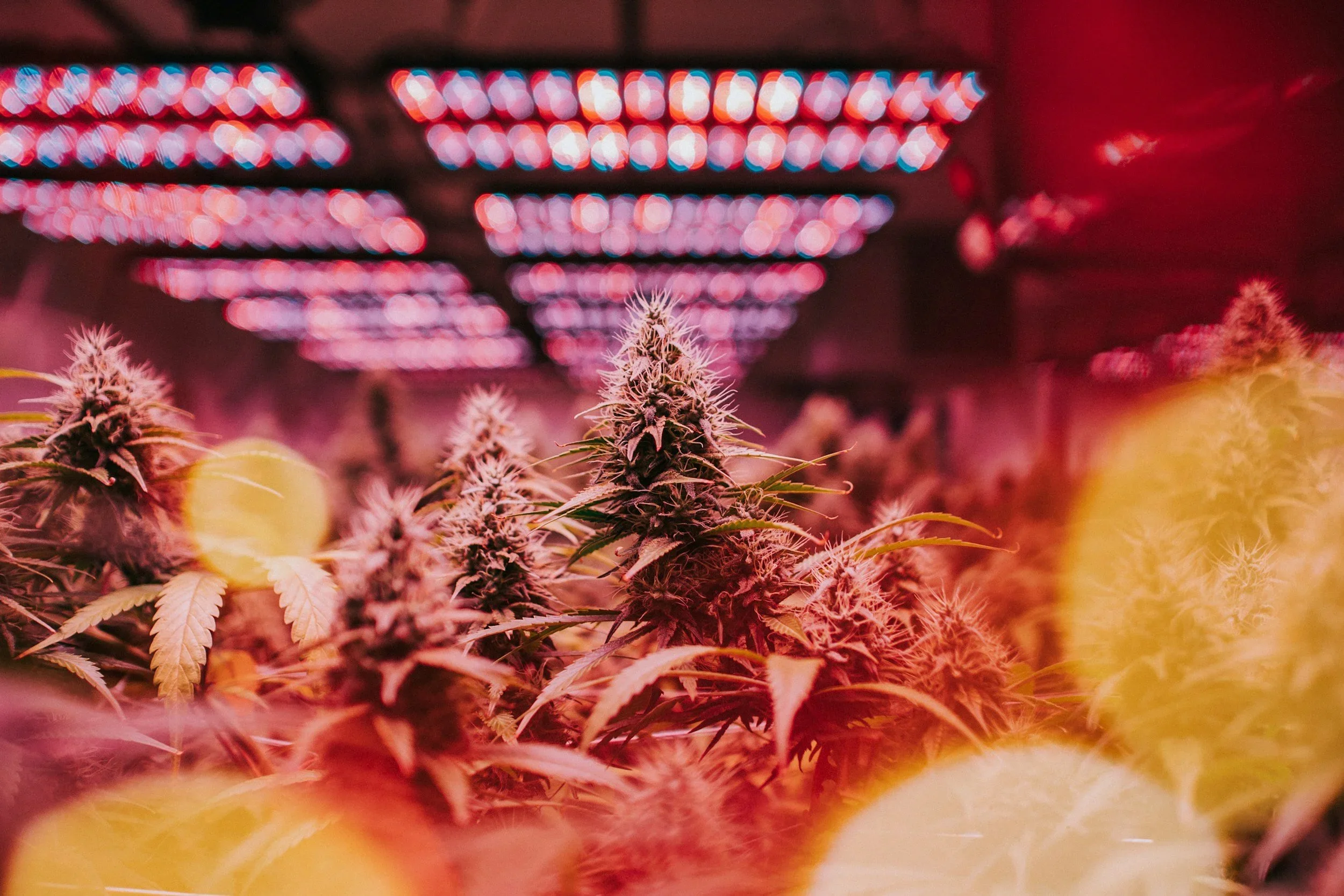
Clean cannabis means products that are free from pesticides, heavy metals, residual solvents, and microbial contamination — all verified through third-party lab testing. Washington State requires mandatory testing for all licensed cannabis before it hits shelves, but cultivation practices vary widely between producers. Knowing what to look for helps you choose products you can actually trust.
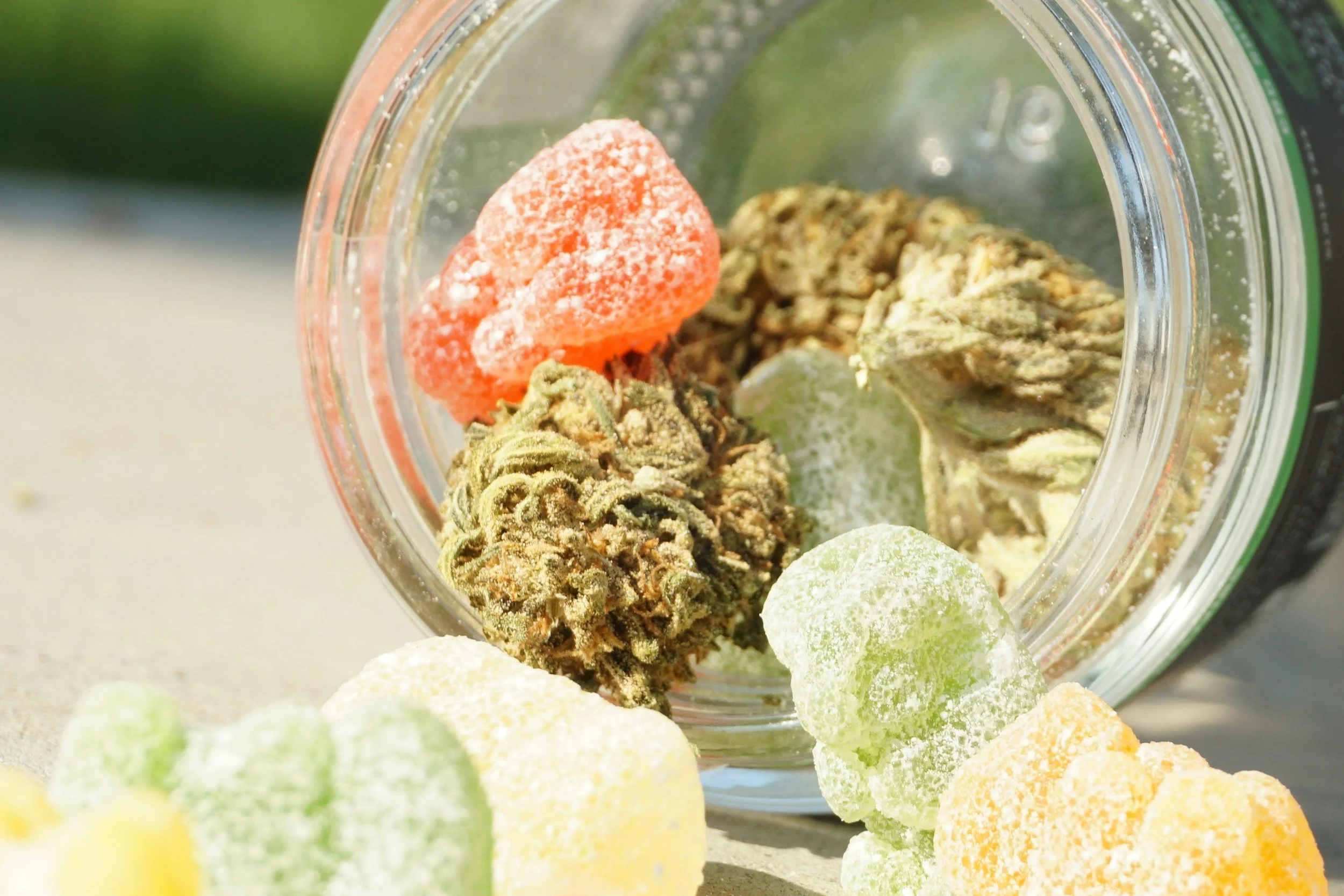
Read MoreEdibles vary in intensity because of bioavailability, digestion speed and how THC is processed by the liver. When THC is eaten, it converts to a compound called 11-hydroxy-THC, which can feel stronger and longer lasting than inhaled cannabis. Differences in product formulation, fat content and individual metabolism explain why some edibles hit harder than others.
Read MoreThe entourage effect is the evidence-based theory that cannabinoids, terpenes and other cannabis compounds work better together than in isolation. Instead of THC or CBD acting alone, the plant’s full chemical profile may interact with the body’s endocannabinoid system to shape a more balanced, nuanced experience.
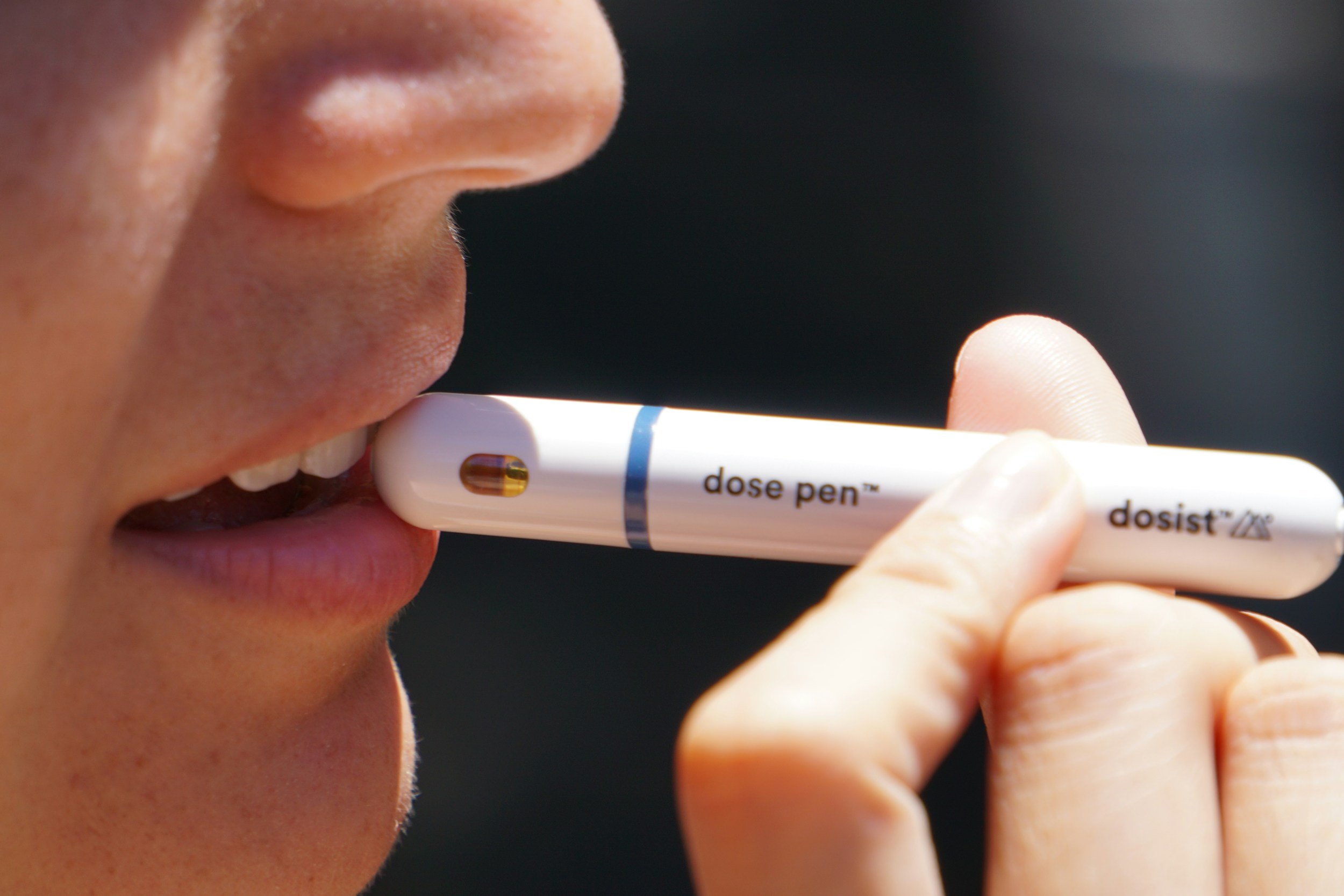
Read MoreCeramic vape cartridges use a porous ceramic heating element instead of a metal coil or wick. When activated, the ceramic heats cannabis oil evenly and at a lower temperature, producing smoother vapor with better terpene retention and no coil or fiber contamination. The result is cleaner flavor, more consistent hits, and a longer-lasting cartridge overall.
Read MoreLobster strains are a fast-growing family of cannabis cultivars descended from Blue Lobster, a rare indica-leaning hybrid bred from Apples and Bananas crossed with Eye Candy. Named for the rarity of a blue lobster in nature, the strain was developed by Cipher Genetics and grown by Maine Trees. Its blueberry candy flavor and euphoric effects have spawned an expanding lineup of Lobster crosses.
Read MoreRuntz, a hybrid of Zkittlez × Gelato, reshaped modern cannabis with its candy-sweet flavor, colorful buds, and balanced effects. Known for uplifting euphoria and smooth relaxation, Runtz set the standard for today’s “exotic” strains, influencing breeding trends, terpene profiles, and the rise of dessert-style cannabis genetics.
Read MoreApril 20th is cannabis culture's biggest celebration — and Redmond has plenty of ways to enjoy it responsibly. Whether you're a seasoned enthusiast or curious newcomer, this guide covers the best strains, products, and tips for celebrating 420 in Redmond, plus everything you need to know about Washington state's consumption laws so you can keep it safe and legal.
Read MoreGorilla Glue gets its name from its legendarily sticky resin — so thick it glued trimming scissors to breeder Joesy Whales' hands during harvest. Born from an accidental cross of Chem's Sister, Sour Dubb, and Chocolate Diesel, it became one of the most awarded strains in cannabis history. Now officially known as GG4!
Read MoreMinor cannabinoids are naturally occurring compounds in cannabis found in smaller amounts than THC and CBD. Examples include CBG, CBC, and THCV. While present in lower concentrations, these cannabinoids may influence mood, focus, appetite, and overall effects through the entourage effect. Understanding minor cannabinoids helps consumers choose products more intentionally.
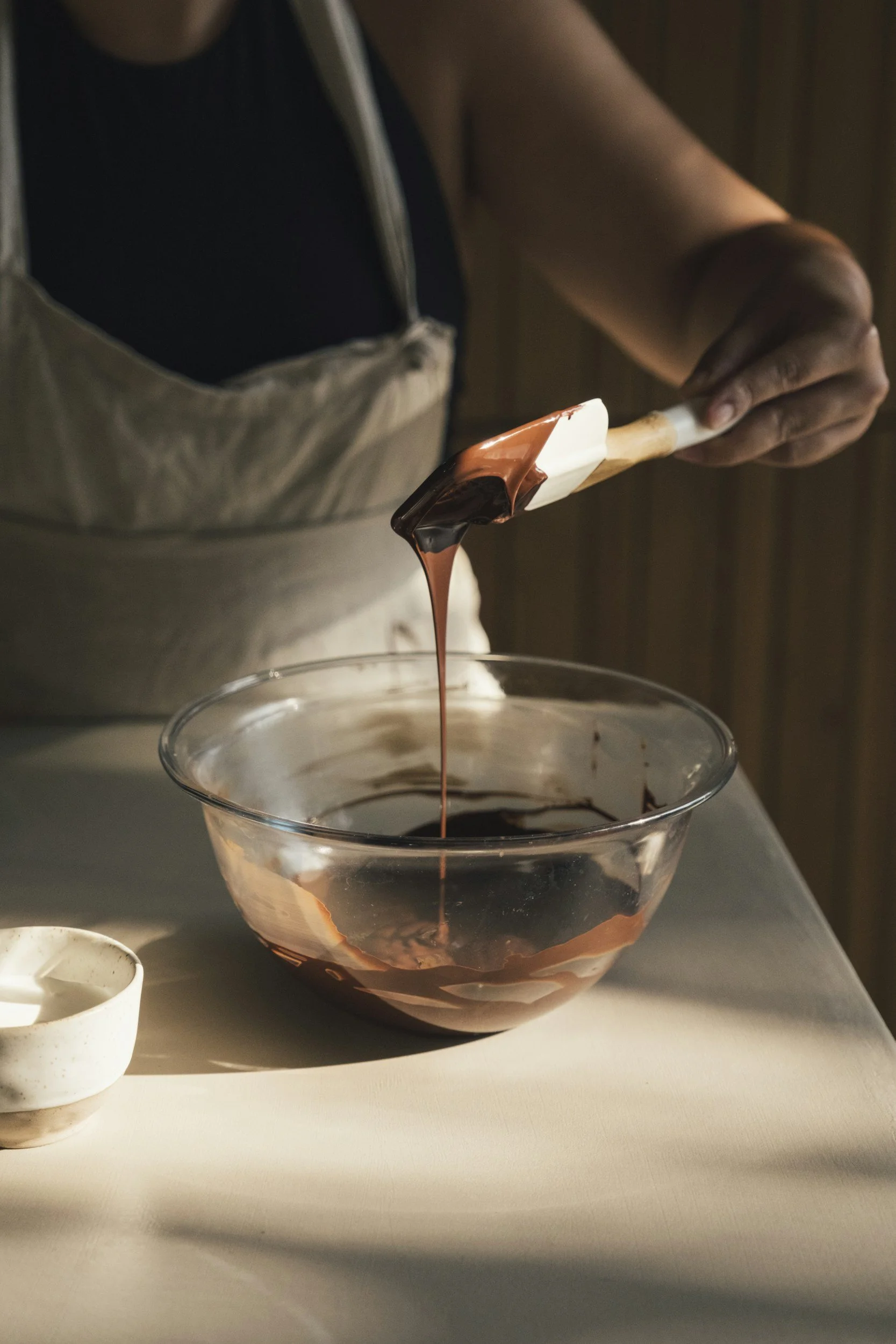
Read MoreMaking your own edibles at home gives you control over potency, ingredients, and effects. Whether you use flower, kief, tincture, or RSO cannabis, understanding proper infusion methods and precise dosing is key to safe, enjoyable edibles. With simple steps, smart techniques, and careful measurement, you can create consistent cannabis-infused food at home.
Read MoreTerpenes are aromatic compounds found in cannabis that shape how a strain smells, tastes and feels. Beyond flavor, terpenes may interact with cannabinoids like THC and CBD to influence mood, energy, relaxation and focus through the endocannabinoid system. They help explain why two strains with the same THC percentage can feel completely different.
Read MoreGardening in the Pacific Northwest is rewarding thanks to rich soil, long spring days and diverse plant options. The right cannabis products can enhance focus while planning, boost energy for digging and lifting, and help you unwind as you admire your work. Choosing strain types and product formats intentionally can elevate every phase of your garden day.
Read MoreHaze strains are a classic family of sativa-leaning cannabis genetics known for uplifting effects, spicy citrus aromas, and tall, airy buds. Originating in the 1970s from a mix of global landrace sativas, Haze became popular for its cerebral high and later helped shape many modern hybrids.
Read MoreModern cannabis hybrids evolved through decades of breeding, with OG Kush laying the foundation for today’s genetics and Gelato leading the dessert strain movement. By combining strong trichome production, rich terpene profiles, and balanced effects, breeders created flavorful, resin-rich cultivars that define modern cannabis and shape current consumer trends.
Read MoreCookies genetics helped launch the modern era of dessert strains by prioritizing flavor, terpene expression, and balanced hybrid effects. Descendants of Girl Scout Cookies introduced sweet profiles like Gelato and Wedding Cake, reshaping how consumers choose cannabis and influencing breeding trends across the industry.
Read MoreGirl Scout Cookies (GSC) is a Bay Area hybrid born from OG Kush and Durban Poison, developed by the Cookies Fam collective in the early 2010s. Its sweet, minty, dessert-like flavor, dense frosty buds, and balanced euphoric-yet-relaxing effects made it iconic — and its genetics gave rise to Gelato, Wedding Cake, and much of the modern cannabis world.
Read MoreSticky cannabis flower is usually a sign of healthy trichomes and strong resin production. Trichomes are tiny resin glands that produce cannabinoids and terpenes. When flower feels sticky, it often means those compounds are abundant and intact. This is different from wet or damp cannabis, which can signal poor curing or storage rather than quality.
Read MoreLandrace strains are cannabis varieties that evolved naturally in specific regions — Afghanistan, Thailand, Colombia, and more — without human crossbreeding. They're the genetic ancestors of all modern hybrids and the original source of indica and sativa traits. Today terpenes and cannabinoids are better guides to effects than landrace labels alone!
Read MoreYes—modern cannabis is generally more potent than it was a decade ago. Advances in genetics, cultivation, and lab testing have increased THC levels and consistency. But potency alone doesn’t explain why cannabis feels stronger today. Changes in product formats, terpene awareness, and consumer expectations all play a role.
Read MoreMany classic cannabis strains from even 10 years ago have disappeared due to shifting market demand, evolving genetics, and the realities of cloning over time. While modern cannabis is more potent and consistent, genetic drift and commercial pressures mean some beloved strains simply aren’t grown the same way anymore.
Read More