
Cannabis History & Culture
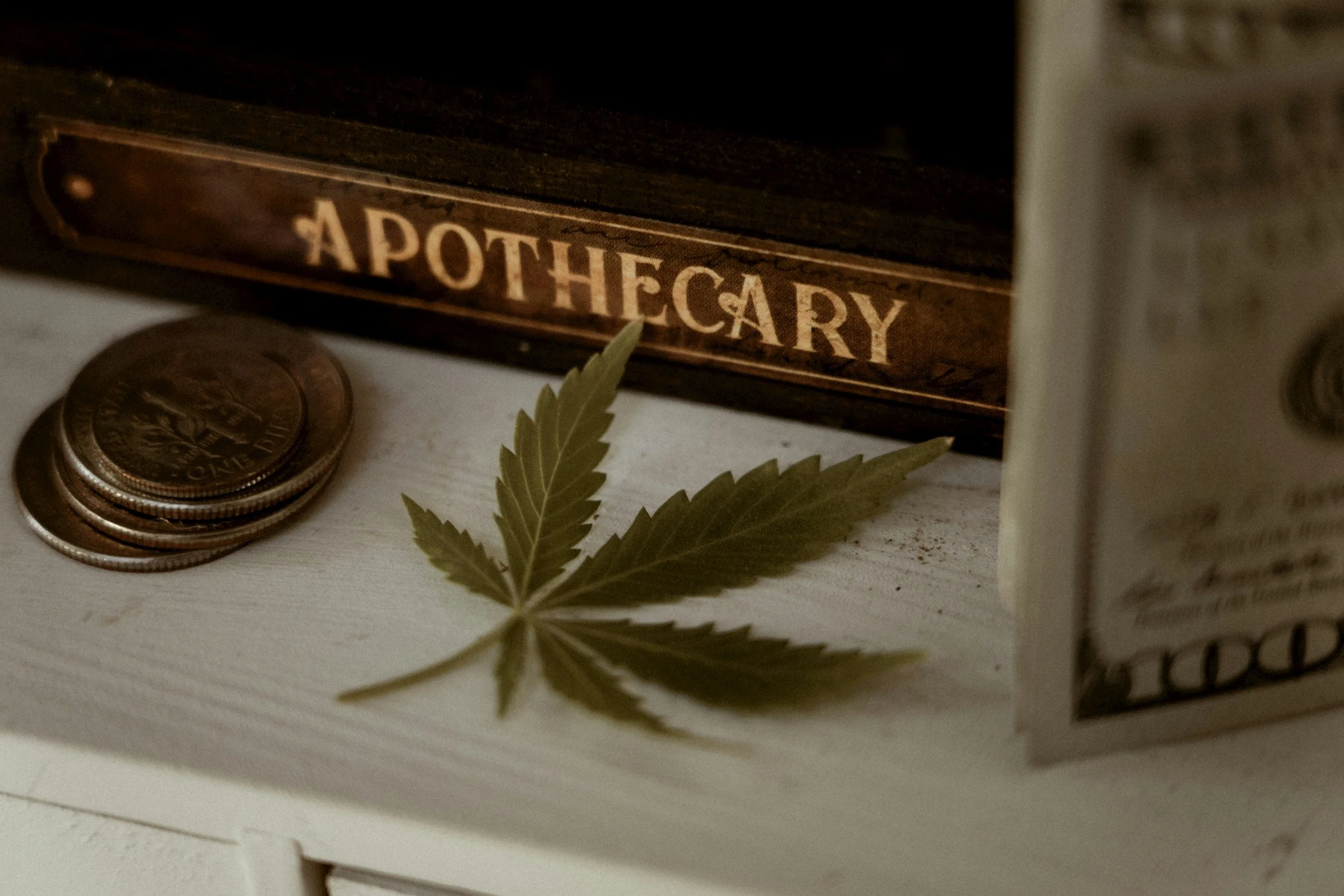
Cannabis History & Culture — Hashtag Cannabis Redmond
Cannabis is one of the oldest cultivated plants on earth.
Long before it became a fixture of modern dispensary menus, cannabis played a role in ancient spiritual rituals, medieval herbal medicine, counterculture movements, and landmark legal battles that changed the course of American history. Its story spans thousands of years, dozens of cultures, and every corner of the globe.
At Hashtag Cannabis in Redmond, we believe that understanding cannabis history makes you a more informed, more curious, and more confident consumer. The strains on our shelves didn't appear out of nowhere — they're the living descendants of plants that traveled ancient trade routes, survived prohibition, and were preserved by passionate growers and activists who believed in the plant's value long before it was legal.
This page is your complete cannabis history and culture resource — covering everything from ancient Eastern origins through Western counterculture, the meaning of 420, the surprising connection between cannabis and witchcraft, and how Washington state became one of the most progressive cannabis markets in the world.
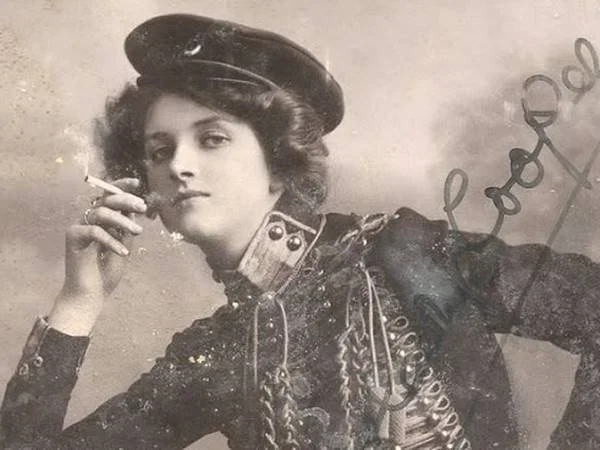
Cannabis Through the Ages — A Brief Overview
The story of cannabis as a cultivated plant begins thousands of years ago in Central Asia. Archaeological evidence suggests cannabis was used in ancient China as early as 2700 BCE — both as a food source and in spiritual ceremonies. From there its use spread westward through India, Persia, and the Middle East, then into Europe and eventually the Americas.
In ancient India cannabis was woven into religious practice as bhang — a sacred preparation used in rituals honoring Shiva. In Norse and pagan European cultures it was associated with Freya, the goddess of love and fertility. Medieval European healers used cannabis and other psychoactive plants in their practice, a tradition that was later reframed as witchcraft by a Church that feared knowledge outside its control.
Cannabis arrived in the Americas with European colonizers and was widely cultivated as hemp for industrial use throughout the colonial era. It wasn't until the early 20th century — driven by racial politics, pharmaceutical industry lobbying, and sensationalist media — that cannabis became criminalized in the United States.
Washington state's own cannabis story began with grassroots patient advocacy in the 1990s and culminated in the landmark 2012 passage of Initiative 502 — making Washington one of the first states in the country to legalize recreational cannabis. Today Washington's regulated market is one of the most sophisticated and consumer-protective in the world.
For the full story told in depth, start here:
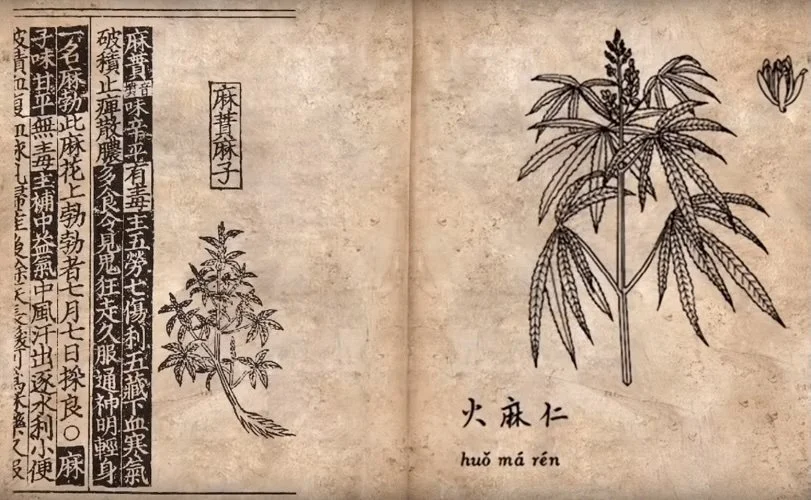
Our Complete Cannabis History & Culture Library
Ancient & Global History
420 History & Culture
Cannabis Culture & Lingo
Washington State Cannabis History
Strain History & Origins
Frequently Asked Questions About Cannabis History & Culture
How long has cannabis been used by humans?
Cannabis is one of the oldest cultivated plants in human history. Archaeological and historical evidence suggests it was used in ancient China as early as 2700 BCE for food, fiber, and spiritual purposes. From Central Asia its use spread through India, Persia, the Middle East, Africa, and eventually Europe and the Americas along ancient trade routes. Cannabis has been continuously cultivated and used by human societies for at least 5,000 years — making it one of humanity's longest-running relationships with a plant.
What is the origin of 420 and why is April 20th celebrated?
The term 420 originated in the early 1970s with a group of California high school students known as the Waldos who used the code word to arrange after-school cannabis meetups. The term spread through cannabis culture over the following decades — popularized in part by the Grateful Dead community — and eventually became the globally recognized shorthand for cannabis culture and community that it is today. April 20th became the unofficial cannabis holiday as the date associated with the number, and is now celebrated by enthusiasts around the world as a day for appreciating the plant, connecting with community, and advocating for cannabis education and normalization.
What is the connection between cannabis and witchcraft?
The connection between cannabis and witchcraft is one of the most fascinating and misunderstood chapters in cannabis history. In ancient cultures across India, Persia, and Norse Europe, cannabis was used in sacred spiritual rituals — it was a bridge between the human and the divine, not a source of fear. When Christianity spread through medieval Europe, these herbal and pagan traditions were reframed as dangerous and sinful. Healers who possessed knowledge of psychoactive plants including cannabis were targeted during the witch trial era of the 15th through 17th centuries — their practical wisdom reframed as evidence of dark dealings. The modern reclamation of cannabis as a wellness and spiritual tool represents a full-circle moment in this long history.
When did Washington state legalize cannabis?
Washington state has one of the most progressive cannabis histories in the United States. Medical cannabis was legalized in 1998 through Initiative 692, making Washington one of the first states in the country to recognize cannabis as legitimate medicine. Recreational cannabis was legalized in 2012 through Initiative 502, again making Washington one of the first states to do so. The Cannabis Patient Protection Act of 2015 unified the medical and recreational systems under the Washington State Liquor and Cannabis Board, creating the regulated market that exists today.
Who was Jack Herer and why is there a cannabis strain named after him?
Jack Herer was one of the most influential cannabis activists in American history. Author of the landmark 1985 book "The Emperor Wears No Clothes" — a comprehensive argument for cannabis legalization and hemp's industrial potential — Herer spent decades advocating for cannabis reform before his death in 2010. The cannabis strain bearing his name was created in the Netherlands in the mid-1990s as a tribute to his legacy, crossing Northern Lights, Shiva Skunk, and Haze genetics into a strain that became one of the most celebrated sativas in cannabis history. It's one of the rare cases where a strain's name tells you not just what it is but who made the world it grows in possible.
How did cannabis become illegal in the United States?
Cannabis prohibition in the United States was driven by a combination of racial politics, pharmaceutical industry lobbying, sensationalist media coverage, and political opportunism during the early 20th century. The Marihuana Tax Act of 1937 effectively criminalized cannabis at the federal level — driven in significant part by Harry Anslinger of the Federal Bureau of Narcotics whose campaigns deliberately linked cannabis to racial minorities and immigrants. Cannabis was classified as a Schedule I controlled substance under the Controlled Substances Act of 1970 — a classification it retains federally today despite widespread state-level legalization.