
From OG Kush to Gelato: The Genetic Timeline of Modern Hybrids
By Jeff Eckenrode
Image credit : Kym MacKinnon
Quick Answer: Modern cannabis hybrids evolved through decades of breeding, with OG Kush laying the foundation for today’s genetics and Gelato leading the dessert strain movement. By combining strong trichome production, rich terpene profiles, and balanced effects, breeders created flavorful, resin-rich cultivars that define modern cannabis and shape current consumer trends.
Modern cannabis did not appear overnight.
The strains people recognize today are the result of decades of selective breeding, regional experimentation, and evolving consumer preferences.
From the rise of OG Kush to the explosion of Gelato and other dessert-inspired cultivars, cannabis genetics have followed a fascinating path that reshaped potency, flavor, and consistency across the industry.
But why do today’s hybrids look, smell, and feel so differently from most classic strains grown just ten or twenty years ago?

Image credit: Matteo Paganelli
Landrace Genetics and Early Hybrids
Before OG Kush or Cookies genetics became household names, cannabis breeding relied heavily on landrace varieties.
These were plants adapted to specific geographic regions such as Afghanistan, Thailand, Colombia, or Pakistan.
Early growers began crossing these plants to combine desirable traits like resin production, structure, or flowering time.
Hybridization allowed cultivators to stabilize effects and improve yields.
Over time, breeders moved away from purely regional strains and toward intentional genetic design.
This shift laid the foundation for the modern hybrid era.

Image credit: Vital Sinkevich
The Arrival of OG Kush: A Genetic Turning Point
Few strains influenced modern cannabis as deeply as OG Kush.
While its precise origin remains debated, many agree it emerged in California during the 1990s and quickly gained attention for its powerful aroma, dense structure, and heavy resin production.
OG Kush introduced several characteristics that shaped future breeding goals:
Loud terpene profiles with fuel, citrus, and earthy notes
Strong trichome coverage that enhanced potency and bag appeal
Balanced hybrid effects that appealed to both recreational and medical users
Breeders recognized that OG Kush crossed well with other varieties.
As a result, it became a backbone genetic used in countless new hybrids.
Image credit: CRYSTALWEED cannabis
The Rise of Cookies Genetics
As breeding techniques advanced, cultivators began experimenting with OG Kush alongside other standout cultivars.
One of the most influential results was Girl Scout Cookies, often shortened to GSC.
Cookies genetics combined OG Kush lineage with Durban Poison heritage, creating a strain known for sweet aromas, dense buds, and balanced effects.
The success of GSC marked a turning point where flavor and branding became just as important as potency.
This era also introduced a new wave of dessert-inspired strain names that focused on sensory appeal.
Consumers began associating cannabis with specific flavor experiences rather than simply THC percentage.
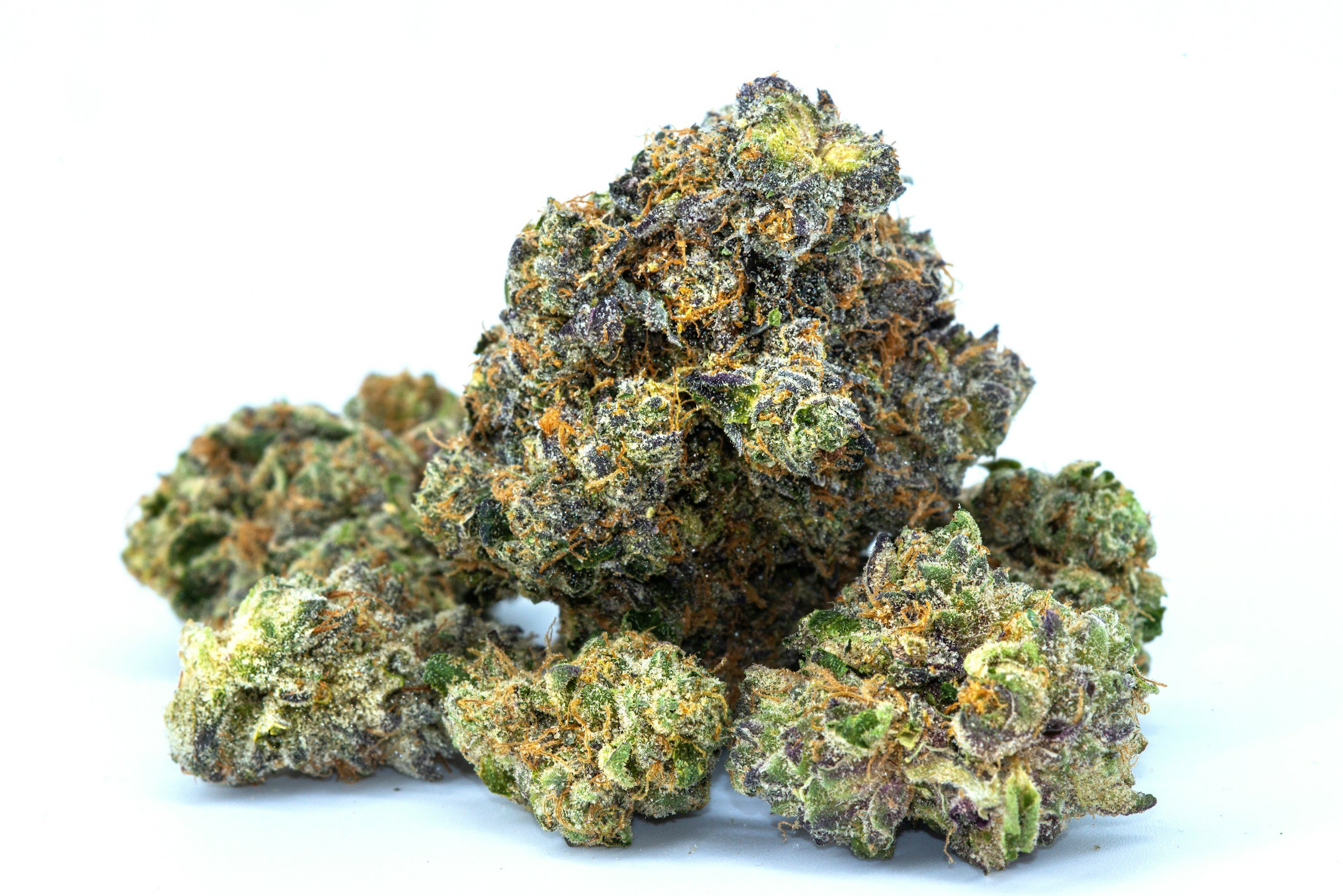
Image credit: Avery Meeker
From Cookies to Gelato: The Flavor Revolution
Gelato emerged as one of the most recognizable descendants of The Cookies Fam collective.
Created by crossing Sunset Sherbet with a Cookies phenotype, Gelato quickly gained popularity for its creamy sweetness and vibrant terpene expression.
What made Gelato stand out was not just flavor. It represented a shift in breeding priorities:
Complex terpene profiles became a primary selling point
Visual appeal, including colorful hues and heavy trichome coverage, gained importance
Balanced hybrid effects appealed to a wider audience
The success of Gelato encouraged breeders to explore dessert-style cultivars such as Runtz, Ice Cream Cake, and Biscotti.
These genetics reinforced the idea that cannabis could deliver a layered sensory experience rather than a single dimensional effect.
Image credit: Esteban López
Why Modern Hybrids Look Different Today
If you compare older cannabis flower to many modern hybrids, several differences become obvious.
Today’s cultivars often produce tighter buds, louder aromas, and heavier resin coverage.
This evolution stems from selective breeding that prioritizes consistency, yield, and terpene richness.
Several factors have driven this shift:
Market Demand
Consumers began seeking strains that offered both potency and flavor. Breeders responded by refining genetics that delivered strong aromas and visually appealing flower.
Indoor Cultivation Advances
Controlled environments allowed growers to stabilize phenotypes and refine genetic traits over multiple generations.
Genetic Stacking
Breeders layered successful genetics like OG Kush and Cookies repeatedly into new crosses. This practice amplified certain characteristics such as sweetness, frostiness, and hybrid vigor.
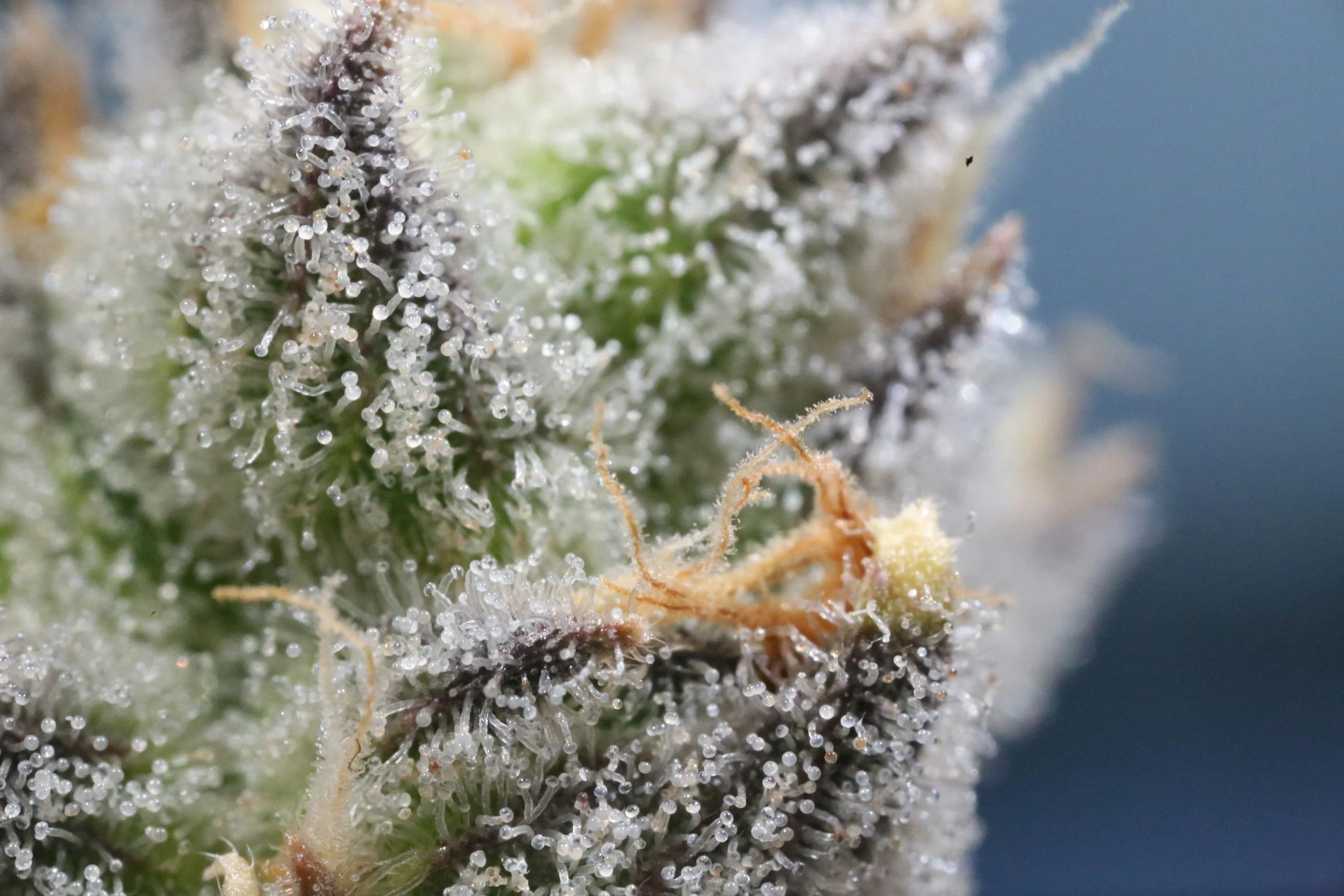
Image credit: XRP Relic
Are Modern Hybrids Stronger Than Older Strains?
Potency is often discussed in terms of THC percentage, but genetics tell a more complex story.
While many modern hybrids test higher in THC, the real evolution lies in terpene diversity and resin production.
Hybrid breeding created plants that produce dense trichome coverage, which contributes to aroma, flavor, and overall experience.
This is why many cultivators focus on resin quality rather than just cannabinoid levels.
For you, this means the experience of modern hybrids may feel more layered or nuanced compared to earlier generations of cannabis.

Image credit: Nick Harsell
The Future of Hybrid Cannabis Genetics
Cannabis breeding continues to evolve as cultivators search for unique terpene combinations, disease resistance, and consistent growth patterns.
Some breeders are revisiting older genetics to preserve diversity, while others push forward with entirely new crosses.
The next generation of hybrids may focus more on minor cannabinoids, novel flavors, or tailored experiences for specific consumers.
Even so, the influence of OG Kush, Cookies, and Gelato will likely remain at the core of modern cannabis genetics.

Where can I find Modern Hybrid Strains?
Whether you’re shopping online or in Redmond, we’re here to help you find what you need, when you need it. That includes modern hybrid strains!
Currently we carry Gelato 33 in pre roll packs from Saints.
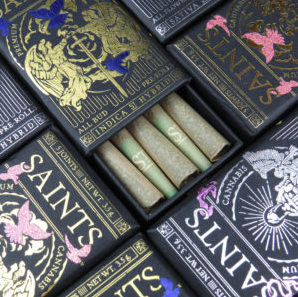
Image credit: Saints
What Makes Gelato 33 by Saints Special?
Saints is passionate about blending artistic creativity with cannabis culture.
That’s why they release limited-edition, pesticide-free joints in collectible boxes that feature art from local artists.
One of their most popular strains, Gelato 33 is a balanced and powerful hybrid.
Known for its sweet, citrus, and earthy dessert-like flavor profile, Gelato 33 delivers a fast-acting, euphoric, and creative high.
Want to learn more? Visit their website at: https://www.saintsjoints.com/
Want to buy some today? Click on our online menu link below to see our current availability.
FAQ The Genetic Timeline of Modern Hybrids
What strain started the modern hybrid movement?
OG Kush is widely credited as the strain that set everything in motion. When it emerged in California in the 1990s, breeders quickly realized it crossed exceptionally well with other varieties — passing along its loud terpene profile, dense trichome coverage, and balanced hybrid effects to offspring. That "crosses well with everything" quality made OG Kush the ultimate foundation genetic, and its DNA shows up in an enormous percentage of the popular strains on shelves today.
What is the genetic connection between OG Kush and Gelato?
Gelato is essentially OG Kush's grandchild — and the family tree is a fascinating one. OG Kush was used to create Girl Scout Cookies (also known as GSC), which was itself bred by crossing OG Kush lineage with Durban Poison. From there, GSC genetics were crossed with Sunset Sherbet to produce Gelato. So every time you enjoy Gelato's creamy sweetness, you're tasting the downstream influence of OG Kush's earthy potency, filtered through two generations of flavor-forward breeding.
Why did dessert strains like Gelato become so popular?
Before the Cookies and Gelato era, cannabis strain naming and breeding focused primarily on potency and geographic origin. Gelato flipped the script by making flavor and sensory experience the main event — its sweet, creamy, citrusy terpene profile was genuinely unlike anything most consumers had experienced before. Breeders and consumers alike responded enthusiastically, and the success of Gelato opened the floodgates for a whole wave of dessert-inspired cultivars including Runtz, Ice Cream Cake, and Biscotti.
How did Girl Scout Cookies change cannabis breeding?
GSC was a genuine turning point because it proved that flavor and branding could be just as powerful as potency. By blending OG Kush's resinous, fuel-forward genetics with the uplifting energy of Durban Poison, GSC delivered something new — sweet aromas, dense buds, and balanced effects that appealed to a much wider audience than the classic heavy indicas or pure sativas of earlier eras. It also signaled the beginning of the Cookies Fam collective's outsized influence on modern cannabis culture, which continues to this day.
What makes modern hybrids look and smell different from older cannabis strains?
Three things drove the visual and aromatic transformation: market demand pushed breeders toward louder terpene profiles and heavier resin production; indoor cultivation advances allowed growers to stabilize phenotypes and refine genetic traits across many generations; and a technique called genetic stacking — repeatedly layering successful genetics like OG Kush and Cookies into new crosses — amplified specific characteristics like sweetness, frostiness, and bag appeal. The result is the tightly structured, heavily frosted, intensely aromatic flower that defines today's premium cannabis market.
What comes next in cannabis hybrid breeding?
The next frontier is already taking shape, and it's exciting. While OG Kush, Cookies, and Gelato genetics will likely remain foundational for years to come, breeders are increasingly focusing on minor cannabinoids like CBG and CBN, novel terpene combinations that haven't been widely explored yet, and tailoring strain experiences to specific consumer goals. Some cultivators are also going backward — revisiting and preserving older landrace genetics to maintain diversity in the gene pool. The evolution of the hybrid is far from finished.
Want to learn more about modern cannabis genetics and hybrid strains?
Then check out our collection of related posts here!