
Why the Quality of Your Cannabis Flower Affects Every Product Downstream — From Flower to Edibles
By Jeff Eckenrode
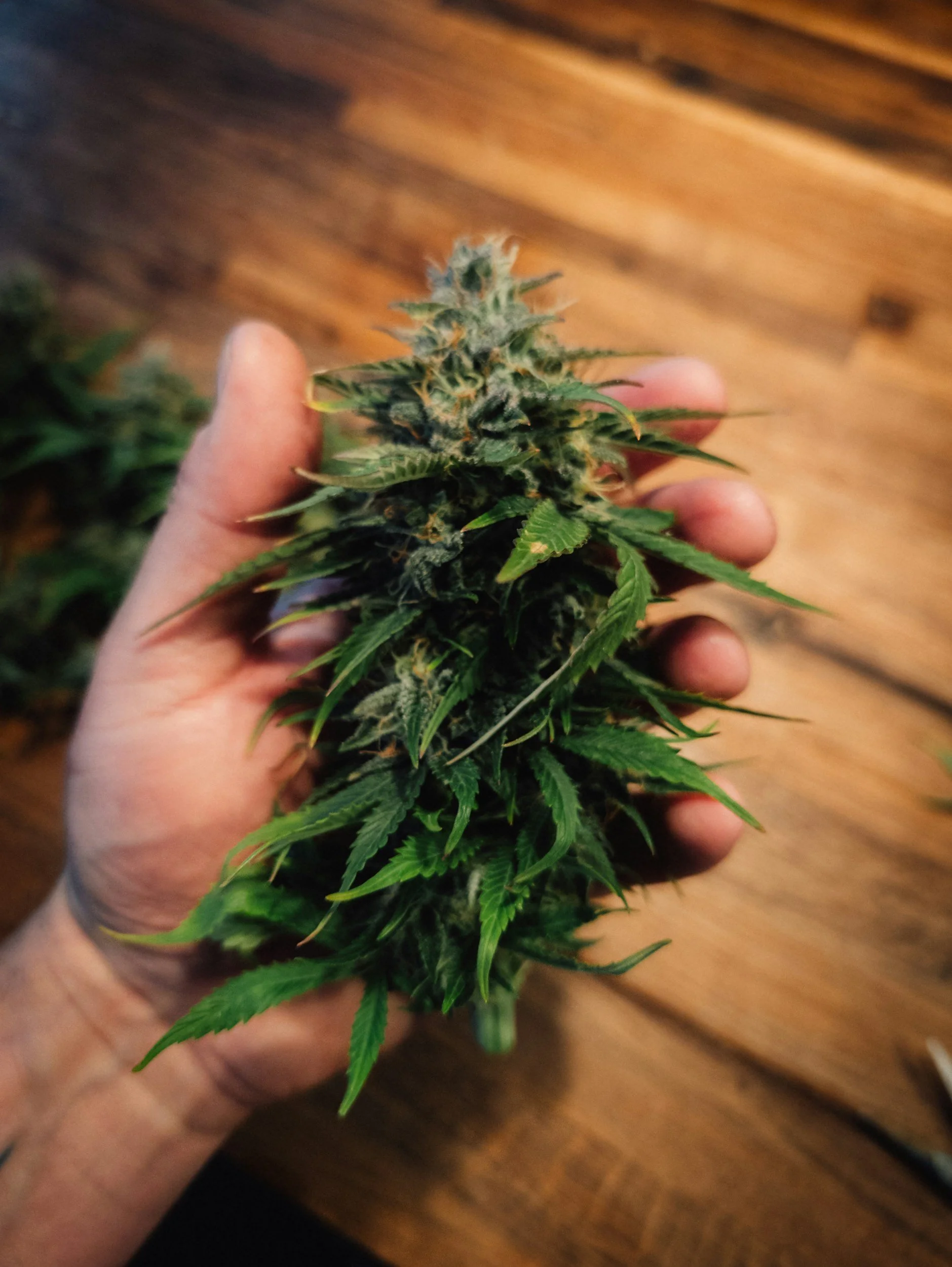
Image credit: Chris Weiher
Quick Answer: The quality of cannabis flower directly affects every product made from it. Trichome density, terpene preservation, genetic consistency, and pesticide-free cultivation all carry through into extracts, oils, and edibles. Better flower means better oil, and better oil means better edibles — the supply chain starts in the garden, not the lab.
Most people think about cannabis in terms of what they're buying — flower, a cartridge, a gummy, a preroll.
But here's a question we don’t often ask when we shop: where did the product I’m about to buy actually come from?
Because every vape cartridge, every edible gummy, every infused preroll, every concentrate on a dispensary shelf started as a cannabis plant. And the decisions made during cultivation — genetics, growing environment, harvest timing, trimming practices, pesticide use — don't disappear when the plant gets processed.
They travel downstream, shaping the quality of everything made from it.
So what does that supply chain actually look like? And why does it matter for what ends up in your hand?
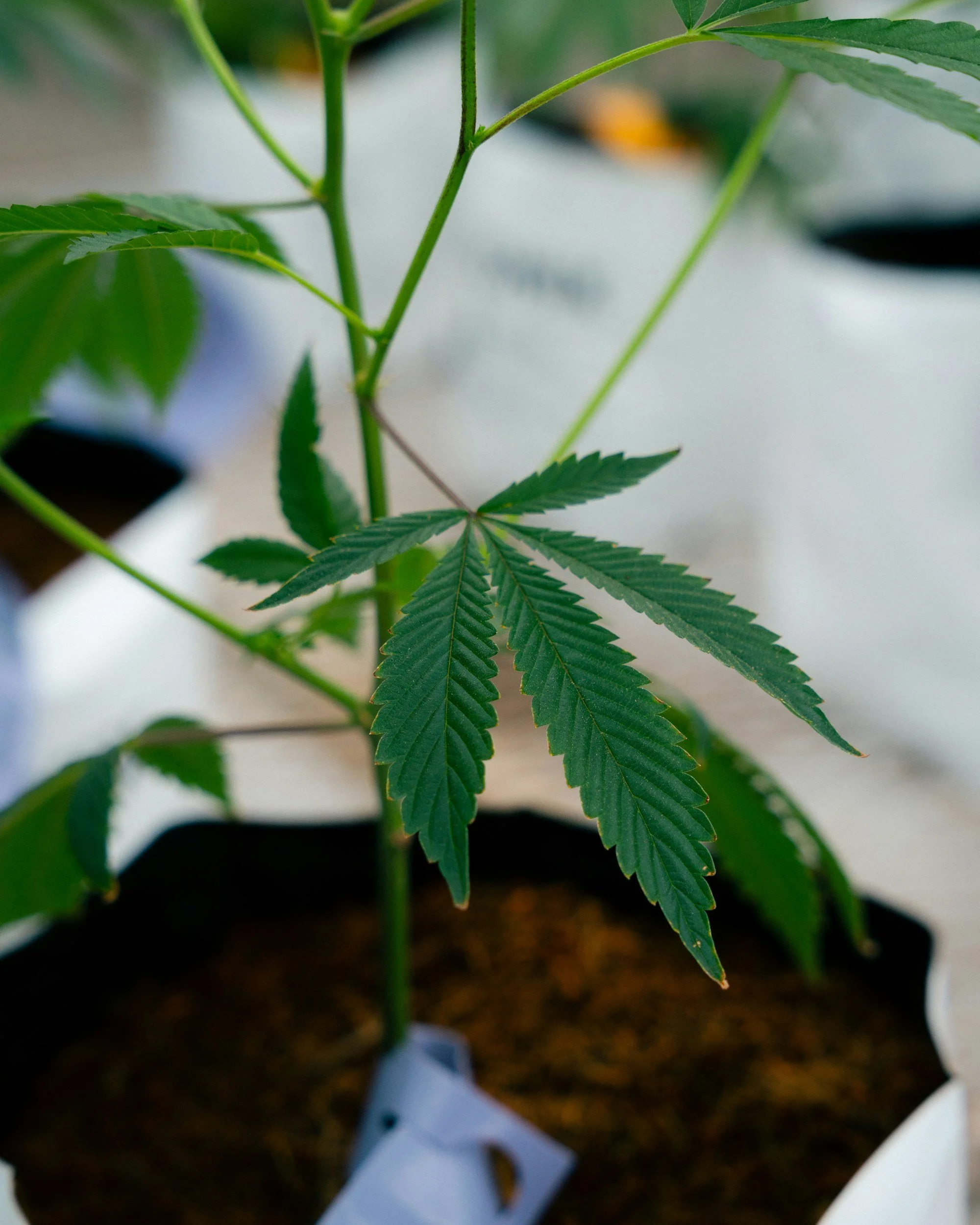
Image credit: Evan Strock
It All Starts With the Plant
Cannabis produces cannabinoids and terpenes in tiny, hair-like structures called trichomes — the resinous, crystalline coating you can see on well-grown flower. Trichomes are where THC, CBD, and the full spectrum of minor cannabinoids and aromatic terpenes are synthesized and stored.
And trichome density, health, and preservation are directly tied to a few key factors:
Genetics. Different cultivars produce different trichome profiles. A producer that invests in elite genetics and rigorous phenotype hunting — selecting individual plants that express the best flavor, potency, and structure from a batch of seeds — starts with a fundamentally better raw material than one running generic or inconsistent genetics.
Growing environment. Trichome production responds to environmental conditions in meaningful ways. Precision indoor cultivation — dialing in light intensity, spectrum, temperature, humidity, and CO2 — allows growers to push plants toward maximum resin production in ways that less controlled environments can't consistently replicate.
Harvest timing. Trichomes go through visible maturation stages as a plant approaches peak ripeness. Harvesting at the right moment — when trichomes have reached their ideal cannabinoid and terpene expression — is the difference between flower that delivers on its potential and flower that falls short. Too early and the plant hasn't finished building its chemical profile. Too late and terpenes begin to degrade.
Post-harvest handling. Trichomes are fragile. Machine trimming, rough handling, improper curing, and poor storage all physically damage trichomes and degrade terpenes before the flower ever reaches a processor. Hand-trimming, careful handling, and proper cure and storage protect the very compounds that make cannabis worth consuming.
All of this happens before extraction or infusion even begins. And all of it shapes what a processor ultimately has to work with.
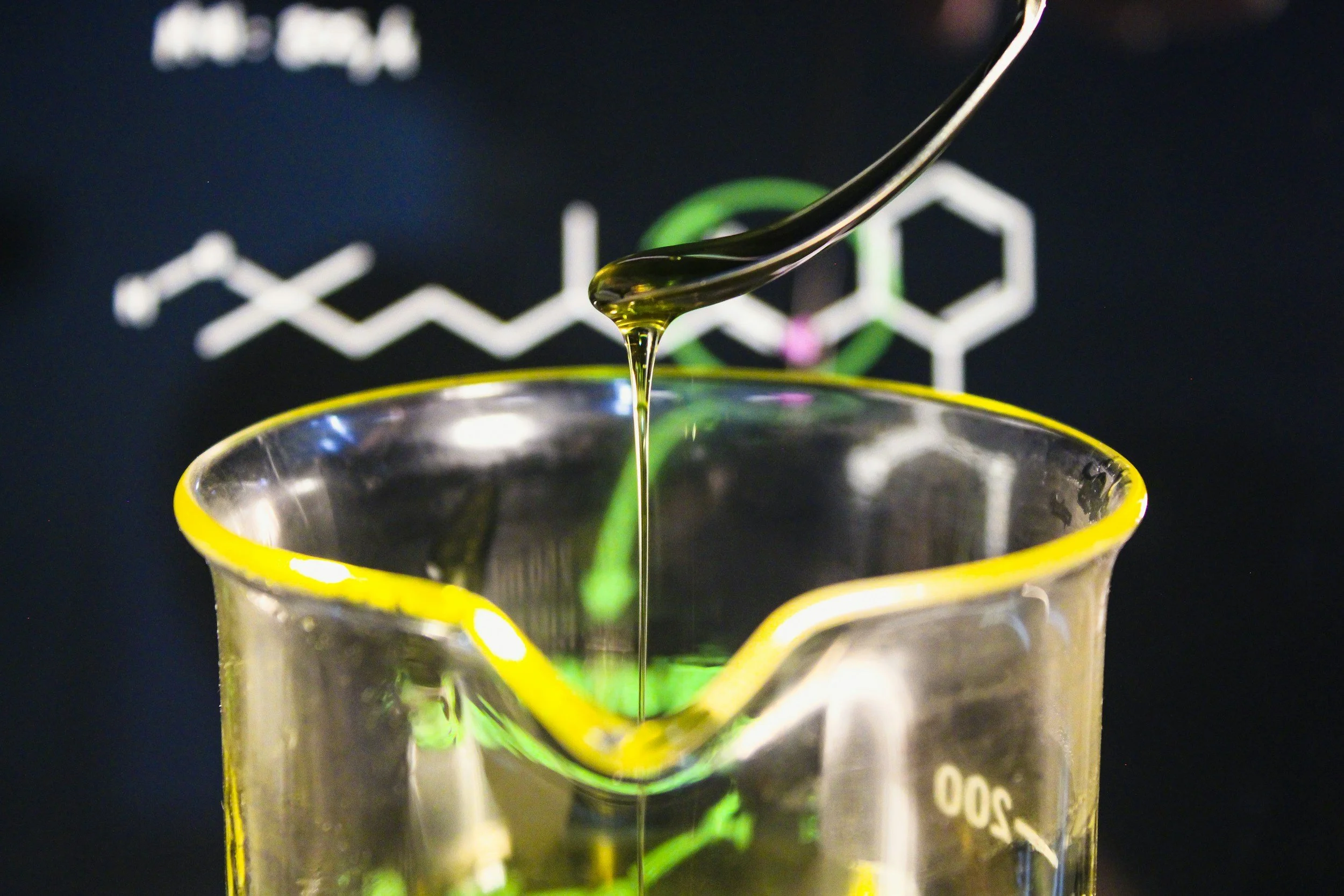
Image credit: Fulvio Ciccolo
What Happens During Extraction
When cannabis flower is processed into an extract — whether through hydrocarbon extraction, CO2 extraction, solventless pressing, or another method — the goal is to isolate and concentrate the compounds in those trichomes: cannabinoids, terpenes, and the other molecules that make up the plant's chemical fingerprint.
The critical thing to understand is that extraction is a refinement process, not a creation process. It concentrates what's already in the plant. Which means that extraction, no matter how technically sophisticated it may be, can’t add quality that wasn't there to begin with.
So what does that mean in practice?
High-quality input material produces high-quality extract. Flower with dense, intact trichomes, a rich terpene profile, and consistent cannabinoid expression gives a processor more to work with — resulting in extracts with better flavor, fuller spectrum, and more reliable potency.
Low-quality input material produces low-quality extract — regardless of how sophisticated the extraction equipment is. Processors sometimes use terms like "trim run" (made from leaf and trim rather than whole flower) or "nug run" (made from whole flower) to signal input material quality. The difference in the finished product is real and detectable.
Pesticide residues concentrate through extraction. This is one of the most important downstream consequences of cultivation practices. When cannabis oil is extracted and concentrated, any pesticide residues present in the starting material concentrate along with the cannabinoids. A pesticide level that might be borderline acceptable in flower can become more problematic in a concentrated extract. This is a core reason why pesticide-free cultivation matters especially for any cannabis that will be processed into oils, vapes, or edibles.
Terpene preservation varies by method. Different extraction methods preserve terpenes to different degrees. Solventless methods like rosin pressing — which use only heat and pressure — tend to preserve the most complete terpene profile because there's no solvent step that can strip volatile aromatic compounds. Live resin extraction, which uses fresh-frozen plant material rather than dried and cured flower, also captures a broader terpene profile than conventional extraction from dried material. Both methods are only as good as the flower they start with.
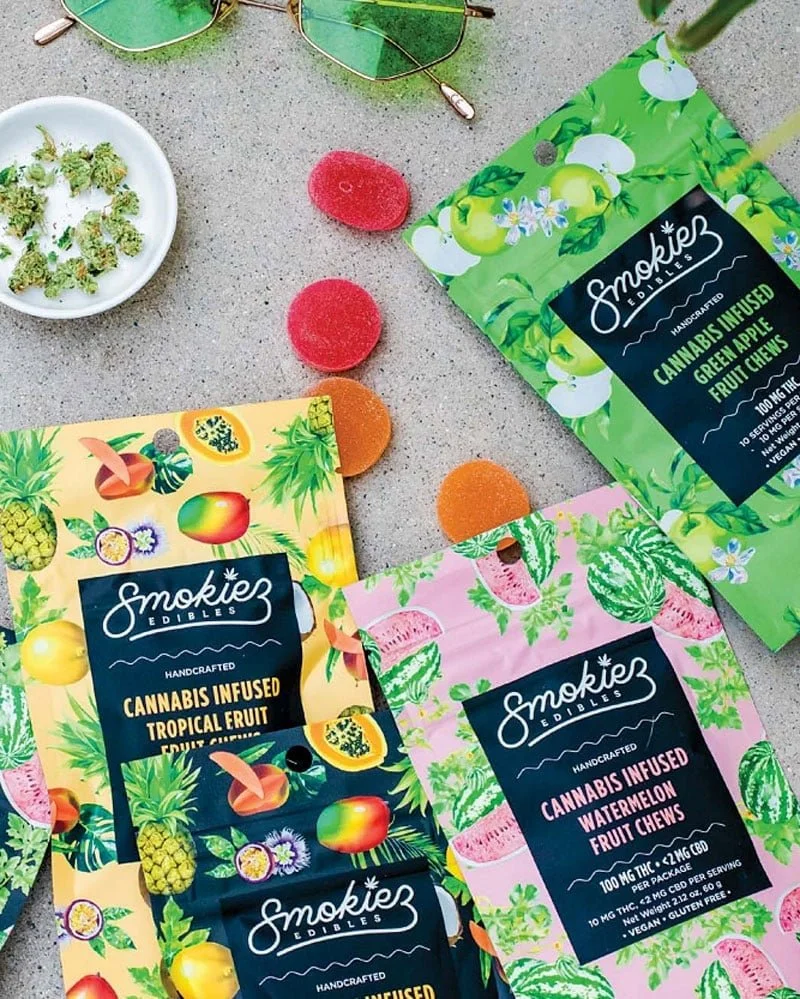
Image credit: Avery Meeker
From Extract to Edible
Once cannabis oil has been produced, it becomes the active ingredient in edibles — gummies, chocolates, beverages, capsules, and more. At this stage, the quality of the oil is baked into the product — literally and figuratively.
A few things worth know about how oil quality affects finished edibles:
Purity affects flavor. High-purity oil that has been properly processed and purged of residual solvents has a cleaner, more neutral flavor profile — which matters when it's being incorporated into a food product. Lower-purity oils or improperly purged extracts can impart off-flavors that no amount of fruit flavoring can fully mask.
Terpene content affects the experience. Edibles made with full-spectrum or broad-spectrum oils — which retain more of the plant's original terpene and minor cannabinoid profile — tend to produce a more nuanced effect than those made with pure distillate. Distillate is highly refined THC, largely stripped of terpenes and minor cannabinoids. It's consistent and potent, but it delivers a narrower experience. Live resin and rosin-infused edibles carry more of the plant's original chemistry and are increasingly sought out by consumers who notice the difference.
Dosing accuracy depends on oil consistency. An edible can only be accurately dosed if the oil going into it is consistently potent and evenly distributed. Producers who source from vetted extractors with documented purity and potency standards — and who apply their own quality testing before production — can dose their products more accurately than those working with variable or unverified input oils.
The supply chain is traceable — if the brand wants it to be. The best edible producers know exactly where their oil comes from, who extracted it, what the input flower was, and what the COA says. That traceability is a meaningful quality signal, and brands that talk openly about their sourcing — naming their extraction partners, specifying their oil standards — are telling you something real about how seriously they take what goes into their products.
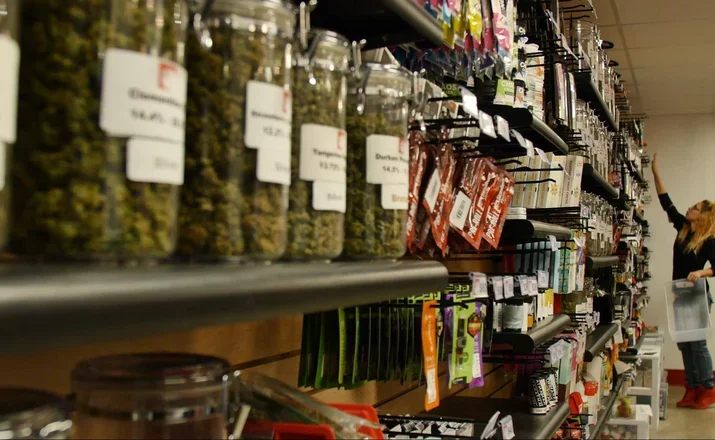
Image credit: Flow Hub
Why This All Matters for You
When you buy a gummy or a vape cartridge, you're not just buying a dose of THC. You're buying the downstream result of every decision made at the cultivation and processing level — the genetics the grower selected, the care they put into harvest and trim, the quality of the oil the edible maker sourced, and the standards they held their suppliers to.
Products made from premium, craft-cultivated flower with clean growing practices and careful processing tend to taste better, feel better, and deliver a more consistent experience. Not because of marketing language — but because the quality of the raw material actually matters, all the way down the chain.
And you don't need to be an expert to start making better choices. Ask your budtender about where a brand's oil comes from. Look for brands that are specific about their sourcing standards. And if you want to see the information for yourself ask your budtender for the COAs of products you’re interested in learning more about. The information is out there — and the brands that care about quality are the ones talking most about it.

Where Can I Find Quality Cannabis Products in Redmond?
At Hashtag Cannabis in Redmond, we think carefully about which brands we carry — and two that exemplify the soil-to-oil story from opposite ends of the supply chain are Svin Garden and Smokiez.
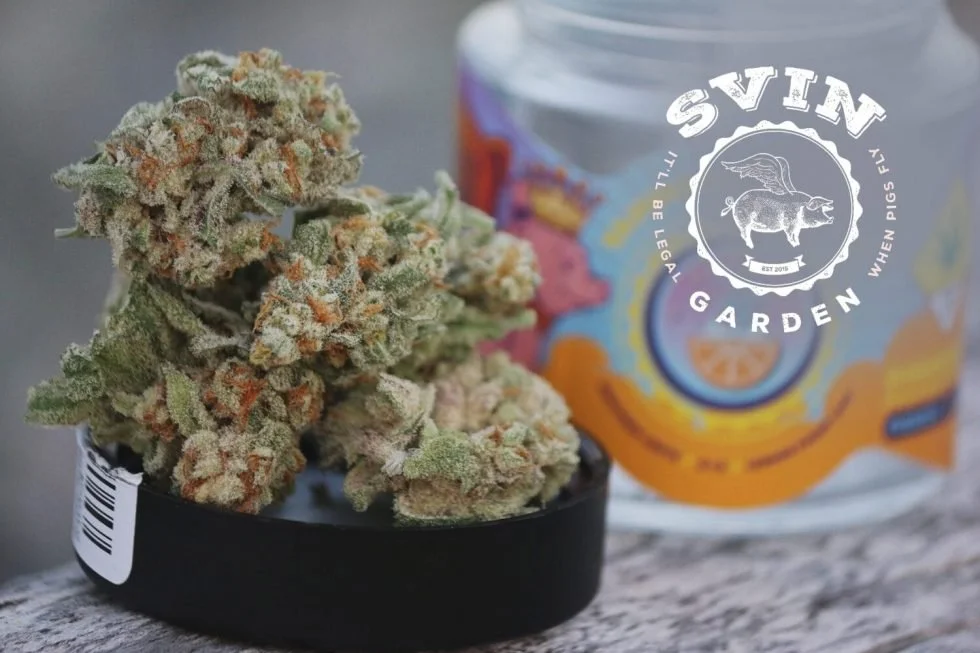
Image credit: High End Cannabis
What Makes Svin Garden Special?
Svin Garden is a boutique, family-run cannabis brand out of Stanwood, Washington, and they do everything in-house — genetics selection, cultivation, harvesting, trimming, and extraction. Every plant is hand-trimmed and never rushed. Their pheno-hunting process is rigorous: they pop new seeds constantly and only keep the cuts that genuinely stand out in flavor, effect, and structure.
The result is flower that exemplifies what “high quality” really means. It’s also why their concentrates, produced through cold-column extraction and precision filtration, deliver the kind of terpene-rich consistency that enthusiasts keep coming back for.
Svin's award-winning One Piece strain — Leafly's 2024 Budtender Choice Award winner for Best Strain in Washington — is a testament to what intentional, seed-to-sale craft cultivation produces.
Want to learn more? Visit their website at: https://www.svingarden.com/
Want to see what's currently in stock? Shop Svin Garden products by clicking our online menu below.
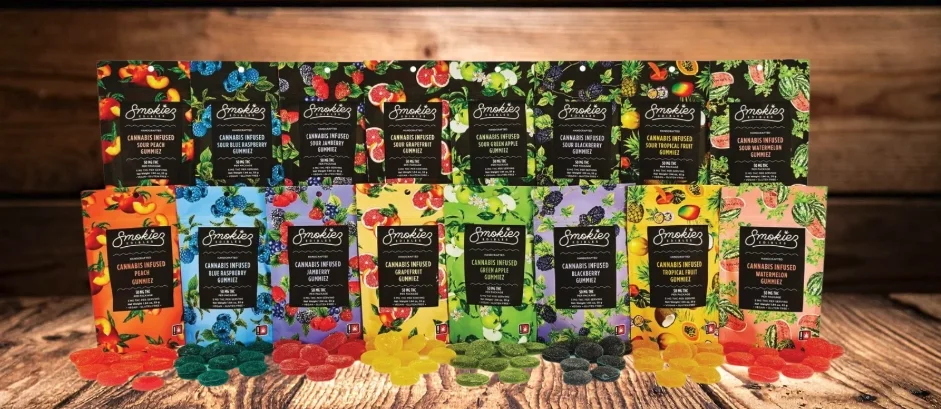
Image credit: The Green Nugget
What Makes Smokiez Special?
Smokiez takes that same philosophy of intentionality and applies it to the edible side of the equation. Every Smokiez product is made from a proprietary 90-year-old pectin-based recipe, and their oils are sourced exclusively from vetted extractors with documented purity standards — pesticide-free and rigorously tested.
They make distillate-infused, live resin-infused, and rosin-infused gummies, and they've partnered with Happy Cabbage — one of Washington's most respected clean-extraction producers — for their premium rosin edibles. Vegan, gluten-free, no high-fructose corn syrup, and minor cannabinoid blends for sleep, focus, and recovery. Smokiez is what a brand looks like when it cares as much about what goes into the product as what comes out of it.
Want to learn more? Visit their website at: https://smokiez.com/
Want to see what's currently in stock? Shop Smokiez products by clicking our online menu below.
FAQ: Cannabis Flower Quality and Downstream Products
Does the quality of cannabis flower affect edibles and vape cartridges?
Yes, directly. Cannabis extracts and edibles are made from cannabis oil, and that oil is produced from flower. The quality of the starting flower — its trichome density, terpene profile, genetic consistency, and freedom from pesticides — carries through into the extract. High-quality flower produces richer, cleaner, more flavorful oil. Lower-quality input material limits what a processor can produce, regardless of extraction method. The supply chain genuinely starts in the garden.
What is the difference between distillate, live resin, and rosin in edibles?
Distillate is a highly refined cannabis oil, predominantly THC, with most terpenes and minor cannabinoids removed during processing. It's consistent and potent but delivers a narrower experience. Live resin is extracted from fresh-frozen cannabis plant material, preserving a broader terpene and cannabinoid profile than conventional extraction from dried flower. Rosin is a solventless extract produced using only heat and pressure, retaining the most complete representation of the plant's original chemistry. Edibles made with live resin or rosin tend to offer a more nuanced, full-spectrum experience than those made with distillate alone.
Why do pesticide-free cultivation practices matter for edibles specifically?
Because extraction concentrates everything in the plant — including any pesticide residues present in the starting material. A pesticide level that might fall within acceptable limits in flower can become more concentrated in an extracted oil. Edibles made from oils sourced from pesticide-free flower carry less risk of concentrated residues in the finished product. This is one reason why the sourcing standards an edible producer holds their oil suppliers to matters — it's not just about the gummy itself, it's about the oil that went into it.
What does "nug run" mean in cannabis extraction?
A nug run concentrate is made from whole cannabis flower — the actual buds — rather than from trim, shake, or lower-grade plant material. Because whole flower contains a higher concentration of trichomes than trim or leaf, nug run extracts typically have better flavor, higher terpene content, and more complete cannabinoid profiles than trim run extracts. Nug run is generally considered a higher-quality input for extraction, and products made from nug run material often reflect that in their flavor and effect.
What is phenotype hunting in cannabis cultivation?
Phenotype hunting, or pheno hunting, is the process of growing out multiple plants from a batch of seeds — all genetically related but not genetically identical — and identifying the individual plants that best express desirable traits like flavor, potency, terpene profile, structure, and yield. Cannabis seeds from the same cross can produce plants with meaningfully different characteristics. Pheno hunting allows breeders and cultivators to identify and preserve the best individual expressions of a genetic line, which is how elite cultivars are developed and why some producers' flower consistently outperforms others.
How can I tell if an edible brand cares about the quality of its source oil?
Look for brands that are specific about their sourcing. Do they name their extraction partners? Do they specify purity standards for their input oils — like requiring pesticide-free, 90-plus percent pure distillate? Do they distinguish between distillate-infused, live resin-infused, and rosin-infused products, and explain why those distinctions matter? Brands that are transparent about what goes into their products tend to care more about what comes out. Vague language about "premium ingredients" without specifics is a weaker signal than documented sourcing standards and named partners.
Want to learn more about how cannabis is grown and processed?
Then check out our collection of related posts here!