
Why Clean Cannabis Matters: What's Really In Your Weed and How to Know It's Safe
By Jeff Eckenrode
Image credit: Jonathan Olsen-Koziol
Quick Answer: Clean cannabis means products that are free from pesticides, heavy metals, residual solvents, and microbial contamination — all verified through third-party lab testing. Washington State requires mandatory testing for all licensed cannabis before it hits shelves, but cultivation practices vary widely between producers. Knowing what to look for helps you choose products you can actually trust.
You probably think about what you put in your body. The food you eat, the beverages you drink, and the ingredients you buy that fit your diet and lifestyle.
But how often do you think about what's actually in your cannabis?
It's a question that more and more cannabis consumers are beginning to ask.
Because the truth is, not all cannabis is grown, processed, or tested the same way.
And the differences between a clean product and a contaminated one aren't always visible on the label.
So what does "clean cannabis" actually means? What testing does Washington State require to ensure consumer safety? And how can you find out more about the products on dispensary shelves before you spend your hard earned money?
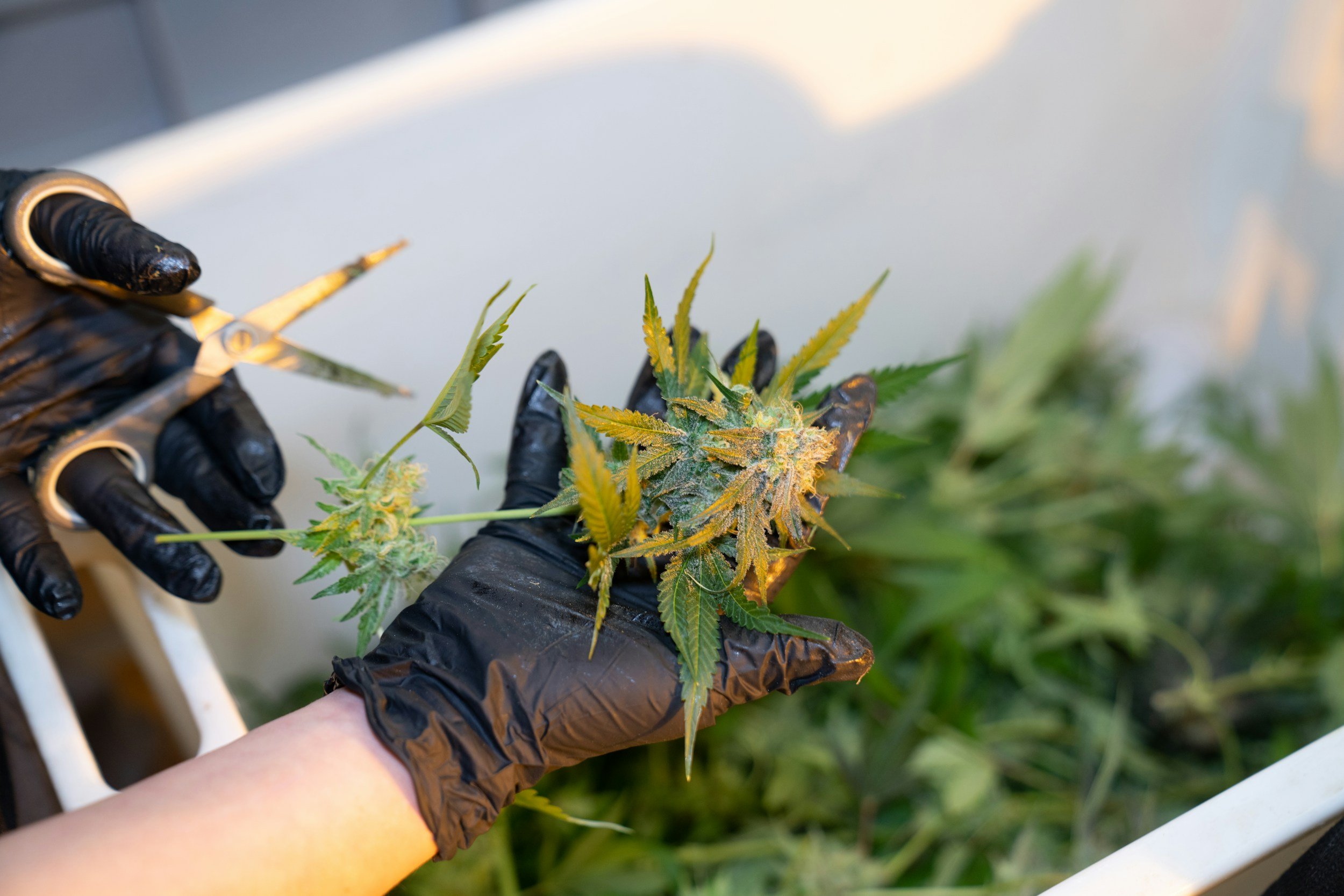
Image credit: CRYSTALWEED cannabis
What Does "Clean Cannabis" Actually Mean?
"Clean cannabis" isn't a regulated term. So you won't find it on a label the way you'd find "organic" on a food package.
But in practice, it refers to cannabis that has been:
Grown without synthetic pesticides, fungicides, or herbicides
Extracted or processed without harmful residual solvents (for concentrates and oils)
Free from microbial contamination like mold, mildew, E. coli, or Salmonella
Verified through third-party laboratory testing before sale
Any one of those factors, if ignored, can result in a product that delivers more than just cannabinoids when you consume it.
The good news is that Washington State's regulatory framework requires testing across most of these categories.
The less-good news is that testing requirements set a floor, not a ceiling — and how a producer cultivates and processes their cannabis determines a lot about what ends up in the final product.
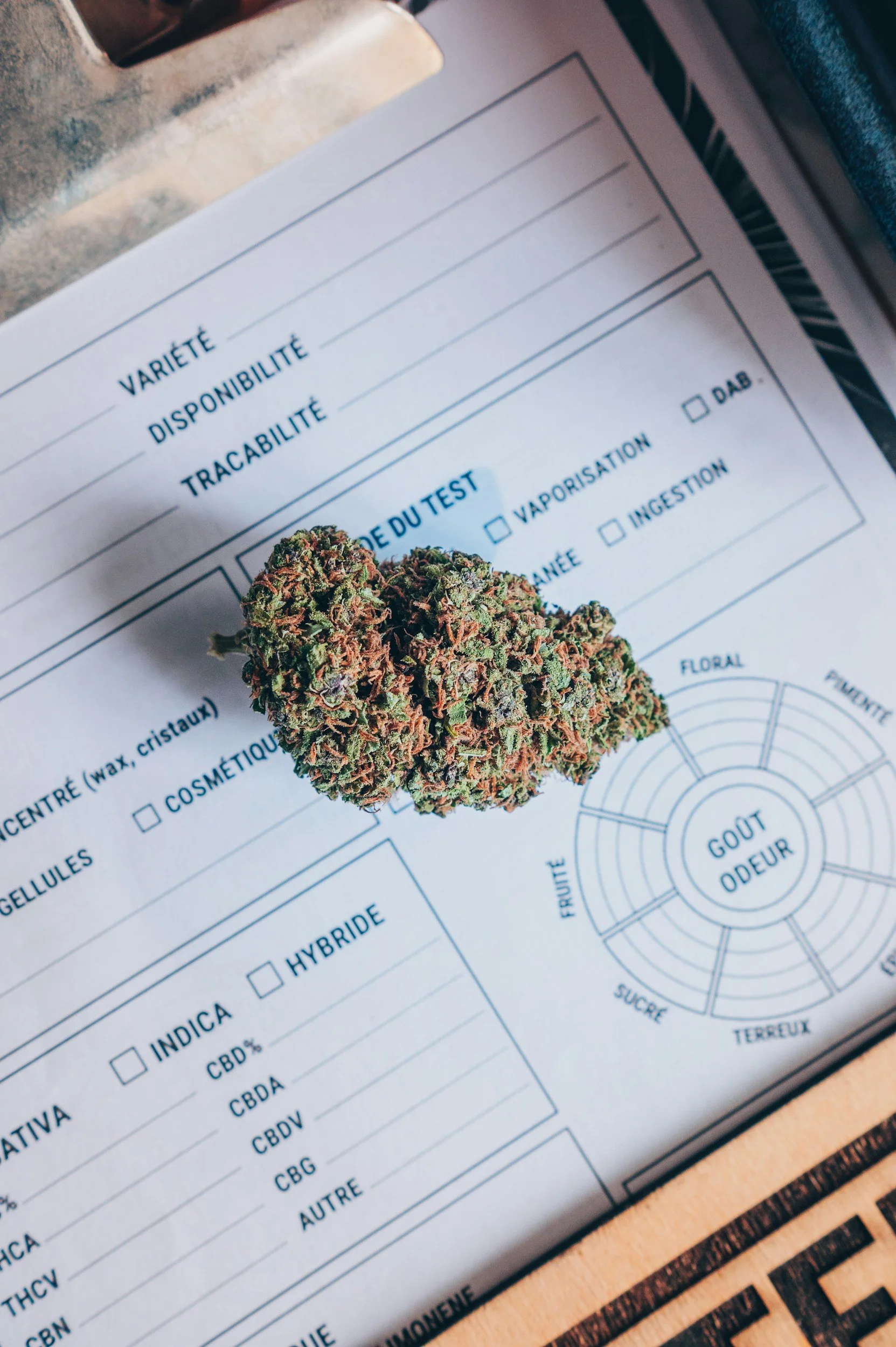
Image credit: Testeur de CBD
What Washington State Requires
Washington State's cannabis testing framework, overseen by the Washington State Department of Agriculture (WSDA) and the Liquor and Cannabis Board (LCB), requires all licensed cannabis to pass mandatory testing before it can be sold at retail.
Required testing categories include:
Potency testing — THC, CBD, and other cannabinoid levels must be accurately reported on labels.
Pesticide screening — Products are screened against a panel of prohibited pesticide residues. Washington maintains a list of prohibited pesticides that cannot be detected above certain action levels.
Microbial testing — Products are screened for harmful microorganisms including Aspergillus, E. coli, Salmonella, and others that pose health risks.
Residual solvents — Concentrates and extracts must be tested to confirm that solvents used in extraction (butane, propane, ethanol, etc.) have been purged to safe levels.
Heavy metals — Some product categories are screened for lead, cadmium, arsenic, and mercury.
Every product sold at a licensed Washington dispensary like Hashtag Redmond has passed through this framework. And that's a meaningful baseline.
So are all products that pass testing the same quality? Or is there a meaningful difference between a cannabis product passing a test and a cannabis product being grown with intention and expert care?
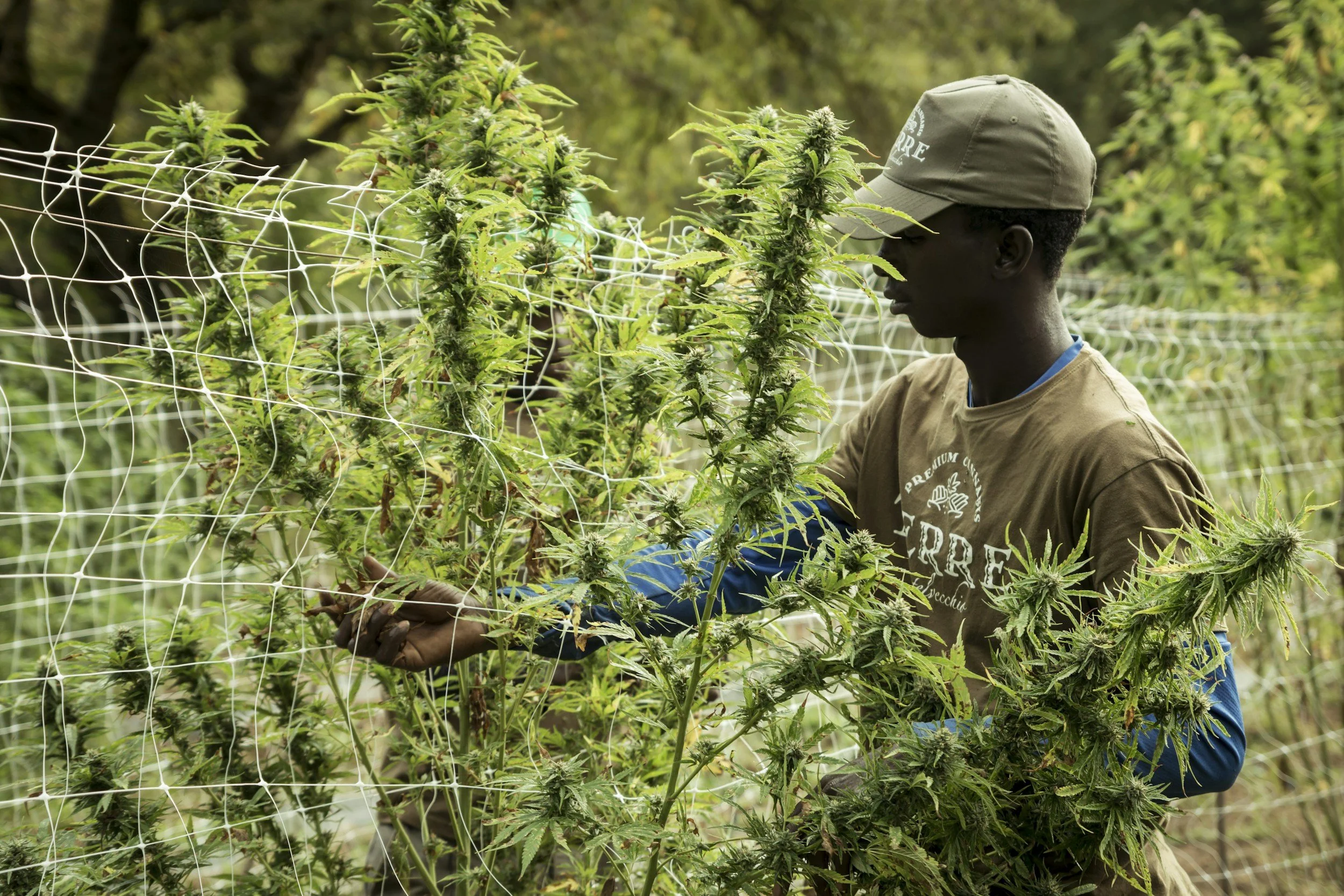
Image credit: Terre di Cannabis
Where Cultivation Practices Make the Difference
Put simply, there is a significant difference between products that clear regulatory hurdles and those that set a higher bar for quality and excellence. But how are they different?
To start, cultivation practices vary widely throughout Washington’s cannabis industry. And they can tell you a lot about how a product was grown in the first place.
That can shape everything from what's in the plant to how it smells, tastes, and feels.
Pesticide philosophy matters. Conventional agriculture often uses synthetic pesticides as a first-line defense against pests and pathogens. Some cannabis producers do the same. Others take an integrated pest management (IPM) approach — using predatory insects, beneficial microbes, and environmental controls to manage pests before reaching for chemicals. Others go further, using only OMRI-certified organic inputs or avoiding pesticides altogether.
That distinction really matters because some pesticide residues can persist through combustion or vaporization. Even when concentrations fall below legal action levels, health-conscious consumers may reasonably prefer products grown without synthetic inputs at all.
Growing medium and water quality matter. Soil-based cultivation introduces variables from the growing medium itself — nutrient content, pH, microbial life, and potential contaminants. Indoor precision cultivation allows growers to dial in and control for every input, reducing variability and contamination risk. Sungrown and outdoor cultivation involves more environmental variables but can be done cleanly with proper site selection and practices.
Extraction and processing matter for concentrates and edibles. For any product where cannabis is extracted — oils, concentrates, vape cartridges, infused edibles — the quality of the starting material and the cleanliness of the extraction process both matter a lot. An extract made from low-quality input material can concentrate undesirable compounds alongside cannabinoids. High-purity sourcing standards — like requiring distillate oils to exceed 90% purity — are a meaningful differentiator.
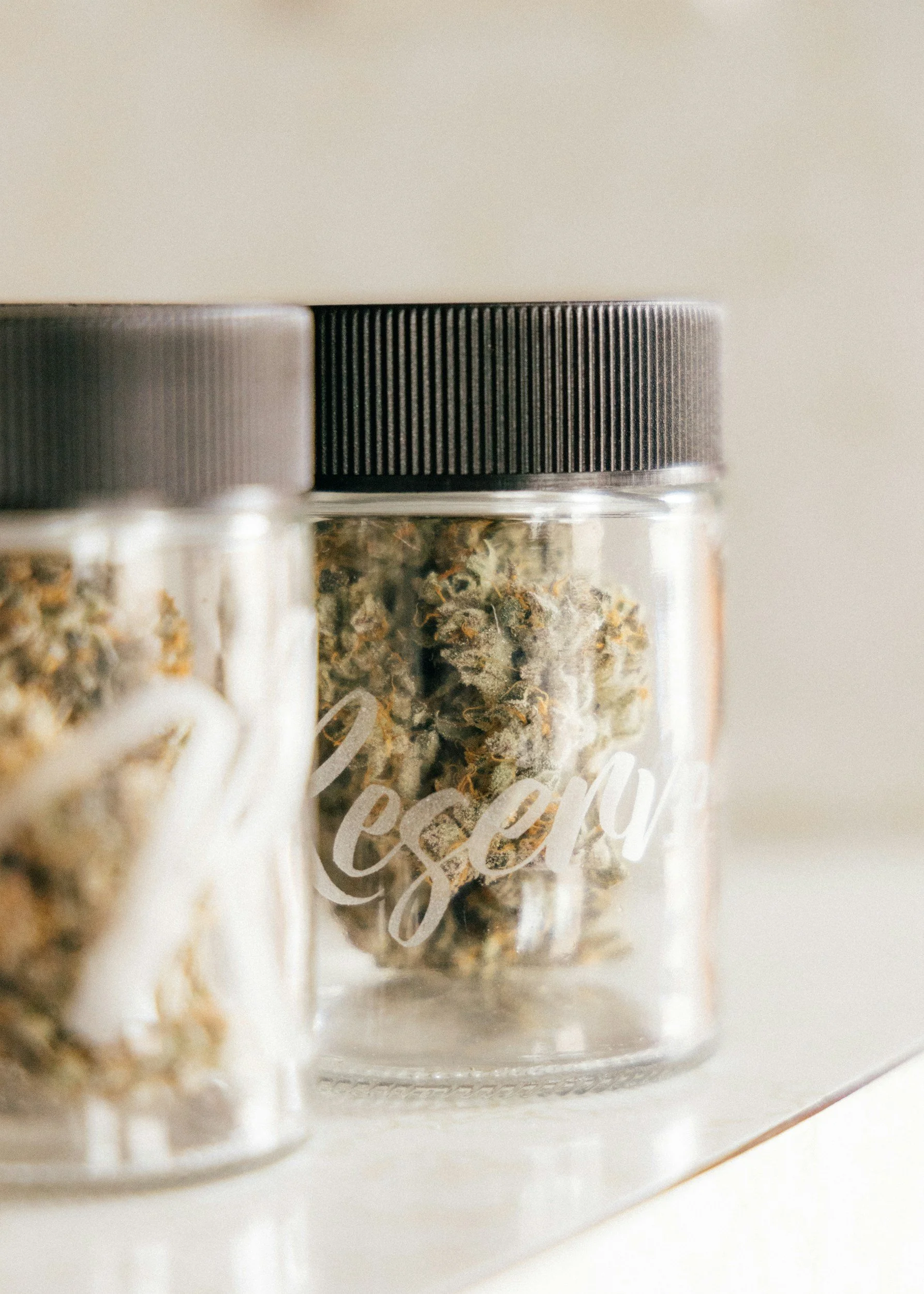
Image credit: kevin turcios
What to Look For as a Cannabis Consumer
You don't need to become a scientist to make better choices. But a few practical signals can help you to cut through the noise to find the products that are best for you and your needs:
Ask about pesticide practices. Your budtender should be able to tell you whether a brand uses pesticide-free cultivation, organic inputs, or IPM. And if they don't know you can ask them to help you find out. Many brands detail their cultivation and production practices either on their company website or through social media.
Look for brands that talk about their "why." Producers with genuine commitments to clean cultivation tend to talk about it. Often times you can find details about every step of their process in their brand story, on their website, or in how they describe their products.
Check lab results when available. At Hashtag Redmond our team makes Certificates of Analysis (COAs) available for every customer, either on your request or through QR codes on packaging. A COA shows the full test panel — potency, pesticides, microbials, solvents — not just the THC percentage!
Consider the full product category. Most people would agree that clean flower is important. And when you're consuming concentrates, vapes, or edibles, the sourcing standards for the cannabis oil or extract matter even more. Some brands source oils exclusively from vetted extractors with documented purity standards and some, well… don’t. That kind of traceability is worth seeking out. So don’t hesitate to ask your budtender for more information when you shop for concentrates, vapes or edibles.
Where Can I Find Clean Cannabis In Redmond?
At Hashtag Cannabis in Redmond, we carry brands whose cultivation and sourcing standards are committed to both safety and quality.
And two brands that stand out particularly when the conversation turns to clean cannabis are Good Earth Cannabis and Swell.
What Makes Good Earth Cannabis Special?
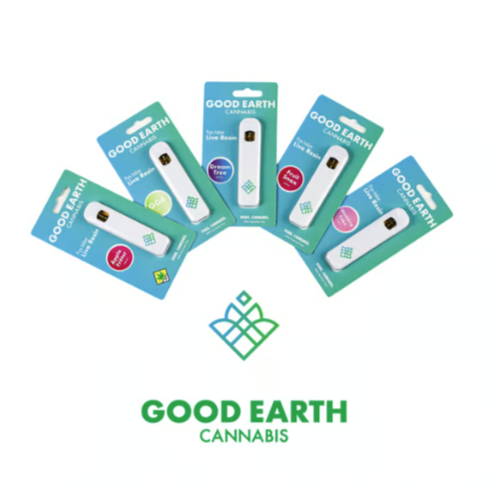
Good Earth Cannabis exists to Be Good — for their customers and for the planet.
Every plant is grown in precision-controlled indoor environments and hand-trimmed to protect the trichomes that carry THC, terpenes, and the affects you actually feel.
Their approach is organic-adjacent: no synthetic chemicals, no heavy metals, no inorganic pesticides. It's the kind of cultivation philosophy that doesn't just clear a test — it starts from a different premise entirely.
Want to learn more? Visit their website at: https://www.goodearthcannabis.com/
Want to see what’s currently in stock? Shop Good Earth Cannabis products by clicking our online menu below.
What Makes Swell Edibles Special?
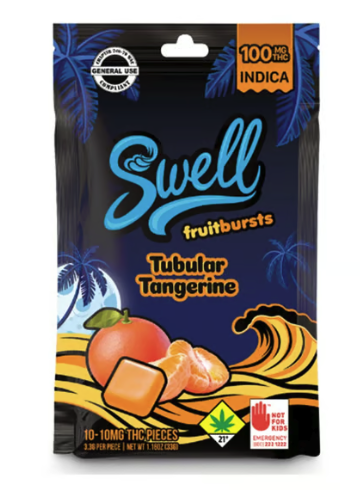
Swell brings that same standard of care to the edibles side of the equation. Every distillate oil Swell uses is sourced exclusively from Washington's top-tier extractors, must be pesticide-free, and must exceed 90% purity — and then it passes Swell's own smell and taste test before it ever goes into a product.
Their rosin-infused Fruit Bursts go further, featuring small-batch, full-spectrum rosin from Hella Loud, one of the state's most respected clean-extraction producers.
Vegan, gluten-free, and medically endorsed — Swell is what happens when you build an edible line around what goes in, not just what comes out.
Want to learn more? Visit their website at: https://www.swelledibles.com/
Want to browse our current inventory? Shop Swell products by clicking our online menu below.
FAQ: Clean Cannabis
What does pesticide-free cannabis mean?
Pesticide-free cannabis is flower or extract grown without the use of synthetic pesticides, herbicides, or fungicides during cultivation. Some producers use OMRI-certified organic inputs, predatory insects, or integrated pest management (IPM) techniques to control pests naturally. Pesticide-free is not a regulated label in Washington State, so it's worth asking your budtender which brands at your dispensary are known for clean cultivation practices.
Does Washington State test cannabis for pesticides?
Yes. All licensed cannabis sold in Washington must pass mandatory pesticide screening before reaching retail shelves, as required by the Washington State Liquor and Cannabis Board. Products are tested against a panel of prohibited pesticide residues and must fall below established action levels. However, passing a pesticide test and being grown without pesticides are two different things — testing confirms a product cleared the regulatory threshold, not that it was grown pesticide-free from the start.
What is a Certificate of Analysis (COA) for cannabis?
A Certificate of Analysis, or COA, is a lab report issued by an accredited third-party testing laboratory that documents the full test results for a cannabis product. A COA typically includes potency data (THC, CBD, and other cannabinoids), pesticide screening results, microbial contamination results, residual solvent levels, and sometimes heavy metal screening. In Washington, COAs are generated as part of the mandatory testing process. Some brands and dispensaries make COAs available by request or through QR codes on packaging.
Are cannabis edibles tested the same way as flower?
Cannabis edibles in Washington go through mandatory testing just like flower and concentrates, including potency verification, microbial screening, and residual solvent testing where applicable. One thing worth noting is that the quality of an edible depends heavily on the quality of the oil or extract used to make it — not just the finished product test. Brands that set their own sourcing standards for input materials, requiring high-purity, pesticide-free oils from vetted extractors, offer an additional layer of quality assurance beyond what testing alone confirms.
What are residual solvents in cannabis concentrates?
Residual solvents are traces of the chemical solvents used in cannabis extraction — commonly butane, propane, or ethanol — that remain in a concentrate after processing. A properly purged concentrate should contain residual solvents at levels well below the safety thresholds established by Washington State testing requirements. Residual solvent testing is a mandatory part of the Washington cannabis testing framework for all concentrates and extracts.
How can I tell if a cannabis brand prioritizes clean cultivation?
A few signals are worth looking for. Brands with genuine clean-cultivation commitments tend to be specific about their practices — pesticide-free, organic inputs, OMRI certification, hand-trimming, precision indoor growing environments — rather than relying on vague marketing language. Look for brands that make their lab results available, talk openly about their sourcing standards, and have a clear brand philosophy around purity and quality. Your budtender is also a great resource — a knowledgeable budtender will know which brands on their shelves are known for clean practices and can point you in the right direction.
Want to learn more about cannabis science and how your cannabis is made?
Then check out our collection of related posts here!