
Cookies Genetics and The Rise of Dessert Strains: How Flavor Changed Cannabis Forever
By Jeff Eckenrode

Image credit: Robert Nelson
Quick Answer: Cookies genetics helped launch the modern era of dessert strains by prioritizing flavor, terpene expression, and balanced hybrid effects. Descendants of Girl Scout Cookies introduced sweet profiles like Gelato and Wedding Cake, reshaping how consumers choose cannabis and influencing breeding trends across the industry.
Over the past decade, cannabis menus have shifted from earthy classics to flavor-forward favorites.
Strains with names like Gelato, Wedding Cake, and Cream dominate dispensary shelves, and much of that evolution traces back to Cookies genetics.
Following the success of Girl Scout Cookies, breeders began exploring new combinations that emphasized aroma, taste, and experience.
The result was a wave of dessert-inspired strains that changed cannabis culture and consumer expectations.

Image credit: MJH SHIKDER
What Are Cookies Genetics?
Cookies genetics refers to the family of strains descended from Girl Scout Cookies and related breeding projects that emerged from California’s Bay Area.
These genetics typically blend OG Kush, Durban Poison, and other influential hybrids to create terpene-rich plants with strong resin production.
Common traits associated with Cookies lineage include:
Sweet or dessert-like terpene profiles
Dense, frosty buds with high trichome coverage
Balanced hybrid effects that combine mental uplift with body relaxation
Because of these characteristics, Cookies genetics quickly became a foundation for modern cannabis breeding.
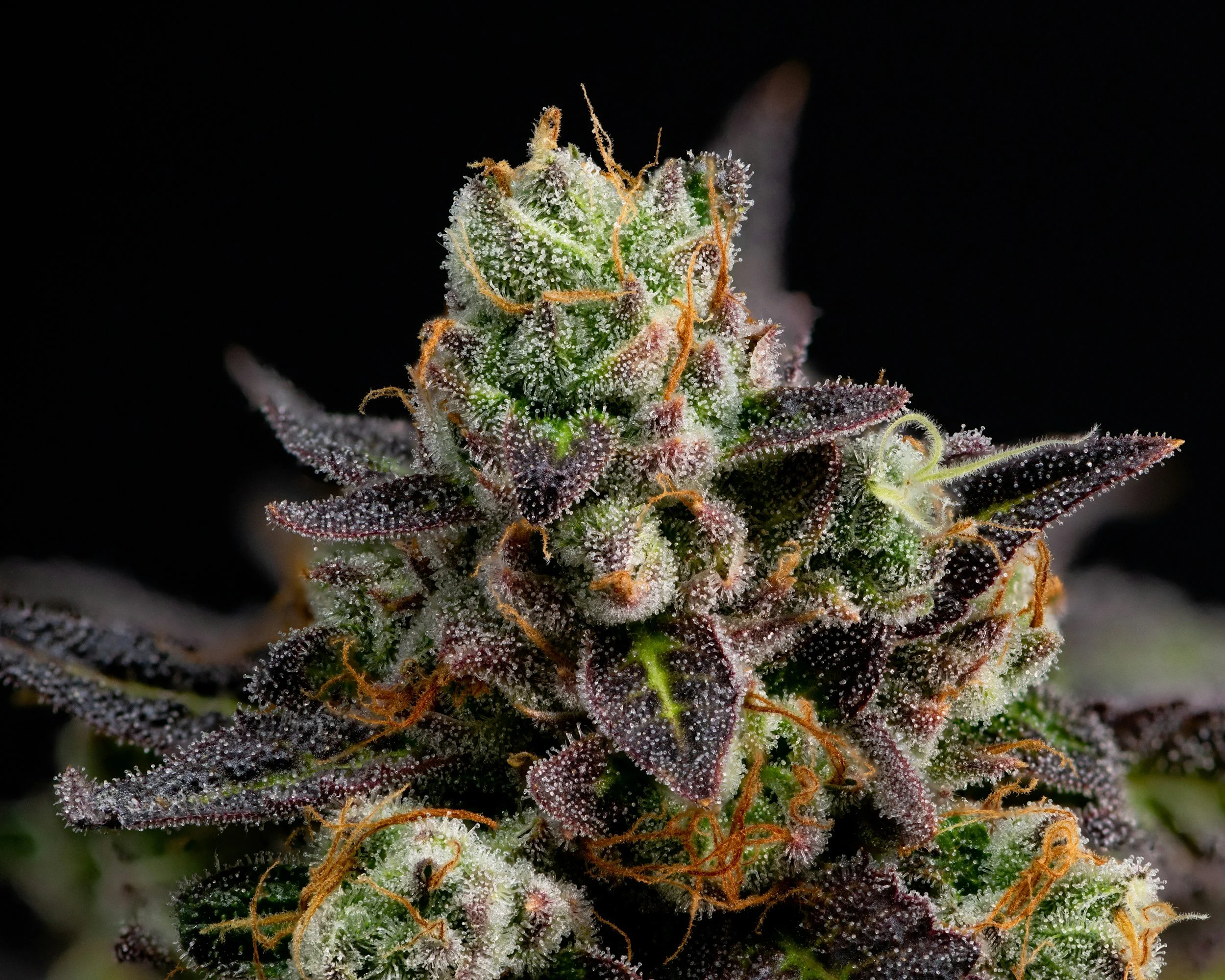
Image credit: spencer gray
How Dessert Strains Took Over
Before the rise of Cookies, many popular strains leaned toward earthy, piney, or skunky flavors.
While those profiles still exist, breeders began chasing sweeter aromas that felt more approachable to new consumers.
Dessert strains became popular because they offered:
Familiar flavor notes like vanilla, berry, citrus, and baked goods
A smoother introduction for newer cannabis users
A shift away from purely potency-driven marketing
Strains such as Gelato, Wedding Cake, Ice Cream Cake, and Biscotti all owe part of their lineage or inspiration to Cookies genetics.
These cultivars helped normalize the idea that flavor can be just as important as THC percentage.

Image credit: Elsa Olofsson
The Role of Terpenes in Dessert Genetics
Terpenes played a huge role in the rise of dessert strains.
Instead of focusing only on cannabinoid levels, breeders selected plants with standout aroma and resin production.
Some common terpene influences in dessert-style cannabis include:
Limonene: Adds bright citrus notes and an uplifting feel
Caryophyllene: Contributes spice and complexity
Linalool: Introduces floral sweetness
Myrcene: Provides depth and relaxation
These terpene combinations create the layered flavor profiles that consumers now expect from premium flower.

Image credit: Tim Mossholder
Why People Love Dessert Strains
Dessert strains resonate with modern cannabis shoppers for several reasons:
Flavor and Aroma
Many consumers describe dessert strains as smoother and more enjoyable, especially for social or creative settings.Balanced Effects
Rather than leaning fully indica or sativa, many Cookies descendants offer a hybrid experience that works for a wide range of preferences.Visual Appeal
Frosty trichomes and colorful buds make dessert strains stand out on dispensary shelves.
This shift reflects a broader trend in cannabis. Consumers are learning that cannabinoids and terpenes shape the experience more than traditional labels alone.

Image credit: Chase Fade
Are Dessert Strains Just a Trend?
Some longtime consumers wonder if dessert genetics are just hype.
The reality is that Cookies lineage changed breeding standards permanently.
Today, growers prioritize:
Resin production and trichome density
Complex terpene expression
Consistent hybrid effects
Even new strains that do not carry the Cookies name often build on the same genetic philosophy. Flavor, balance, and terpene diversity have become core goals in modern cultivation.

Image credit: Cova Software
What This Means for You When You Shop
In Washington’s regulated market and at Hashtag Redmond, the influence of Cookies genetics shows up across multiple product categories.
Flower, pre-rolls, concentrates, and even infused edibles often feature dessert-inspired cultivars.
When shopping for these strains, ask one of our knowledgable Budtenders for more information on:
Terpene profiles listed on packaging
Freshness and trichome coverage
Balanced cannabinoid ratios rather than THC alone
Want to skip the wait? Then shop our online menu!
Click on our menu button link below to see our current availability of Cookies genetics products and more.

Where can I find New Dessert Strains?
Whether you’re shopping online or in Redmond, we’re here to help you find what you need, when you need it. That includes New Dessert strains!
Currently we carry One Piece in smokeable flower and pre rolls from Svin.

Image credit: Svin Garden
What makes One Piece by Svin Garden Special?
Svin Garden is a boutique, family-run Washington cannabis brand that’s focused on creating the best cannabis flower and concentrates.
Everything they grow, roll and extract is done in-house, is never rushed, and is built around elite genetics, clean cultivation, and bold flavor.
A strain that’s famous throughout the Pacific Northwest, One Piece is a one-of-a-kind dessert that has quickly become a best seller throughout Washington State.
Want to learn more? Visit their website at: https://www.svingarden.com/
Want to buy some today? Click on our online menu link below to see our current availability.
FAQ Cookies Genetics and The Rise of Dessert Strains
What exactly are "Cookies genetics" and where do they come from?
Cookies genetics refers to the extended family of strains descended from Girl Scout Cookies (GSC) and the related Bay Area breeding projects that grew out of it. GSC itself was bred by crossing OG Kush — famous for its resinous, fuel-forward potency — with Durban Poison, a classic African landrace known for its energetic, uplifting character. That combination produced something genuinely new: a sweet-smelling, densely frosted hybrid with a balanced effect profile that neither heavily sedated nor overstimulated. That blueprint became the template for an entire generation of cannabis breeding.
What does Cookies-lineage cannabis smell and taste like?
Cookies genetics are defined by their dessert-forward, terpene-rich profiles — think sweet vanilla, baked goods, berry, and citrus notes layered over a subtle earthy or spicy base. The key terpenes driving these flavors are limonene (bright citrus and uplift), caryophyllene (warmth and spice), linalool (floral sweetness), and myrcene (depth and relaxation). Together they create the kind of complex, layered aroma and flavor experience that consumers had rarely encountered in cannabis before the Cookies era — and once they did, there was no going back.
Which popular strains are descendants of Cookies genetics?
The Cookies family tree is enormous and still growing. The most prominent descendants include Gelato (Sunset Sherbet x Cookies phenotype), Wedding Cake (Triangle Kush x Animal Mints), Ice Cream Cake (Wedding Cake x Gelato 33), and Biscotti (Gelato 25 x South Florida OG x Gelato 33). Runtz — itself now the parent of many newer crosses — also carries Cookies influence through its Gelato heritage. The Cookies name may not appear in every strain's title, but its genetic fingerprint shows up across a massive swath of modern dispensary menus.
What effects do Cookies-lineage strains typically produce?
One of the things that made Cookies genetics so widely appealing is that they tend to deliver a genuinely balanced hybrid experience rather than leaning hard into heavy sedation or intense cerebral stimulation. Most consumers describe a pleasant euphoric lift accompanied by full-body relaxation that doesn't put you on the couch — making them versatile for social settings, creative pursuits, unwinding in the evening, or just enjoying a flavorful smoke without committing to an intense ride. The specific experience varies by cultivar, but that approachable balance is a defining Cookies trait.
Did dessert strains actually change the cannabis industry, or is it just a trend?
It's not a trend — it's a permanent shift. Before Cookies genetics took hold, cannabis marketing leaned almost entirely on THC percentage and strain type (indica vs. sativa). The explosion of dessert strains proved that flavor, aroma, visual appeal, and terpene profile could drive purchasing decisions just as powerfully as potency numbers. That changed how breeders select genetics, how growers cultivate their plants, how budtenders describe products to customers, and what gets featured on dispensary shelves. Even new strains today that have nothing to do with the Cookies name are bred with the same flavor-first philosophy GSC introduced.
Why do dessert strains appeal to newer cannabis consumers?
Dessert strains lowered the barrier to entry in a meaningful way. For someone just beginning to explore cannabis, an earthy, skunky, fuel-forward aroma can feel unfamiliar or off-putting. A strain that smells like sweet berries, vanilla cream, or citrus is genuinely more inviting — it connects flavor experiences that new consumers already enjoy to a product they're trying for the first time. Cookies descendants also tend to have that balanced, not-too-overwhelming hybrid effect that works well for beginners. The result was a wave of strains that welcomed new consumers into the market without alienating seasoned ones.
Want to learn more about Cookies genetics and dessert strains?
Then check out our collection of related posts here!