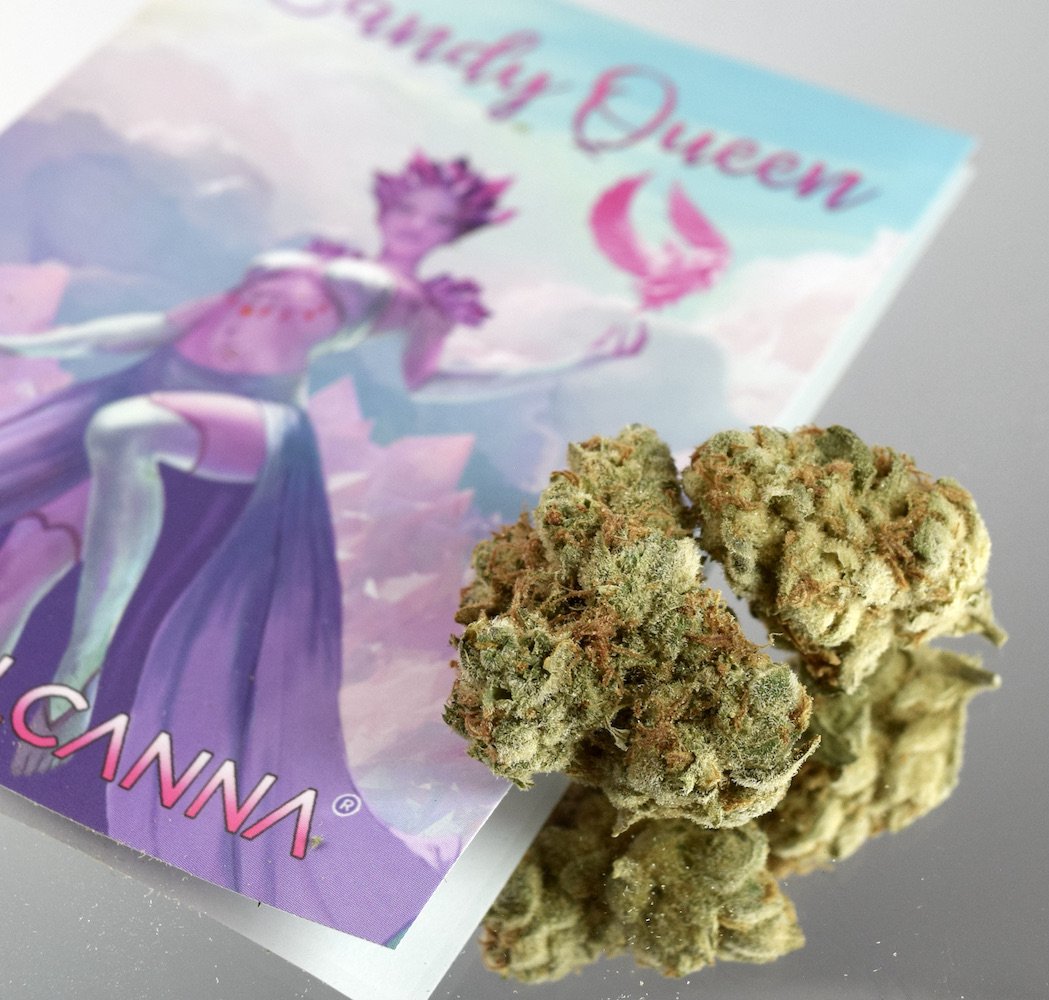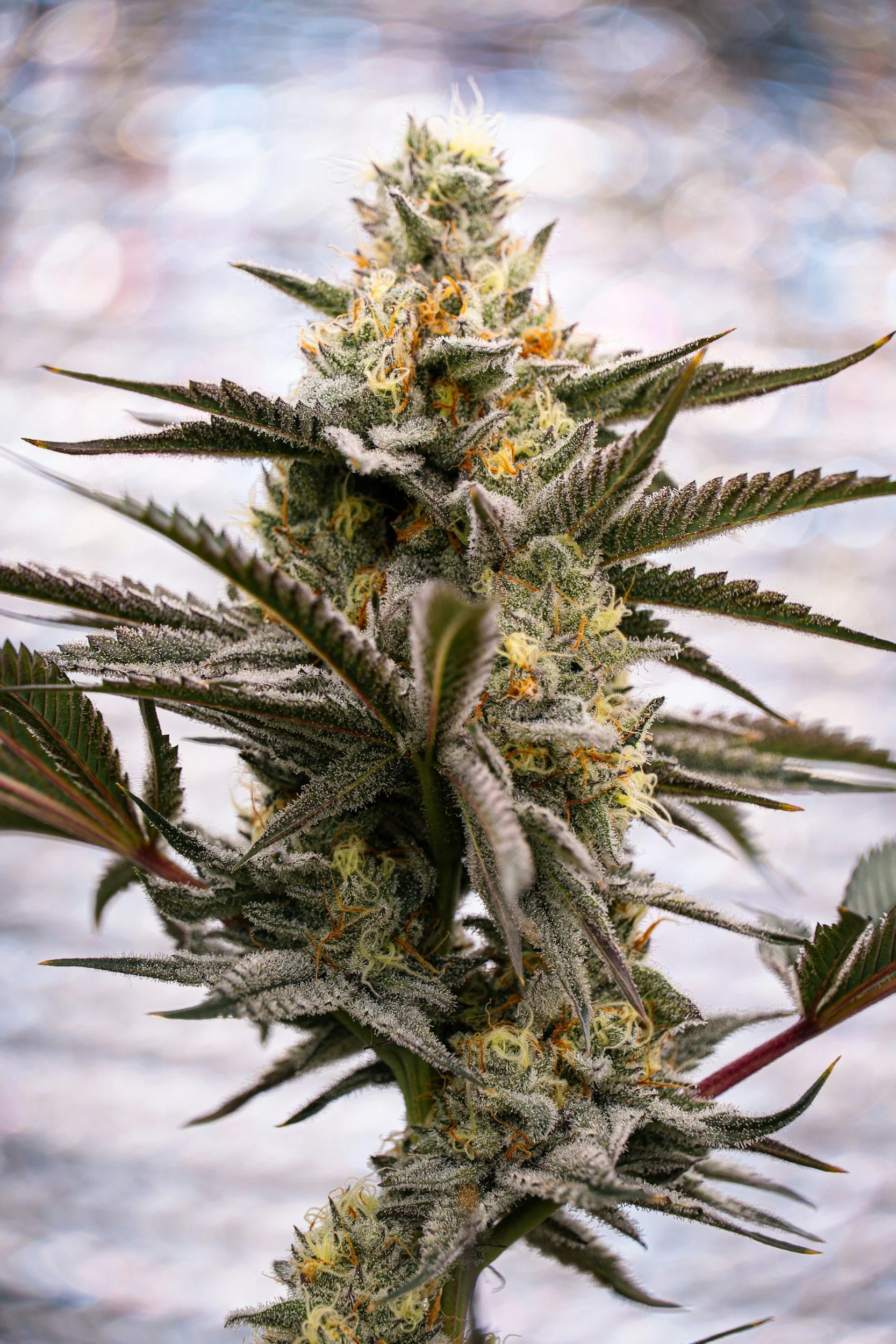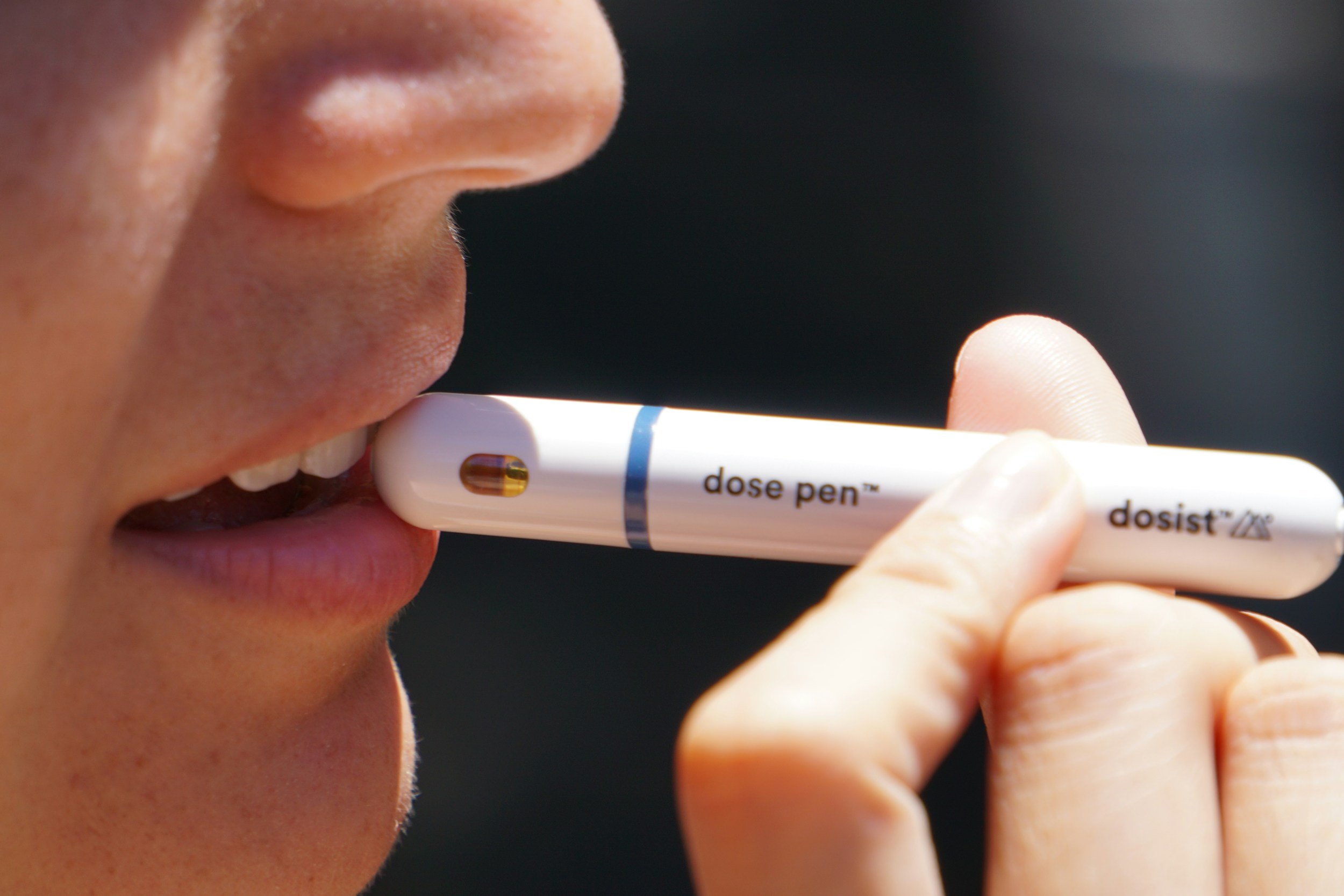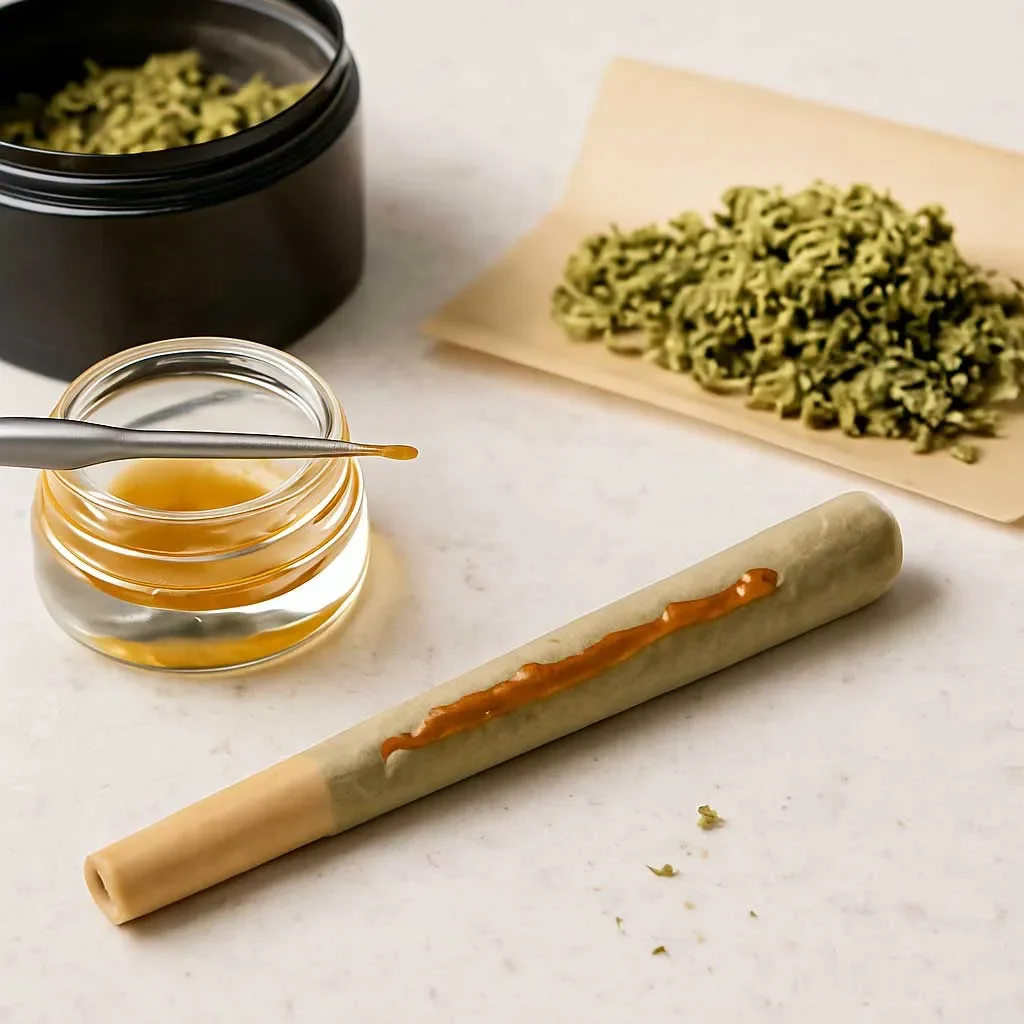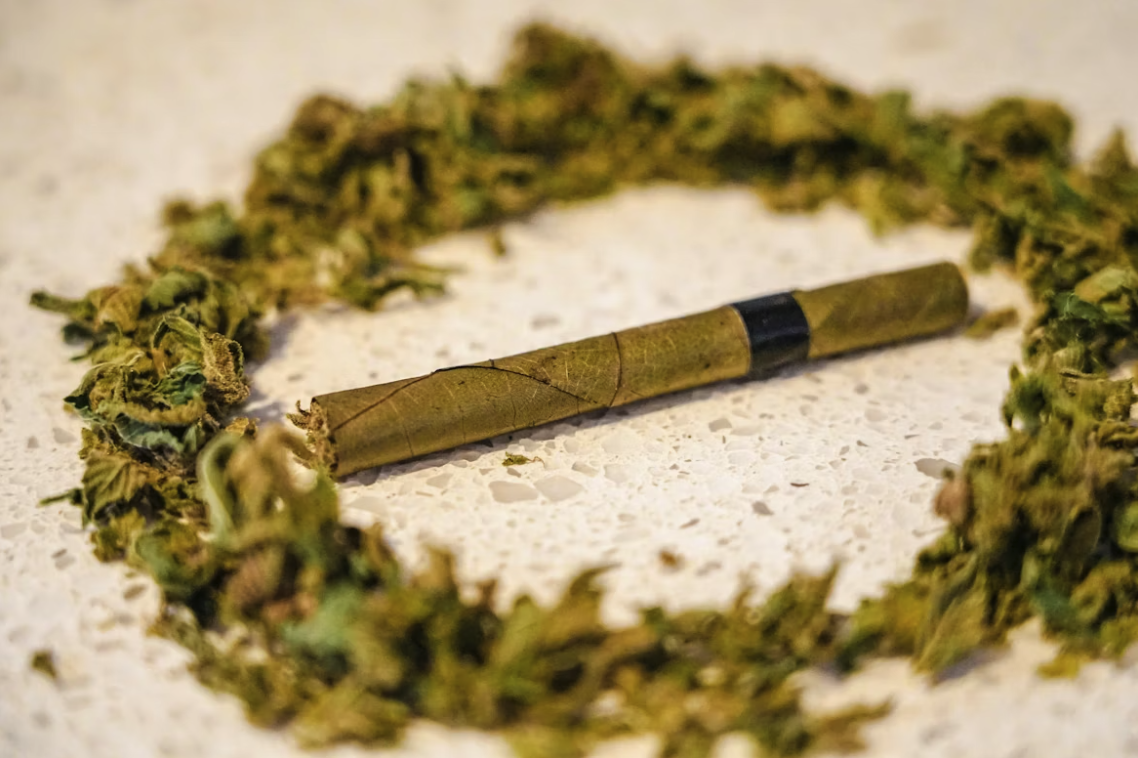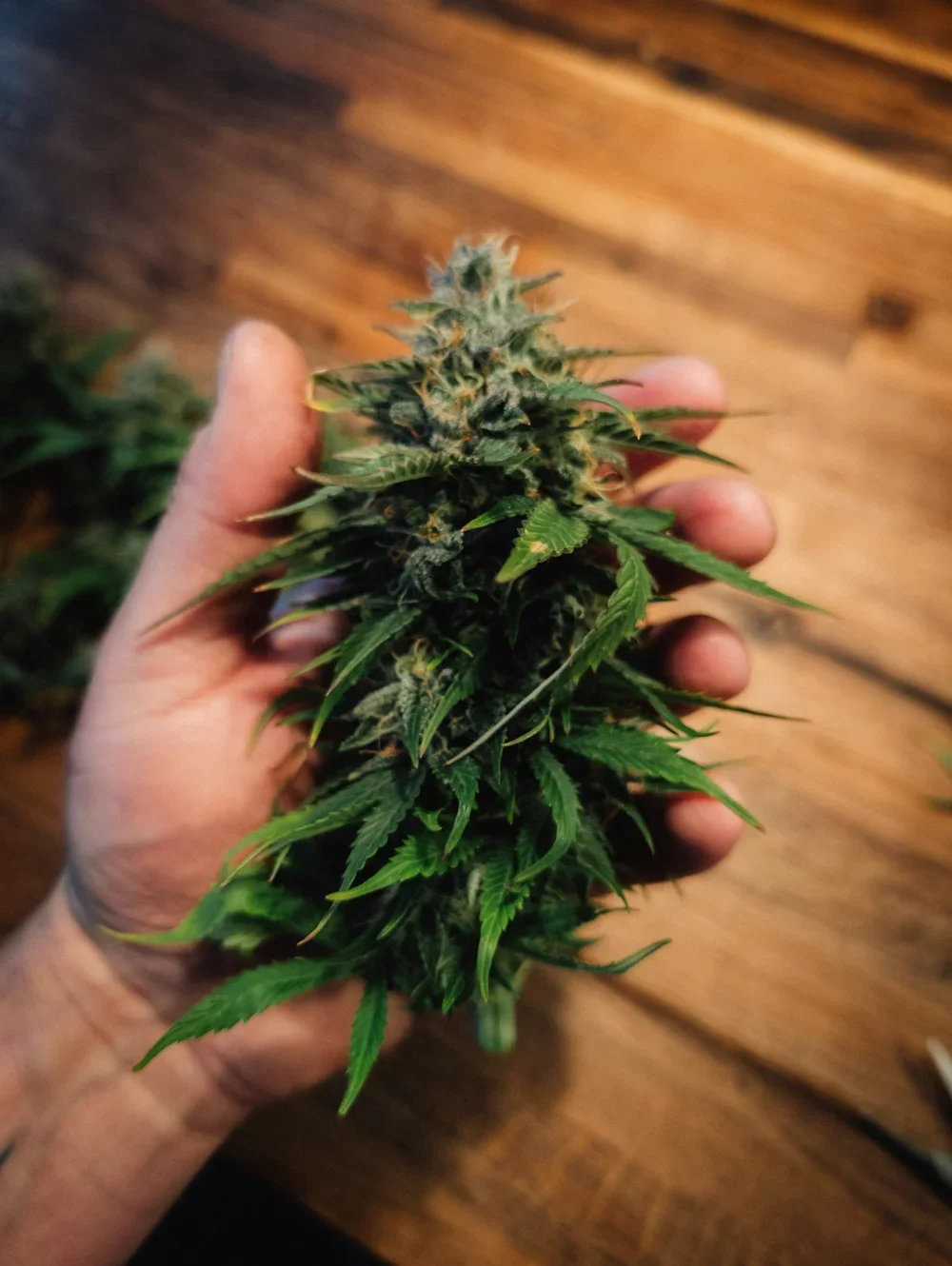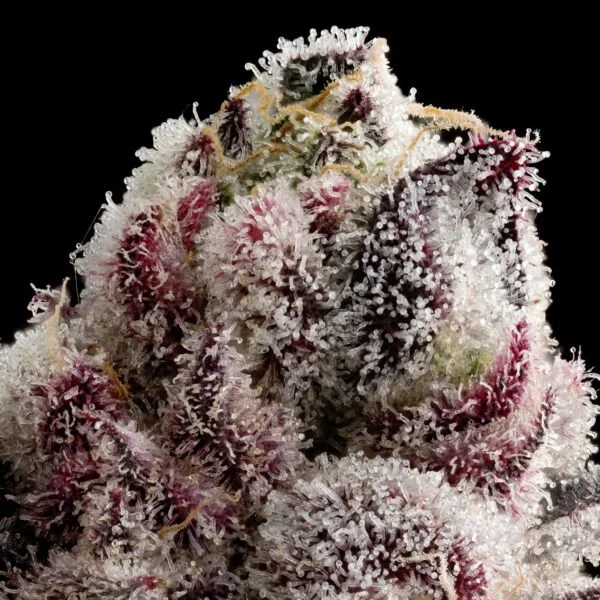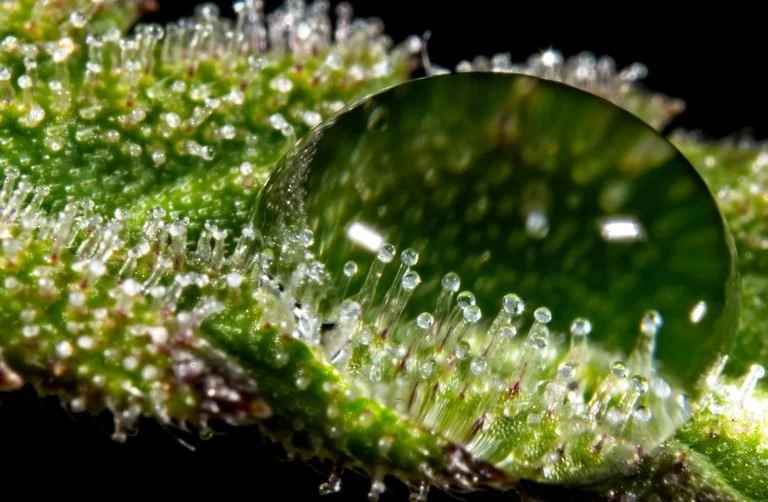
Sticky cannabis flower is usually a sign of healthy trichomes and strong resin production. Trichomes are tiny resin glands that produce cannabinoids and terpenes. When flower feels sticky, it often means those compounds are abundant and intact. This is different from wet or damp cannabis, which can signal poor curing or storage rather than quality.
Read MoreA landrace is a cannabis strain that developed naturally in a specific region of the world without modern crossbreeding. These original genetics shaped what we now call indica and sativa cannabis. While most modern strains are hybrids, landrace strains still matter because they preserve genetic diversity and help explain the real difference between indica and sativa experiences today.
Read MoreYes—modern cannabis is generally more potent than it was a decade ago. Advances in genetics, cultivation, and lab testing have increased THC levels and consistency. But potency alone doesn’t explain why cannabis feels stronger today. Changes in product formats, terpene awareness, and consumer expectations all play a role.
Read MoreMany classic cannabis strains from even 10 years ago have disappeared due to shifting market demand, evolving genetics, and the realities of cloning over time. While modern cannabis is more potent and consistent, genetic drift and commercial pressures mean some beloved strains simply aren’t grown the same way anymore.
Read MoreIn Washington State, all legal cannabis products must pass rigorous laboratory testing before they reach store shelves. These tests verify potency, screen for harmful contaminants like pesticides and heavy metals, and help ensure products are safe, accurately labeled, and consistent. Cannabis testing is one of the most important consumer protections in Washington’s regulated market.
Read MoreLearn how to enjoy cannabis safely and avoid getting “too high”. This guide covers common risks, dosage tips, product differences, and managing side effects. Discover how to start low, go slow, and use lab-tested edibles, tinctures, and flower from Hashtag Redmond for a safe, enjoyable cannabis experience every time.
Read MoreCannabis consumers and enthusiasts are increasingly turning to generative AI tools, like ChatGPT and other AI chatbots, to learn about strains, products, consumption methods, and the science behind cannabis. These tools provide fast, personalized, and interactive answers, helping both beginners and seasoned users make informed decisions in Washington’s rapidly growing cannabis market.
Read MoreCannabis is emerging as a fitness ally, with CBD supporting recovery by reducing inflammation, soothing sore muscles, and promoting sleep, while low-dose THC can relieve pain, relax muscles, and boost motivation. Athletes use topicals, tinctures, edibles, and microdoses to safely enhance workouts, recovery, and overall performance.
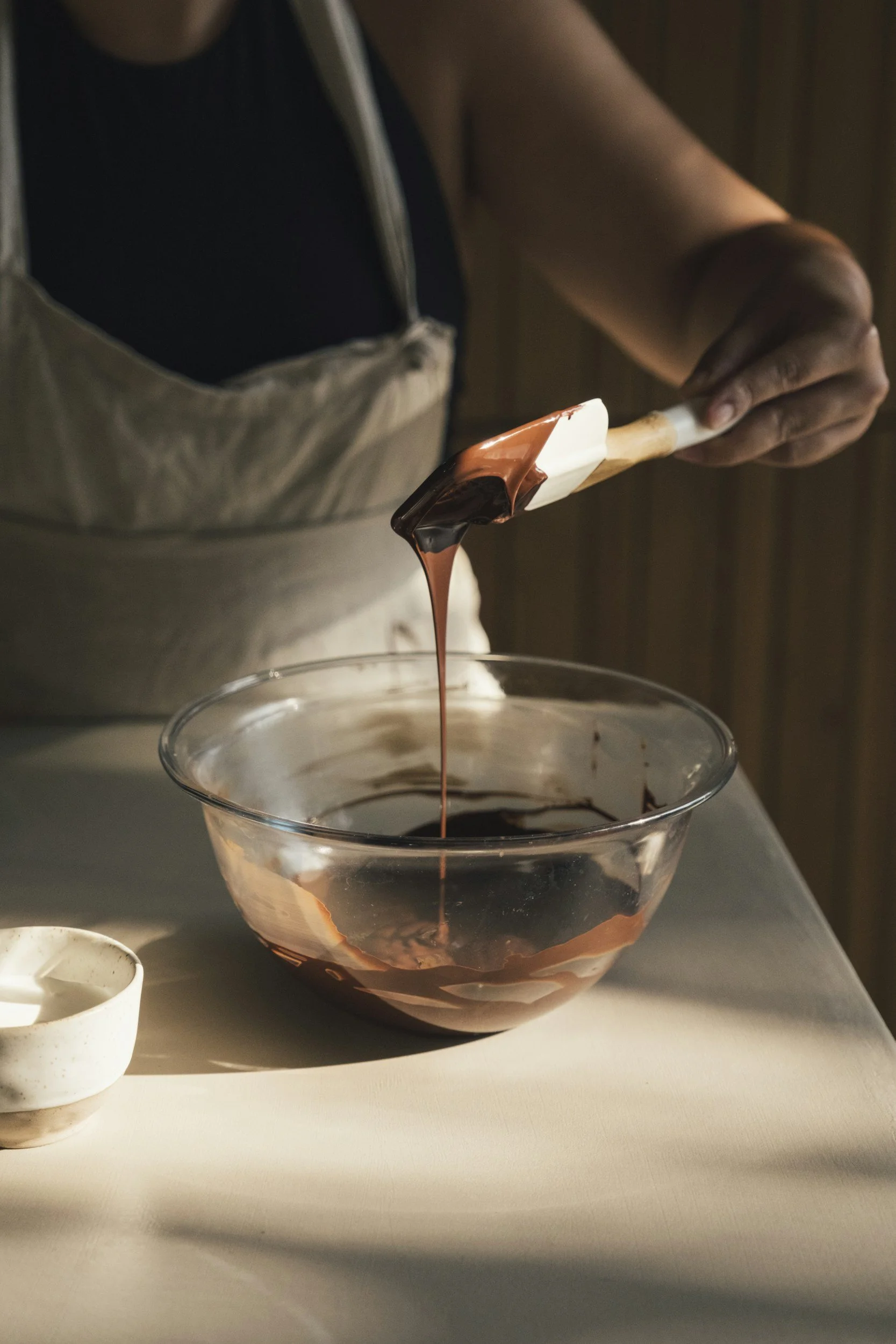
Read MoreMaster the art of making cannabis edibles at home. Learn how to choose the right strains, decarboxylate properly, infuse oils, and control doses for safe, delicious results. This guide also covers flavor tips, common mistakes, and dispensary-grade products to help you create consistent, effective edibles every time.
Read MoreA cannabis cola is the main cluster of buds that forms at the top of a female cannabis plant. It contains the highest concentration of trichomes, cannabinoids, and terpenes, making it the most potent and valuable part of the plant. Growers often use training techniques to create multiple colas for bigger yields and higher-quality flower.
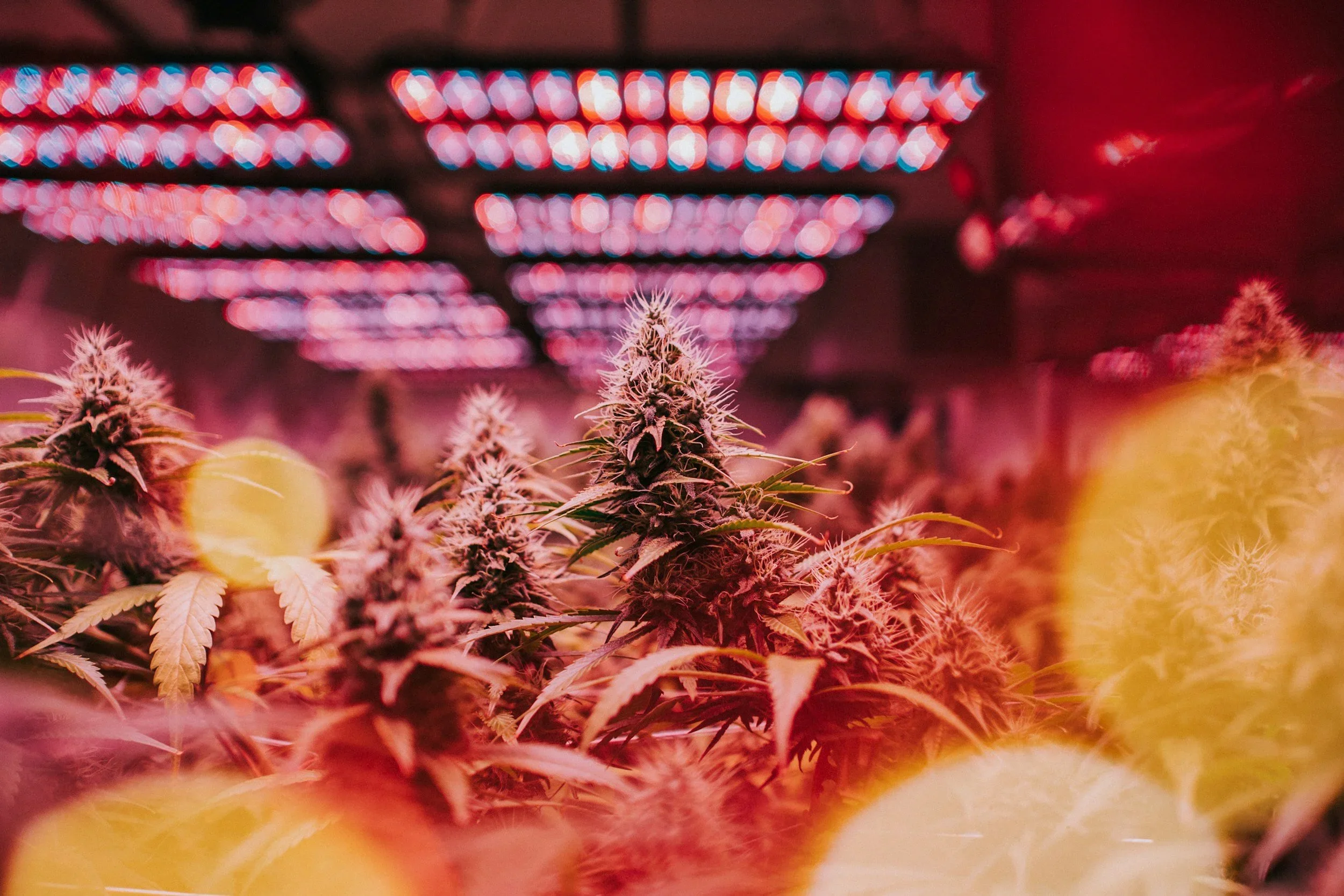
Read MoreClimate change is not a distant threat — it's actively reshaping indoor cannabis cultivation. From skyrocketing energy demands to shifts in temperature, humidity, and CO₂, growers are being pushed to innovate or adapt. Forward-thinking cannabis growers will help to define the future of a more sustainable cannabis industry. For consumers and cultivators alike, this is a moment to pay attention: the way weed is grown today may not be how it's grown tomorrow.
Read MoreWashington was one of the earliest states to legalize medical marijuana. Beginning with grassroots patient activism in the 1990s, the state built a system that expanded access, improved safety, and eventually laid the foundation for today’s regulated cannabis market. Understanding this history helps consumers appreciate how medical and recreational cannabis evolved in Washington.
Read MoreFull-melt hash and premium rosin are rare, craft-focused cannabis concentrates made without solvents. They start with trichome-rich, carefully selected flower, and only the best trichomes produce the cannabinoids, terpenes, and flavorants that define these products. True full-melt hash is labor-intensive and small-batch, making it highly sought after. These concentrates are prized for their clean, flavorful, and potent experience, which preserves the plant’s natural aroma, taste, and character. Proper handling, harvest timing, and low-temperature consumption maximize their unique qualities.
Read MoreCannabis may improve sleep by helping users fall asleep faster, increasing deep rest, and easing anxiety or pain. THC can promote drowsiness but may reduce REM sleep, while CBD helps calm the mind and body. Terpenes like myrcene and linalool add sedative effects. Results vary, but mindful use can make cannabis a helpful sleep aid.
Read MoreMicrodosing THC means taking very small doses—usually 1–5 mg—to gain benefits like reduced stress, pain relief, better focus, or improved sleep without feeling “high.” Popular methods include low-dose edibles, tinctures, or measured vape puffs. This balanced approach lets users enjoy cannabis’s therapeutic effects while staying clear-headed and functional.
Read MoreMicrodosing cannabis with edibles means taking small, precise doses—usually 1–5 mg of THC—for subtle effects without feeling high. It can ease stress, pain, and insomnia while improving focus and mood. Edibles offer consistent, long-lasting relief, and at Hashtag Redmond, all Hashtag Certified products are vetted for safety, quality, and effectiveness.
Read MoreCannabis has long been linked to witchcraft and spirituality—from ancient rituals in India and pagan Europe to modern wellness practices. Once used in sacred ceremonies and later feared during the witch trials, cannabis is now being reclaimed as a symbol of healing, intuition, and connection to nature—a “witch’s herb” with deep cultural roots.
Read MoreCannabis edibles are popular for managing pain, nausea, appetite loss, and insomnia. They offer precise microdosing at low levels and extended relief lasting 6–8 hours at higher doses. While clinical studies show benefits for pain and chemotherapy-related nausea, patients also report consistent, discreet, and long-lasting relief from edibles.
Read MoreMedical marijuana requires a doctor’s approval and offers patients lower taxes, higher purchase limits, and legal protections. Recreational cannabis is available to adults 21+ without a medical card but may have higher taxes and more restrictions. Know your state laws to choose the option that best fits your needs.
Read MoreTHC is psychoactive and best for pain, sleep, and relaxation. CBD is non-intoxicating and ideal for stress, inflammation, and wellness. Choose THC for a stronger effect or CBD for relief without the high. You can also use both together for balanced benefits, depending on your needs and sensitivity.
Read More