
The Entourage Effect Explained: Why Cannabis Compounds Work Better Together
By Jeff Eckenrode
Image credit: Elle Cartier
Quick Answer: The entourage effect is the evidence-based theory that cannabinoids, terpenes and other cannabis compounds work better together than in isolation. Instead of THC or CBD acting alone, the plant’s full chemical profile may interact with the body’s endocannabinoid system to shape a more balanced, nuanced experience.
If THC is the lead singer, the entourage effect is the full band.
Cannabis is not just one compound. It is a complex plant made up of cannabinoids, terpenes and flavonoids that interact in ways we are still learning to understand.
The entourage effect suggests these compounds may enhance or influence one another, creating effects that feel different from isolated THC or CBD alone.
So what is the entourage effect?
How does it work?
And why does it matter for you when you’re making your next cannabis purchasing decision?
Image credit: Eir Health
What Is the Entourage Effect?
The entourage effect is a theory that cannabis compounds work synergistically. That means the combined effect of multiple compounds may be greater or more balanced than any single compound on its own.
Instead of thinking about cannabis as “THC percentage,” the entourage effect encourages us to look at the full chemical profile.
This includes:
Major cannabinoids like THC and CBD
Minor cannabinoids like CBG, CBC and THCV
Aromatic compounds called terpenes
Other plant compounds such as flavonoids
Together, these compounds may shape how cannabis feels in the body and mind.

Image credit: Dan Dimmock
Where Did the Term Come From?
The phrase “entourage effect” was first introduced in 1998 by Israeli researchers studying how endogenous cannabinoids function in the body.
Their work suggested that certain compounds enhanced the activity of others, laying the foundation for how we think about whole plant cannabis today.
Since then, the concept has become central to discussions about full spectrum extracts and strain specific experiences.
Image credit: sai pixels
How the Entourage Effect Works
To understand the entourage effect, we need to talk about the endocannabinoid system (ECS).
The ECS is a regulatory network in the body that helps maintain balance in areas such as:
Mood
Sleep
Appetite
Pain perception
Immune response
Cannabinoids bind to or influence ECS receptors known as CB1 and CB2. But they do not all interact in the same way.
For example:
THC strongly binds to CB1 receptors, producing psychoactive effects
CBD interacts more indirectly and may moderate THC’s intensity
THCV may reduce or alter THC’s impact at certain doses
When these compounds are present together, the overall effect can shift.

THC Alone vs Full Spectrum Cannabis
A simple way to understand the entourage effect is to compare:
Isolated THC
High potency, direct psychoactive effect, limited compound diversity
Full spectrum extract or whole flower
Contains THC plus additional cannabinoids and terpenes that may modify the experience
Many consumers report that full spectrum products feel:
More balanced
More layered
Less sharp or one dimensional
More strain specific
While research is ongoing, this lived experience has helped drive demand for full spectrum and live resin products.
Image credit: Elsa Olofsson
The Role of Terpenes in the Entourage Effect
Terpenes are aromatic compounds found in cannabis and many other plants.
They give strains their scent and flavor profiles, such as citrus, pine or diesel.
Common cannabis terpenes include:
Myrcene
Limonene
Pinene
Caryophyllene
Terpenes may:
Influence mood and alertness
Interact with cannabinoid receptors
Modify how THC feels
For example, a strain high in limonene may feel uplifting, while one rich in myrcene may feel more relaxing. The THC percentage might be identical, but the overall experience can differ.
This is the entourage effect in action.
Image credit: Akram Huseyn
Is the Entourage Effect Scientifically Proven?
The entourage effect is widely discussed but still being studied.
Some research supports cannabinoid synergy, particularly between THC and CBD. Other aspects, especially terpene interaction, require more clinical data.
What we know:
Whole plant extracts often produce different effects than isolated compounds
Cannabinoids can influence each other’s receptor activity
Consumer reports consistently describe more nuanced effects from full spectrum products
The research continues, but the concept has become foundational in modern cannabis formulation.
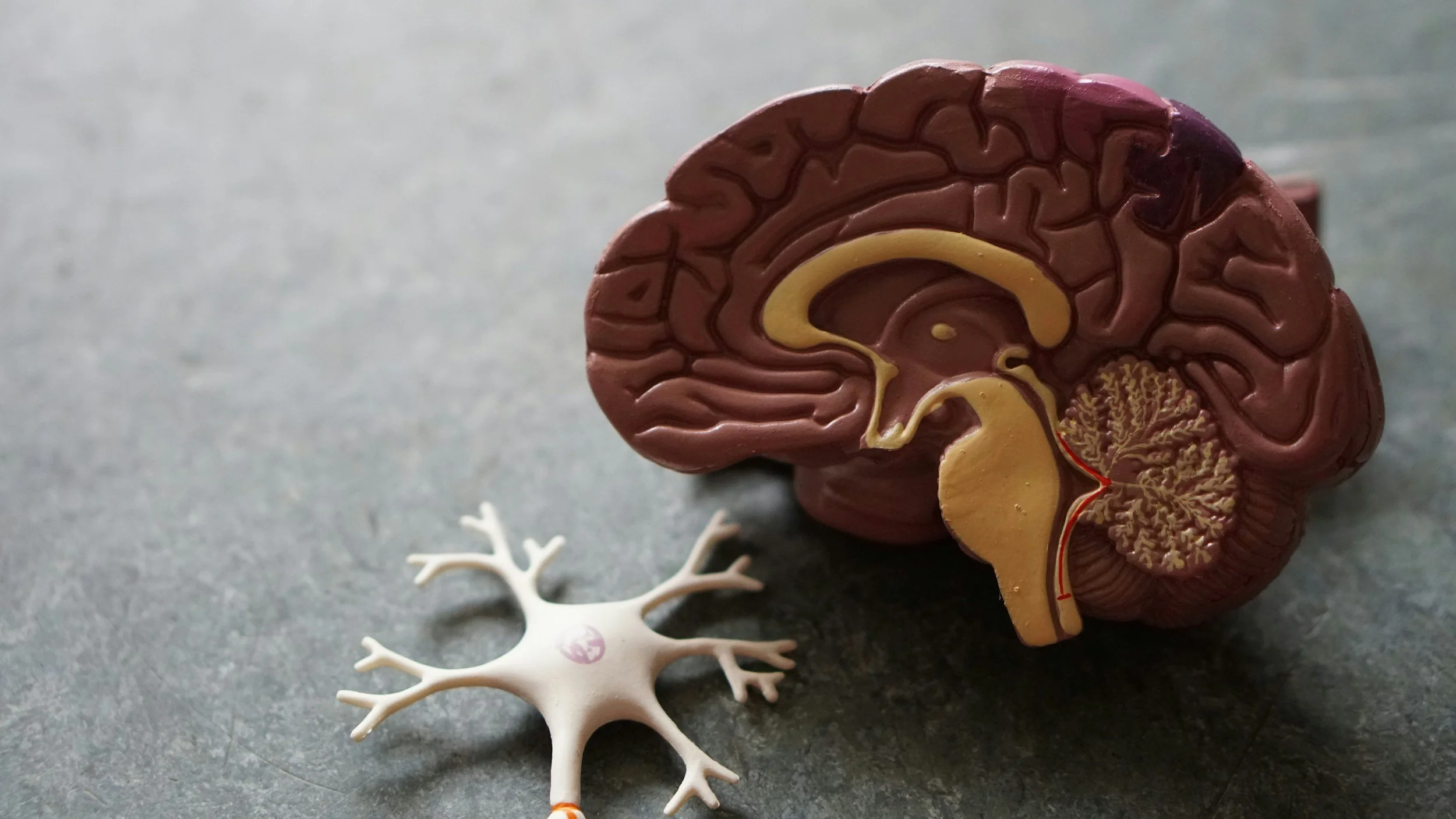
Image credit: Robina Weermeijer
Why the Entourage Effect Matters for You
Understanding the entourage effect helps you:
Look beyond THC percentage
Choose products based on full cannabinoid and terpene profiles
Better predict how a strain may feel
Explore targeted experiences
So instead of asking “How strong is it?” the better question may be “What is in it?”
Where can I find Full Spectrum Cannabis Products?
Whether you’re shopping online or in Redmond, we’re here to help you find what you need, when you need it. That includes cannabis products rich minor cannabinoids and terpenes!
Click on our online menu link below to see our current availability of full spectrum flower, pre roll, vape, edible and concentrate products.
FAQ: The Entourage Effect
What does the entourage effect mean in cannabis?
It refers to the theory that cannabinoids and terpenes work better together than alone, creating a more balanced or enhanced effect.
Is the entourage effect real?
There is scientific evidence supporting cannabinoid interaction, though more research is needed to fully understand terpene synergy.
Does higher THC mean stronger entourage effect?
Not necessarily. The entourage effect depends on the combination of compounds, not just THC percentage.
Do isolates have the entourage effect?
No. Isolates contain a single compound and do not include the additional cannabinoids and terpenes needed for synergy.
Why do two strains with the same THC percentage feel different?
Differences in terpene and minor cannabinoid profiles may influence how each strain interacts with the body.
Want to learn more about cannabis science and plant biology?
Then check out our collection of related posts here!