
What Are Minor Cannabinoids? A Guide to CBG, CBC, THCV & More
By Jeff Eckenrode
Image credit: Sensi Seeds
Quick Answer: Minor cannabinoids are naturally occurring compounds in cannabis found in smaller amounts than THC and CBD. Examples include CBG, CBC, and THCV. While present in lower concentrations, these cannabinoids may influence mood, focus, appetite, and overall effects through the entourage effect. Understanding minor cannabinoids helps consumers choose products more intentionally.
Walk into any dispensary and you’ll likely see THC percentages front and center. CBD usually gets a callout too.
But cannabis contains more than 100 cannabinoids. And many of them, even in smaller amounts, can influence how a product feels.
So what are minor cannabinoids?
And why are people talking more and more about CBG, CBC, and THCV?
Image credit: Elsa Olofsson
What Are Minor Cannabinoids?
Minor cannabinoids (aka “rare cannabinoids”) are cannabinoids that occur in lower concentrations compared to THC and CBD.
THC and CBD are often called major cannabinoids because they are typically present in higher amounts in most modern cannabis cultivars. Minor cannabinoids, on the other hand, usually appear in trace or small percentages.
That does not mean they are unimportant.
Even small amounts of cannabinoids may contribute to what researchers call the entourage effect. This concept suggests cannabinoids and terpenes work together to shape the overall experience.
In other words, minor cannabinoids can help explain why two strains with similar THC levels feel completely different.
Image credit: Teanna Morgan
Why Minor Cannabinoids Matter
Many cannabis consumers tend to focus on THC percentage alone. But potency does not tell the whole story.
Minor cannabinoids may influence:
Mental clarity
Mood balance
Energy levels
Appetite response
Overall body sensation
As lab testing has become more advanced, dispensary menus now list more than just THC and CBD.
That transparency allows shoppers to look beyond strength and toward effect.
Image credit: Jonathan Cooper
CBG: The “Mother” Cannabinoid
Cannabigerol, or CBG, is often called the mother cannabinoid because many other cannabinoids begin as CBGA in the plant’s early development.
As the plant matures, enzymes convert CBGA into THCA, CBDA, and other compounds.
What does CBG feel like?
Consumers often describe CBG as:
Clear headed
Focused
Balanced
CBG is commonly found in small percentages in most flower, though some cultivars are bred specifically for higher CBG content.
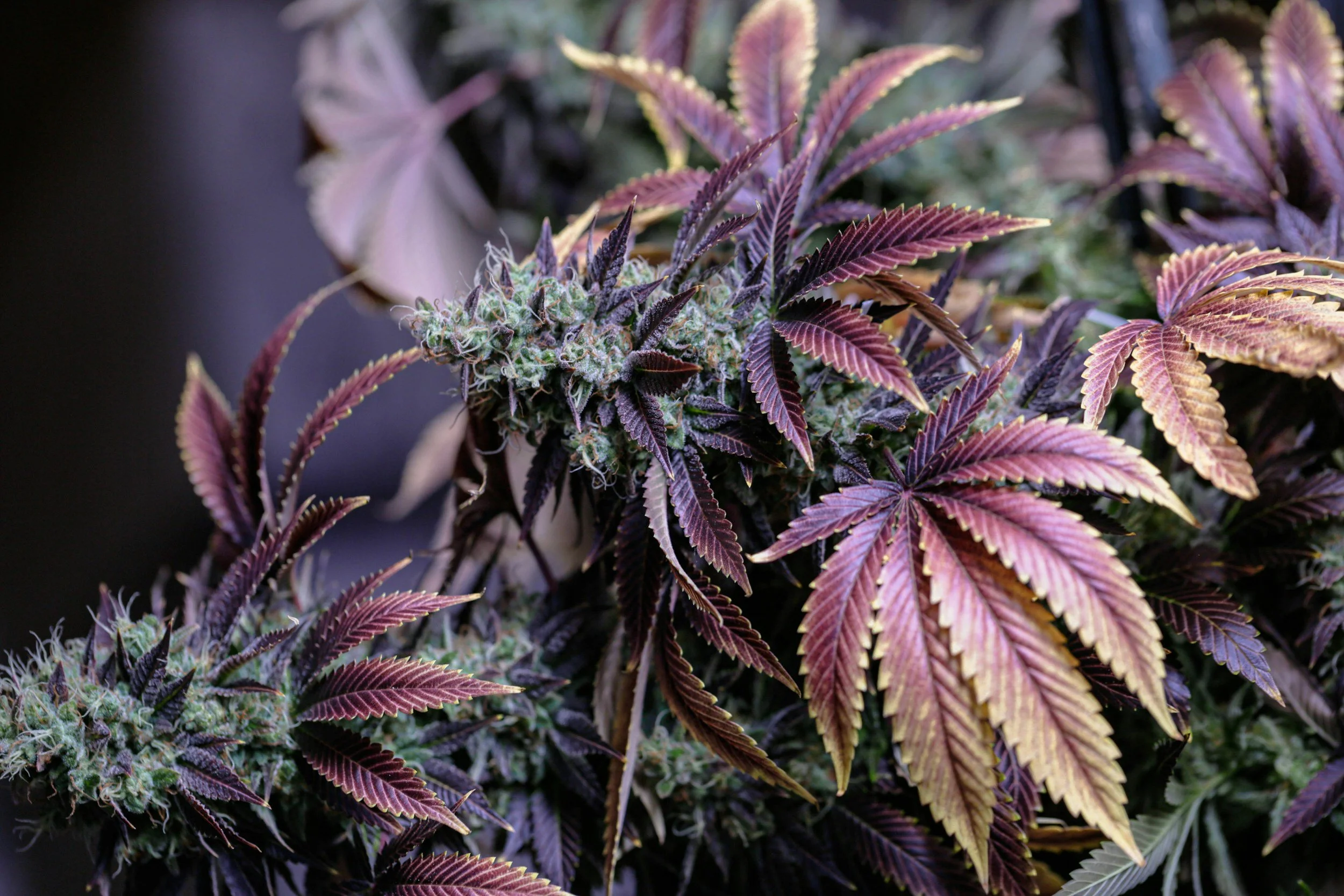
Image credit: Diyahna Lewis
CBC: A Quiet Contributor
Cannabichromene, or CBC, is less discussed but still relevant.
CBC does not produce intoxicating effects like THC. However, it may contribute to mood and overall body experience when present alongside other cannabinoids.
Because it appears in smaller quantities, CBC is usually part of full spectrum products rather than isolated offerings.
THCV: The Energy Cannabinoid?
Tetrahydrocannabivarin, or THCV, has gained attention for its unique properties.
THCV is structurally similar to THC but behaves differently in the body depending on dose. In lower amounts, some consumers report:
Increased alertness
Shorter duration of effects
Reduced appetite
THCV appears more commonly in certain African landrace sativa genetics and some modern hybrids bred to enhance its presence.
Image credit: Grav
How Are Minor Cannabinoids Different From THC and CBD?
THC is known for intoxicating effects. CBD is known for non-intoxicating balance.
Minor cannabinoids differ in three main ways:
Concentration: They are usually present in smaller amounts.
Effect nuance: They often influence subtle aspects of the experience rather than dominating it.
Availability: Many products still prioritize THC, though this is changing as breeding evolves.
When combined, these compounds create layered effects that go beyond a single percentage number.

Where can I find Minor Cannabinoid Products?
Whether you’re shopping online or in Redmond, we’re here to help you find what you need, when you need it. That includes cannabis products with minor cannabinoids!
Currently we carry a wide variety of rare cannabinoid vapes by Passion Flower.
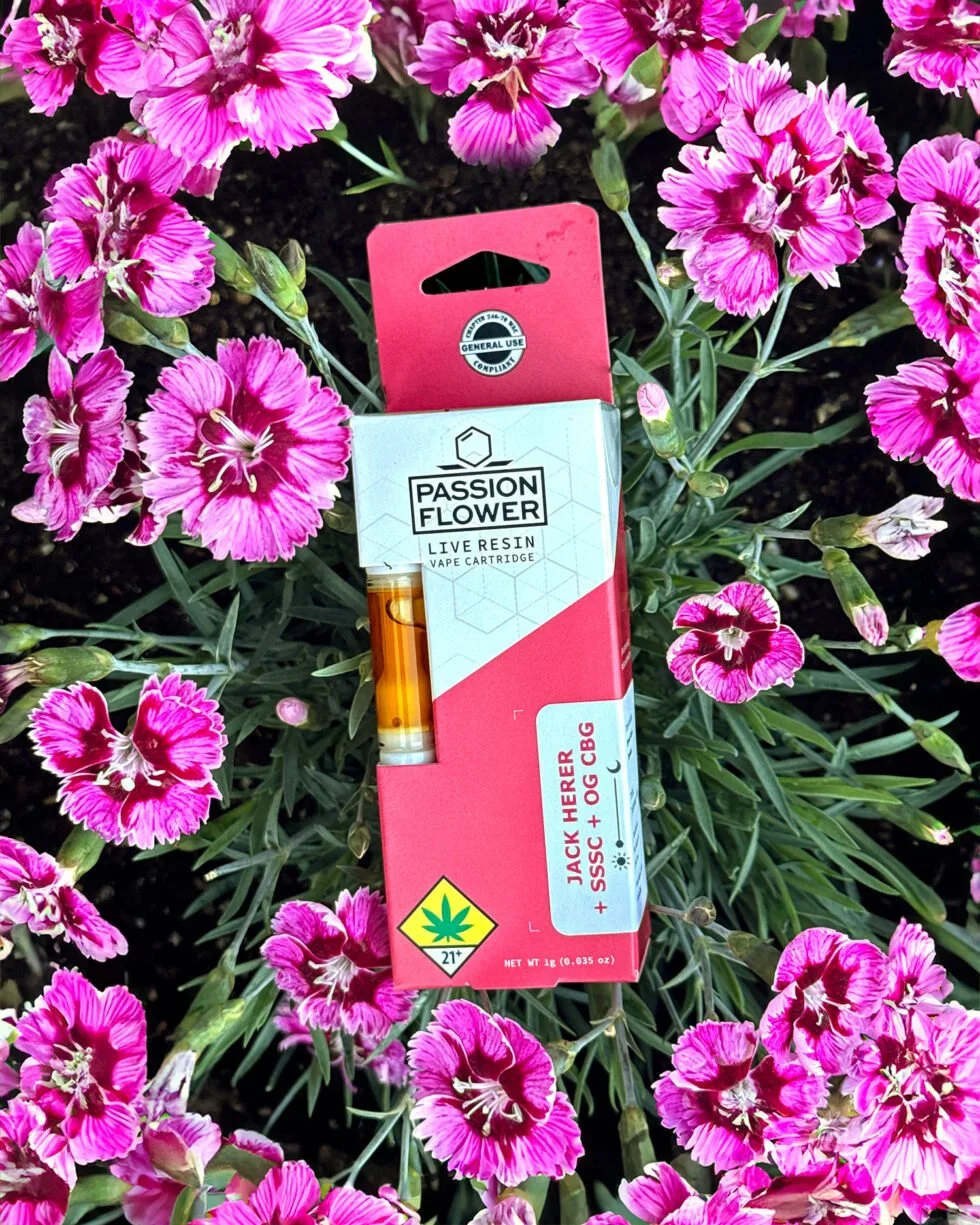
Image credit: Passion Flower
What makes Passion Flower Special?
Passion Flower by Fairwinds is dedicated to creating clean, premium, wellness-oriented products for everyday use.
That’s why they blend pesticide-free flower, innovative extraction and thoughtful product design to deliver flavorful & predictable cannabis experiences designed to meet the demands of everyday life.
Using Fairwinds’ advanced PHO process, Passion Flowers live resin rare-cannabinoid vapes deliver smooth, true-to-flower experiences with no artificial or botanical additives.
Available in THC, CBG and CBN options, it's easy to find an experience tailor-made for your next cannabis journey.
Want to learn more? Visit their website at: https://passionflowerwa.com/
Want to buy some today? Click on our online menu link below to see our current availability.
FAQ Minor Cannabinoids
What are minor cannabinoids and why do they matter?
Minor cannabinoids are naturally occurring compounds in the cannabis plant that appear in smaller concentrations than THC and CBD — which is why those two are called "major" cannabinoids. But smaller quantity doesn't mean smaller importance. Cannabis contains more than 100 cannabinoids, and many of them contribute to what researchers call the entourage effect — the idea that cannabinoids and terpenes work together to shape the overall experience rather than each operating independently. This is why two strains with nearly identical THC percentages can feel completely different. Minor cannabinoids like CBG, CBC, and THCV help explain that difference.
What is CBG and what does it feel like?
CBG stands for cannabigerol, and it's often called the "mother cannabinoid" for good reason — in the cannabis plant's early development, most other cannabinoids begin as CBGA before enzymes convert it into THCA, CBDA, and other compounds. CBG is generally considered non-intoxicating, meaning it won't produce the psychoactive effects associated with THC. Consumers who seek out CBG-forward products most commonly describe the experience as clear-headed, focused, and mentally balanced — making it a popular option for daytime use or situations where you want the benefits of cannabis without feeling impaired. Some modern cultivars are now specifically bred to produce higher CBG content.
What is THCV and how is it different from regular THC?
THCV — tetrahydrocannabivarin — is structurally similar to THC but behaves quite differently in the body. At lower doses, THCV is associated with increased alertness, shorter-duration effects, and notably, reduced appetite — which is the opposite of the munchies most people associate with THC. At higher doses its effects become more THC-like, but most consumers encounter it in the lower-dose range through full-spectrum products. THCV appears more commonly in certain African landrace sativa genetics — like those found in Durban Poison — and in modern hybrids selectively bred to enhance its presence. For consumers looking for energizing, appetite-neutral experiences, THCV is worth paying attention to.
What is CBC and how does it contribute to the cannabis experience?
CBC stands for cannabichromene, and it's one of the quieter members of the minor cannabinoid family — not widely discussed, but still meaningful. CBC is non-intoxicating on its own and doesn't produce the psychoactive effects associated with THC. Its main contribution appears to be in supporting mood and overall body sensation when it works in concert with other cannabinoids in full-spectrum products. Because CBC appears in particularly small quantities, you're most likely to encounter it in full-spectrum flower, live resin products, or whole-plant extracts rather than in isolated or distillate-based products.
How do I find out what minor cannabinoids are in a cannabis product?
Washington's regulated cannabis market requires lab testing for all products, which means cannabinoid profiles are available for most flower and concentrate products sold at licensed dispensaries. Look for the Certificate of Analysis (COA) on packaging or ask your budtender — many dispensaries including Hashtag can pull up detailed lab results showing THC, CBD, CBG, CBC, THCV, and other cannabinoids. As testing technology has improved, more of this data is now visible directly on dispensary menus. If minor cannabinoids are a priority for your experience, looking beyond the THC percentage and into the full cannabinoid panel is the way to shop more intentionally.
What cannabis products are best for experiencing minor cannabinoids?
Full-spectrum products are your best bet — these preserve the complete cannabinoid and terpene profile of the original plant rather than isolating just THC or CBD. Full-spectrum flower, live resin concentrates, and live resin vapes all retain minor cannabinoids in their natural ratios. Passion Flower by Fairwinds takes this a step further with their PHO-extracted live resin rare-cannabinoid vapes, available in THC, CBG, and CBN options — specifically designed to deliver those minor cannabinoid experiences in a clean, predictable format. Distillate-based products, by contrast, are typically stripped of minor cannabinoids during processing, so they're less useful for exploring the entourage effect.
Want to learn more about cannabinoids and cannabis science?
Then check out our collection of related posts here!