
DIY Cannabis-Infused Cooking: Safety, Recipes & Tips
By Jeff Eckenrode
Image credit: Mae Mu
Quick Answer: Making your own edibles at home gives you control over potency, ingredients, and effects. Whether you use flower, kief, tincture, or RSO cannabis, understanding proper infusion methods and precise dosing is key to safe, enjoyable edibles. With simple steps, smart techniques, and careful measurement, you can create consistent cannabis-infused food at home.
Cannabis-infused cooking remains one of the most rewarding ways to enjoy cannabis.
From lazy kief brownies to infused butter & coconut oil, making your own edibles lets you choose flavors, customize doses, and avoid additives and allergens commonly found in packaged products.
Want to grow your skills in the kitchen and make edibles that are safer, tastier, and better suited to your own experience level?
Then you, my friend, have come to the right place.
Image credit: Jimmy Dean
Why Make Your Own Edibles?
Homemade edibles offer benefits that go beyond saving money.
But knowing how and where to start can be a real challenge. Even experienced cooks are often left scratching their heads when it comes to dosing and infusing their cooking with cannabis.
That’s why many people ask: what’s the best way to make your own edibles?
And lucky for you, we’ve got the answers you’re looking for!
So how do you make your own edibles?
How do you figure out what does is the right amount for you?
And how can you get started without a bunch of fancy equipment or experience?
Image credit: Calum Lewis
Precision You Can’t Get From Store Shelves
When you cook your own, you decide how much (or how little) cannabis goes into every bite. Retail edibles must follow standard dosing guidelines and limits, but home cooks can create microdoses for gentle effects or larger doses for stronger experiences.
Control Over Ingredients and Flavor
You choose the base ingredients. Infusing olive oil for pasta or coconut oil for baking lets you match cannabis with your favorite foods. Homemade options also avoid preservatives and artificial flavors.
Ability to Customize Potency
Not everyone wants the same strength. Some enjoy 2.5 to 5 milligrams per serving. Others prefer 10 milligrams or more. With the right technique, you set the potency instead of guessing based on package labels.
Image credit: João Pedro Freitas
How Edibles Work and Why Dosing Matters
Edibles affect your body differently than smoking or vaping.
When you ingest cannabis, your liver converts THC into a compound that increases potency and lengthens the duration of effects.
This is why why is dosing your own edibles important?:
inconsistent dosing can lead to overconsumption, anxiety, and uncomfortable experiences.
So taking the time to calculate doses helps you avoid surprises and enjoy a more predictable experience.
What Ingredients Work Best for Infusion?
When home cooks consider how can I make edibles safely and easily?, the choice of cannabis material matters.
Flower
Flower is the most common starting point. It contains full-spectrum cannabinoids and terpenes that help deliver well-rounded effects.
Pros:
Full plant representation
Great aroma and flavor potential
Widely affordable
Cons:
Must be decarboxylated
Herbal taste if not strained fully
To use flower, it first needs to be activated through decarboxylation (baking at low temp to activate THC). Once activated, it can be infused into fat like butter or oil. Learn more here: How to Make Cannabis Infused Butter
Kief
Kief is a collection of the resinous trichomes shaken off flower. It is more potent than raw bud but still manageable for infusion.
Pros:
Higher potency than flower
Simple infusion
Less plant matter
Cons:
Still needs decarboxylation
Stronger effects require careful dosing
Kief works well when you want stronger edibles without large batches of plant material. Here’s a great example of how to use Kief in your baking: Lazy Kief Infused Brownies
Tinctures
Tinctures skip the need for decarboxylation because they are already activated and measured in milligrams.
Pros:
Easy to dose
Flavor mixes well with many recipes
No long infusion time required
Cons:
Some tinctures contain alcohol, which can affect taste
Potency varies by brand
Tinctures are one of the easiest paths for beginners because you pour, measure, and blend directly into recipes. And they are fantastic options for simple recipes like this one: Hashtag’s CBD-Infused Whipped Cream Recipe
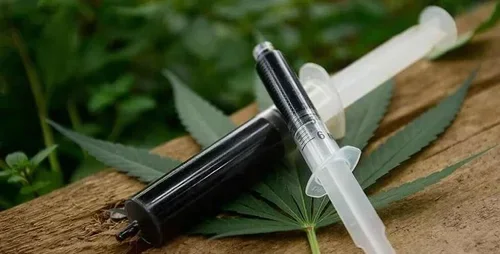
RSO Cannabis
Rick Simpson Oil (RSO) is a very concentrated cannabis extract. A tiny amount delivers a large dose.
Pros:
Cost friendly & efficient
Simple to use
Extremely potent
Cons:
Can produce intense effects
Flavor may be strong
Easy to overdo without careful measurement
RSO works best in recipes where small amounts distribute evenly, like brownies, pesto and even guacamole!
Don’t believe me?
Just check out our previous post: “10 Hashtag Approved RSO Recipes” for proof (and some inspiration, too).
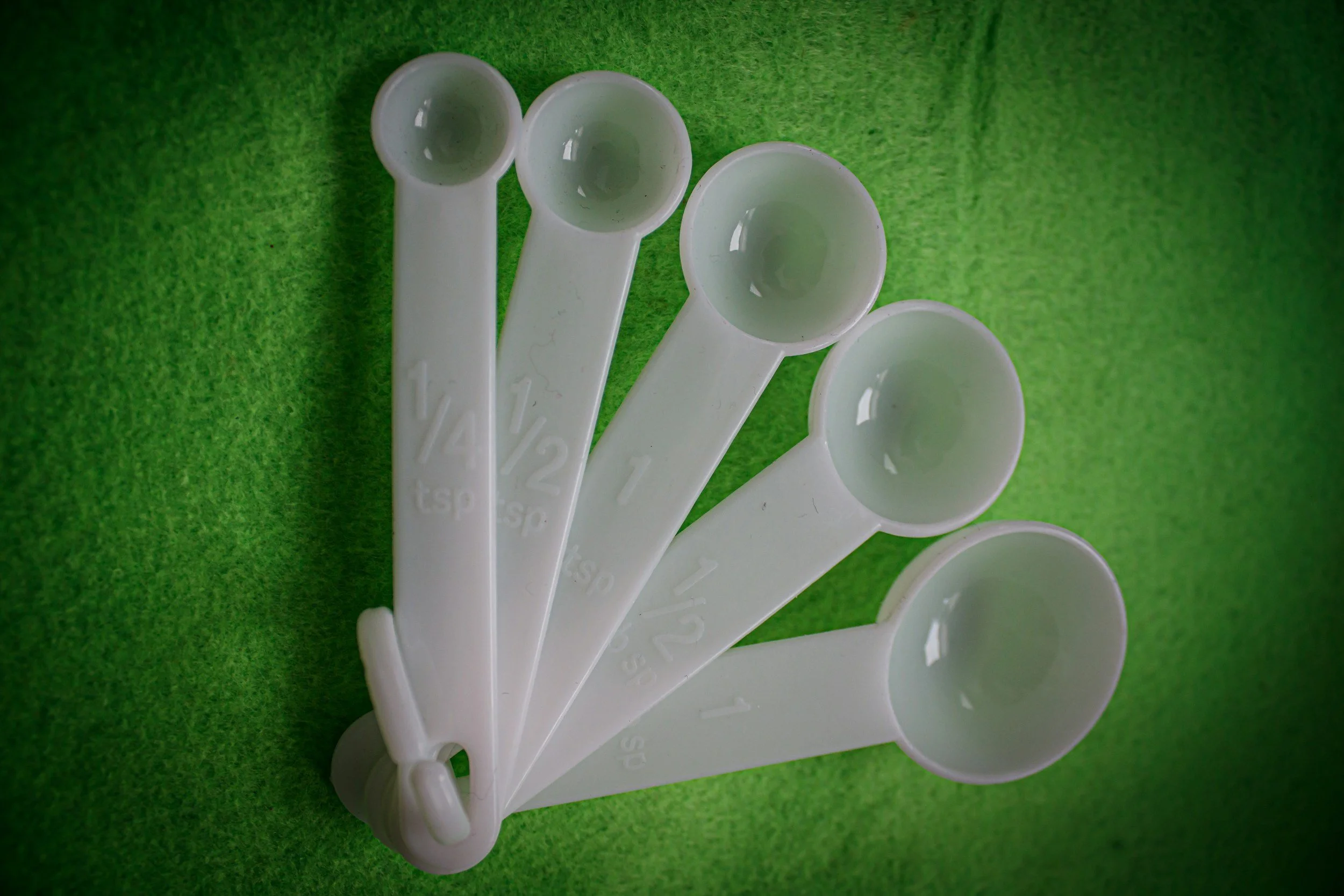
Image credit: Mark Owen Wilkinson Hughes
How to Calculate Serving Size
Here is a simple formula you can follow:
Total THC: Multiply the weight of cannabis by its THC percentage.
Example: 1 gram at 20% = 200 mg THC.Extraction Estimate: Multiply by 0.7 to approximate real infusion.
200 mg × 0.7 = 140 mg intake THC.Divide by Servings: If your recipe makes 14 servings, that equals 10 mg per serving.
Always start low. Many beginners take 2.5 to 5 mg first, then wait up to two hours before consuming more.
Image credit: Or Hakim
Safety Tips Every Home Cook Should Know
Label Everything
Store infused oils and butters in clearly marked jars.
Keep Away From Kids and Pets
Sweet treats look like dessert unless clearly labeled and stored securely.
Temperature Matters
High heat can degrade cannabinoids. Use gentle, consistent heat.
Do Not Mix With Alcohol
Alcohol accelerates absorption and increases effects.
Be Patient With Effects
Edibles take longer to kick in. Avoid re-dosing too soon.
Where can I find Cannabis Products for Cooking?
Whether you’re shopping online or in Redmond, we’re here to help you find what you need, when you need it. That includes cannabis products for cooking!
Click on our online menu link below to see our current availability for Flower, Kief, Tinctures and RSO products.
DIY Edibles FAQ
What’s the easiest way to make edibles at home?
The easiest way to make edibles safely and easily is by using a pre-activated tincture or RSO cannabis. These options skip decarboxylation and allow you to measure exact milligrams before mixing into food.
Do I have to decarb flower before making edibles?
Yes. Raw cannabis flower must be decarboxylated at low heat to activate THC. Without this step, your homemade edibles will not produce the expected effects.
How long do homemade edibles take to kick in?
Most edibles take 30 to 120 minutes to begin working. Effects can last several hours, so it’s important to wait before taking more.
How do I safely dose homemade edibles?
Calculate total THC, estimate infusion efficiency, and divide by servings. Start with 2.5 to 5 milligrams if you are new to edibles. Accurate dosing helps prevent overconsumption and ensures a predictable experience.
Is it cheaper to make your own edibles?
Often, yes. Making your own edibles can lower the cost per serving while giving you more control over ingredients, flavor, and potency.
What’s better for edibles: flower, kief, tincture, or RSO?
Flower offers full-spectrum effects, kief provides higher potency, tinctures are beginner-friendly, and RSO delivers concentrated strength. The best choice depends on your experience level and desired dose control.