
How Is Hydroponic-Grown Cannabis Different from Soil-Grown?
By Jeff Eckenrode
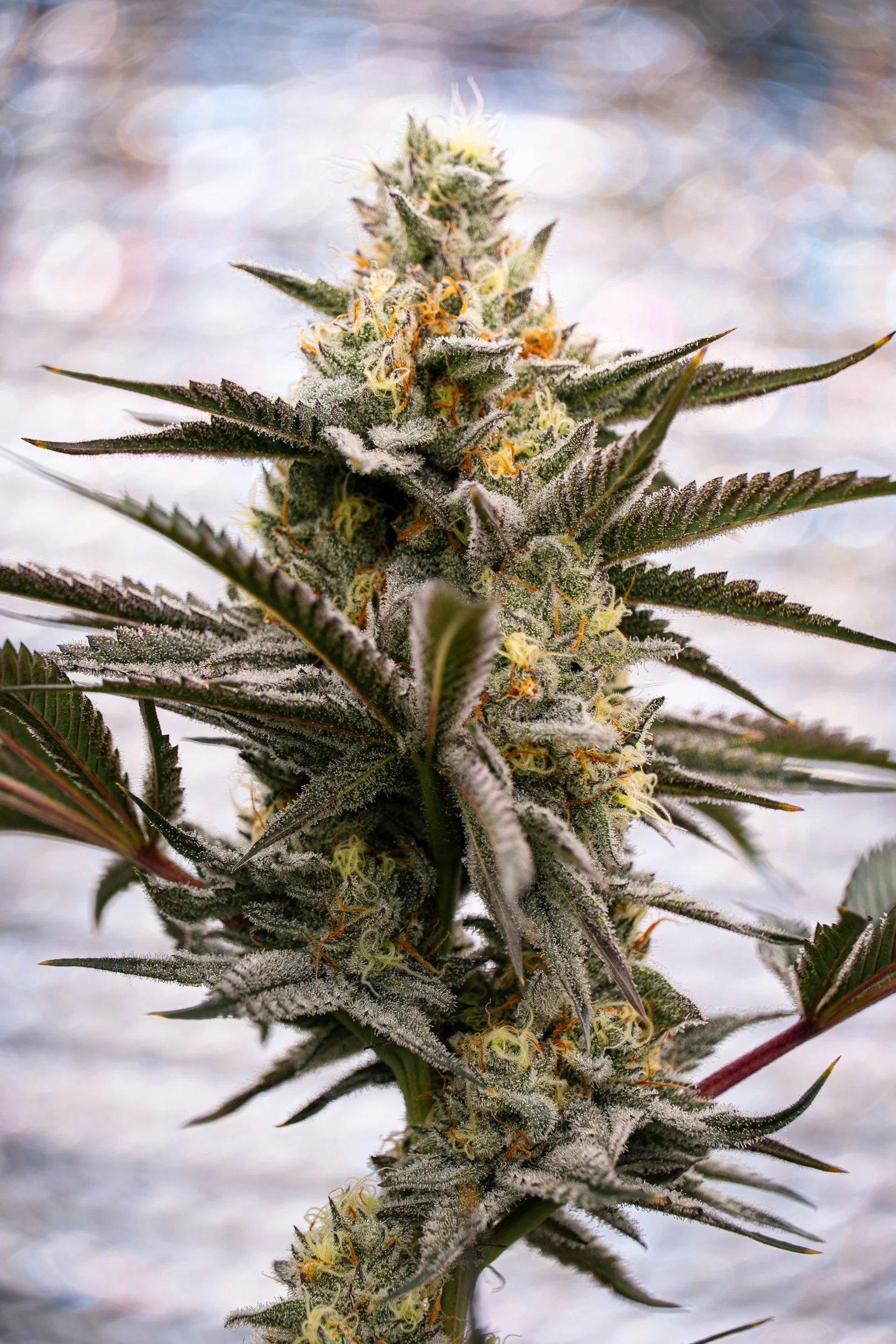
Image credit: Colin redwood
Quick Answer: Hydroponic cannabis grows in a soil-free system, roots fed by a nutrient-rich water solution instead of pulling from organic matter and soil microbes. This allows precise control over feeding, oxygen, and environment. Soil-grown cannabis relies on natural microbial activity. Research suggests genetics and management shape quality more than the medium alone.
Walk into Hashtag Cannabis in Redmond (or any other dispensary, for that matter) and you'll see it on plenty of labels: "hydroponically grown."
Sure, it may sound impressive or, to most first time buyers, mysterious. But what does “hydroponic” actually mean?
And does it really make a difference?
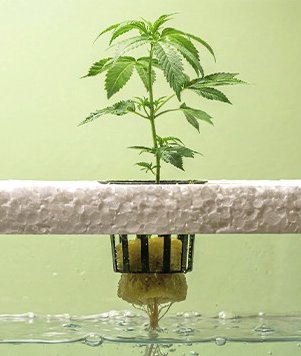
Image credit: Herbie’s
What Hydroponic Growing Actually Means
Hydroponics is the method of growing plants without soil, using water, nutrient solutions, and sometimes a neutral growing medium. The word comes from Greek words meaning "water" and "labor".
In a hydroponic garden, plant roots are suspended in or exposed to a nutrient-rich water solution, often delivered through a growing medium like stonewool (also called rockwool) rather than dirt. Because there's no soil buffering the plant from its environment, growers get direct, real-time control over exactly what the roots receive and when.
That level of control extends beyond just nutrients. Temperature, humidity, CO2, and light can all be dialed in and adjusted throughout the grow cycle, almost like a chef controlling every variable in a recipe rather than leaving anything to chance.
Research on the environmental factors that shape cannabinoid production suggests that indoor, controlled cultivation generally offers more consistency than field growing, since so many of the variables that would otherwise be left to weather and season can instead be managed directly.
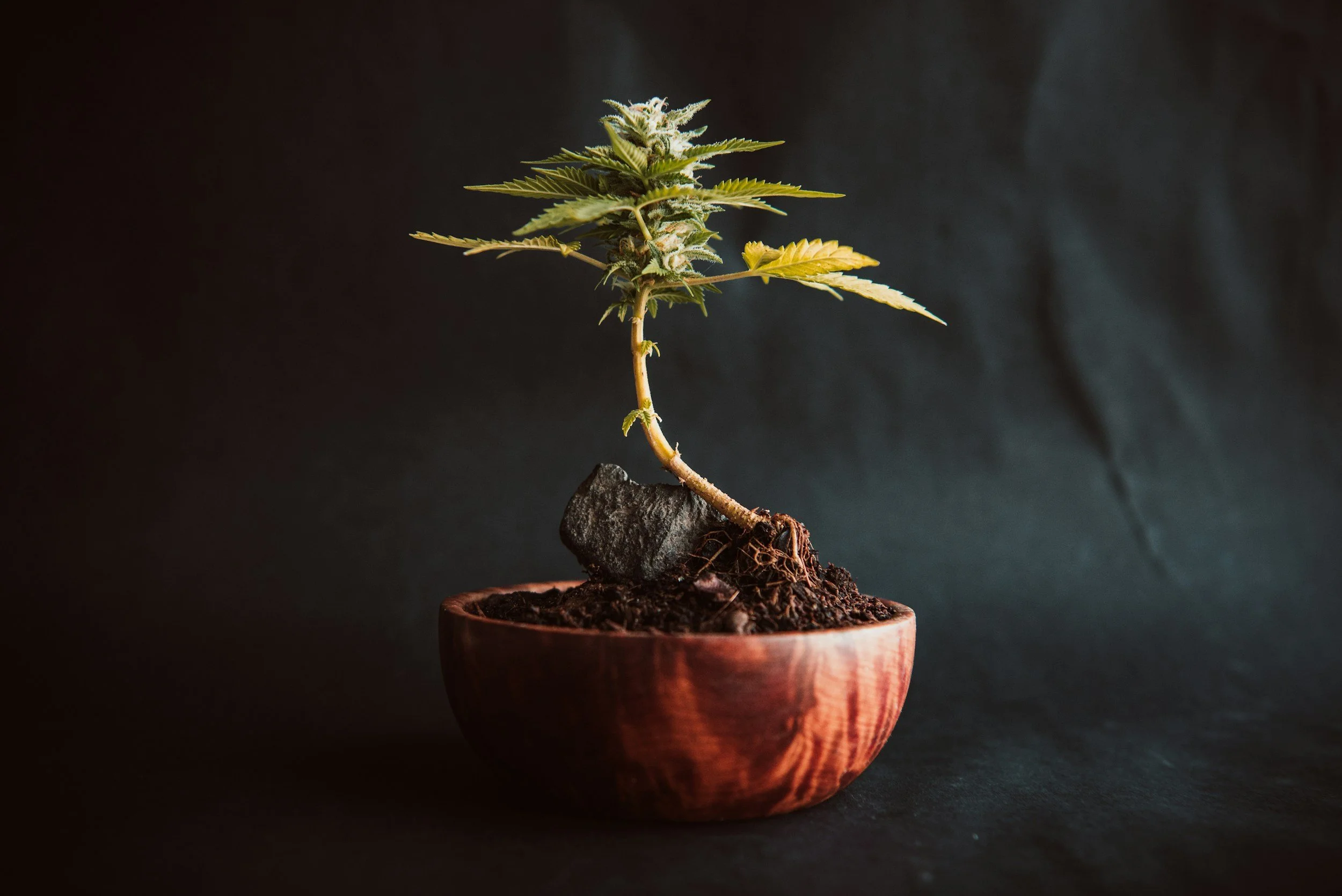
Image credit: Testeur de CBD
What Soil Growing Actually Means
Unlike Hydroponic methods, Soil-grown cannabis takes amore traditional route. Roots pull nutrients from organic matter, minerals, and a living network of microbes in the soil itself, sometimes called the soil food web.
This microbial activity is thought to contribute to the plant's development in ways that are still being studied, and many growers who favor soil point to the complexity it can bring to a finished product.
Neither approach requires less skill than the other. They just require different skills. A soil grower is managing a living ecosystem. A hydroponic grower is managing a precision system. Both can produce excellent flower when done well, and both can produce mediocre flower when they're not.
Image credit:
Does the Growing Medium Actually Change the Weed Itself?
This is where things get more nuanced than a lot of grow-guide blogs let on. Studies comparing cannabinoid and terpene profiles across different cultivation environments have found measurable differences between indoor and outdoor, and artificial versus natural growing conditions, including variation in cannabinoid composition and terpene makeup. So the environment does appear to matter.
But here's the part that's easy to miss: genetics play an enormous role too. Research on trichome development has found that a plant's strain and even its age at harvest significantly influence how its trichomes, the tiny structures that produce cannabinoids and terpenes, form and mature.
In other words, a well-grown soil plant of a high-quality genetic line can easily out-perform a poorly managed hydroponic plant, and vice versa. The growing method is one input among several, not the whole story.
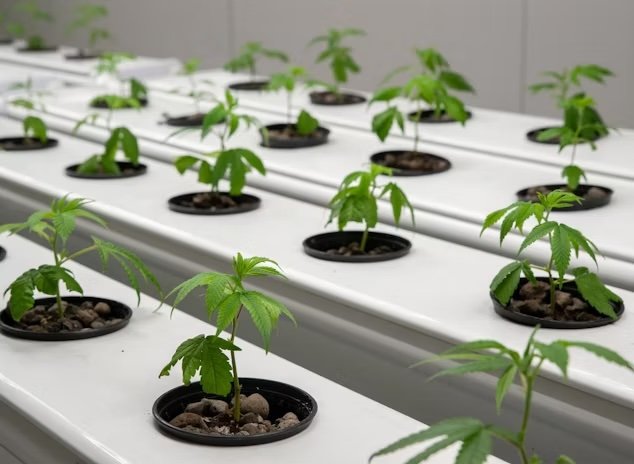
Image credit: Aqua Ultraviolet
Why Some Growers Choose Hydroponics
For growers chasing consistency batch after batch, hydroponics offers a real advantage: fewer surprises.
When every plant receives an identical, precisely measured nutrient solution under identical environmental conditions, the resulting flower tends to be more uniform from harvest to harvest.
That's a meaningful difference from soil growing, where natural variation in organic material can introduce more batch-to-batch variability, even when the grower is skilled.
This is part of why you'll often see hydroponic methods paired with strain-specific approaches, where a grower tailors the nutrient regimen, environment, and timing to each individual strain's needs rather than using a single formula for everything they grow.

Where Can I Find Hydroponic-Grown Cannabis in Redmond?
At Hashtag Cannabis in Redmond, we’re excited to offer a wide variety of high-quality, hydroponic-grown products by Fifty Fold.
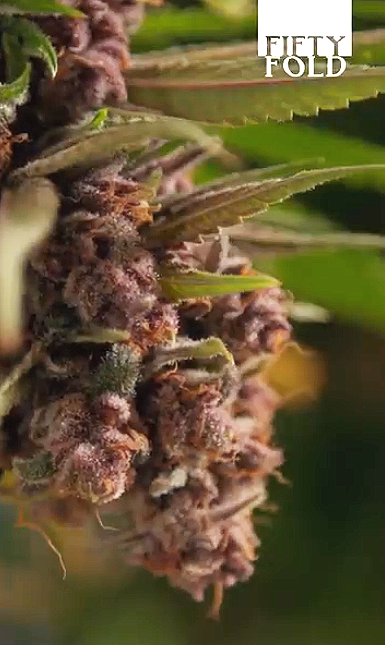
Image credit: Fifty Fold
What Makes Fifty Fold Special?
Fifty Fold is a Spokane Valley grower built entirely around hydroponic stonewool cultivation, with every strain treated as its own signature expression rather than grown with a one-size-fits-all approach.
Owner and head grower Andrew Curley carefully monitors the humidity, temperature, CO2, and light spectrum for each of his plants throughout the grow cycle, then hand-trims every flower to his own "Diamond Cut" precision standard before it's weighed and jarred.
Their mantra, "Grown for Me, Shared with You," reflects an approach to cultivation that treats consistency as something worth obsessing over, not an aspiration.
You can find Fifty Fold's premium indoor flower and their kief-infused Snickerdoobies pre-rolls at Hashtag Cannabis in Redmond.
Just click on the button below to see what’s new and in stock on our online menu.
FAQ about Hydroponic-Grown Cannabis
What is hydroponic cannabis cultivation?
Hydroponic cultivation grows cannabis without soil. Instead, the plant's roots are exposed to or suspended in a nutrient-rich water solution, often supported by a growing medium like stonewool rather than dirt. This setup gives growers direct control over exactly which nutrients the plant receives and when, along with tight control over temperature, humidity, CO2, and light throughout the grow cycle. It's a popular method among indoor commercial growers who want precise, repeatable conditions.
Does hydroponic cannabis have more THC than soil-grown cannabis?
Not necessarily, and it depends heavily on genetics and how the grow is managed. Research comparing cultivation environments has found measurable differences in cannabinoid profiles between different growing conditions, but strain genetics and plant age also significantly shape cannabinoid and trichome development. A well-managed plant in either medium can produce high-potency flower, so growing method alone isn't a reliable predictor of THC content.
Do soil-grown and hydroponic cannabis taste different?
They can, though the difference isn't guaranteed or universal. Soil growing involves organic matter and microbial activity that some growers believe adds complexity to a strain's flavor and aroma. Hydroponic growing allows precise environmental control, which some growers use to fine-tune terpene expression instead. Ultimately, the specific strain, curing process, and grower's skill tend to influence flavor as much as or more than the growing medium itself.
Is hydroponic cannabis more expensive to produce than soil-grown cannabis?
It depends on the setup. Hydroponic systems typically require more upfront equipment investment, including pumps, reservoirs, and environmental controls, but they can offer efficiencies in water use and grow cycle timing over time. Soil growing often has a lower initial cost but can require more manual monitoring and management of the living soil ecosystem. Neither method is universally cheaper once labor, equipment, and facility costs are factored in.
Which method produces more consistent cannabis, hydroponics or soil?
Hydroponic growing generally has an edge when it comes to batch-to-batch consistency, since every plant receives an identical, measured nutrient solution under tightly controlled environmental conditions. Soil growing relies on organic material that naturally varies somewhat from batch to batch, which can introduce more variation even under skilled management. That said, consistency ultimately comes down to how carefully a grower manages their process, regardless of medium.
Is hydroponic cannabis better than soil-grown cannabis?
Neither method is objectively better. They're different approaches with different strengths. Hydroponics tends to favor precision and consistency, while soil growing tends to favor natural complexity and a more traditional cultivation process. The quality of the finished flower depends far more on genetics, environmental management, trimming, and curing than on whether the plant was grown in water or dirt. The best approach is the one a skilled grower executes well.
Want to Learn More About Cannabis Science?
Then check out our collection of related posts here!
Or explore the full Cannabis Science & Plant Biology hub.