
How to Clean Your Vape Device for Better Flavor and Performance
By Jeff Eckenrode
Image credit: Elsa Olofsson
Quick Answer: Cleaning your vape device removes residue buildup that degrades terpene flavor, restricts airflow, and can cause your device to overheat or underperform. For cartridge-based devices, clean the battery connection and mouthpiece with a cotton swab and isopropyl alcohol. For dry herb and concentrate vaporizers, clean the chamber, screen, and airpath after every few sessions. Isopropyl alcohol at 90 percent or higher is your primary tool.
If your vape doesn't taste the way it used to, the most likely culprit isn't the product — it's the device.
Residue buildup is the single most common and most overlooked factor in declining vape performance. Every session deposits a thin layer of oil, resin, and spent material somewhere inside your device.
Over time that accumulates into a coating that clogs airflow, forces your heating element to work harder, degrades the flavor of everything you put through it, and in some cases creates byproducts you'd rather not be inhaling.
The good news: cleaning a vape device is fast, easy, and cheap. Here's how to do it right for every device type.
Why Cleaning Matters More Than You Think
When residue builds up in a vaporizer's chamber or airpath, a few things happen simultaneously.
Flavor degradation. Old residue re-heats every time you use the device, adding a stale, burnt, or acrid undertone to whatever you're currently vaping. If you've been chasing a specific terpene profile and finding it muted or off-tasting, that's often why. Terpenes are volatile compounds that begin to degrade quickly at elevated temperatures — when residue from previous sessions recooks alongside fresh material, the resulting vapor profile is a mixture of current and old, which compromises the flavor integrity of what you paid for.
Restricted airflow. Residue accumulates in mouthpieces, airways, and screens — the narrow passages where airflow is most sensitive to obstruction. Even partial restriction noticeably affects draw resistance and vapor volume, making sessions feel less satisfying and more effortful.
Performance and thermal issues. A dirty heating chamber can cause uneven heating — hot spots that burn material rather than vaporizing it — or force the device to run at higher temperatures than optimal to compensate for thermal inefficiency caused by residue coating the heating element. Research on cannabis vaporizer chemistry has found that higher temperatures generate more degradation byproducts, including certain aldehydes and volatile organic compounds, from cannabis terpenes. A well-maintained device that operates at its intended temperature range avoids some of this thermal degradation that a neglected, overworked device may produce.
Device longevity. Residue accelerates wear on heating elements, clogs the connections between components, and can cause mechanical failures in precision devices. Regular cleaning extends device lifespan meaningfully.
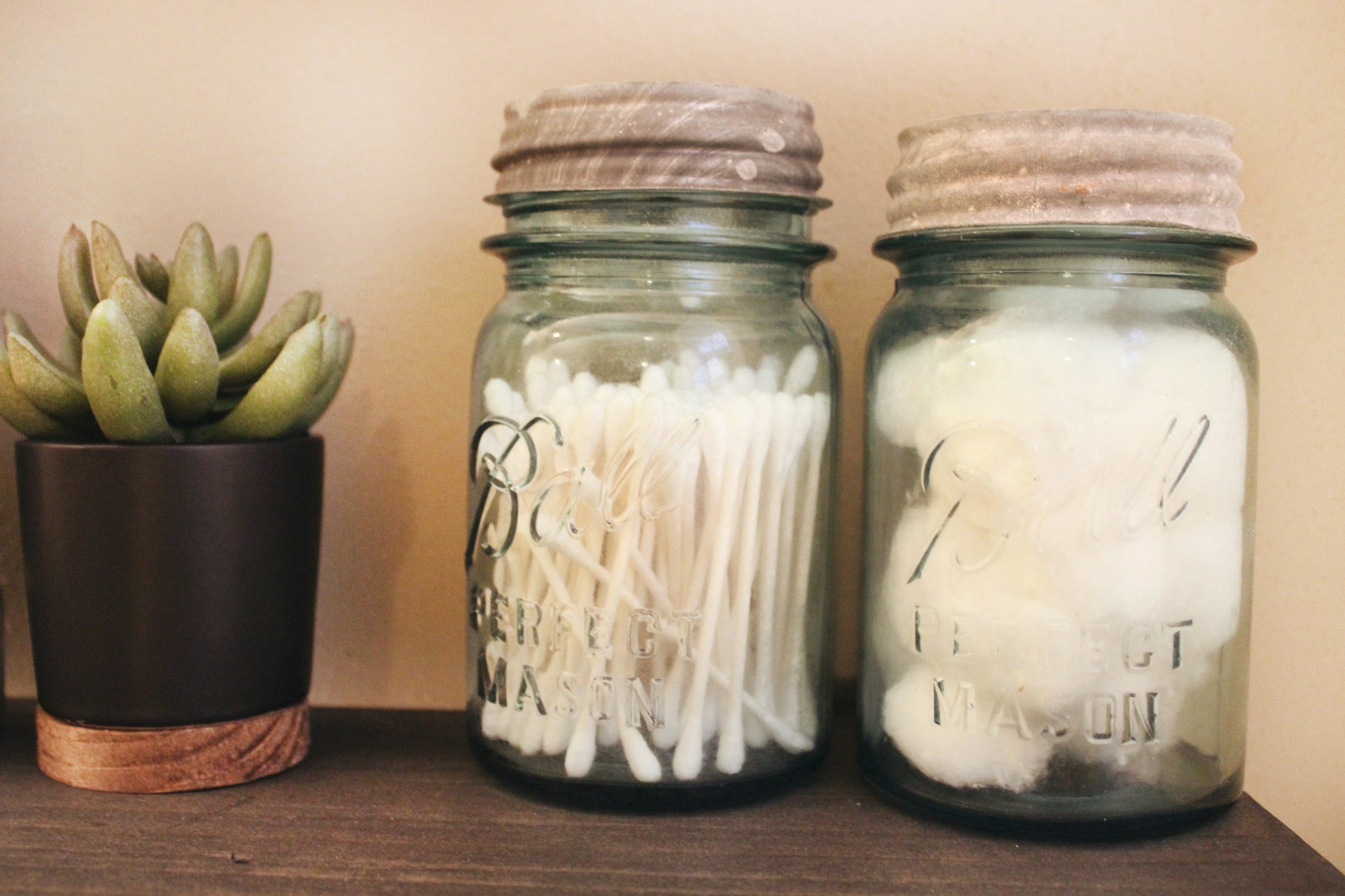
Image credit: Jen Theodore
What You Need
Almost everything you need is probably already at home:
Isopropyl alcohol (IPA) at 90 percent or higher. This is the primary cleaning agent for all vape components. Lower concentrations contain too much water, which can damage components and leave residue behind. 90 to 99 percent IPA is the target.
Cotton swabs (Q-tips). The workhorse tool for cleaning chambers, connections, and mouthpieces.
Pipe cleaners or thin brushes. Useful for airpaths and narrow passages that cotton swabs can't reach.
The small brush included with your device. Most dry herb vaporizers come with one — use it to brush out loose material after each session.
Paper towels or microfiber cloth. For wiping down surfaces.
Small glass or dish. For soaking glass components if needed.
What to avoid: Don't use water alone on heating chambers or electrical components. Don't use rubbing alcohol below 70 percent — the water content is too high. Don't use abrasive materials that could scratch chamber surfaces. And always let components dry completely before reassembling and using the device.
Image credit: CDC
Cleaning by Device Type
Cartridge-based vape pens (510-thread and pod systems)
Cartridge vapes are the simplest to maintain because the cartridge itself is typically disposable — you're cleaning the battery and connection hardware, not the heating element.
What to clean: the threading at the top of the battery where the cartridge screws in, and the mouthpiece if it's detachable.
How: Dip a cotton swab in IPA and gently wipe the threading connection. If oil has leaked and gummed up the connection, this will dissolve it and restore conductivity. If your device has a detachable mouthpiece, soak it briefly in IPA, rinse with water, and let it dry completely. For the body of the pen, wipe down with a lightly IPA-dampened cloth — don't get IPA inside the battery housing.
Frequency: Check the connection every few cartridge changes. Clean visibly dirty or sticky connections immediately.
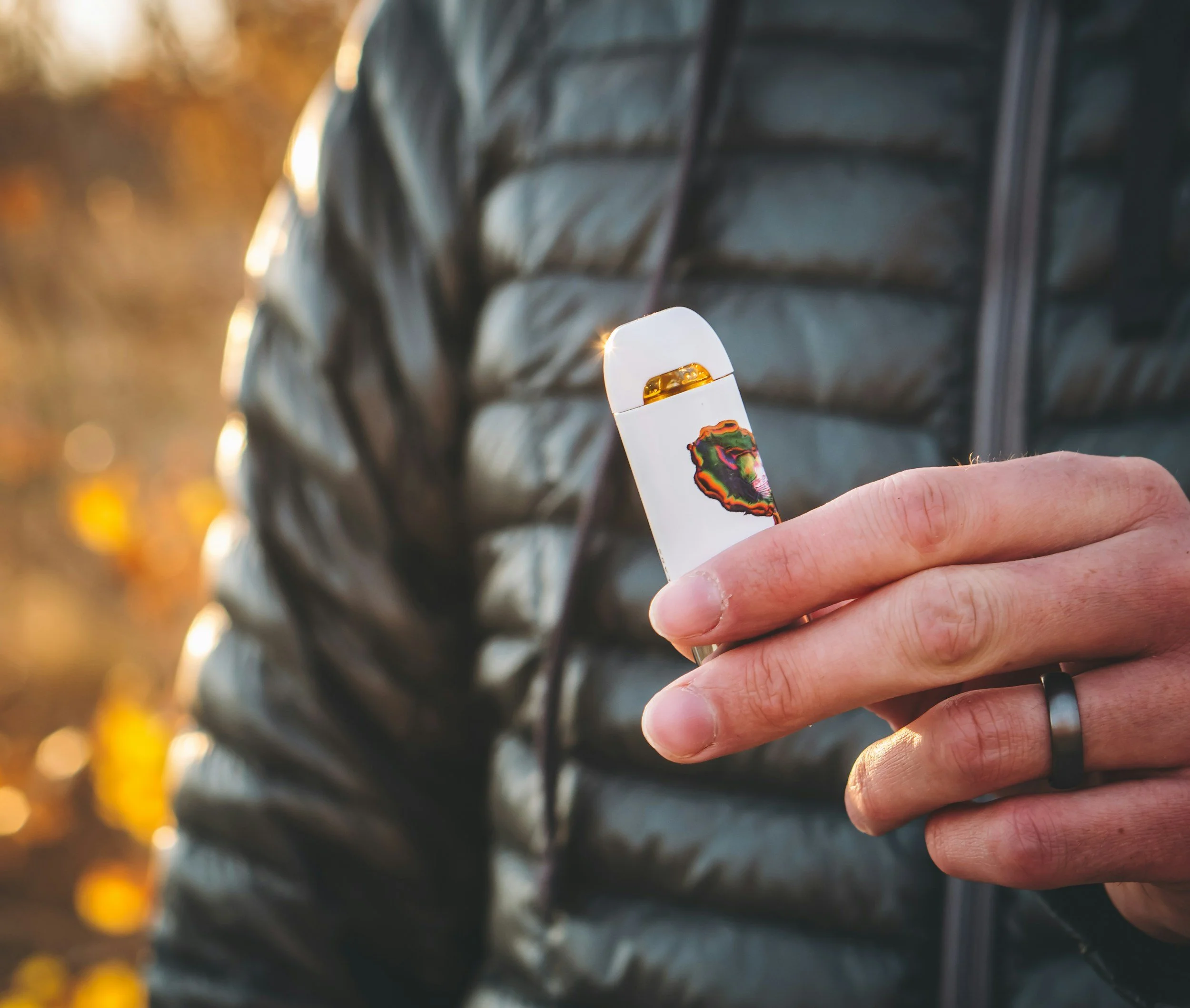
Image credit: Shelby Ireland
Disposable vapes
Disposables aren't designed to be cleaned internally — the cartridge and battery are sealed. If you're experiencing restricted airflow from a disposable, gently warming the device with your hands and taking slow, deliberate puffs without fully inhaling can sometimes loosen thickened oil blocking the airpath. Wipe the mouthpiece exterior with a dry cloth or very lightly IPA-dampened swab if needed. Beyond that, disposables have a defined lifespan.
Dry herb vaporizers (portable and desktop)
Dry herb vaporizers require the most regular cleaning because plant material leaves behind particulate matter and resin in the chamber, screens, and airpath with every session.
After every session: While the device is still warm (but safe to touch), brush out any remaining material from the chamber with the included brush. This prevents material from hardening onto the chamber walls between sessions. Empty the chamber completely.
Every 5 to 10 sessions (or when flavor declines):
Let the device cool fully before cleaning.
Remove the screen and soak it in IPA for 15 to 30 minutes, then rinse with water and let dry.
Swab the inside of the chamber with an IPA-dampened cotton swab. Use a pipe cleaner dampened with IPA for the airpath.
Wipe the mouthpiece with IPA. If it's removable glass, soak briefly, rinse, and dry completely.
Wipe down the exterior with a damp cloth.
Allow all components to dry completely — at least 30 minutes, longer for glass pieces — before reassembling.
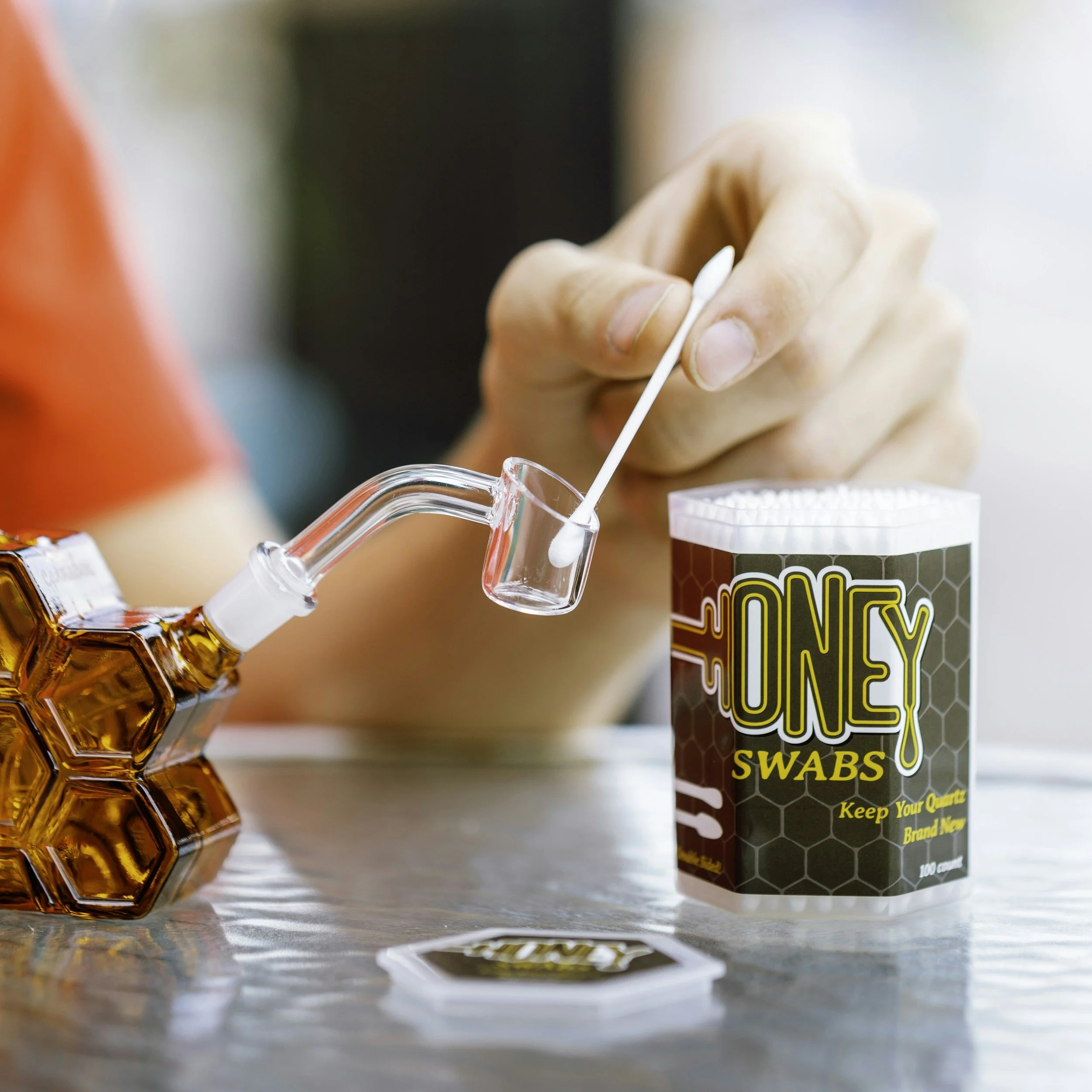
Image credit: Cannabox
Concentrate vaporizers and dab pens
Concentrate devices accumulate residue faster than dry herb vaporizers because concentrates are essentially pure resin — there's more of it per session, and it's stickier.
After every use: While the coil or chamber is still warm, use a dry cotton swab to gently absorb any remaining concentrate before it hardens. This is called a "hot swab" and is the single most effective maintenance habit for concentrate devices.
Every 3 to 5 sessions:
Soak the mouthpiece in IPA, rinse, and dry.
Swab the interior of the chamber with IPA — carefully and gently around any coil elements.
Clean the connection threading.
If your device has a glass component, soak and rinse.
Do not submerge coil atomizers in IPA — the wicking material can be damaged. Swab carefully around coils rather than soaking the entire atomizer assembly.
Image credit: Elsa Olofsson
Temperature and Flavor: A Note Worth Adding
While you're in a cleaning mindset, it's worth mentioning that temperature selection has as much to do with flavor as cleanliness does.
Research on cannabis vaporizer chemistry has documented that higher temperatures produce more thermal degradation byproducts from terpenes, including certain volatile organic compounds that contribute to harshness. Lower temperature sessions — generally in the 315 to 375 degree Fahrenheit range for flower, lower for concentrates — preserve terpene integrity better and produce a cleaner-tasting, less harsh vapor.
Combine clean hardware with appropriate temperature and you'll get the most out of the terpene profile in whatever you're vaping.
When to Replace Instead of Clean
Some components have a finite lifespan regardless of how well you maintain them.
Coil atomizers in concentrate devices typically degrade after extended use and cleaning can only do so much. Screens in dry herb vaporizers eventually need replacement. Mouthpieces develop micro-abrasions over time that harbor residue in ways that cleaning can't fully resolve.
If you've cleaned thoroughly and flavor or performance hasn't improved, the component may need replacement rather than another cleaning pass.

Where Can I Find Quality Vape Products in Redmond?
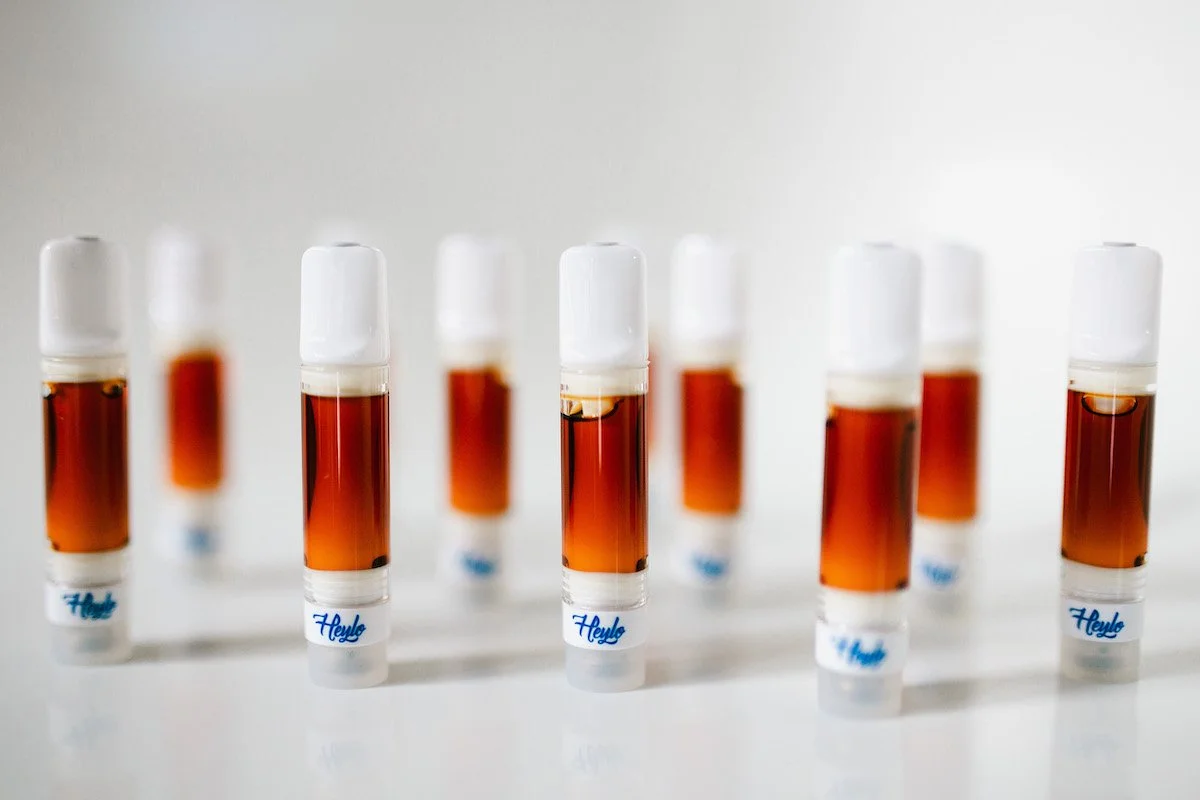
At Hashtag Cannabis in Redmond, Heylo is what a cannabis vape looks like when it's designed by a chemist who cares about what's in the oil (and what you're not putting into it).
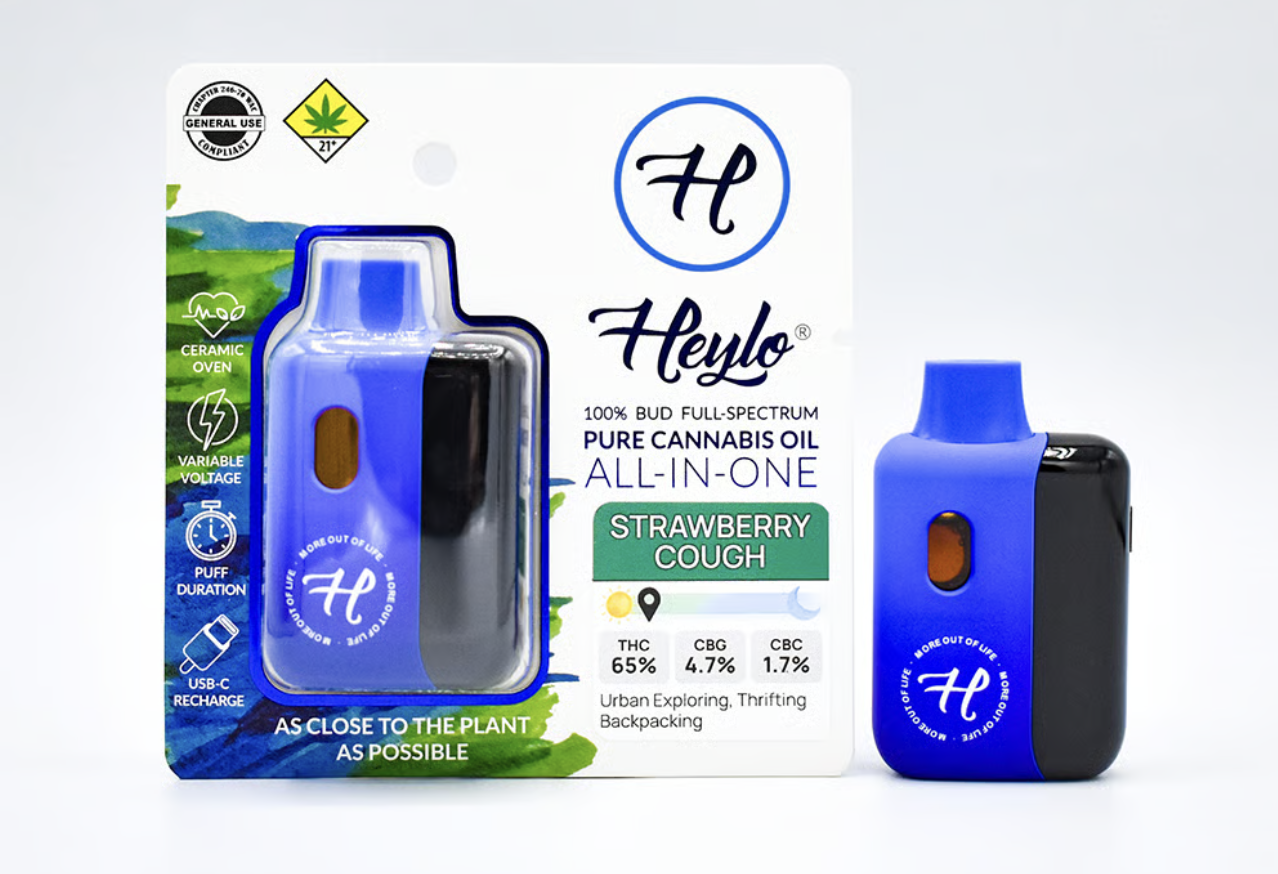
What Makes Heylo Special?
Heylo was founded in 2017 by Lo Friesen, an environmental chemist, on two values: education and transparency. Those values show up in every product decision they make.
Their RawX CO2 extraction process uses Eden Labs Hi-Flo systems to pull oil from whole-bud, pesticide-free flower — never trim or shake — without additives or solvents.
The result is a full-spectrum extract that preserves the plant's native terpenes and rare cannabinoids exactly as they appear in the flower. That includes cannabinoids like CBG, CBC, and THCV that most processors never bother to seek out or measure, let alone build products around.
When the only ingredient is pure, whole-bud cannabis and the extraction is designed to preserve rather than degrade the plant's chemistry, cleaning your device well means you're actually protecting something worth tasting.
Want to learn more? Visit their website at: https://www.heylocannabis.com
Want to see what's currently in stock? Shop Heylo products by clicking our online menu below.
Frequently Asked Questions About Cleaning Vape Devices
How often should I clean my vape device?
It depends on the device type and how frequently you use it. For cartridge-based vape pens, clean the battery connection every few cartridge changes or when performance declines. For dry herb vaporizers, brush out the chamber after every session and do a thorough cleaning with isopropyl alcohol every 5 to 10 sessions. Concentrate vape devices accumulate residue fastest — hot swab the chamber after every use and do a full cleaning every 3 to 5 sessions. If flavor has declined noticeably, that's a reliable signal that a cleaning is overdue regardless of your schedule.
What is the best cleaning solution for a vape device?
Isopropyl alcohol (IPA) at 90 percent concentration or higher is the standard and most effective cleaning solution for vape devices. It dissolves sticky resin and oil residue efficiently without damaging most components. Avoid concentrations below 70 percent — the higher water content is less effective at dissolving residue and can damage components. Never use bleach, acetone, or other harsh solvents. For glass components, IPA soaking works well. For chambers and heating elements, use IPA-dampened swabs rather than soaking.
Why does my vape taste burnt even with a new cartridge or fresh material?
A burnt taste with new material is usually caused by residue in the device rather than the product itself. Old resin from previous sessions reheats with every new use, adding stale or acrid notes to the vapor. The other common cause is temperature setting — too high a temperature causes terpenes to degrade into harsher byproducts rather than vaporize cleanly. Try cleaning the chamber, mouthpiece, and airpath thoroughly, and consider lowering your temperature setting if you're running at the high end of the range.
Can I clean a disposable vape?
Disposable vapes are sealed units not designed for internal cleaning. The mouthpiece exterior can be wiped down with a dry cloth or lightly IPA-dampened swab. If airflow is restricted, gently warming the device with your hands and taking slow deliberate puffs can sometimes loosen thickened oil. Beyond surface cleaning, disposables have a defined lifespan and aren't intended to be serviced.
What is a hot swab and why does it matter for concentrate devices?
A hot swab is a maintenance technique for concentrate vaporizers where you use a dry cotton swab immediately after a session — while the chamber is still warm — to absorb any remaining concentrate before it cools and hardens onto the chamber walls. This simple habit prevents the majority of residue buildup in concentrate devices and dramatically reduces how often you need to do a full deep clean. It's the single most effective and lowest-effort maintenance practice for anyone using wax, shatter, live resin, or other concentrates.
Does temperature affect flavor in a vaporizer?
Yes — significantly. Research on cannabis vaporizer chemistry has documented that higher temperatures produce more thermal degradation byproducts from terpenes, including certain harsh volatile organic compounds. Lower temperature sessions in roughly the 315 to 375 degree Fahrenheit range for flower preserve terpene integrity better and produce cleaner-tasting vapor. Flavor optimization is a combination of device cleanliness and temperature control — a clean device running at an appropriate temperature will consistently outperform a dirty device regardless of temperature setting.
Want to learn more about Vapes & Cartridges?
Then check out our collection of related posts here!
For more posts on Vapes & Cartridges, visit our full resource hub here: Vapes & Cartridges