
How to Tell If Cannabis Is Really Pesticide-Free
By Jeff Eckenrode
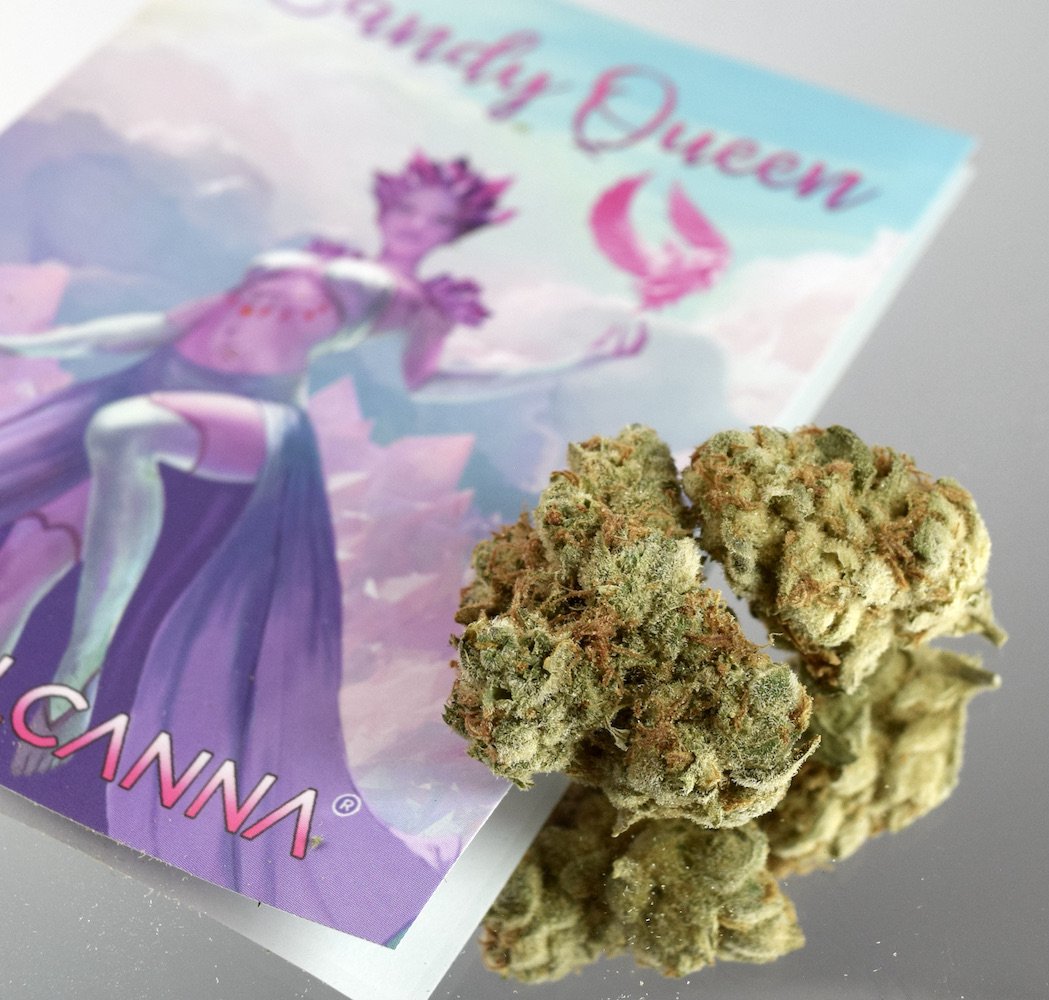
Quick Answer: "Pesticide-free" on a label isn't a guarantee. Some Washington brands using that claim have still shown up on the LCB's pesticide recall list. Look for third-party verification like Clean Green Certified, check the lab results on your product, and ask your budtender how a brand actually grows.
You've seen it on packaging everywhere: "pesticide-free." It sounds reassuring. But does it actually mean anything?
The truth? Not always.
Washington State requires every licensed cannabis product to pass lab testing for pesticides before it reaches a shelf, and products that exceed the state's pesticide action levels can be pulled through the Liquor and Cannabis Board's recall process.
That's a real backstop. But it's a backstop that catches problems after the fact, not a guarantee that every "pesticide-free" label was earned honestly. Some brands that market themselves as pesticide-free have still ended up on the LCB's recall list for pesticide violations.
So what separates a brand that's actually pesticide-free from one that's just printing the phrase on a bag?
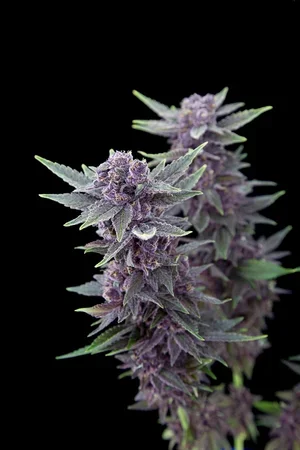
Image credit: Falcanna
What "Pesticide-Free" Should Actually Mean
For growers like Justin and Bethany Rondeaux at Falcanna, the distinction is simple.
Pesticide-free doesn't mean "nothing that would fail a test." It means nothing touched the plant at all, not state-approved synthetic options, not natural-sounding alternatives, none of it.
As their team put it when we asked what most consumers get wrong about their products, pesticide-free labeling doesn't always match the product, and the only real test is whether a grower is willing to put that same flower in their own lungs.
Falcanna holds Clean Green Certification, the only nationally recognized organic and sustainability certification built specifically for cannabis, and that certification requires independent, third-party verification rather than a brand's own word.
That distinction between a marketing claim and a verified standard is the whole ballgame. Curious what Clean Green Certified actually requires?
We break it down in What Is Clean Green Certified Cannabis?
How Washington Actually Tests for Pesticides
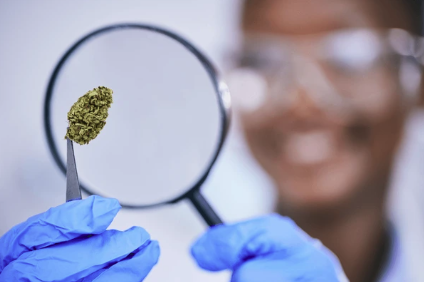
Every product sold at a licensed Washington dispensary has to pass third-party lab testing before it reaches you, and pesticide testing is part of that requirement alongside checks for heavy metals, residual solvents, mycotoxins, and microbial contaminants.
If a lab or the LCB identifies a pesticide above the allowed action level, that batch fails quality control and can trigger a recall. It's a meaningful safety net, and it's part of why buying from a licensed Washington retailer is safer than buying from an unregulated source.
But testing catches problems, it doesn't prevent the underlying growing decisions that create them in the first place.
That's where a grower's actual practices, not just their pass or fail lab result, start to matter.
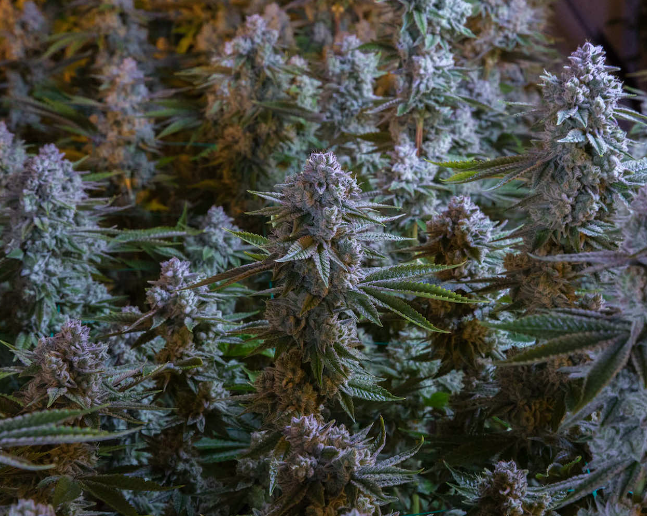
Image credit: Falcanna
What Real Pesticide-Free Growing Looks Like
Falcanna's approach has evolved a lot since they started in 2009 with an organic vegetable farming background.
They've grown outdoors, indoors, in super soil, in hydro, and everything between. Today their climate-controlled indoor facility uses HEPA-level air filtration and nutrients dialed in per strain, enhanced with living mineral teas rather than synthetic feed.
Why does the growing environment matter so much? Because clean air and controlled humidity reduce the mold and pest pressure that pushes some growers toward pesticide use in the first place. A HEPA-filtered facility isn't just about a nicer-looking bud, it's a structural choice that removes the temptation to spray.
Quality control at Falcanna also comes down to people, not just protocols. Their managers have worked there for eight-plus years, trained personally by the founders. As their team told us, the human element of knowledge and care is the only way real quality control actually happens.
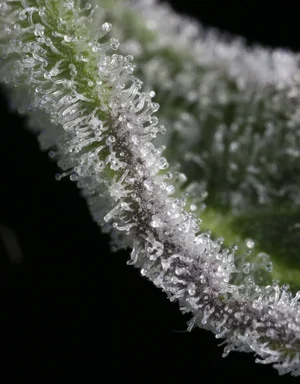
Image credit: Falcanna
Terpene Preservation: Another Sign of Real Craft
Terpenes are a good early signal of whether a grower is cutting corners.
Falcanna selects genetics partly based on terpene profile, including cultivars like Deep Sea that have been preserved for over a decade specifically to keep their distinct flavor and effect intact.
A proper flush and a slow, careful cure protect that terpene profile so the final flower stays smooth. All handling happens by hand, since machine trimming tends to strip away the resin-rich trichomes where terpenes live.
Want to understand more about why terpenes shape your experience the way they do? Check out Cannabis Terpenes & Your Experience in our Cannabis Science hub.
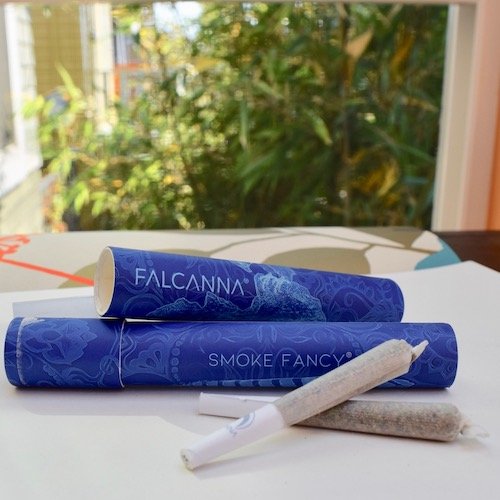
What Makes Falcanna Special?
Falcanna is a 100% minority-owned cannabis producer (50% woman-owned, 50% Indigenous-owned) growing on Washington's Olympic Peninsula.
Founded by falconers Bethany and Justin Rondeaux, the brand has spent over 15 years selecting and preserving specific genetics for flavor and effect rather than chasing the highest THC number on a label.
Their team is Clean Green Certified, hand-trims every harvest for terpene preservation, and has never appeared on the LCB's pesticide or mold recall list.
Image credit: Weedmaps
Where Can You Find Falcanna in Redmond?
We're proud to carry Falcanna Flower, Pre Rolls, Concentrates and Cartridges by Falcanna.
Browse what's currently in stock on our online menu by clicking the button below.
FAQ about Pesticide Free Cannabis
What does "pesticide-free" actually mean when it's printed on cannabis packaging?
"Pesticide-free" isn't a regulated term in Washington, so its meaning depends entirely on the brand using it. For some growers it means no pesticides of any kind touched the plant, not state-approved options, not natural alternatives. For others it's simply a marketing phrase that isn't independently verified. The most reliable way to confirm the claim is to look for third-party certification, like Clean Green Certified, rather than taking the label at face value.
How does Washington State test cannabis for pesticides?
Every licensed cannabis product sold in Washington must pass third-party lab testing before reaching retail shelves. Testing covers pesticide residue along with potency, heavy metals, residual solvents, mycotoxins, and microbial contaminants. If a pesticide is detected above the state's allowed action level under WAC 314-55-108, that batch fails quality control testing and cannot legally be sold.
What happens if a cannabis product tests above Washington's pesticide action levels?
A batch that exceeds pesticide action levels fails quality control and can be subject to a recall under WAC 314-55-225. Recalls are posted publicly by the Washington State Liquor and Cannabis Board and can be either voluntarily initiated by the licensee or directed by the Board. Consumers can check the LCB's published recall notices to see whether a specific product or producer has been affected.
What is Clean Green Certified and how is it different from a "pesticide-free" claim?
Clean Green Certified is the cannabis industry's closest equivalent to USDA organic certification, since cannabis itself isn't eligible for federal organic status. It requires an independent, third-party inspection of a grower's practices, inputs, and facilities rather than relying on a brand's self-reported claims. A "pesticide-free" label on its own isn't independently verified, while Clean Green Certification is.
Why do genetics, curing, and trimming matter for a truly clean cannabis product?
Two cannabis products can test at the exact same THC percentage and offer completely different experiences, because the genetics selected, how the plant is fed, and how it's dried, cured, and trimmed all shape the final flower. A careful flush before harvest and a slow cure help preserve the terpene profile that determines flavor and effect, while hand-trimming protects the resin-rich trichomes that machine trimming tends to strip away.
What questions should I ask my budtender to find out if a product is really pesticide-free?
Ask whether the brand holds third-party certification like Clean Green Certified rather than relying on packaging claims alone. It's also worth asking how the product is grown (indoor, outdoor, or greenhouse), and how old the specific cultivar is, since older, preserved genetics often deliver a more distinct flavor and effect than newer high-potency hybrids.