
The Art of Cannabis Chocolate
By Jeff Eckenrode
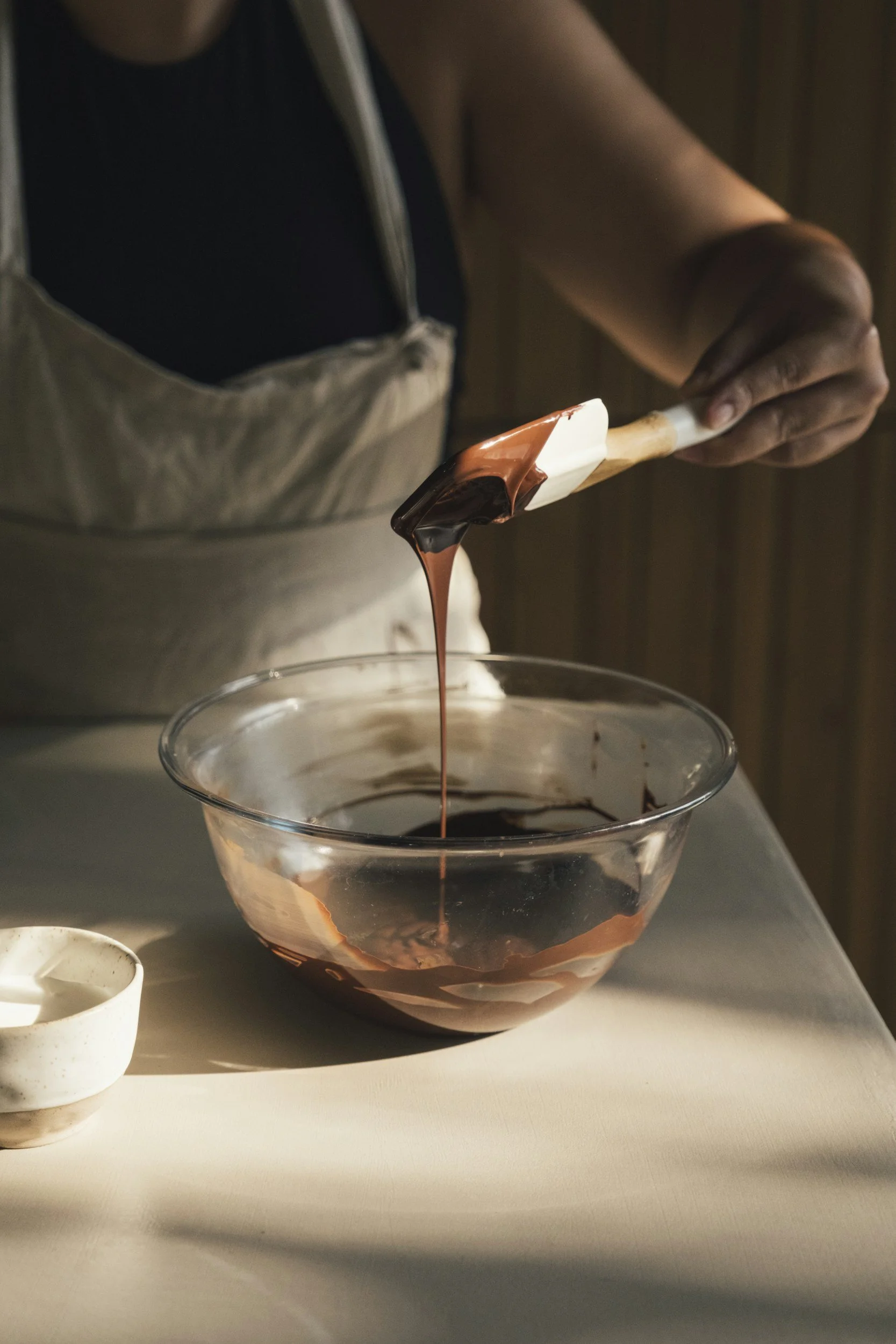
Image credit: Ahmet Koç
Quick Answer: Cannabis chocolate works because THC and CBD are fat soluble, not water soluble. Makers first decarboxylate cannabis with gentle heat to activate its compounds, then infuse that activated cannabis into cacao butter or oil before blending it into melted chocolate for even, bite by bite dosing.
Ever wonder why a cannabis chocolate bar hits so evenly, square after square, while a homemade batch of edibles can leave one bite mild and the next one intense?
The answer comes down to chemistry, not luck. And once you understand how cannabis chocolate is actually made, you'll never look at a bar the same way again.
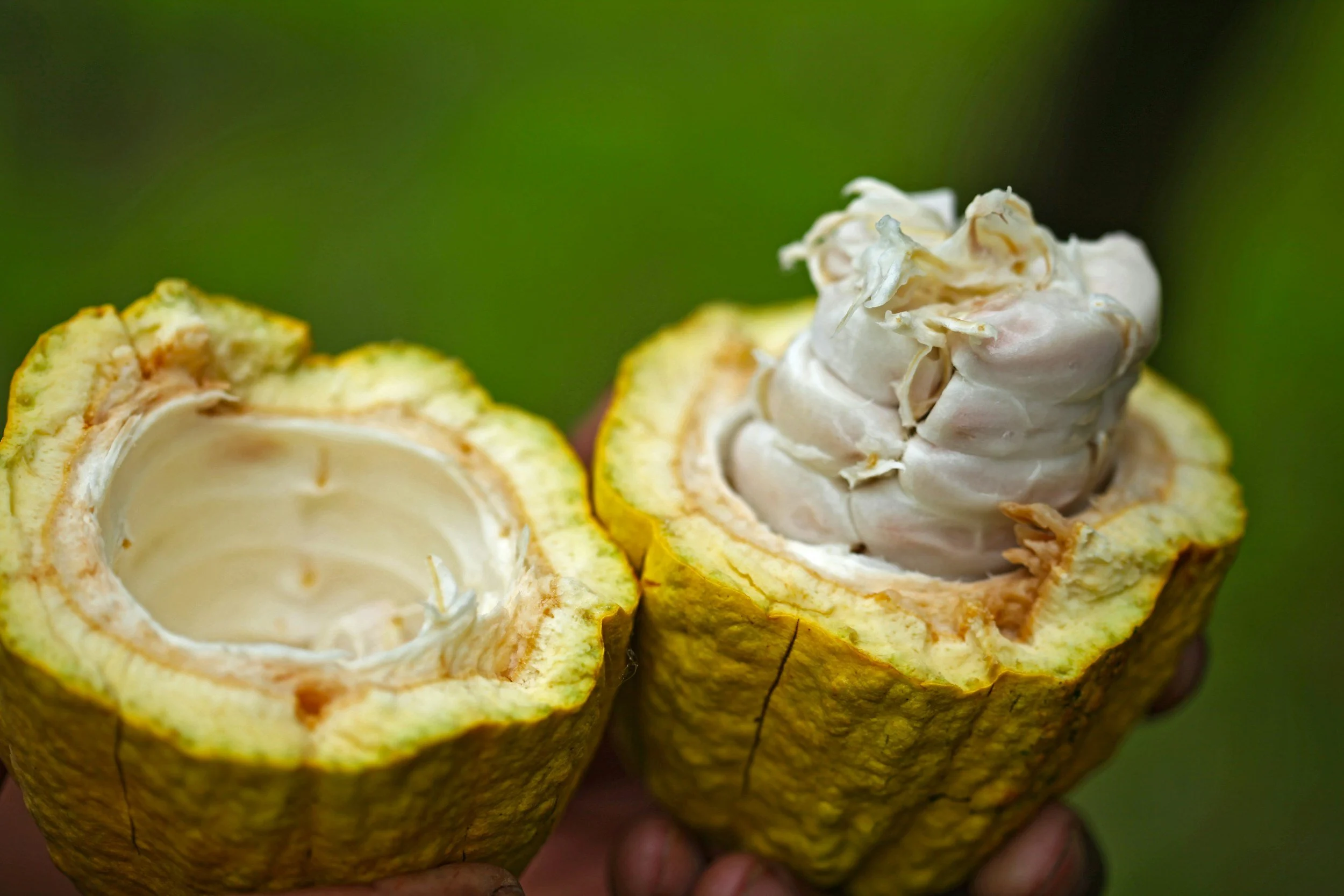
Image credit: Kristiana Pinne
Why Fat Matters More Than Anything Else
THC and CBD are fat soluble compounds. That means they bind to fat molecules far more readily than they dissolve in water, which is exactly why cannabis tea made without any fat or oil barely does anything, while a pat of cannabis infused butter does plenty.
Cacao butter, the same fat that gives chocolate its silky snap and smooth melt, happens to be an excellent carrier for cannabinoids.
It's rich in saturated fat, stable at the temperatures chocolate making requires, and it blends cleanly with activated cannabis oil without breaking or separating.
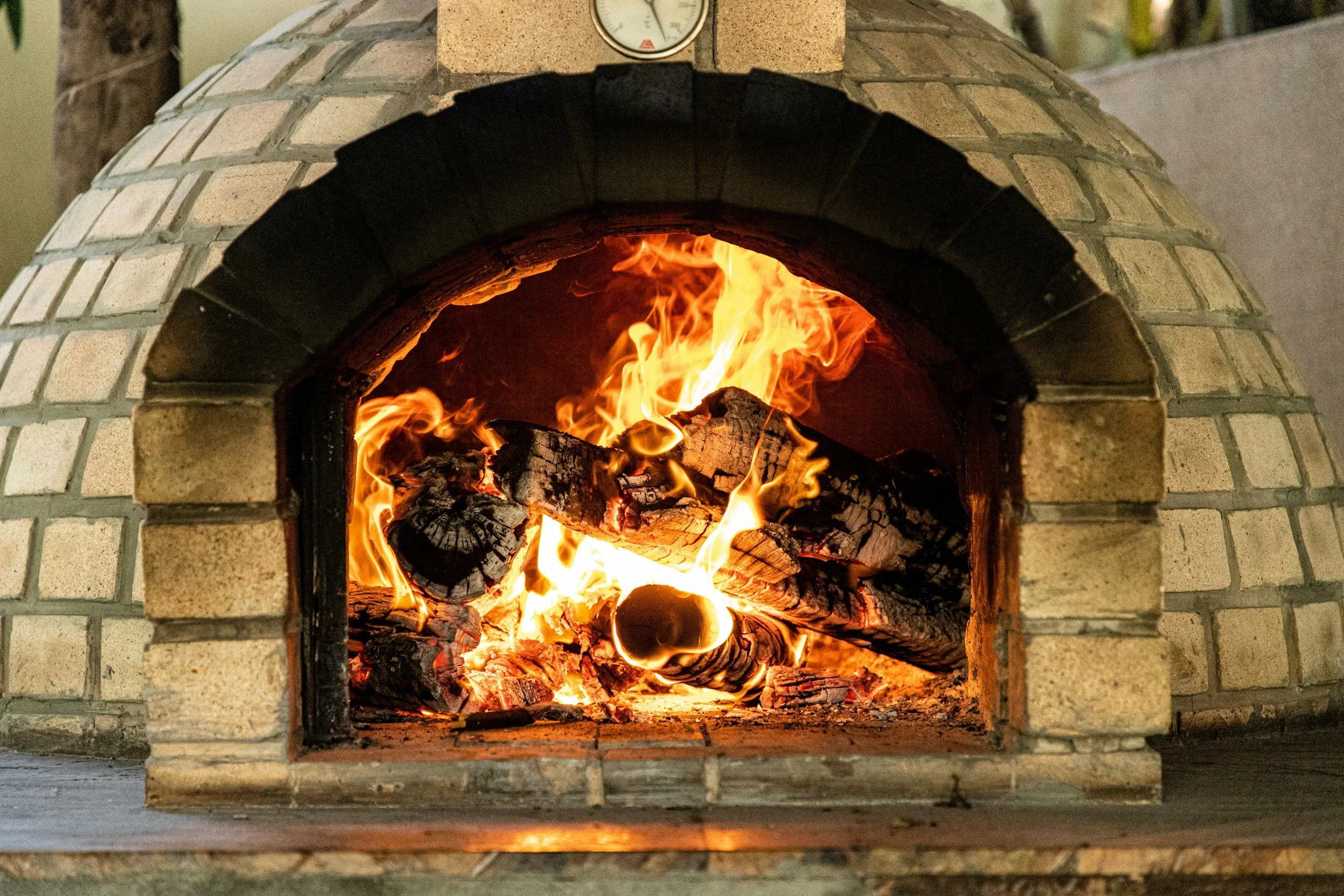
Image credit: Jay Gajjar
Decarboxylation Comes First
Before cannabis can be infused into anything, it has to be decarboxylated. Raw cannabis flower contains THCA, not THC, and THCA doesn't produce intoxicating effects on its own. Applying low, steady heat over time converts THCA into THC through a process called decarboxylation, essentially "activating" the flower.
Skip this step and your chocolate will taste like weed without doing anything weed does. Most makers decarb flower in a low oven before it ever touches a stove or double boiler, since even slightly too much heat can start to degrade THC into CBN and dull the effects.
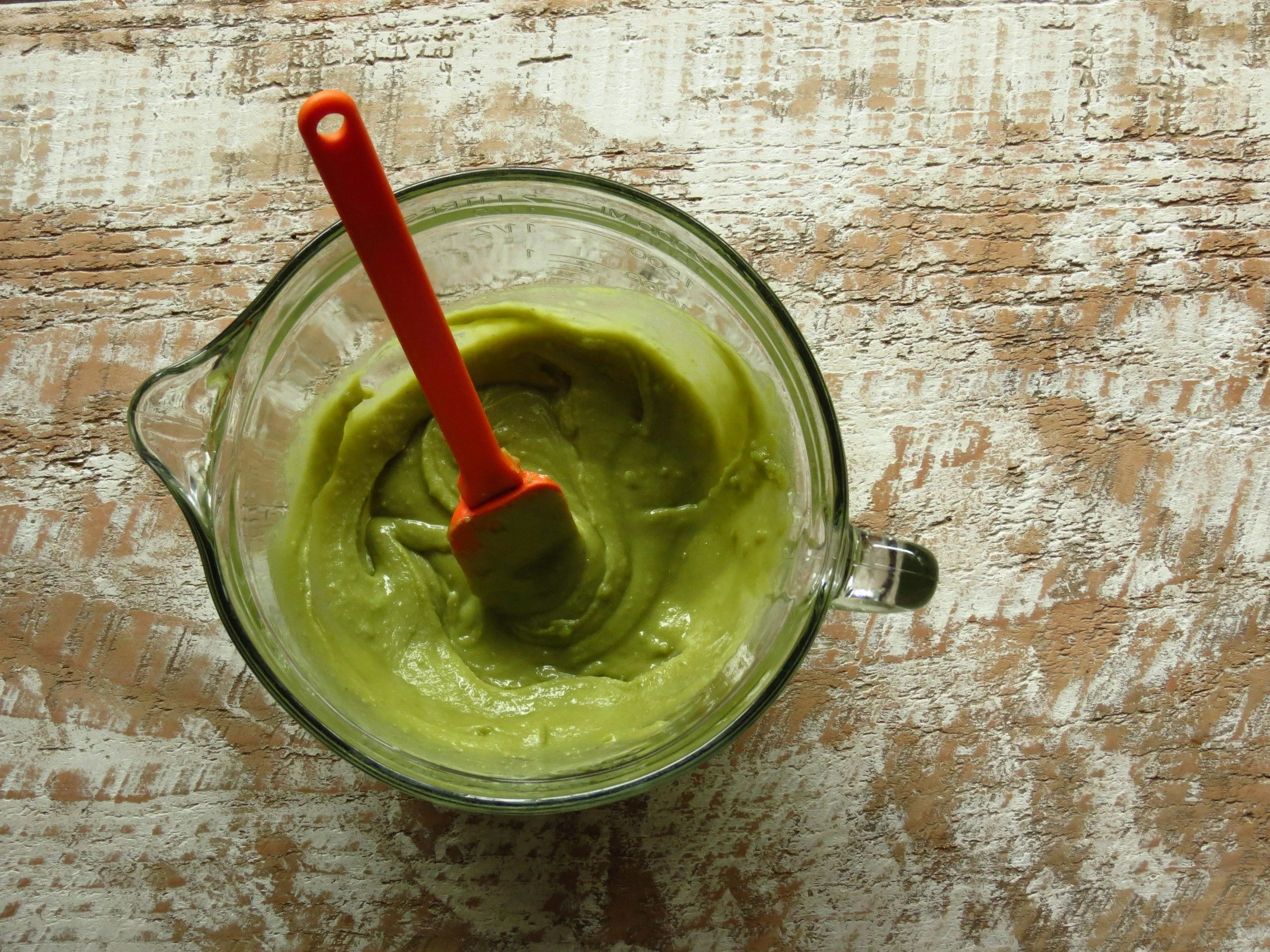
Image credit: Correen
Infusing the Fat
Once decarbed, the cannabis gets combined with cacao butter or a neutral carrier oil and heated gently, often using a double boiler to avoid scorching.
This slow heat allows the cannabinoids to fully bind to the fat over the course of an hour or more. The mixture is then strained to remove plant material, leaving behind a clean, potent, cannabis infused fat that's ready to work into chocolate.
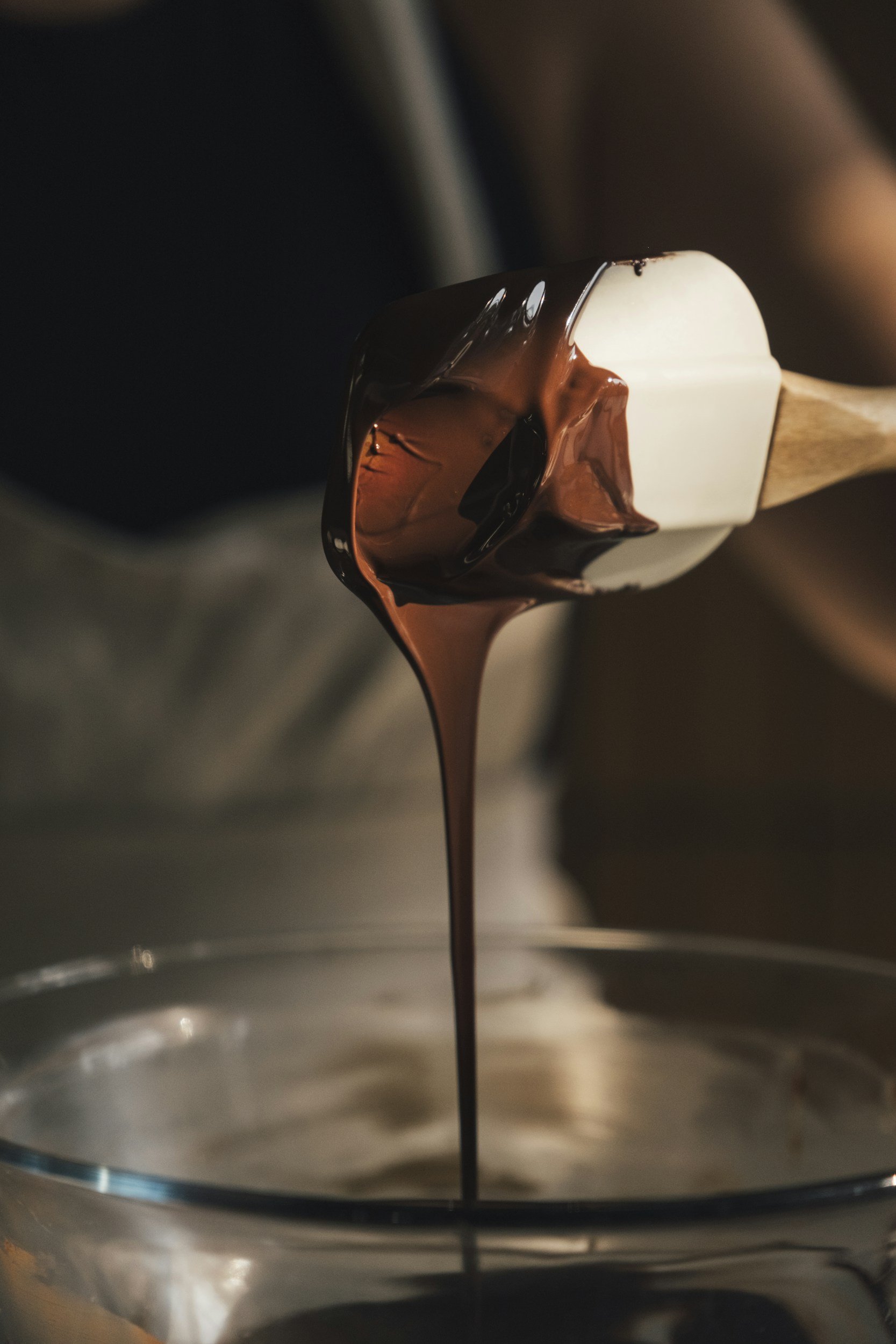
Image credit: Ahmet Koç
Why Even Dosing Is So Hard to Get Right
This is where home versions of cannabis chocolate tend to go sideways. If the infused fat isn't fully and evenly distributed through the melted chocolate before it's poured and set, some pieces end up with more cannabinoids than others simply based on where the fat pooled.
Commercial and craft producers solve this with careful mixing, temperature control, and in many cases lab testing after production to confirm that every batch, and every piece within that batch, delivers a consistent dose. That consistency is the real craft behind cannabis chocolate, not just the recipe itself.
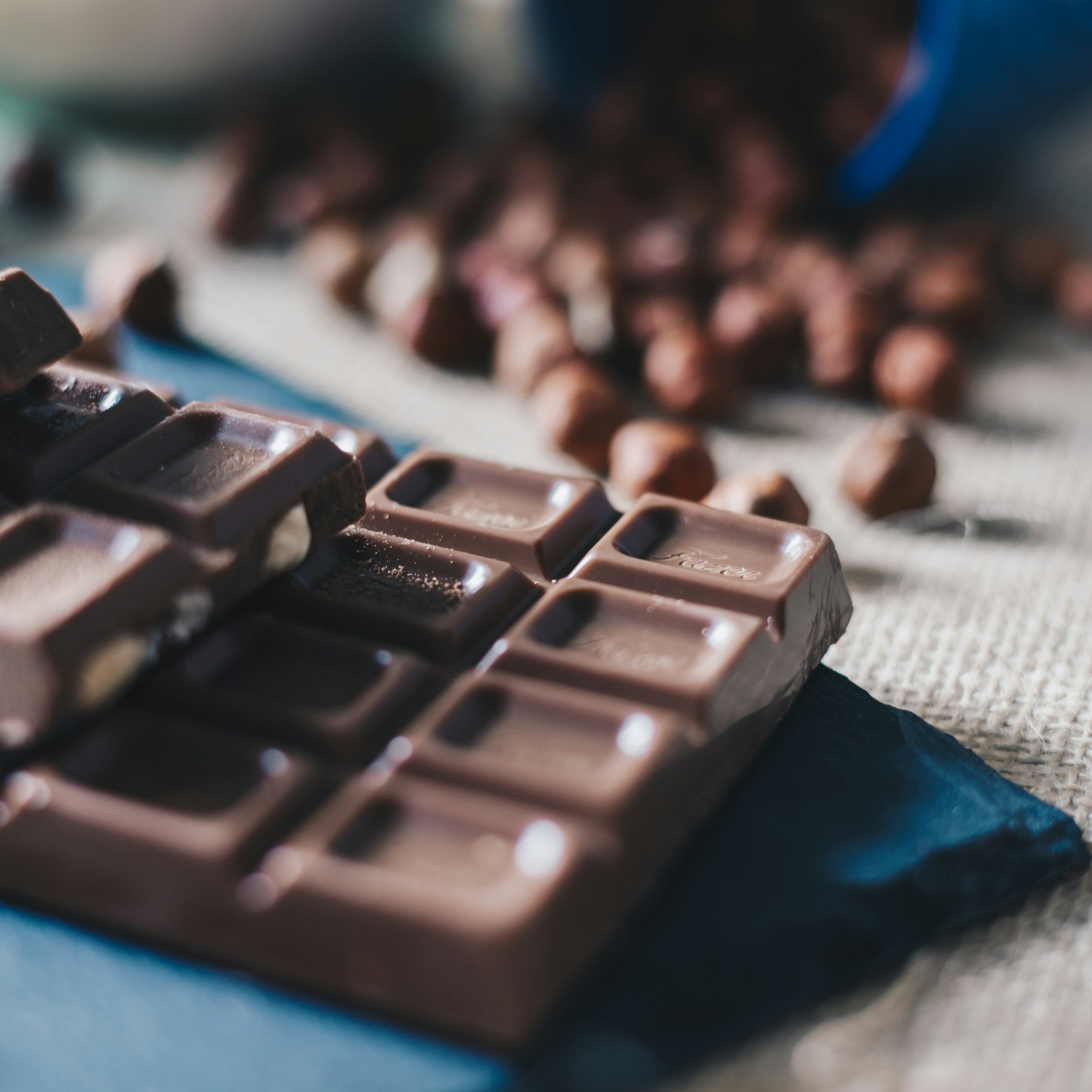
Image credit: Rūta Celma
Tempering Still Matters
Good cannabis chocolate isn't just accurately dosed, it should also taste and feel like good chocolate.
That means tempering, the process of heating and cooling chocolate through specific temperature stages so the cocoa butter crystallizes correctly.
Properly tempered chocolate has a clean snap, a glossy finish, and a smooth melt instead of a dull, waxy texture. Skipping tempering is one of the fastest ways to end up with technically accurate but genuinely unpleasant cannabis chocolate.
Image credit: Tamas Pap
Why Chocolate Works So Well as an Edible
Beyond the fat solubility advantage, chocolate has another edge as a cannabis delivery method: it masks the plant's natural flavor better than almost anything else.
The bitterness and roasted notes of dark chocolate in particular pair naturally with the earthy, sometimes grassy taste of cannabis extract, which is part of why chocolate has become one of the most popular edible categories on dispensary shelves.
Where can I find High-Quality Cannabis Chocolate?
At Hashtag Cannabis in Redmond, we’re proud to offer hand-crafted chocolates by Wave Edibles that are meticulously formulated to be as effective as they are delicious!
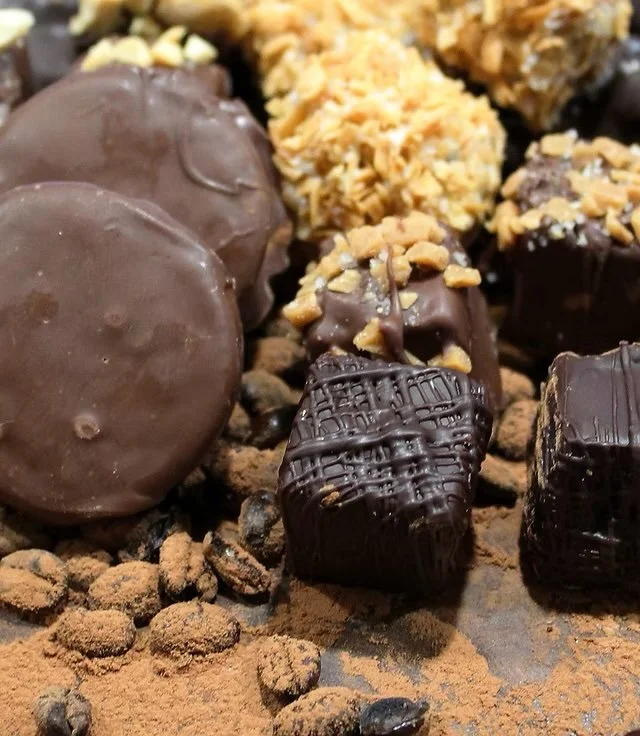
Image credit: Wave Edibles
What makes Edibles by Wave Special?
Wave is the perfect choice when you’re looking for thoughtful dosing and product variety.
Their luxury cannabis chocolates, truffles, caramels, sandwich cookies, and seasonal confections are color-coded so you can clearly see the dosing.
Available in both low-dose singles and higher 100 mg packages, every one of Wave’s luxury desserts ismade with thoughtful craftsmanship, top-tier flavor and controlled potency in mind.
Want to learn more? Visit their website at: https://www.waveedibles.com/
Want to buy some today? Click on our online menu link below to see our current availability.
FAQ about cannabis-infused chocolate
Why is cannabis infused into fat instead of water for chocolate?
THC and CBD are fat soluble compounds, meaning they bind to fat molecules far more effectively than they dissolve in water. Cacao butter, the primary fat in chocolate, is an ideal carrier because it's stable at cooking temperatures and blends seamlessly with cannabis infused oil. This is also why cannabis infused into water based products like tea produces minimal effects compared to fat based infusions like butter or chocolate.
What is decarboxylation and why does cannabis chocolate need it?
Decarboxylation is the process of applying low, sustained heat to raw cannabis flower to convert non-intoxicating THCA into active THC. Without this step, infused chocolate would contain plenty of cannabinoids but very little of the compound responsible for intoxicating effects. Most makers decarb flower in an oven at a controlled low temperature before infusing it into any fat or oil.
Why does homemade cannabis chocolate sometimes have uneven dosing?
Uneven dosing usually happens when the cannabis infused fat isn't thoroughly and evenly mixed into the melted chocolate before it sets. If the fat isn't distributed consistently throughout the batch, some pieces end up with more cannabinoids concentrated in them than others. Commercial producers address this with careful mixing techniques and lab testing to verify consistency across every piece.
What does tempering mean and does it matter for cannabis chocolate?
Tempering is the process of heating and cooling chocolate through specific temperature stages so its cocoa butter crystallizes properly. Well tempered chocolate has a glossy finish and a clean snap, while chocolate that skips this step turns out dull and waxy. Tempering doesn't affect potency, but it's essential for cannabis chocolate to actually taste and feel like quality chocolate.
Can you use CBD instead of THC to make cannabis chocolate?
Yes, CBD is also fat soluble and can be infused into cacao butter using the same decarboxylation and infusion process used for THC. CBD chocolate won't produce intoxicating effects, but many people choose it specifically for that reason, pairing it with the same fat based infusion method that makes THC chocolate effective.
Why does chocolate mask the taste of cannabis so well compared to other edibles?
Dark chocolate in particular has bitter, roasted flavor notes that naturally complement the earthy taste of cannabis extract, helping to cover the plant flavor that can come through in other edible formats. This flavor pairing is a major reason chocolate has become one of the most widely produced edible categories in dispensaries.
Want to learn more about cannabis edibles?
Then check out our collection of related posts here!