
Why Do Some Strains Make You Sleepy While Others Energize You?
By Jeff Eckenrode
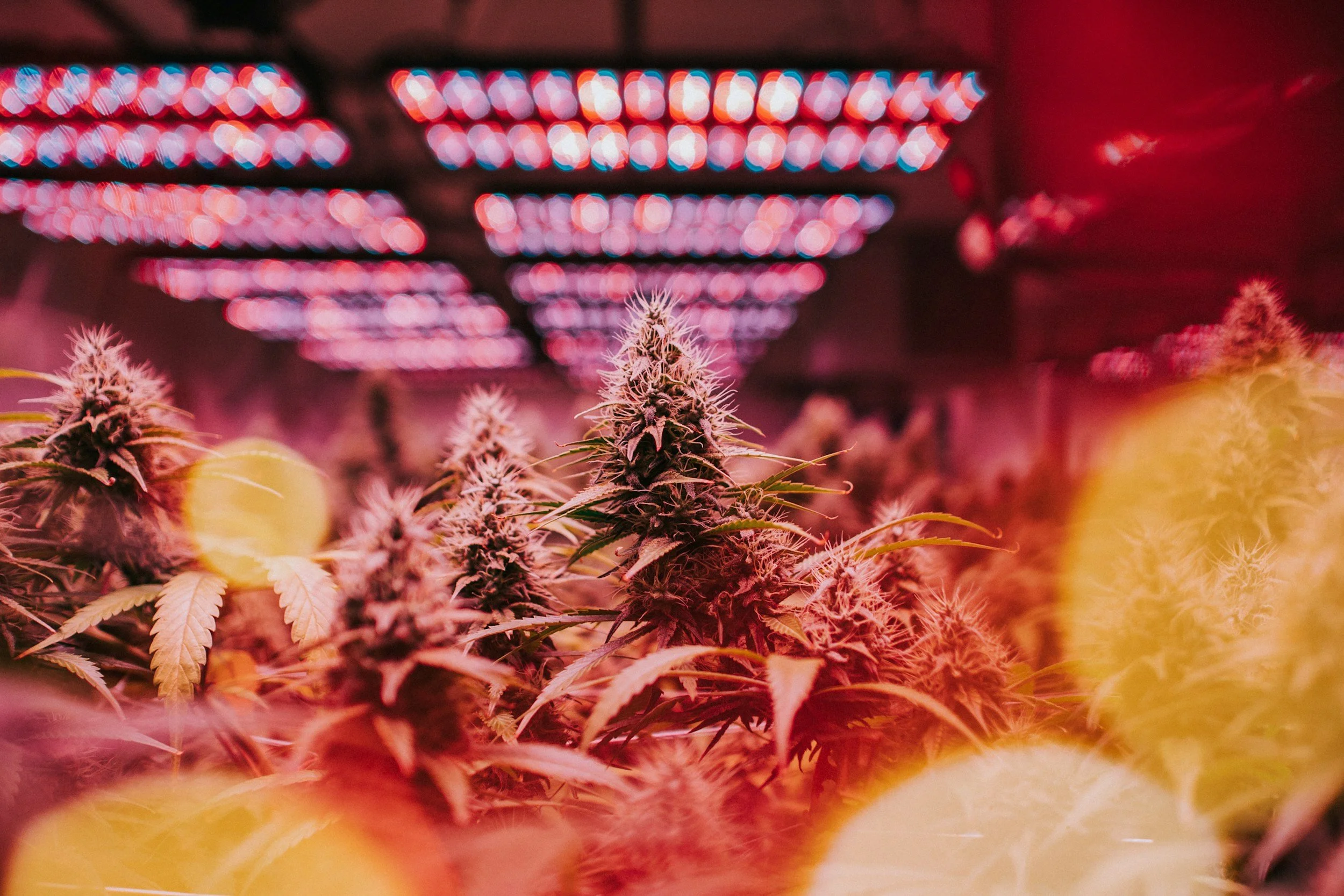
Image credit: Elle Cartier
Quick Answer: A strain's sedating or energizing effects come mainly from its terpene profile, not its indica or sativa label. Myrcene above 0.5 percent is associated with sedating, body-forward effects, while limonene, terpinolene, and pinene are associated with uplifting, alert effects. THC and cannabinoid ratios matter too, but terpenes are the most reliable predictor.
If you've ever grabbed a strain labeled "sativa" expecting energy and ended up on the couch — or reached for an "indica" expecting relaxation and found yourself wide awake — you're not imagining things, and you're not alone.
The indica/sativa classification system was never designed to predict effects. It describes plant morphology — how tall a plant grows, how wide its leaves are, how long it takes to flower. Somewhere along the way, the cannabis industry attached a set of effect predictions to these botanical labels that the science doesn't actually support. And millions of consumers have been making purchasing decisions based on that mismatch ever since.
Here's what actually determines whether a cannabis product makes you feel sleepy or energized — and how to use that information when you're shopping.
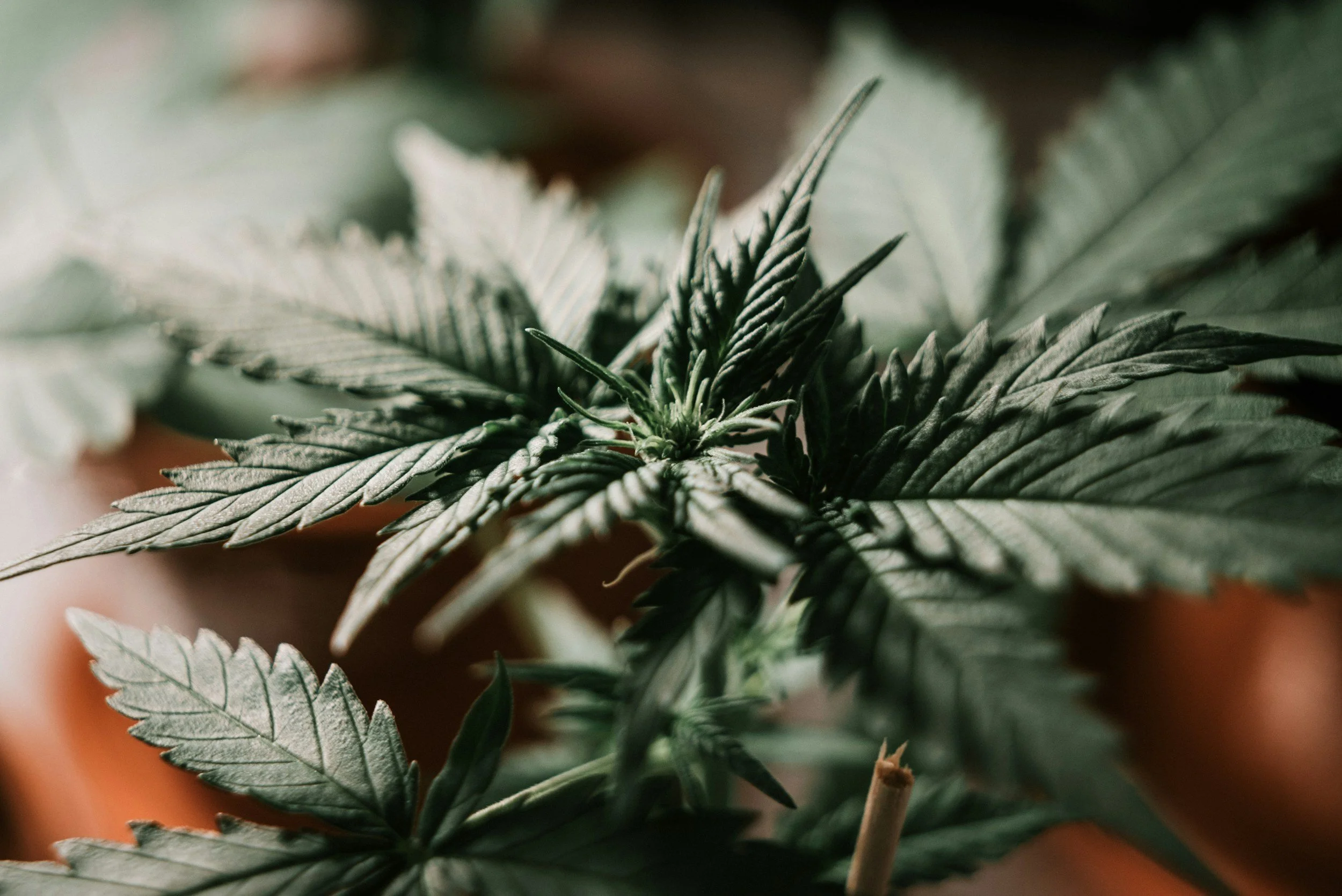
Image credit: GRAS GRÜN
The Problem with Indica/Sativa as an Effects Guide
The idea that indica strains are universally sedating and sativa strains are universally energizing is one of the most persistent myths in consumer cannabis. Research on the actual chemical composition of commercial cannabis has found that the indica/sativa distinction does not reliably predict cannabinoid or terpene profiles — which means it cannot reliably predict effects.
A study published in PLOS ONE analyzing the phytochemical diversity of commercial U.S. cannabis found that indica, sativa, and hybrid labels do not map cleanly onto distinct chemical groups. In other words, two products sold as "indica" can have dramatically different terpene profiles, and therefore dramatically different effects. The label tells you something about the plant's ancestry and growth pattern. It doesn't tell you how you're going to feel.
So what does predict effects more reliably? The terpene profile.
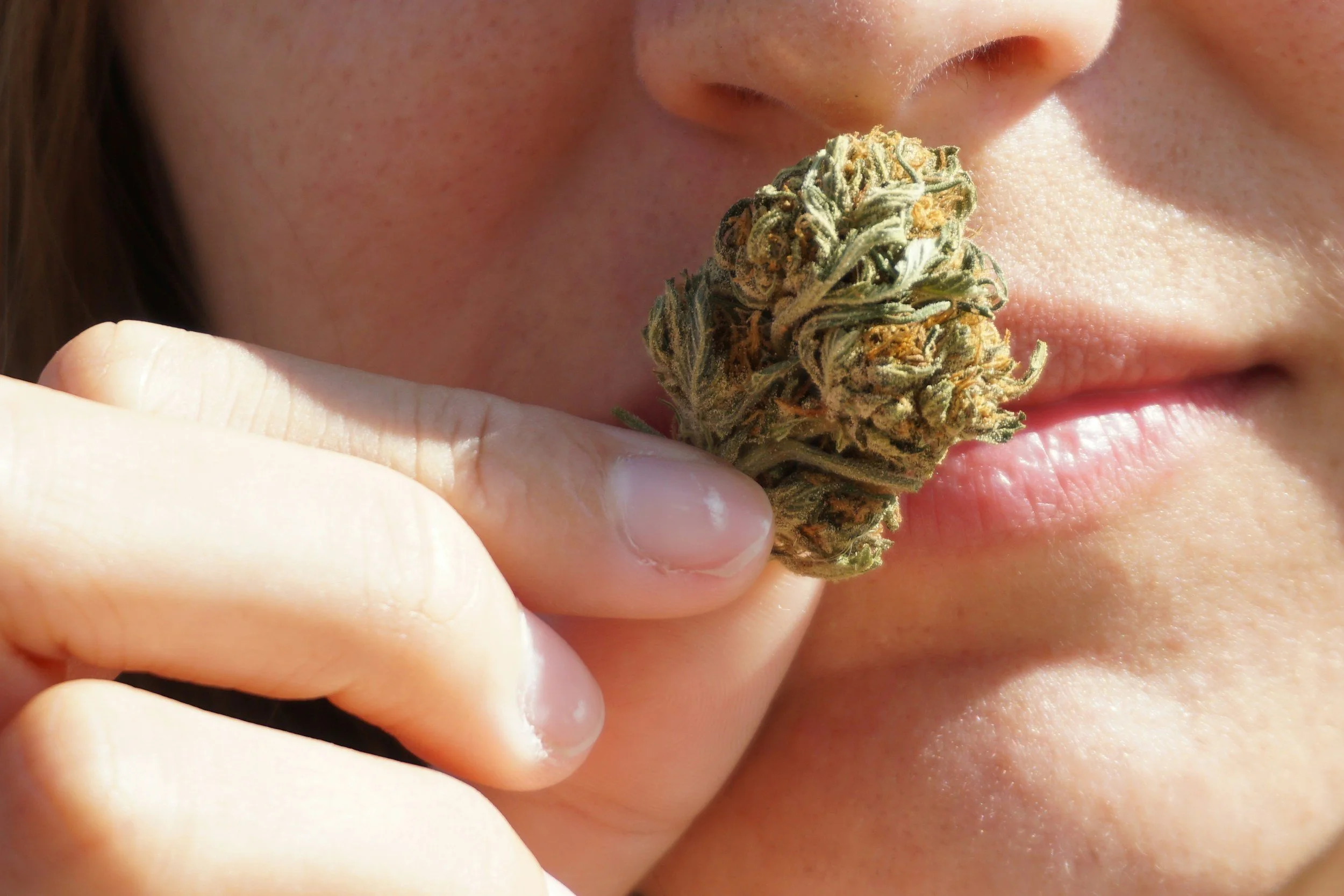
Image credit: Elsa Olofsson
Terpenes: The Real Determinant of Sedating vs. Energizing Effects
Terpenes are the aromatic compounds responsible for cannabis's distinctive smells — earthy, citrusy, piney, floral, diesel-like. They're produced alongside cannabinoids in the trichomes of the plant, and they interact with the endocannabinoid system, serotonin receptors, dopamine pathways, and other receptor systems in ways that shape the character of the cannabis experience.
The critical insight is this: two products with identical THC percentages can feel completely different if their terpene profiles are different. A high-myrcene strain and a high-limonene strain at 22 percent THC will not deliver the same experience, because the terpenes are modulating how the THC interacts with your nervous system.
Here's how the key terpenes map to sedating versus energizing effects — with honest acknowledgment that while the terpene-effect associations are supported by research and consistent user experience, the direct clinical evidence for terpene-specific effects in cannabis is still developing.

Image credit: Annie Spratt
Terpenes associated with sedating, relaxing effects:
Myrcene is the most abundant terpene in most commercial cannabis strains and the clearest marker of sedating effects. Research on the cannabis terpenes documents that myrcene concentrations above 0.5 percent are associated with what consumers often call "couch lock" — a heavy, body-forward sedating experience. At concentrations below 0.5 percent, myrcene appears to contribute to a more energetic experience. This threshold is one of the most practically useful data points in the terpene literature. If you're looking at a lab report and myrcene is the dominant terpene above 0.5 percent, expect sedating effects.
Linalool — the primary terpene in lavender — is associated with calming and sleep-supportive effects. It's documented to interact with GABAergic transmission and has anxiolytic properties in multiple study contexts. Products with dominant linalool profiles tend toward calm and relaxation rather than sedation as heavy as myrcene-dominant strains.
Image credit: Phil Plante
Terpenes associated with uplifting, energizing effects:
Limonene produces a citrusy aroma and is associated with mood elevation, alertness, and stress relief. It's thought to boost serotonin and dopamine activity, contributing to the anxiolytic and uplifting character of limonene-dominant strains. A 2024 clinical trial (the Johns Hopkins-affiliated study we've cited in our terpene series) found limonene selectively reduced THC-induced anxiety without affecting other THC effects — which helps explain why limonene-dominant strains feel more manageable and less prone to anxious highs.
Terpinolene is a relatively less common dominant terpene but strongly associated with uplifting, creative, and clear-headed effects when it does dominate. Strains like Jack Herer and Durban Poison are known for terpinolene dominance, and their effects — energetic, cerebral, focused — reflect it.
Alpha-pinene produces a pine aroma and is associated with alertness and mental clarity. It's also documented to inhibit acetylcholinesterase — the enzyme that breaks down acetylcholine — in ways that may counteract some of THC's short-term memory effects. Pinene-forward strains tend toward clear-headed rather than foggy experiences.
Caryophyllene is unique in straddling the categories — it contributes anti-inflammatory and analgesic effects through CB2 receptor activation without being particularly sedating or energizing on its own. It's a common secondary or co-dominant terpene in both relaxing and uplifting profiles, adding depth without strongly predicting the sedating/energizing axis.

Image credit: Stephan Eickschen
The Entourage Effect: Why It's More Than Any Single Terpene
Individual terpenes don't act in isolation. The current understanding is that terpenes, cannabinoids, and other plant compounds interact with each other — a concept called the entourage effect — in ways that produce effects more nuanced than any single compound would generate alone.
It's worth being accurate about the evidence here: while exploratory research suggests various therapeutic benefits for individual terpenes, and while Russo's 2011 landmark paper established a compelling theoretical framework for how terpenes and cannabinoids interact, a 2025 comprehensive review concluded that the potential for synergistic enhancement of cannabinoid efficacy by terpenes remains unproven in clinical trials. The entourage effect is plausible, mechanistically supported, and consistent with user experience — but the direct human clinical evidence for terpene-cannabinoid synergy is still developing.
What this means practically: terpene profiles are the most useful predictor of effects we have access to as consumers right now, and they're meaningfully more reliable than indica/sativa labels. But they're still guidelines rather than guarantees, and individual variation in response always exists.
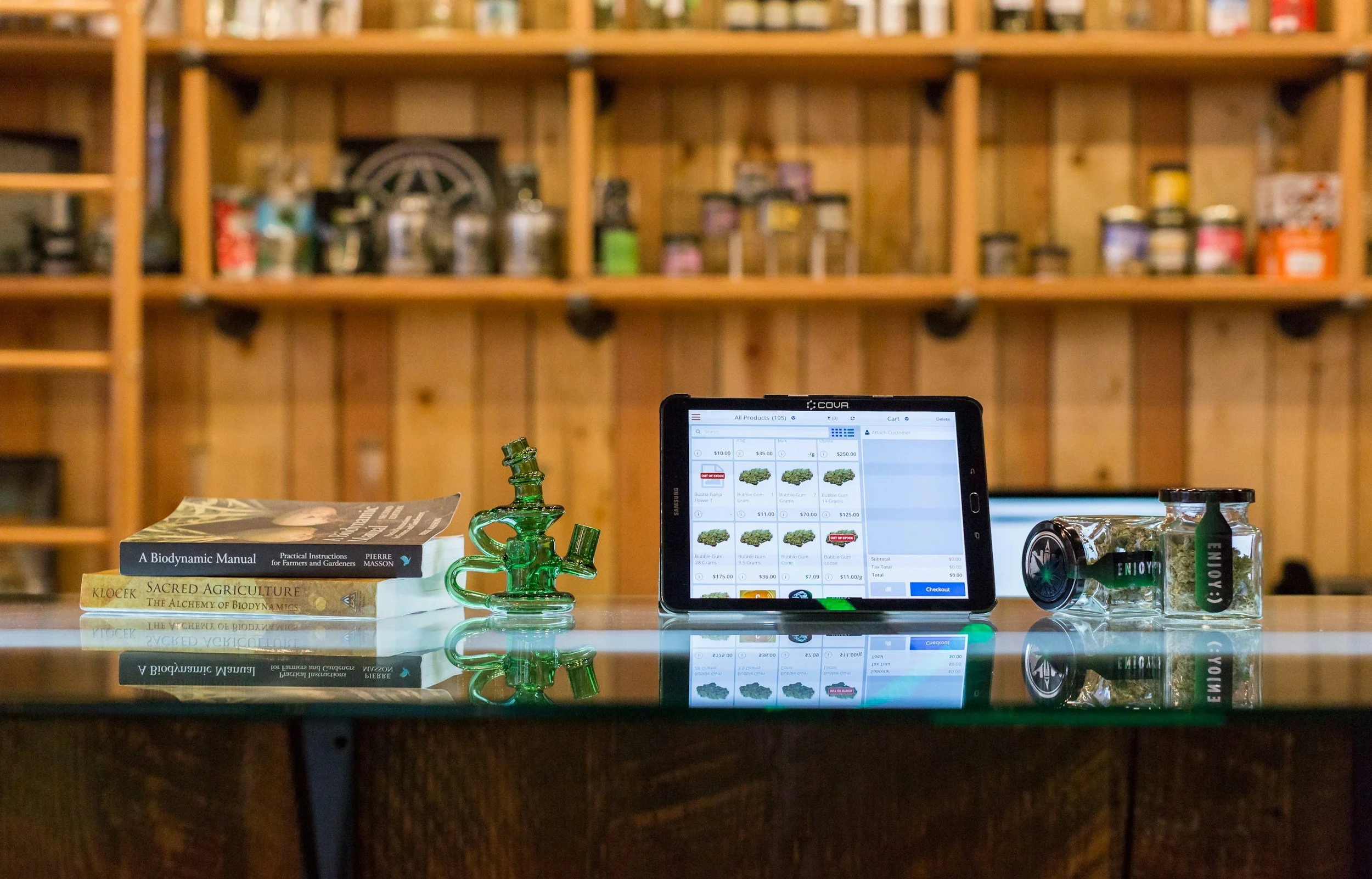
Image credit: Cova Software
How to Use Terpene Information When Shopping
Look for the COA terpene panel. Products from quality-conscious brands will include a Certificate of Analysis that shows the dominant terpenes alongside cannabinoid percentages. Ask your budtender for this if it's not on display.
Identify the dominant terpene. The terpene listed at the highest percentage is the most likely predictor of the character of the experience. If myrcene is dominant above 0.5 percent, expect sedating. If limonene or terpinolene leads, expect uplifting.
Consider the secondary terpenes. The full profile matters — a strain with myrcene as the dominant terpene but significant limonene and pinene as secondaries may feel less heavily sedating than a pure myrcene-dominant profile.
Match the terpene profile to your timing. Myrcene-dominant and linalool-forward strains are better suited to evenings, winding down, and sleep support. Limonene, terpinolene, and pinene-forward strains are better for daytime use, creative work, and social situations.
Smell is information. Your olfactory response to a cannabis product is partly your nervous system giving you early information about the terpene profile. Strong citrus aromas signal limonene. Earthy, musky aromas signal myrcene. Pine signals pinene. If you've developed preferences based on aroma, those preferences are often tracking the terpene profile more accurately than the strain label is.
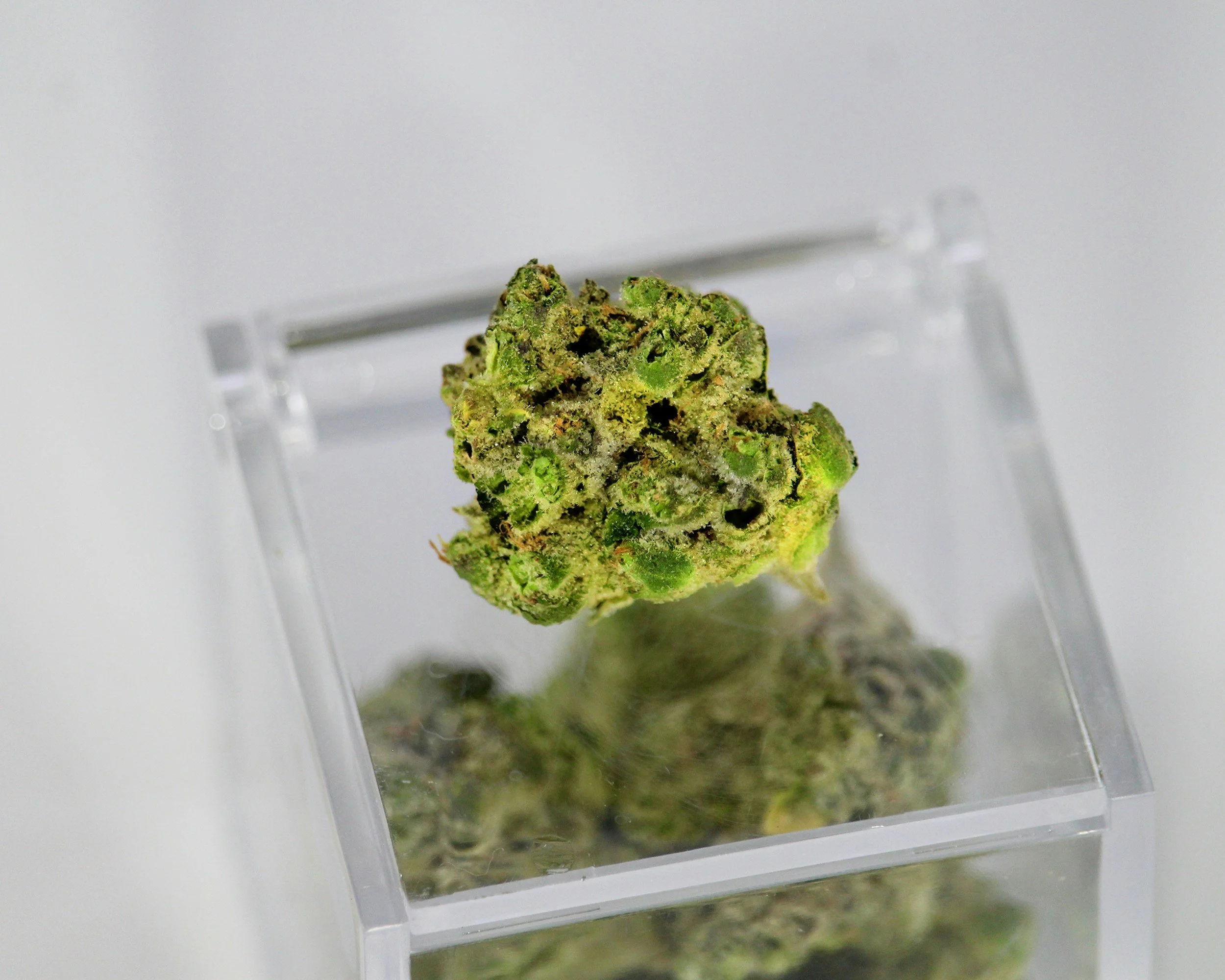
Image credit: Christina Winter
What About THC Percentage?
THC percentage contributes to intensity of experience but not primarily to the sedating versus energizing character of the effect. A 28 percent myrcene-dominant strain will feel more intensely sedating than a 15 percent myrcene-dominant strain — but both will feel sedating. A 28 percent limonene-dominant strain will feel more intensely uplifting than a 15 percent limonene-dominant strain — but both will tend uplifting.
The practical implication: chasing high THC percentages without attending to terpene profile is one of the most reliable ways to end up with a product that doesn't match what you were looking for. Terpene profile predicts character. THC percentage mostly predicts intensity.

Where Can I Find Strains That Match My Needs in Redmond?
At Hashtag Cannabis in Redmond, we're proud to carry Oz Gardenz, a family-run indoor farm whose rotating lineup makes it easy to find the right strain whether you're winding down or gearing up.
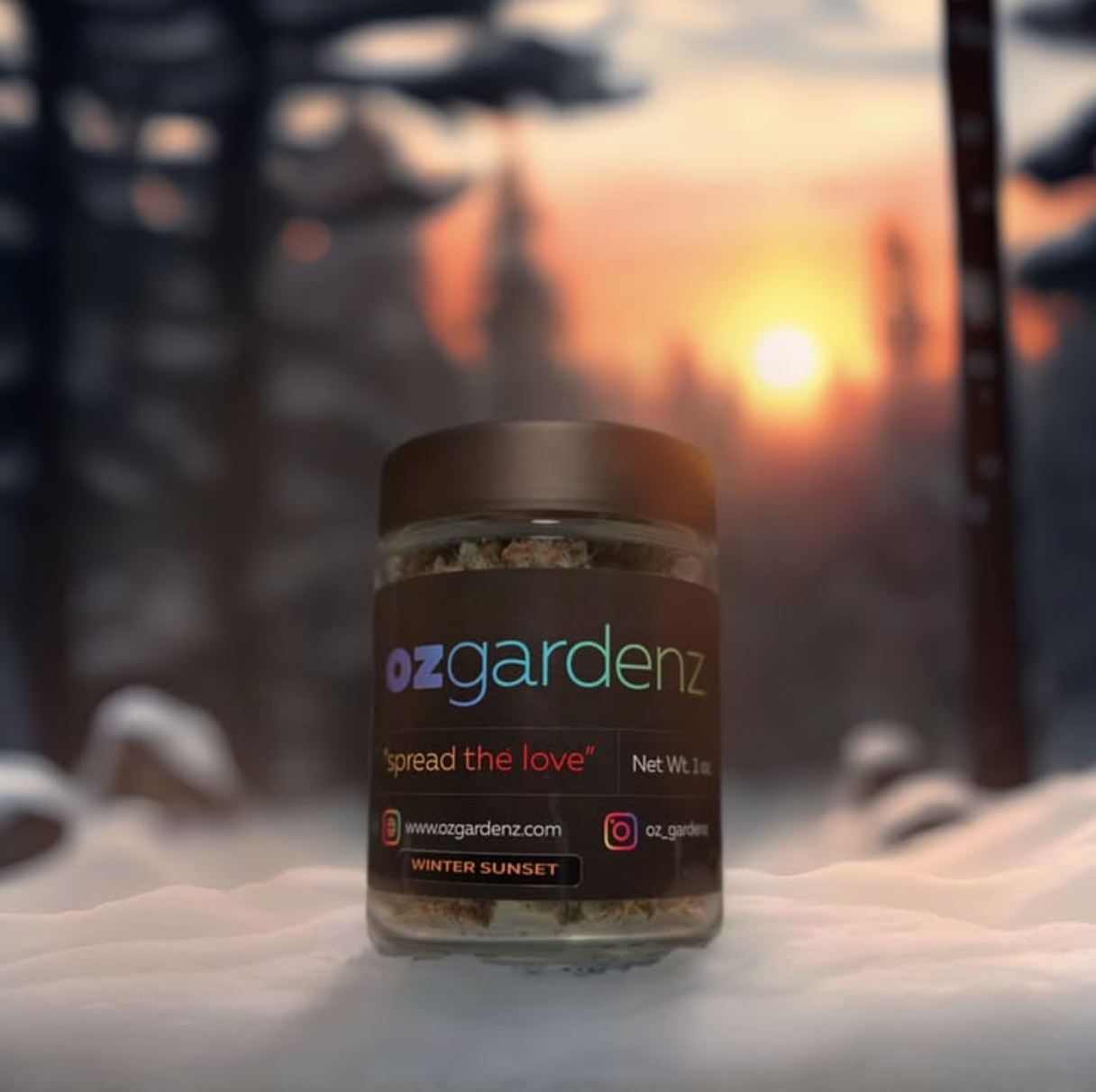
Image credit: Oz Gardenz
What Makes Oz Gardenz Special?
Oz Gardenz is a family-owned indoor farm in Bellingham where every plant is potted, watered, harvested, trimmed, and packaged entirely by hand.
That hands-on approach carries through to genetics too. They work directly with respected breeders to test new strains constantly, harvesting twice a month so there's always something fresh in rotation.
Curious where to start? Try Oz Gardenz's head-heavy Gatorbreath. Pungent, gassy, and earthy with notes of diesel and spiced citrus, Gatorbreath is the ideal choice for deep physical relaxation.
Want to learn more? Visit their instagram at: https://www.instagram.com/oz_gardenz
Want to see what's currently in stock? Shop Oz Gardenz products by clicking our online menu below.
Frequently Asked Questions About Why Strains Feel Different
Why do some cannabis strains make you sleepy and others give you energy?
The primary reason is terpene profile, not indica or sativa classification. Terpenes are the aromatic compounds produced alongside cannabinoids in cannabis trichomes, and they interact with the nervous system in ways that shape the character of the experience. Myrcene, the most abundant terpene in most commercial cannabis, is associated with sedating and body-forward effects at concentrations above 0.5 percent. Limonene, terpinolene, and pinene are associated with uplifting, alert, and energizing effects. Two strains with identical THC percentages but different terpene profiles can feel completely different.
Is the indica/sativa distinction reliable for predicting effects?
No — not reliably. The indica/sativa classification describes plant morphology: growth pattern, leaf shape, flowering time. It was not designed to predict effects, and research on commercial cannabis chemistry has found that indica and sativa labels do not map reliably onto distinct terpene or cannabinoid profiles. Two products labeled indica can have dramatically different terpene profiles, and therefore dramatically different effects. Terpene data from a lab report is a significantly more reliable predictor of effects than strain category labels.
What terpene makes cannabis sedating?
Myrcene is the most reliable indicator of sedating effects. Research on cannabis terpenes documents that myrcene concentrations above 0.5 percent are associated with the heavy, body-forward sedating experience consumers often call couch lock. It's the most abundant terpene in most commercial cannabis strains and the clearest single predictor of whether a product will lean toward relaxation and sleep or toward an energetic experience. When evaluating a product for evening or sleep use, look for myrcene as the dominant terpene above 0.5 percent.
What terpenes are best for energy and focus?
Limonene, terpinolene, and alpha-pinene are the terpenes most consistently associated with uplifting, energizing, and clear-headed cannabis experiences. Limonene has documented mood-elevating and anxiety-reducing properties and is associated with a manageable, socially functional high. Terpinolene, though less commonly dominant, is strongly associated with creative, energetic effects when it does lead the profile. Alpha-pinene is associated with mental clarity and alertness, and may counteract some of THC's short-term memory effects. Look for these terpenes as dominant or strong secondary terpenes when choosing a daytime product.
What is the entourage effect and does it actually explain why strains feel different?
The entourage effect is the concept that cannabis compounds — cannabinoids, terpenes, and flavonoids — work together synergistically to produce effects more nuanced than any single compound alone. It's a well-established concept supported by research and consistent consumer experience. However, it's worth being accurate: a 2025 comprehensive review found that the potential for synergistic enhancement of cannabinoid efficacy by terpenes remains unproven in direct human clinical trials. Terpene-effect associations are well-supported by pharmacological research and user experience, but the precise mechanisms of terpene-cannabinoid interaction in humans are still being characterized.
How do I find the terpene profile of a cannabis product?
Ask for the Certificate of Analysis (COA) from your budtender or look for it on the brand's website. A full COA includes a terpene panel alongside cannabinoid percentages, showing which terpenes are present and at what concentrations. Quality-conscious brands routinely publish this information. If a product only shows THC and CBD percentages without a terpene panel, you have less information to work with. The dominant terpene — the one listed at the highest percentage — is your strongest predictor of the character of the experience.
Want to learn more about cannabis science and THC education?
Then check out our collection of related posts here!
For more on Cannabis Science & Plant Biology, visit: Cannabis Science & Plant Biology
For more on THC Education, visit: THC