
What Is Aeroponic Cannabis Cultivation?
By Jeff Eckenrode
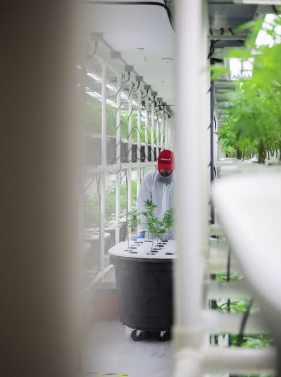
Image credit: Redbird
Quick Answer: Aeroponic cultivation grows cannabis with roots suspended in open air and misted with a fine spray of nutrient-rich water instead of planting in soil. Redbird uses this method because it dramatically cuts water use, can shorten harvest cycles, and gives growers precise control over each plant's environment.
Have you ever picked up a jar of flower and wondered what actually happened before it landed on the shelf?
Most people picture cannabis growing the way a garden grows: soil, sunlight, water.
But some of the most dialed-in cannabis in Washington never touches soil at all.
That's aeroponics, and it's one of the more fascinating growing methods in the industry today.
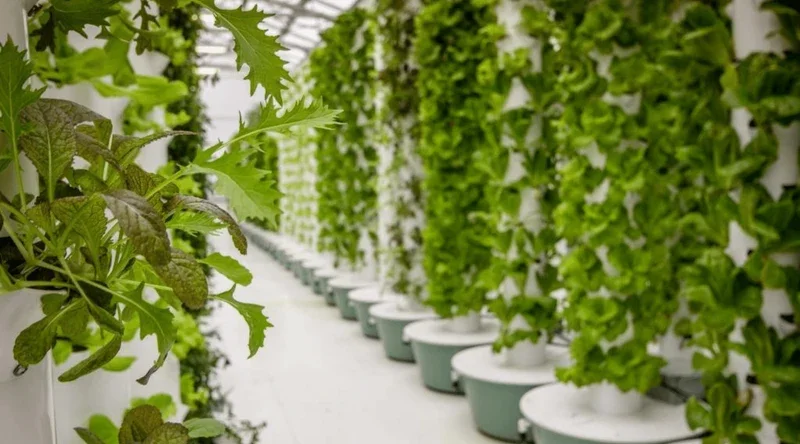
Image credit: Planted Places
So What Exactly Is Aeroponic Growing?
Aeroponics suspends a plant's roots in open air inside a fully enclosed chamber. Instead of drawing nutrients from soil, the roots are misted on a timed cycle with a fine spray of water and dissolved nutrients. No dirt, no growing medium, just roots and air and a carefully controlled mist.
It sounds almost too simple to work, but the science behind it is what makes it effective. When roots are suspended in air rather than packed into soil, they have constant access to oxygen. That's a bigger deal than it might sound like.
In traditional soil growing, roots can only access as much oxygen as makes it through the soil structure, and overwatering can suffocate them. Aeroponic roots never face that tradeoff.
They get maximum oxygen and maximum nutrient delivery at the same time, which lets the plant put more of its energy into growth rather than into working around a limited root environment.
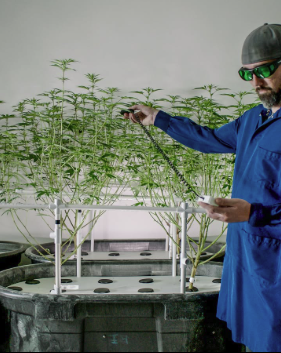
Image credit: Redbird
Isn't This Just Hydroponics?
That's a fair question, and it's one worth clearing up. Hydroponic growing submerges roots directly in a nutrient-rich water solution, while aeroponic growing keeps roots suspended in air and only briefly misted.
The difference matters more than it might seem. Because aeroponic roots aren't sitting in standing water, they get even higher oxygen exposure than most hydroponic setups, and growers gain finer control over nutrient timing and concentration.
If you want a deeper comparison between hydroponic and soil-based growing, we've broken that down in a separate post: How is Hydroponic-Grown Cannabis Different from Soil-Grown?
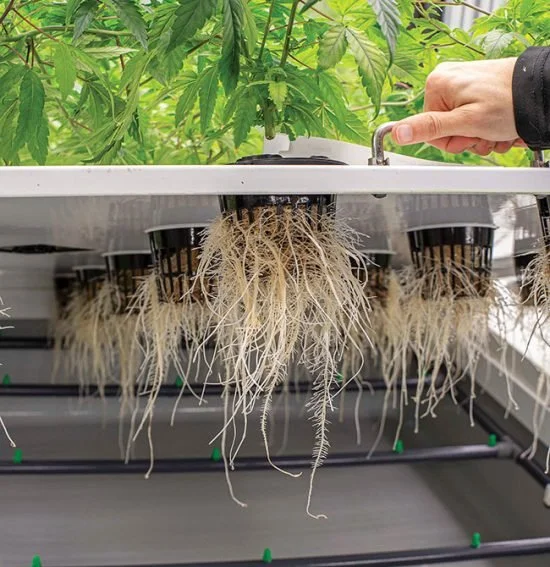
Image credit: Grow Opportunity
Why Would a Grower Choose This Method?
A few reasons keep coming up when producers explain why they've invested in aeroponic systems.
Water efficiency is the big one. Because the plant only receives what it needs in a precise misted dose, aeroponic systems can use roughly 98 percent less water than traditional hydroponic setups. In a state where sustainable cultivation is becoming a bigger part of the conversation, that's a meaningful difference.
Faster cycles are another draw. With roots getting ideal oxygen and nutrient access around the clock, some aeroponic growers report shaving weeks off a typical harvest cycle, which can mean more harvests per year from the same footprint.
Then there's control. Aeroponic systems typically run inside a fully closed environment, so temperature, humidity, CO2, and nutrient composition can all be tuned specifically for each strain rather than applied as a one-size-fits-all approach across a whole room.
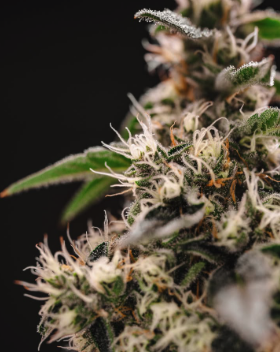
Image credit: Redbird
How Does This Show Up in the Final Product?
You're probably wondering whether any of this actually changes what you experience when you break open a jar.
Growers who use aeroponics point to consistency as the real payoff. Because every plant in the system receives nearly identical conditions, batch-to-batch variation tends to shrink.
That means the strain you loved last month should smell, taste, and hit about the same way this month too.

Where can I find Aeroponic Grown Cannabis?
At Hashtag Cannabis in Redmond, we’re proud to offer Aeroponic grown products by Redbird.
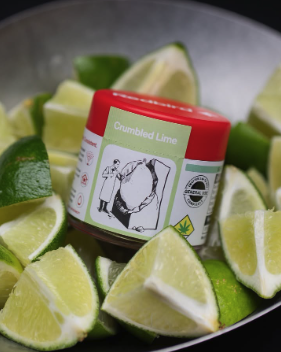
Image credit: Redbird
What Makes Redbird Special?
Redbird is one of the very few Washington producers putting this growing method into practice at scale.
Their high-pressure aeroponic system suspends roots in a closed, controlled environment and mists them with a fine spray of nutrients, an approach they've built their entire cultivation philosophy around.
The result? Flower, pre-rolls, and vapes grown with an emphasis on consistency from harvest to harvest, along with a cultivation footprint that uses significantly less water than conventional methods.
If you're curious what aeroponically grown flower actually tastes and smells like, Redbird is the best place to start exploring for yourself.
Want to learn more? Visit their website at: redbird-cannabis.com
FAQ about Aeroponic Cannabis Cultivation
What is aeroponic cannabis cultivation?
Aeroponic cultivation is a growing method where a plant's roots are suspended in open air inside an enclosed chamber rather than planted in soil or submerged in water. The roots are misted on a timed cycle with a fine spray of water and dissolved nutrients, giving them constant access to oxygen while still delivering everything the plant needs to grow. It's used by some Washington cannabis producers, including Red Bird, as an alternative to traditional soil-based growing.
How is aeroponics different from hydroponics?
Hydroponic growing submerges plant roots directly in a nutrient-rich water solution, while aeroponic growing suspends roots in air and only briefly mists them on a set cycle. Because aeroponic roots aren't sitting in standing water, they typically receive even greater oxygen exposure than hydroponic systems, and growers gain more precise control over exactly when and how much nutrient solution the plant receives.
Does aeroponic growing affect cannabis potency or flavor?
Growers who use aeroponic systems often point to consistency rather than a dramatic potency shift as the main benefit. Because every plant receives nearly identical oxygen, nutrient, and environmental conditions, batch-to-batch variation tends to be smaller than in less controlled growing methods. That consistency can mean a more predictable smell, flavor, and experience from harvest to harvest.
Is aeroponically grown cannabis more environmentally friendly?
Aeroponic systems can use significantly less water than traditional hydroponic setups, in some cases around 98 percent less, since the plant only receives a precisely timed misted dose rather than sitting in a standing nutrient solution. This water efficiency is one of the most commonly cited environmental advantages of the method among growers who use it.
What are the downsides of aeroponic cultivation?
Aeroponic systems require a high level of environmental control and consistent equipment function, since roots have no soil or standing water to fall back on if a misting cycle is interrupted. That makes the method more equipment-intensive and technically demanding to run at scale compared to traditional soil cultivation, which is part of why it hasn't been widely adopted across the entire industry.
Where can I find Red Bird cannabis products in Redmond?
Red Bird's aeroponically grown flower, pre-rolls, and vapes are available at Hashtag Cannabis in Redmond. Availability rotates with our current strain lineup, so check our online menu or ask a budtender in-store to see what's currently on our shelves.
Want to learn more about cannabis science and plant biology?
Then check out our collection of related posts here!