
What Makes Cannabis Flower Sticky? Understanding Trichomes & Resin Production
By Jeff Eckenrode
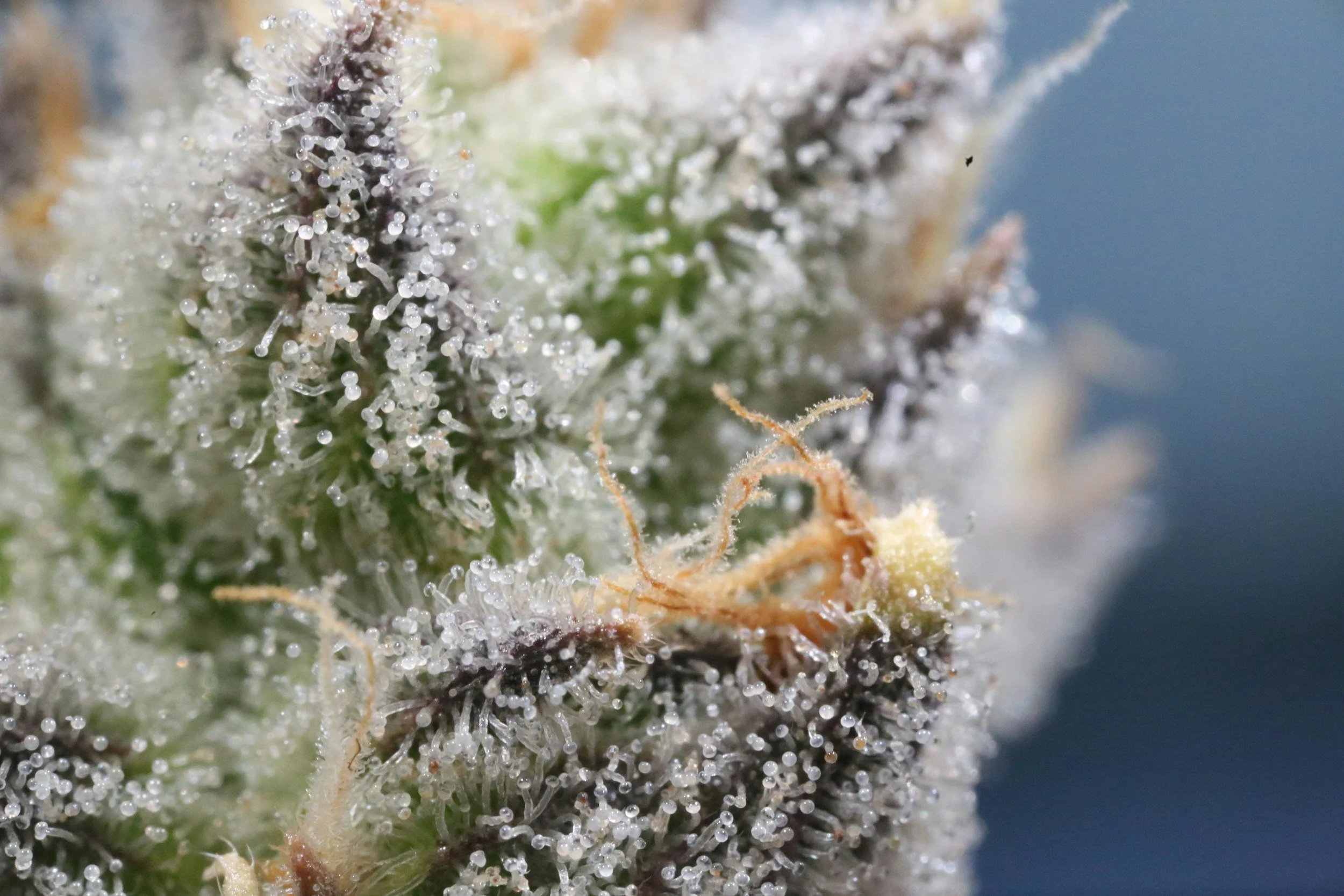
Image credit: XRP Relic
Quick Answer: Sticky cannabis flower is usually a sign of healthy trichomes and strong resin production. Trichomes are tiny resin glands that produce cannabinoids and terpenes. When flower feels sticky, it often means those compounds are abundant and intact. This is different from wet or damp cannabis, which can signal poor curing or storage rather than quality.
If you have ever picked up a bud that clings to your fingers, you have experienced one of the clearest signs of high-quality cannabis.
Sticky flower is often prized by consumers, but the reason behind that stickiness is not always understood.
So why is cannabis flower sticky, anyway?
To know why weed is sticky (and why it’s important), let’s take a look at trichomes and how cannabis plant resin is produced.
Image credit: Adobe
What Is a Trichome?
A trichome is a microscopic, crystal-like structure that forms on the surface of cannabis flowers and sugar leaves.
These resin glands protect the plant from pests, UV light, and environmental stress.
More importantly for consumers, trichomes are where cannabinoids and terpenes are made.
There are several types of trichomes, but the most important ones found on cannabis plants are capitate-stalked trichomes.
These look like mushroom-shaped glands and they give cannabis flower its frosty, sparkling appearance.
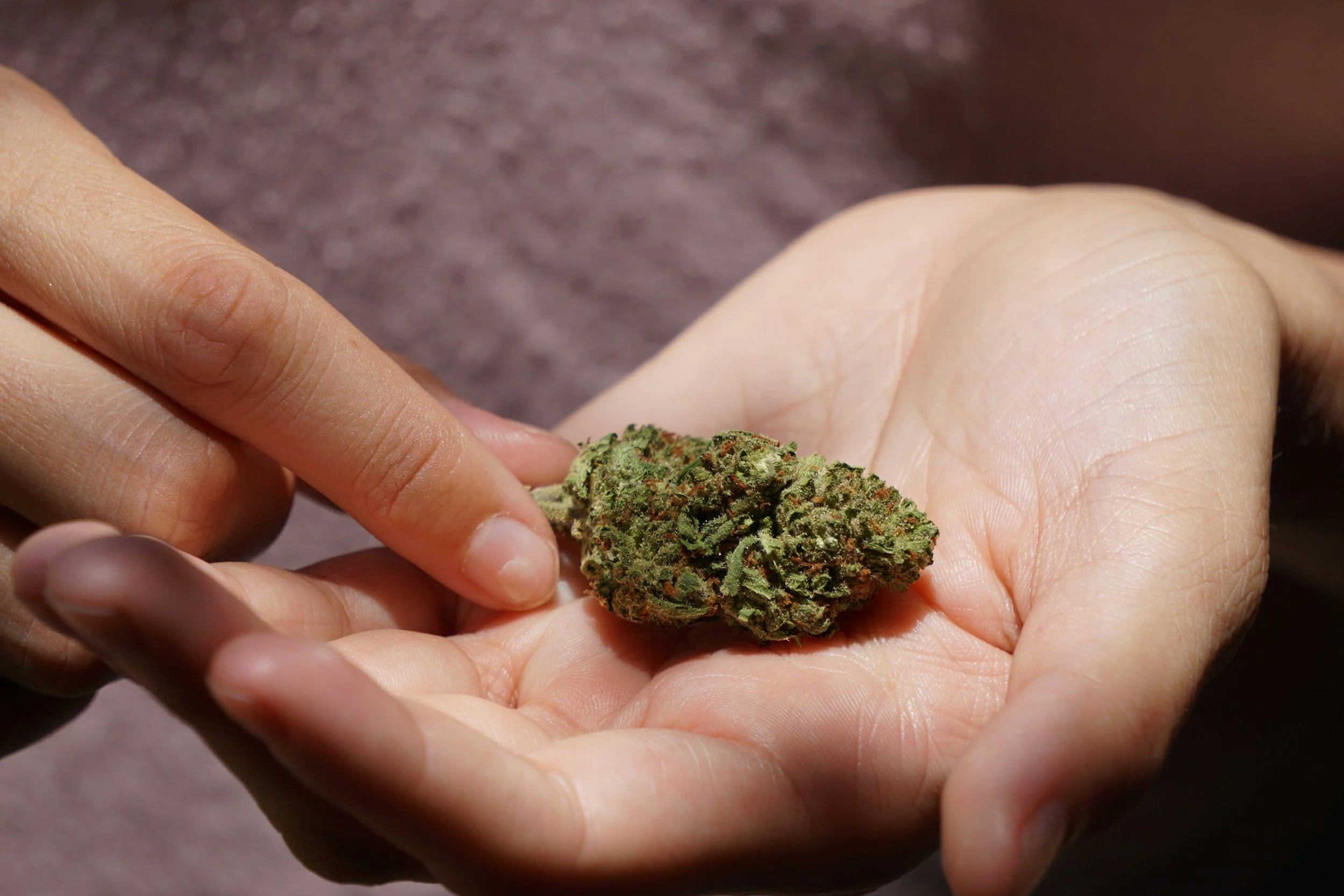
Image credit: Elsa Olofsson
How Trichomes Create Stickiness
Trichomes produce a sticky resin that contains THC, CBD, and aromatic terpenes. When these resin heads are intact and abundant, the flower feels tacky to the touch.
Sticky cannabis is a result of:
High trichome density
Mature resin glands
Proper harvesting and curing
Careful handling that preserves trichomes
When trichomes remain whole, they release small amounts of resin when handled, creating that classic sticky feeling.
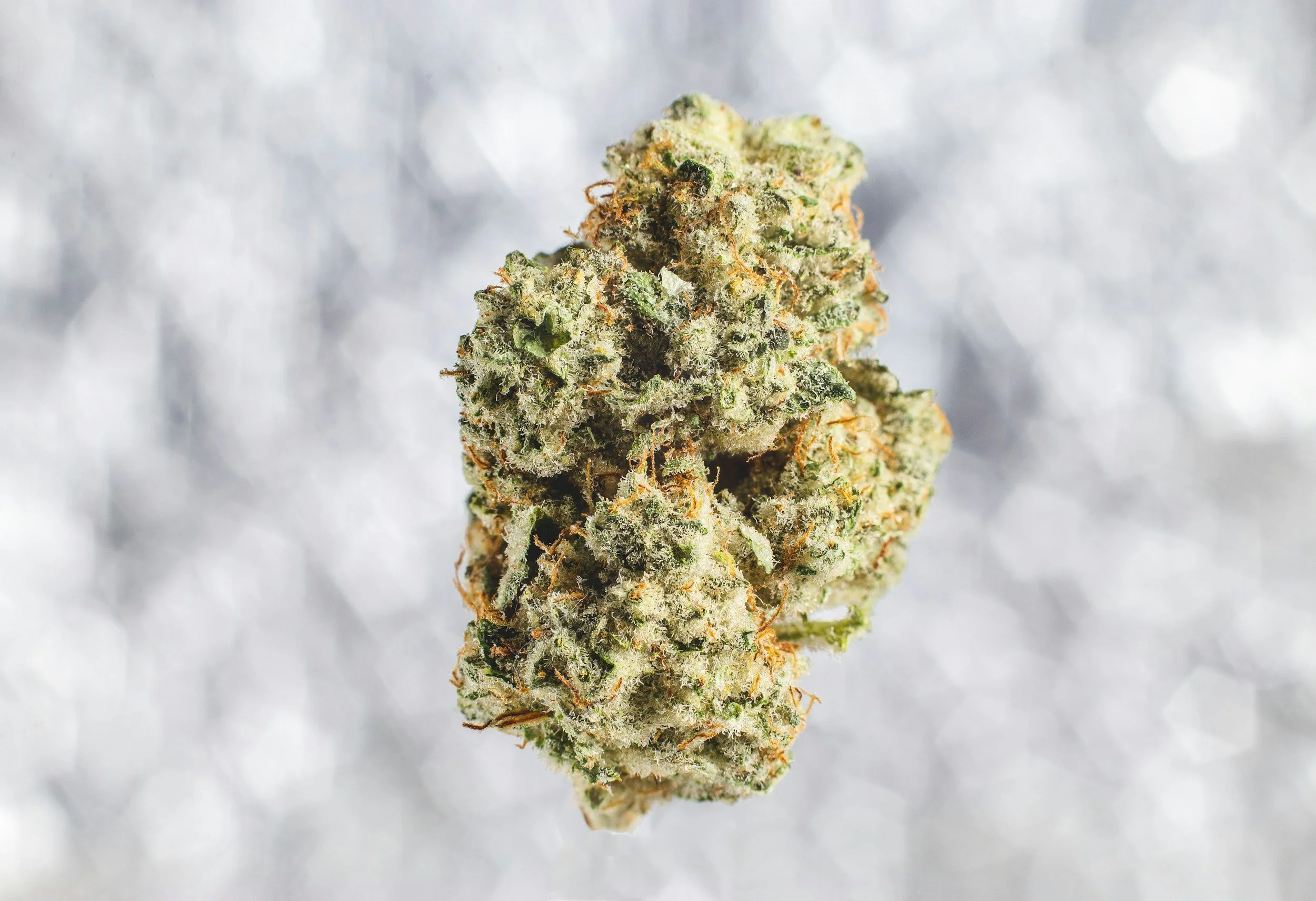
Image credit: Jeff W
Sticky vs Wet or Damp Cannabis
It is important to distinguish between sticky flower and wet or damp cannabis. They are not the same thing.
Sticky cannabis:
Feels tacky but not spongy
Breaks apart cleanly
Burns evenly when smoked
Indicates intact trichomes and healthy resin production
Wet or damp cannabis:
Feels soft, heavy, or moist
Often smells grassy or muted
May burn poorly or crackle
Can signal improper drying or curing
Wet flower can increase the risk of mold and reduces overall quality.
Sticky flower, on the other hand, is a sign that the plant was grown, harvested, and cured correctly.
Image credit: Elsa Olofsson
Why Sticky Weed Matters
Many people assume stickiness only means high THC, but that is not always the case.
Stickiness reflects resin content, not just THC percentage.
Here is why sticky weed is important regardless of THC level:
Resin contains cannabinoids and terpenes that shape effects
Terpenes contribute to flavor, aroma, and experience
Full resin production supports a stronger entourage effect
A flower with moderate THC but rich trichome coverage can feel more satisfying than a higher-THC flower with poor resin preservation.
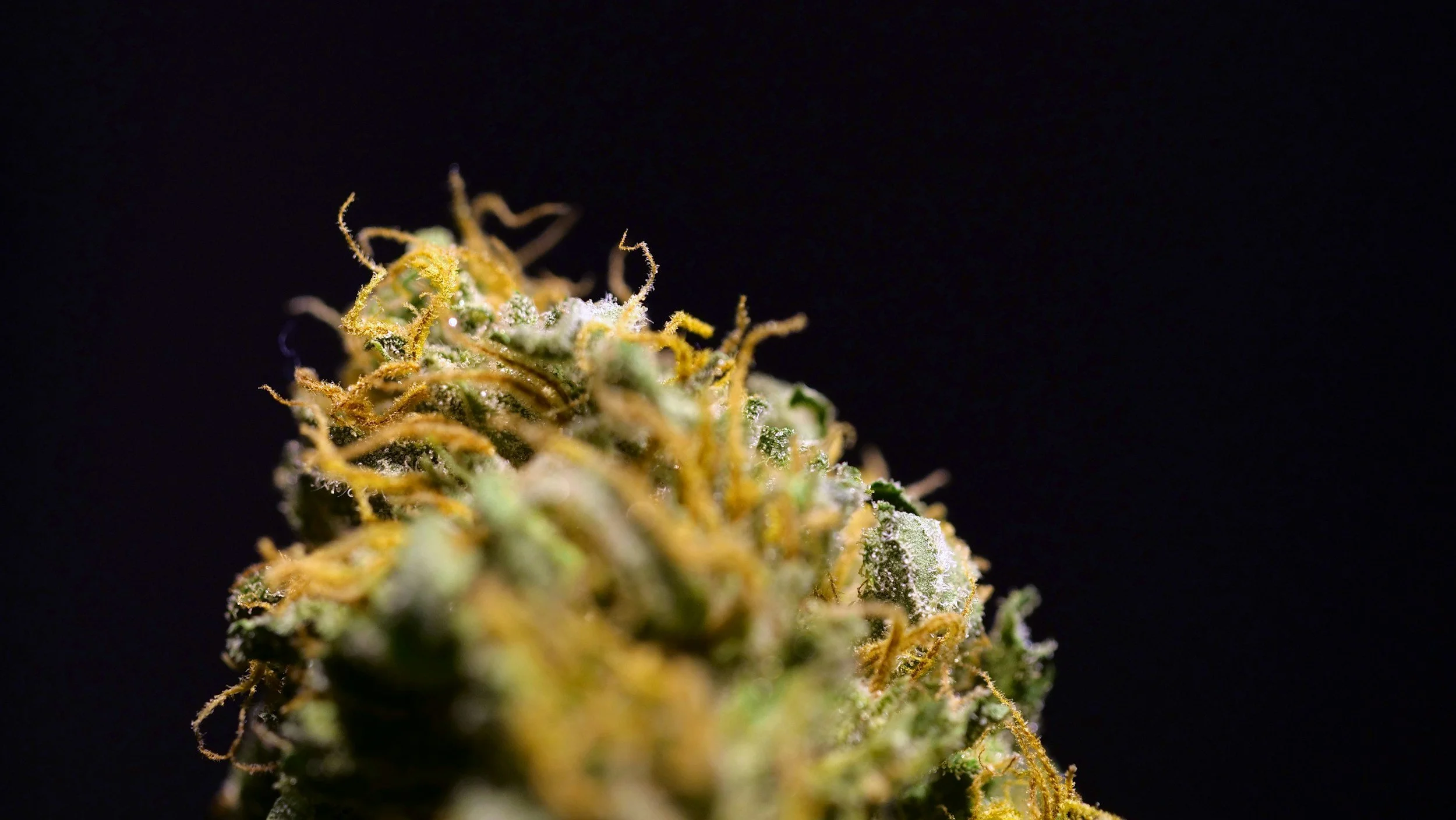
Image credit: Jack H
Factors That Influence Resin Production
Several factors determine how sticky cannabis becomes:
Genetics: Some strains naturally produce more trichomes
Growing conditions: Light intensity, temperature, and stress can boost resin output
Harvest timing: Trichomes must be mature to produce maximum resin
Curing and storage: Proper curing preserves stickiness and terpene content
This is why two flowers with similar THC levels can feel completely different in potency and quality.

How to Spot High-Quality Flower at the Dispensary
When shopping for cannabis flower at Hashtag Redmond, look beyond the THC number.
Sticky buds often show signs of strong trichome health, including:
Frosty or crystal-covered appearance
Strong aroma when the jar is opened
Buds that gently stick together without feeling wet
These cues help indicate freshness, potency, and overall care throughout the growing process.
Where can I find High-Quality Cannabis products?
Whether you’re shopping online or in Redmond, we’re here to help you find what you need, when you need it. That includes cannabis products that are sticky, potent and packed with flavor!
Click on our online menu link below to see our current availability.
FAQ Why Makes Cannabis Flower Sticky?
Why is cannabis flower sticky?
Cannabis flower is sticky because of trichomes — microscopic, mushroom-shaped resin glands that coat the surface of buds and sugar leaves. These tiny structures produce a sticky resin packed with cannabinoids like THC and CBD, plus aromatic terpenes. When trichomes are intact, mature, and abundant, the flower feels tacky to the touch. Sticky flower is generally a sign that the plant was grown, harvested, and cured with care — it's a quality indicator worth paying attention to!
Does sticky weed mean it has more THC?
Not necessarily — and this is a really important distinction! Stickiness reflects overall resin content, which includes cannabinoids AND terpenes. A flower with moderate THC but rich, intact trichome coverage can actually feel more satisfying and potent than a higher-THC flower with poor resin preservation. The full combination of cannabinoids and terpenes working together through the entourage effect shapes your experience — so sticky, terpy flower often outperforms high-THC-number flower that's been poorly handled.
What are trichomes and what do they do?
Trichomes are tiny, crystal-like glands that form on the surface of cannabis flowers and leaves. Under magnification, the most important type — capitate-stalked trichomes — look like little mushrooms, which is what gives cannabis its frosty, sparkling appearance. Their job in nature is to protect the plant from pests, UV radiation, and environmental stress. For consumers, they're where all the magic happens — trichomes are the factories that produce THC, CBD, and all the terpenes responsible for flavor, aroma, and effects.
What's the difference between sticky cannabis and wet or damp cannabis?
This is a crucial distinction! Sticky cannabis feels tacky but not spongy — it breaks apart cleanly, burns evenly, and the stickiness comes from intact trichomes and healthy resin. Wet or damp cannabis feels soft, heavy, or moist, often smells grassy or muted, burns poorly, and can crackle when lit. Damp flower is a red flag — it signals improper drying or curing and can increase the risk of mold. When shopping, you want tacky and frosty, not spongy and heavy.
What factors affect how sticky cannabis flower gets?
Several variables influence trichome density and resin production. Genetics play the biggest role — some strains are naturally prolific trichome producers. Growing conditions matter too: light intensity, temperature fluctuations, and controlled stress can all encourage the plant to boost resin output as a defense mechanism. Harvest timing is critical — trichomes must be fully mature to produce maximum resin. Finally, proper curing and careful storage preserve stickiness and terpene content after harvest. Two flowers with identical THC levels can feel completely different because of these factors.
How can I identify high-quality cannabis flower at a dispensary?
Look beyond the THC percentage! Quality flower shows signs of strong trichome health that you can actually see and smell. Look for buds with a frosty, crystal-covered appearance — that's trichome density you can see with the naked eye. When the jar is opened, quality flower should have a strong, complex aroma. When handled, the buds should feel gently sticky without feeling wet or spongy. These sensory cues are often more reliable indicators of a satisfying experience than raw THC numbers alone.
Want to learn more about cannabis science and plant biology?
Then check out our collection of related posts here!