
Landrace Strains 101: What They Are and Why They Matter Today
By Jeff Eckenrode
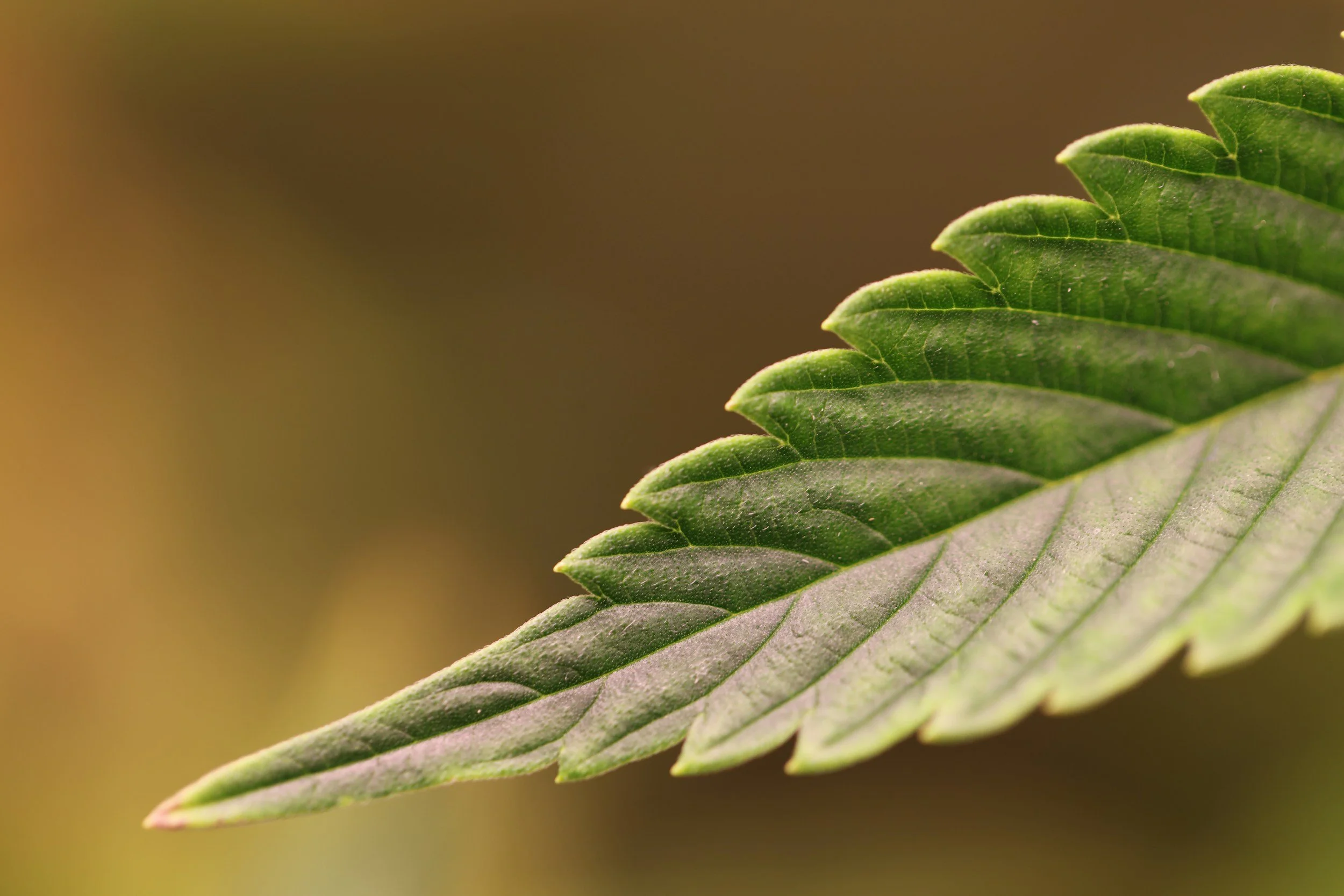
Image credit: David Trinks
Quick Answer: Landrace strains are cannabis varieties that evolved naturally in specific regions — Afghanistan, Thailand, Colombia, and more — without human crossbreeding. They're the genetic ancestors of all modern hybrids and the original source of indica and sativa traits. Today terpenes and cannabinoids are better guides to effects than landrace labels alone!
Before dispensary menus were packed with hybrids like Gelato and Wedding Cake, cannabis existed in its most natural form.
Only a few hundred years ago, cannabis grew almost exclusively in the wild.
Back then, only the soil, sun and sky could determine cannabis plant’s fate and the flavor and effects it would develop as it bloomed.
These original plants are known as landrace strains.
But what is a landrace?
Why are landrace strains important?
And how can they help us to explain how modern cannabis has evolved in the 21st century?
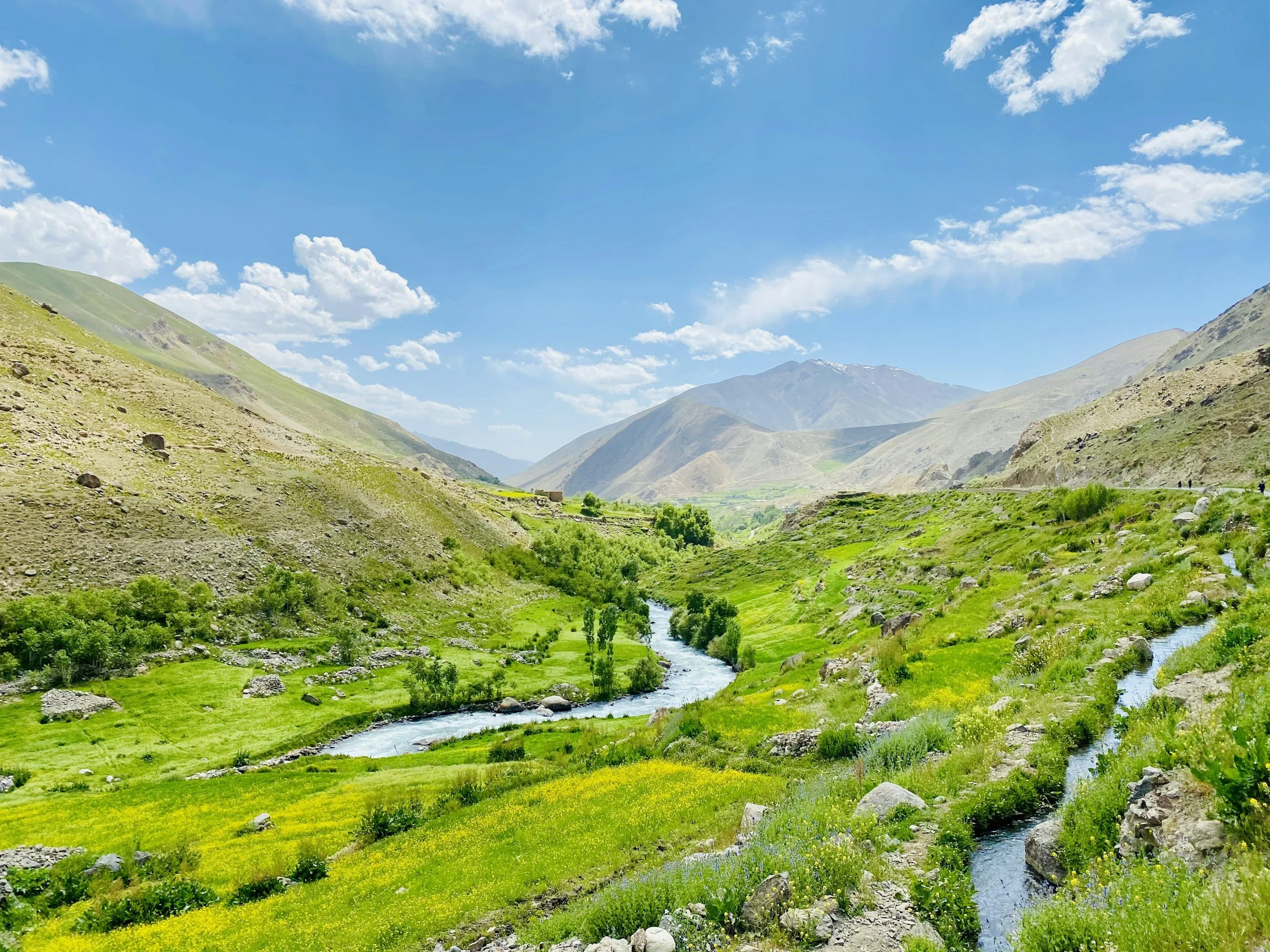
Image credit: Mohammad Rahmani
What Is a Landrace?
A landrace cannabis strain is a variety that developed over centuries in a specific geographic region.
These strains adapted naturally to their local climate, altitude, and environment, without human-directed breeding.
Classic landrace regions include:
Afghanistan and Pakistan
Thailand and Southeast Asia
India and the Hindu Kush
Mexico, Colombia, and parts of Africa
Each region shaped the plant’s structure, cannabinoid content, and terpene profile.
These differences became the foundation for how we describe cannabis today.
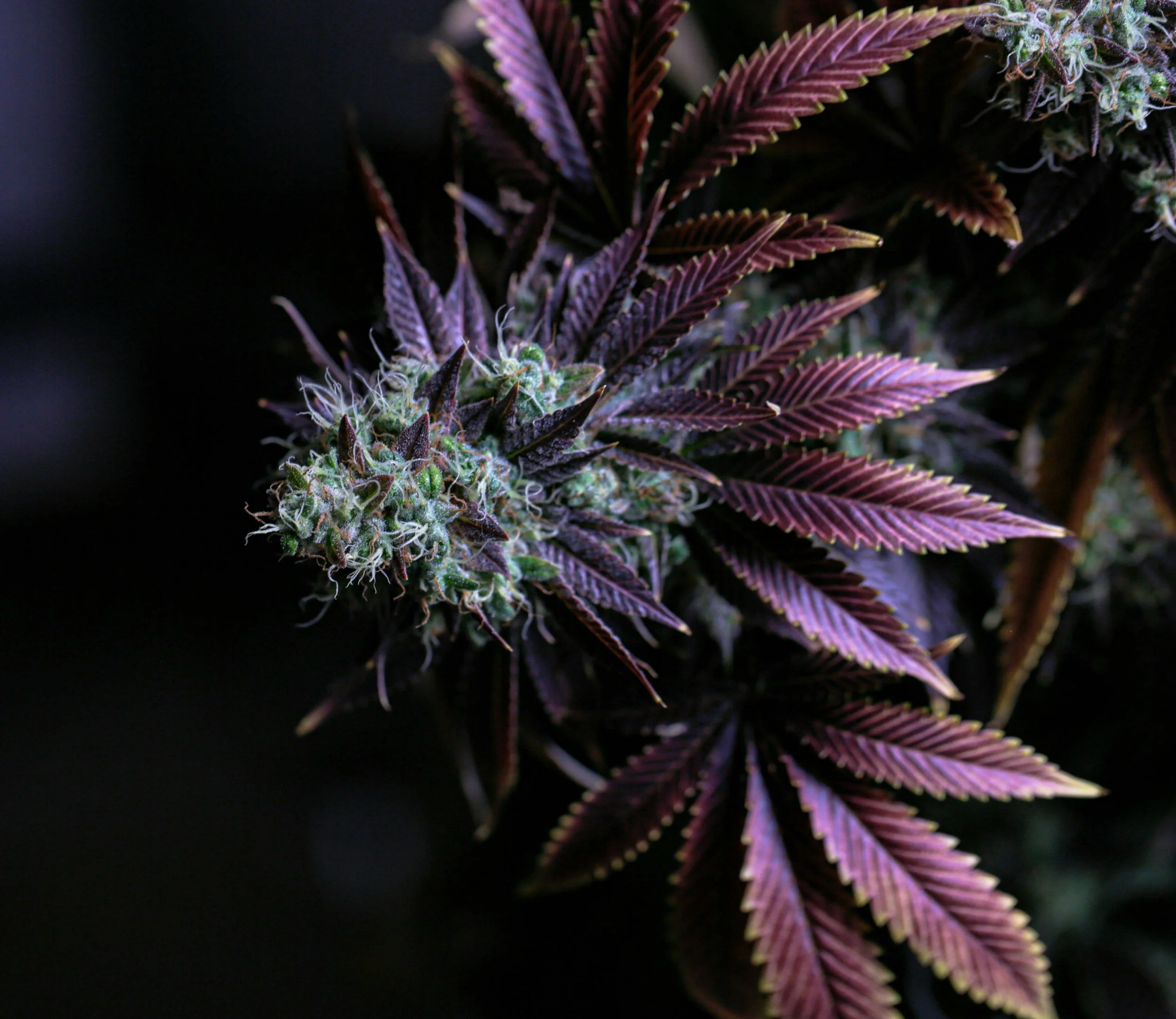
Image credit: Diyahna Lewis
Landrace Strains and the Origins of Indica and Sativa
The historical difference between indica and sativa comes directly from landrace genetics.
Indica landrace strains originated in harsher, mountainous regions like the Hindu Kush. These plants evolved to be shorter, bushier, and faster flowering.
Sativa landrace strains developed in warm, equatorial regions such as Thailand and Colombia. They grew tall with narrow leaves and longer flowering cycles.
Originally, the terms indica and sativa described how the plants grew, not how they made you feel.
Over time, these physical traits became loosely associated with effects like relaxation or energy, but those associations are not always reliable today.
This is where many consumers still get confused about the difference between indica and sativa.
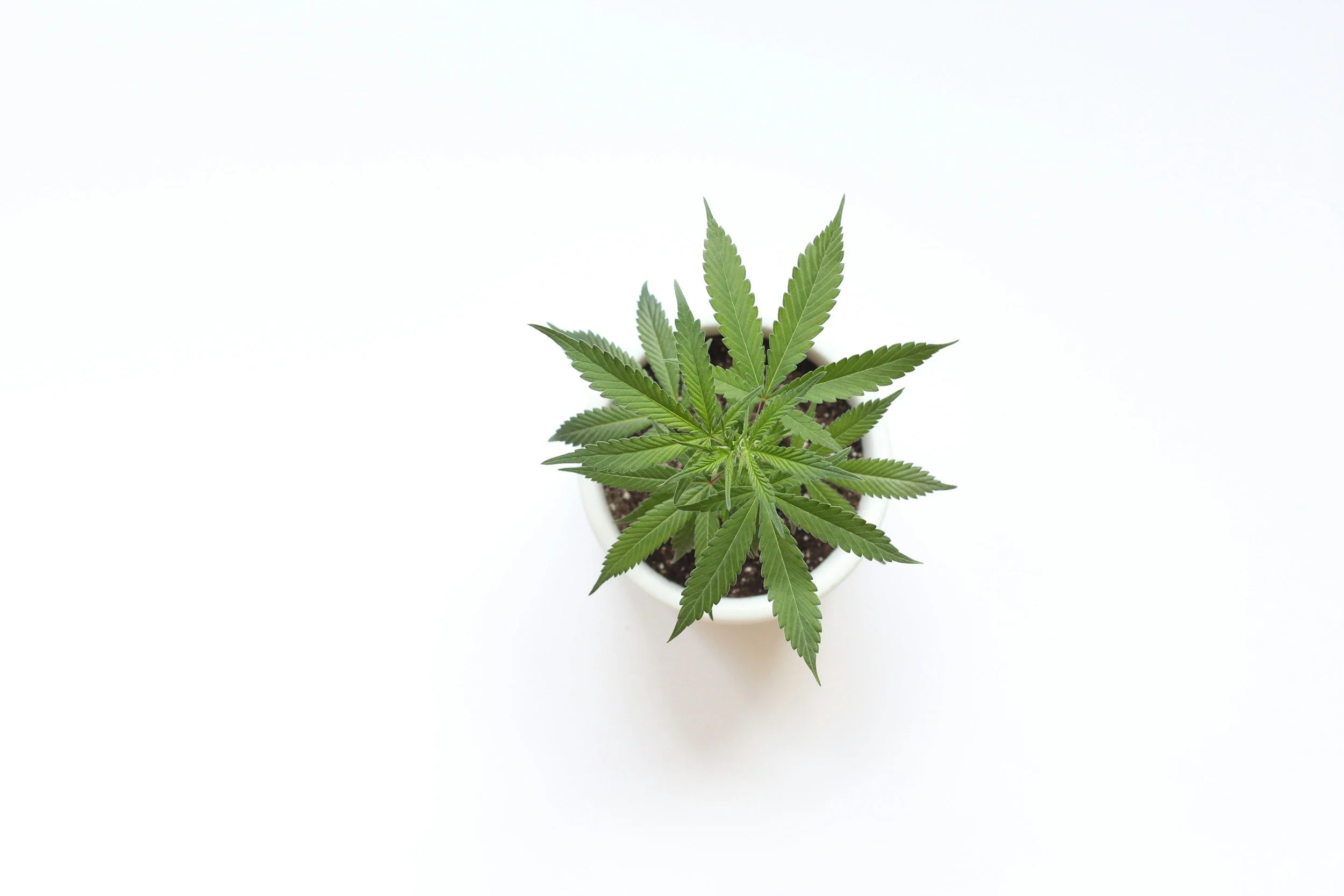
Image credit: Nick Harsell
Hybridization and Genetic Drift
Modern cannabis is almost entirely hybridized.
As growers crossed landrace strains to improve yield, flavor, and potency, the original genetics began to blur.
This process is known as genetic drift.
As hybrids became dominant:
Pure landrace strains became rare
Indica and sativa labels became less precise
Effects became harder to predict based on name alone
This is why two strains labeled “indica” can feel completely different. The genetic foundation has shifted through decades of crossbreeding.
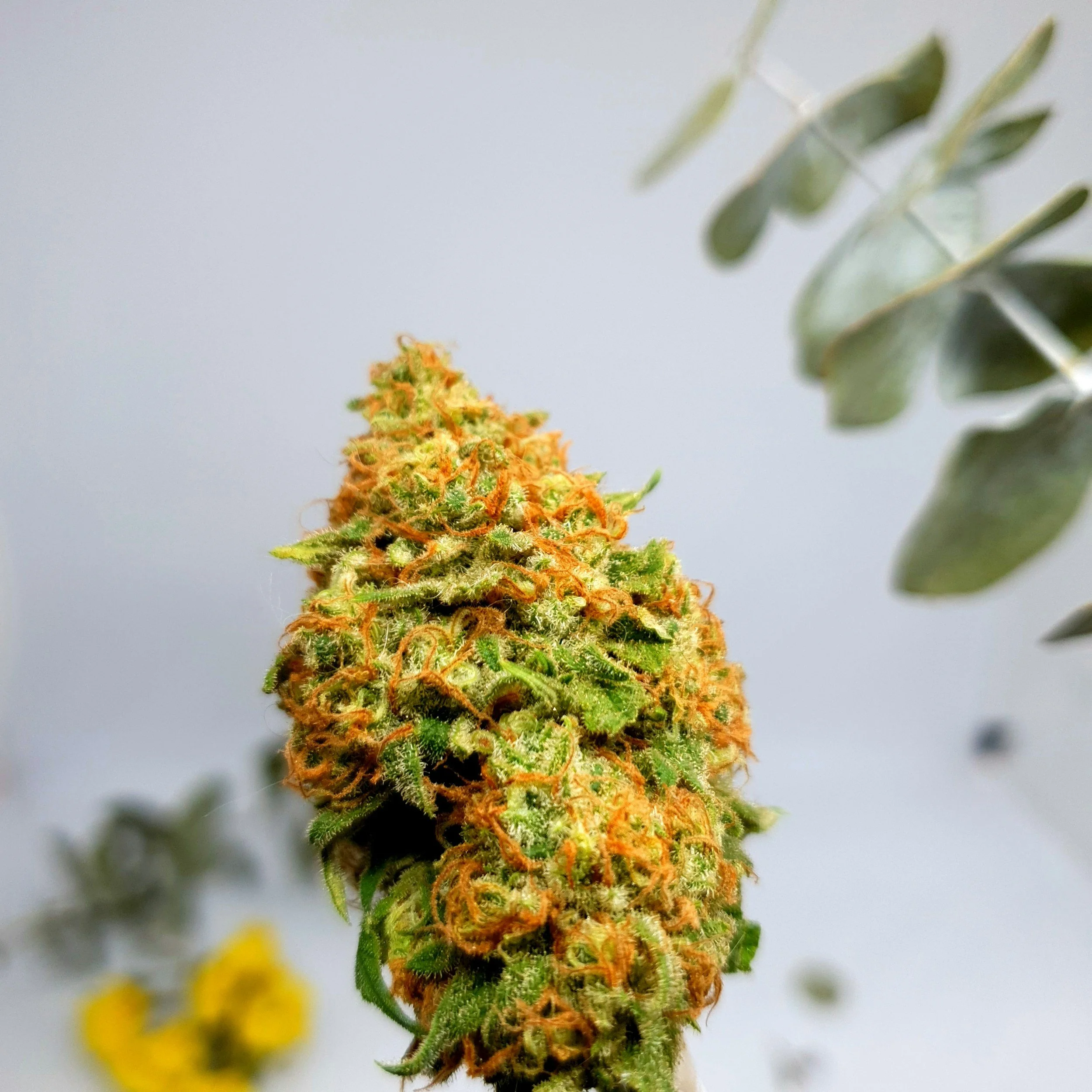
Image credit: Sebastian Lopez
Cannabinoids and Terpenes Matter More Than Labels
Today, cannabinoids and terpenes are better indicators of experience than whether a strain is called indica or sativa.
THC and CBD levels influence intensity and balance
Terpenes such as myrcene, limonene, pinene, and linalool shape mood, energy, and body effects
For example:
High myrcene strains often feel more relaxing
Limonene and pinene are commonly associated with uplifting or focused effects
Landrace strains are important because they help researchers and breeders understand how these compounds occur naturally before heavy hybridization.
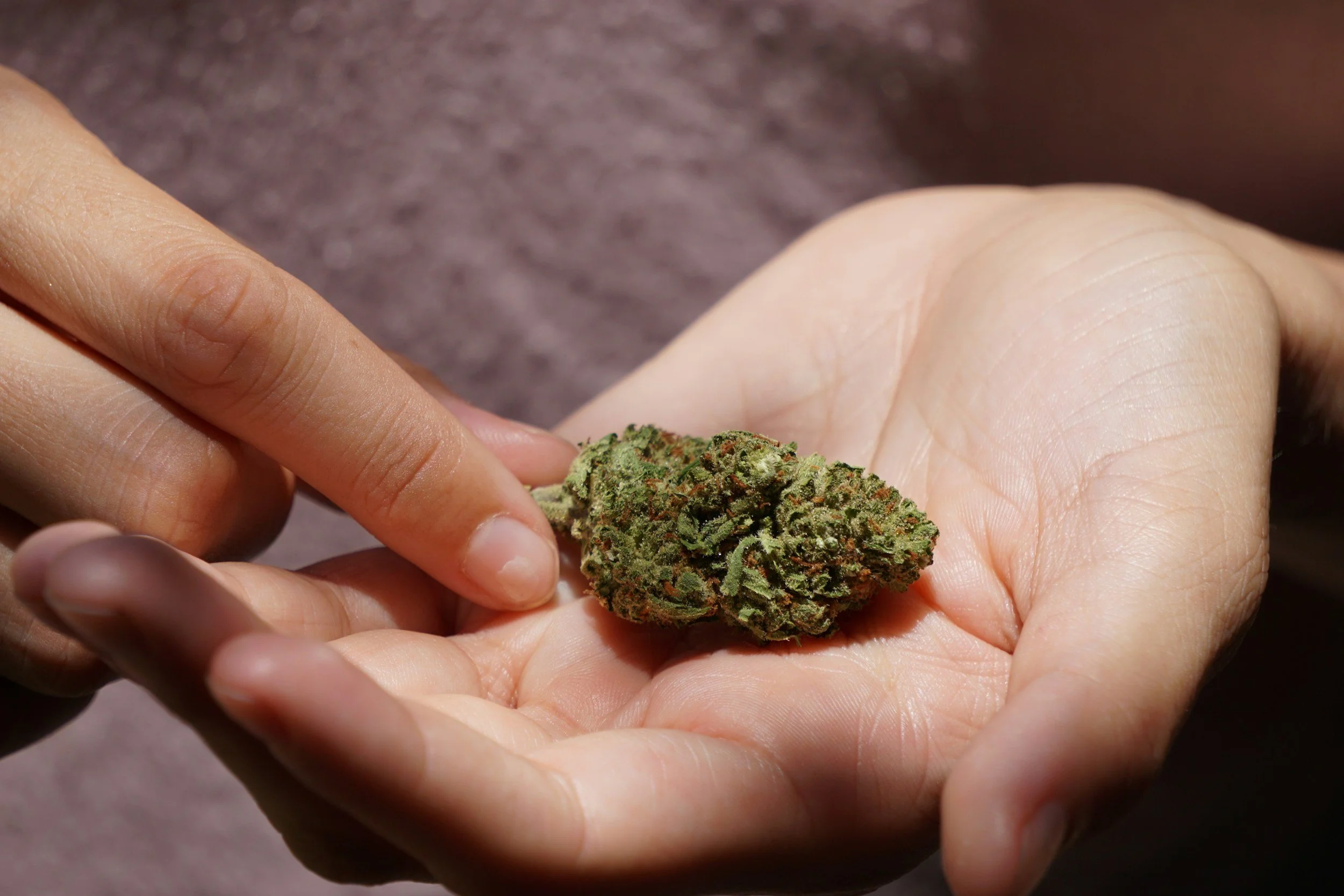
Image credit: Elsa Olofsson
Why Landrace Strains Still Matter Today
Landrace strains remain valuable for several reasons:
Genetic preservation: They protect cannabis biodiversity
Breeding foundations: Many modern hybrids trace back to landrace genetics
Educational value: They help explain how environment influences cannabinoids and terpenes
Consistency: Some consumers prefer the straightforward effects of less-modified genetics
In Washington’s regulated cannabis market, true landrace strains are rare, but their influence is everywhere.
Many familiar strains still carry landrace traits deep in their lineage.

Image credit: Cova Software
Should You Seek Out Landrace Strains?
If you ever see a true landrace strain on a menu, it can be worth exploring. These strains often offer:
Distinct effects
Unique terpene profiles
A glimpse into cannabis history
That said, most consumers will still find better consistency by shopping based on lab results, cannabinoid ratios, and terpene profiles rather than relying on indica or sativa labels alone.

Where can I find Landrace-inspired Cannabis products?
Whether you’re shopping online or in Redmond, we’re here to help you find what you need, when you need it. That includes cannabis products inspired by and derived from landrace strains!
Click on our online menu link below to see our current availability.
FAQ Landrace Strains 101
What is a landrace cannabis strain?
A landrace is a cannabis variety that evolved naturally over centuries in a specific geographic region without human-directed crossbreeding. These strains adapted entirely to their local climate, altitude, and soil — developing unique structures, cannabinoid profiles, and terpene characteristics shaped by their environment. Classic landrace regions include Afghanistan, Pakistan, Thailand, India's Hindu Kush, Colombia, Mexico, and parts of Africa. They're essentially the original, unmodified ancestors of every cannabis strain we consume today!
What's the difference between a landrace strain and a hybrid?
A landrace strain is genetically pure — it developed through natural selection in a specific region with no intentional crossbreeding. A hybrid is the result of deliberately crossing two or more strains to combine desirable traits like yield, flavor, or potency. Almost every strain you'll find in a modern dispensary is a hybrid, meaning its genetics are a blend of multiple landrace lineages. True landrace strains are increasingly rare as decades of crossbreeding have blurred their original genetics.
Did landrace strains create the Indica and Sativa distinction?
Yes — the entire indica and sativa classification system traces directly back to landrace genetics! Indica landrace strains originated in mountainous regions like the Hindu Kush and evolved to be shorter, bushier, and faster flowering to survive harsher climates. Sativa landrace strains developed in warm, equatorial regions like Thailand and Colombia, growing tall with narrow leaves and longer flowering cycles. Originally these terms described plant structure, not effects — the effects associations came much later and are now considered unreliable.
Why do two strains labeled "indica" sometimes feel completely different?
This is a direct result of decades of hybridization and what's called genetic drift! As growers crossed landrace strains repeatedly to improve yield, flavor, and potency, the original genetics gradually blurred. Two modern strains both labeled "indica" may share very little of the same landrace DNA — meaning their cannabinoid and terpene profiles, which actually determine effects, can be dramatically different. This is why terpenes and lab results are far more reliable guides to how a strain will make you feel than indica or sativa labels alone.
Why do landrace strains still matter if most cannabis is now hybridized?
Landrace strains remain valuable for several important reasons! They preserve cannabis's genetic biodiversity, which is crucial for future breeding. They serve as the foundational genetics from which most modern hybrids were built — including many of the world's most popular strains. They help researchers and breeders understand how cannabinoids and terpenes occur naturally before heavy modification. And for some consumers, the less-modified genetics of a true landrace offer a distinct, consistent experience that's difficult to find in heavily hybridized modern strains.
Should I try a landrace strain if I see one at a dispensary?
Absolutely — if you get the chance, it's worth exploring! True landrace strains on a dispensary menu are genuinely rare, and they offer a fascinating glimpse into cannabis history. They often have distinct, sometimes unexpected terpene profiles and effects that reflect their original growing region. That said, the best approach remains looking at lab results, cannabinoid ratios, and terpene profiles rather than relying on the indica or sativa label. Ask your Hashtag budtender — they can help you identify what's available and whether it might suit your preferences!
Want to learn more about Cannabis?
Then check out our collection of related posts here!