
Indica, Sativa, Hybrid: How to Choose the Right Strain for You
By Jeff Eckenrode
Image credit : Elsa Olofsson
Quick Answer: Choosing between indica, sativa, and hybrid cannabis doesn’t have to be confusing. While indica is often linked to relaxation, and sativa to energy, most modern strains are hybrids — and the real magic lies in their unique mix of cannabinoids and terpenes. By focusing on these chemical profiles, along with your personal goals and tolerance, you can find a strain that truly fits you.
Understanding Indica, Sativa, and Hybrid
In a previous post, “How Is Sativa Cannabis Different Than Indica?”, we explained how the terms sativa and indica originally referred to plant appearance and geography, not guaranteed effects.
Sativa plants are typically tall, with narrow leaves, and historically associated with uplifting, cerebral effects.
Indica plants tend to be shorter, bushier, and are often linked to more relaxing, sedating experiences.
Hybrids are crosses of indica and sativa. In modern cannabis, almost all strains are hybrids — it’s rare to find a “pure” indica or sativa.
Because breeding has blurred the lines between these categories, relying solely on labels like “indica” or “sativa” is more of a rough guide than a precise predictor of how a strain will affect you.
Image credit: Jonathan Olsen-Koziol
Why Indica / Sativa Labels Aren’t Everything
1. Genetic Overlap
Research shows that many strains labeled “indica” and “sativa” are genetically similar.
The long history of crossbreeding means that the genetic distinction is often not clear-cut.
2. Effects Come From Cannabinoids + Terpenes
The effects you feel from cannabis come down to your strain’s cannabinoid (like THC, CBD) and terpene profile (aromatic compounds).
Terpenes are especially important. For example, myrcene is often associated with more relaxing effects and is common in many “indica‑leaning” strains.
Limonene, on the other hand, has an uplifting aroma and is more common in sativa‑leaning strains.
3. Labels Are Part Marketing
Because the genetic lines are blurry, the “indica vs sativa” distinction has become as much about marketing as it is about biology.
Some experts argue that these labels don’t reliably predict how a strain affects you.
Image credit: Thought Catalog
How to Choose the Right Strain for You
Given that the traditional indica/sativa labels have limits, here’s a practical framework to help you pick:
Step 1: Define Your Goal
Ask yourself: What do you want to achieve with cannabis?
Relaxation, sleep, pain relief → Might lean toward strains with relaxing terpene profiles (myrcene, linalool)
Energy, creativity, focus → Consider strains high in terpenes like limonene or pinene
Balanced / versatile use → Hybrids can offer both uplifting and calming effects
Image credit: Shutterstock
Step 2: Look at the Lab Results
When possible, review the cannabinoid and terpene breakdown on a product label or lab sheet:
Choose based on THC / CBD ratio depending on your tolerance and goals.
Use terpenes to guide expected “feel”: citrusy terpenes (e.g. limonene) for energy, earthy or floral (e.g. myrcene, linalool) for calm.
Image credit: Buzzed Buds
Step 3: Consider Your Experience Level
If you’re newer to cannabis:
Start with lower-THC strains or balanced THC/CBD.
Try small doses and wait for effects before consuming more.
Document how you feel with different strains — what works for one may not work for another.

Image credit: Cova Software
Step 4: Talk to Budtenders
Bring your goals when you visit a dispensary. A good budtender can help you navigate strain options based on chemical profiles, not just labels.
Step 5: Be Open to Experimentation
Because modern cannabis is so hybridized, finding the “right” strain often means trying a few. Pay attention to:
How a strain makes you feel (mood, energy, body sensation)
How long the effects last
Whether it fits your intended time of use (day vs evening)
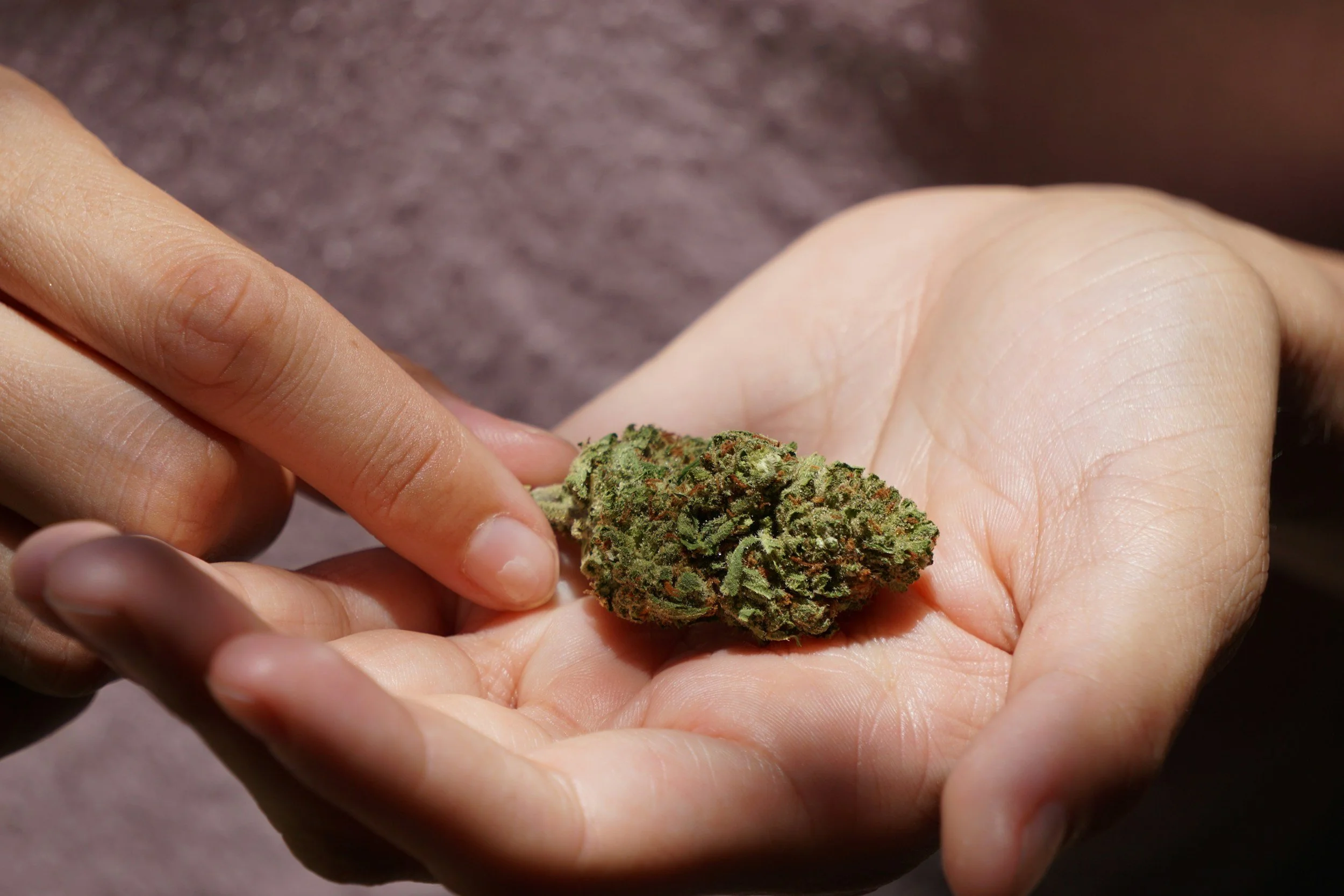
Image credit: Elsa Olofsson
Why This Matters for You
In Washington’s active, regulated cannabis market, understanding strain effects helps you shop smarter:
It reduces the trial-and-error cost when trying new products.
You can select products that align with your wellness or recreational goals.
Better-informed purchases lead to better experiences — and less frustration.
Plus, with Washington dispensaries offering lab-tested data, you have real access to the information that matters (not just marketing labels).

Where can I Find Sativa, Indica and Hybrid Cannabis?
Whether you’re shopping online or in Redmond, we’re here to help you find what you need, when you need it. That includes popular sativa, indica and hybrid products!
Click on our online menu link below to see our current availability.
FAQ Indica vs. Sativa vs. Hybrid
What's the difference between indica, sativa, and hybrid cannabis?
Indica plants are typically shorter and bushier and are traditionally associated with relaxing, sedating effects. Sativa plants are taller with narrow leaves and are often linked to uplifting, cerebral effects. Hybrids are crosses of the two — and in modern cannabis, almost every strain on the market is a hybrid. True, un-hybridized sativas or indicas essentially don't exist in commercial form.
Are indica and sativa labels reliable predictors of how a strain will affect me?
Not really. Research shows that many strains labeled "indica" and "sativa" are genetically similar due to decades of crossbreeding. The effects you actually feel come from the strain's cannabinoid and terpene profile — not its botanical category. These labels have become as much a marketing convention as a scientific one.
What are terpenes, and why do they matter when choosing a strain?
Terpenes are the aromatic compounds in cannabis that contribute to both flavor and effect. For example, myrcene — common in many indica-leaning strains — is associated with relaxing, sedating effects. Limonene, more prevalent in sativa-leaning strains, has an uplifting citrusy aroma. Understanding a strain's terpene profile gives you a far more accurate guide to expected effects than the indica/sativa label alone.
How should I use the THC/CBD ratio to pick the right strain?
Your THC/CBD ratio should match your tolerance and goals. Higher THC strains produce stronger psychoactive effects but may cause anxiety in sensitive users. Higher CBD strains are more calming and less intoxicating, and can help temper THC's effects. Beginners are best served starting with balanced THC/CBD products and increasing THC gradually based on their response.
What's the best way to choose a strain if I'm new to cannabis?
Start with lower-THC or balanced THC/CBD strains. Try small doses, wait to feel the full effects, and keep a note of how different products make you feel. When visiting a dispensary, tell your budtender your specific goal — whether it's sleep, focus, relaxation, or pain relief — rather than asking simply for "an indica" or "a sativa."
What's the most accurate way to compare strains when shopping at a dispensary?
Look at the lab results on the product label or ask your budtender for a Certificate of Analysis (COA). Focus on the THC/CBD percentage for potency, and the terpene breakdown for expected effects. Strains high in myrcene and linalool tend to feel calming; strains high in limonene and pinene tend to feel more energizing and focused.
Want to learn more about cannabis strains and effects?
Then check out our collection of related posts here!