
Consistency & Cannabis: Is It Really Stronger Than It Used to Be?
By Jeff Eckenrode
Image credit: Ahmed Zayan
Quick Answer: Yes—modern cannabis is generally more potent than it was a decade ago. Advances in genetics, cultivation, and lab testing have increased THC levels and consistency. But potency alone doesn’t explain why cannabis feels stronger today. Changes in product formats, terpene awareness, and consumer expectations all play a role.
If cannabis feels different than you remember, you’re not imagining it.
The cannabis plant—and the market around it—has evolved fast.
But how did cannabis become so strong so quickly?
And what cannabis products are most reliable if you’re in search of an experience that’s both fun and consistent?
Image credit: Jack H
Why Does Cannabis Feel More Potent Than It Did 10 Years Ago?
Several factors contribute to cannabis feeling stronger today:
Higher THC Levels
In the early 2010s, average flower often tested in the low-to-mid teens for THC. Today, many strains regularly test above 20%, with some pushing past 30%. Concentrates, vapes, and edibles further amplify perceived strength.
Better Growing Techniques
Legal markets pushed growers to refine genetics, dial in lighting and nutrients, and harvest at peak potency. Consistency became a competitive advantage.
New Consumption Methods
Vapes, dabs, and infused products deliver cannabinoids more efficiently than traditional smoking, leading to faster and stronger effects.
Terpene Awareness
Consumers now understand that flavor and effects aren’t just about THC. Terpenes like myrcene, limonene, and pinene can dramatically shape how a strain feels.
Image credit: Budherd Team
Are Strain Names or Sativa vs. Indica Labels Reliable?
Short answer: not really.
While sativa and indica labels offer rough guidance, they’re outdated and overly simplified. Most modern strains are hybrids, and strain names are often marketing-driven rather than scientifically consistent.
What matters more:
Cannabinoid ratios (THC, CBD, minor cannabinoids)
Terpene profiles
Your individual tolerance and body chemistry
So even two strains with the exact same name can feel different depending on the grower, harvest timing, and lab results.

Image credit: Cova Software
What Cannabis Products Are Most Consistent for New or Medical Users?
Consistency is key—especially for beginners or medical consumers.
The most reliable options often include:
Low-THC or Balanced Flower
Strains with moderate THC or THC:CBD balance tend to deliver predictable effects without overwhelming intensity.
Edibles with Clear Dosing
State-regulated edibles in Washington are precisely dosed, making it easier to control intake over time.
Vapes with Lab-Tested Profiles
Cartridges with published terpene and cannabinoid data allow consumers to repeat experiences more reliably.
CBD-Dominant or Ratio Products
Products with CBD help temper THC’s intensity and are often preferred by medical users seeking functional relief.
Where can I find Consistent Cannabis Products?
Whether you’re shopping online or in Redmond, we’re here to help you find what you need, when you need it. That includes consistent, beginner-friendly cannabis products!
Currently we carry a variety of Low-THC, High-CBD smokeable flower, pre rolls, vapes and concentrates from Raven Grass.
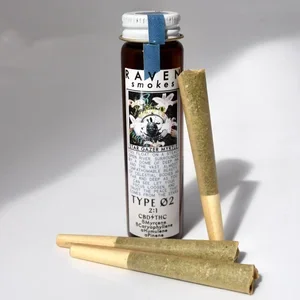
What makes Ravel Grass Special?
Raven Grass is dedicated to consistency and dependability.
That’s why they grow a wide variety of THC and CBD dominant strains and blends for cannabis explorers who want consistency and predictability in every experience.
Want to learn more? Visit their website at: https://www.ravengrass.com/
Want to buy some today? Click on our online menu link below to see our current availability.
FAQ Consistency & Cannabis
Is cannabis actually stronger than it used to be, or does it just feel that way?
Both are true, and the science backs it up. In the early 2010s, average flower tested in the low-to-mid teens for THC. Today many strains regularly test above 20%, with some pushing past 30%, and concentrates can go significantly higher. That's a measurable, documented increase driven by selective breeding, refined cultivation techniques, and competitive legal markets incentivizing higher potency. But there's more to the story than THC percentage — new consumption formats like vapes and dabs deliver cannabinoids more efficiently than traditional smoking, and greater awareness of terpenes has led to products with more nuanced, complex effect profiles. So yes, it's genuinely stronger, and also genuinely more sophisticated.
Why are indica and sativa labels becoming less reliable?
The indica vs. sativa framework was developed before modern hybrid breeding made nearly every commercially available strain a genetic mix of both. In practice, the terms have become more marketing shorthand than accurate botanical descriptors — a strain labeled "sativa" at one dispensary may have indica-dominant effects, and vice versa. What actually predicts how a strain will feel is far better captured by cannabinoid ratios (THC, CBD, minor cannabinoids like CBG and CBN) and terpene profiles (myrcene for relaxation, limonene for uplift, caryophyllene for balance). Smart shopping means looking past the indica/sativa label and into the full product profile.
What cannabis products are most consistent for new or medical users?
For consumers prioritizing predictability, a few product categories consistently deliver: low-THC or THC:CBD balanced flower tends to produce reliable, moderate effects; Washington state-regulated edibles are precisely dosed by law, making them excellent for controlled, repeatable experiences; vape cartridges with published terpene and cannabinoid profiles allow you to replicate a specific experience; and CBD-dominant or ratio products help temper THC intensity for those seeking functional relief. The key principle across all of these is starting low, going slow, and tracking what works — your ideal experience is a moving target that improves with attention.
How do cultivation advances explain why modern cannabis feels different?
Legal markets created intense commercial pressure to produce cannabis that was consistently potent, visually appealing, and aromatically distinctive — all at scale. That pressure drove massive investment in genetics, lighting technology, nutrient science, and harvest timing research. The result was a dramatic improvement in average quality: tighter bud structure, heavier trichome coverage, louder aromas, and more reliably high THC. Growers in legal states like Washington are also subject to testing requirements that prevent low-quality product from reaching shelves, which raises the floor of what consumers encounter even further.
Does higher THC always mean a better cannabis experience?
No — and this is one of the most important things newer cannabis consumers can learn. THC percentage is just one variable in what determines your experience. The entourage effect — the way cannabinoids and terpenes interact together — means a 22% THC flower with a rich, complex terpene profile can feel significantly more satisfying than a 30% THC product stripped of terpene complexity. Tolerance, setting, consumption method, and individual body chemistry also play enormous roles. Shopping by THC percentage alone is like judging a restaurant by calorie count. The full picture matters far more than any single number.
How can I find consistent cannabis products at Hashtag Redmond?
Hashtag Redmond carries Hashtag Certified products that meet verified standards for purity, safety, and consistency — so you're not guessing about what's in the jar. We currently carry a variety of consistent, reliable options from Raven Grass, who specializes in predictable THC and CBD strains designed for cannabis explorers who value repeatability. Our budtenders can also walk you through product lab results, terpene profiles, and cannabinoid ratios to help you find something that delivers a consistent experience every time. Stop by or shop our online menu anytime.
Want to learn more about cannabis science and potency?
Then check out our collection of related posts here!
What Makes Cannabis Flower Sticky? Understanding Trichomes & Resin Production
Cannabis Terpenes & Your Experience: Myrcene, Limonene & More
Cannabis & Genetics: Why Don't They Make 'Em Like They Used To?
Indica, Sativa, Hybrid: How to Choose the Right Strain for You
What Are Minor Cannabinoids? A Guide to CBG, CBC, THCV & More