
The Story of The Panama Red Cannabis Strain
by Rachel Hantula, customer experience director
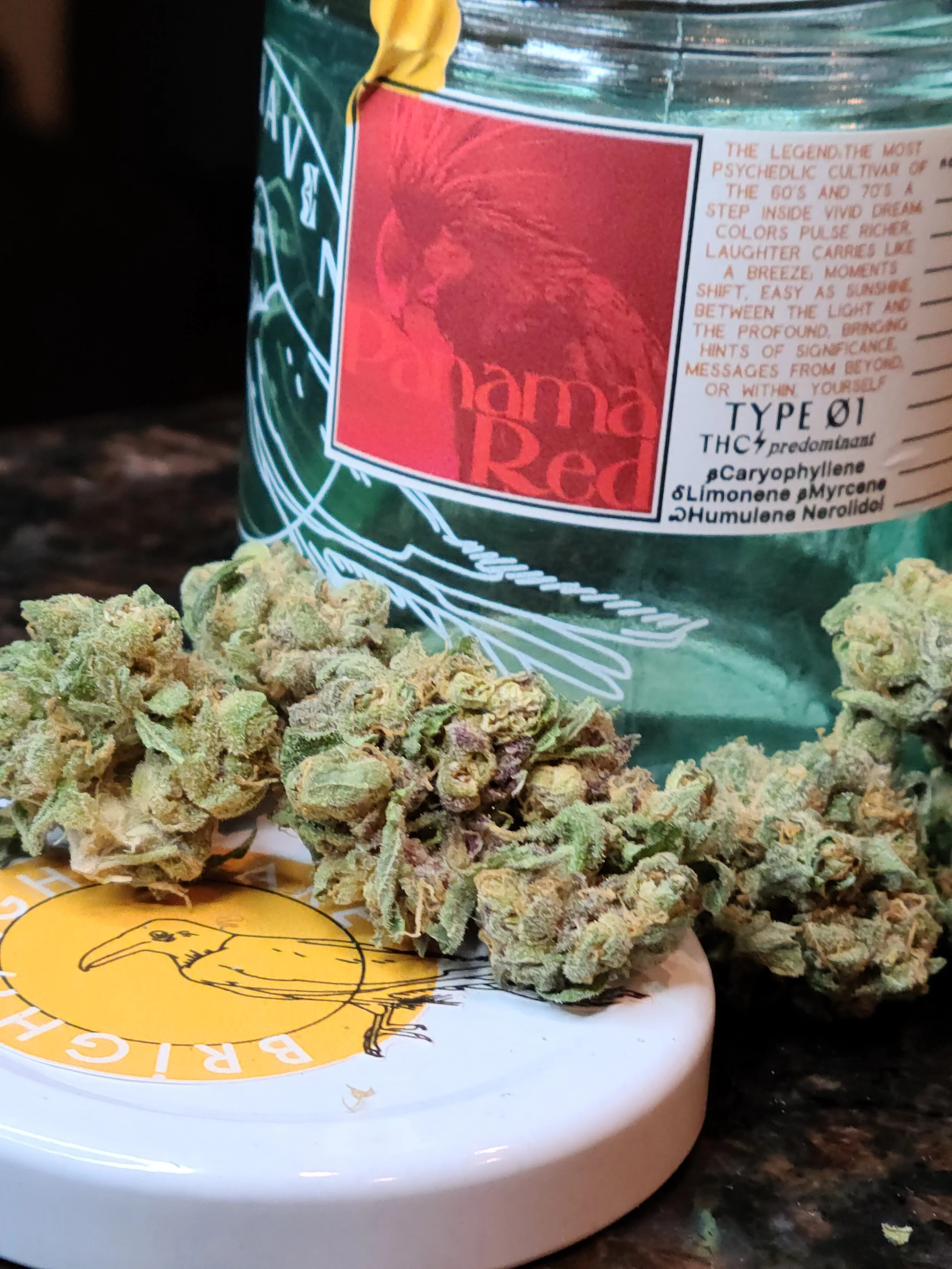
Panama Red by Raven Grass
Quick Answer: Panama Red is a pure sativa landrace from Panama's Pearl Islands, famous since the 1960s for its psychedelic, euphoric effects and spicy tropical fruit flavor. Panama's cocaine trade nearly wiped out its cultivation, but seed preservationists kept it alive. Washington growers like Raven Grass now cultivate this rare legend for Pacific Northwest cannabis lovers!
Stoners near and far have heard of the very famous, ever elusive and rare cannabis strain, Panama Red. This classic, old-school cannabis strain is a pure, landrace sativa. It rose to acclaim in the late 1960’s thanks to its speedy and intense effects, bordering on the psychedelic. Its name comes from the fact that it originated from hot, humid, and tropical Panama.
The country of Panama, like many around the world, has a bit of a bloody history, starting with Spanish domination (that lasted 300 years), then their annexation to Colombia in 1821, and finally achieving independence in 1903. However, even after becoming an independent nation, Panama was troubled by racial tension as well as by heavy criminality linked to cocaine trade and dictatorships. Today, Panama is more peaceful, but still faces social, economical and logistical challenges.
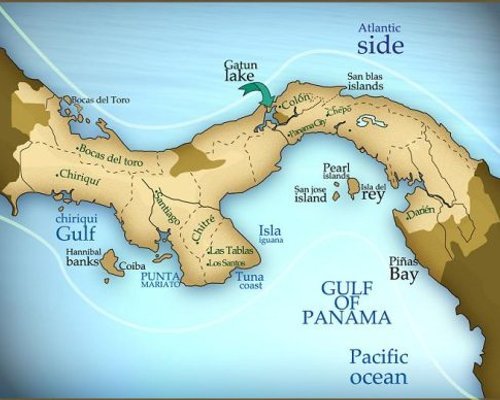
Until the 1970s, Panama produced large quantities of high-grade cannabis, mostly to be exported to the United States and Europe (lucky us). Panama Red was grown mostly along the Pacific coast, where it is slightly less rainy and more fertile. Eventually, the cocaine trade in Panama changed the balances of money and power, leading locals to explore more lucrative business options.
Cannabis cultivation continued on a small scale for local consumption, but most of the forested areas that were previously used to grow fields of cannabis were converted into landing strips or jungle labs. With this, the existing cannabis culture largely died off in the country of Panama.
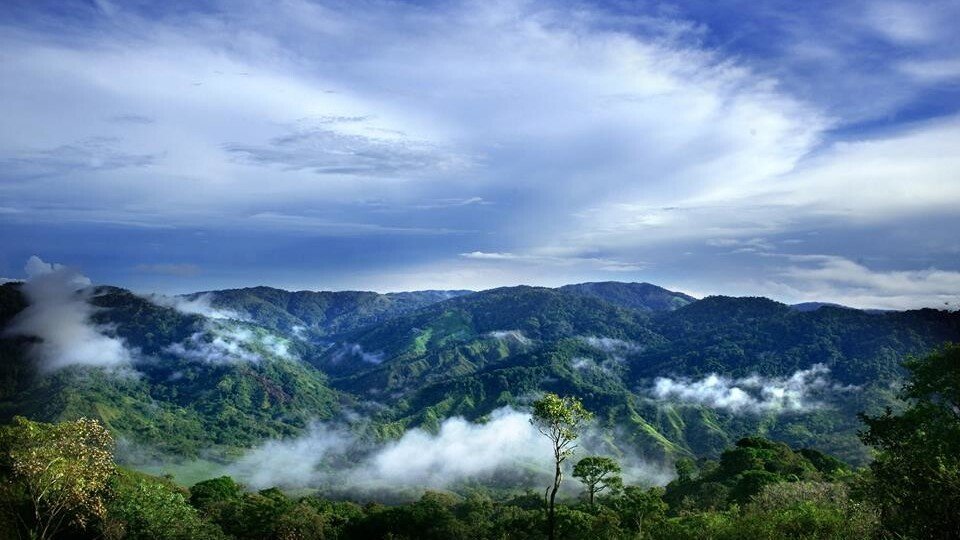
The only area where the cannabis production continued basically unchanged was on a group of islands off the south coast, the Pearl Islands (Islas de las Perlas). These islands are said to have the perfect climate to grow sativas: mild temperatures, constant breeze, acceptable humidity, fertile soil, thick forest to hide and protect on the ground as well as from the air.
People of Panama have grown cannabis for a very long time and have passed seeds along generation to generation, since hundreds of years ago. Today, there are Panama Red seeds available from collectors, but they are increasingly rare and hard to find.

While landrace strains are, in reality, the building blocks of modern cannabis varieties, these strains actually offer a unique experience of their own. Unfortunately, only a handful of users are able to actually say that they have once enjoyed a true, pure, landrace cannabis strain.
Most modern cannabis users are likely to opt for the recent varieties that are specially bred to impress seasoned users with their sensational potency and overwhelming effects. Additionally, landrace strains are far less abundant than today’s easily found, modernized hybrid strains. For that reason, some landrace strains have lost their fame and acclaim over the years. However, this does not change the fact they once took the cannabis world by storm.
Panama Red delivers a mellow yet distinctly happy and euphoric onset that can boost a user’s energy and stimulate creative thoughts at the same time. Some users would describe its overall high as speedy and intense with psychedelic tendencies. Due to Panama Red’s energetic high, it is a great strain choice for social gatherings or any activity that requires active social behavior.
Surprisingly, the strain also offers a mild relaxation to finish off its rather lively onset. To complement its happy high, users are rewarded with a delicious concoction of flavors that can be described as herbal and spicy with some intriguing notes of tropical fruits reminiscent to the sweet and citrus taste of grapefruit.
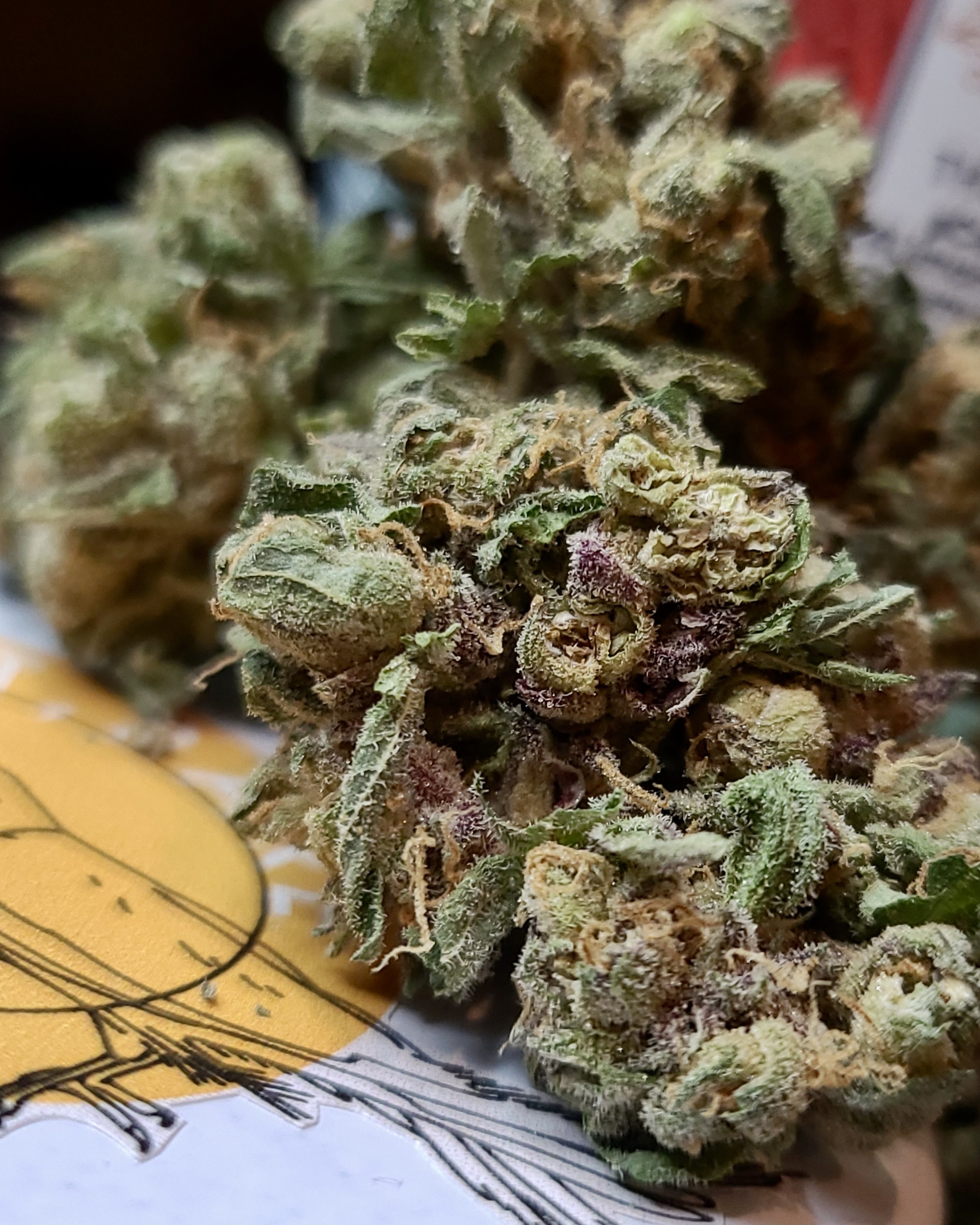
Luckily for us, Panama Red seeds have found their way to Washington state, although difficult to find. Raven Grass is one of the few who hold these rare genetics and regularly produce it for the people of Washington. Panama Red, as a pure sativa, has a longer than average flowering time. So batches are a bit further apart than most strain varieties but come in hitting beautifully, and just right, every single time.
Raven Grass describes their Panama Red as “the legend, the most psychedelic cultivar of the 60s and 70’s. A step inside a vivid dream. Colors pulse richer, laughter carries like a breeze. Moments shift, easy as sunshine. Between the light and the profound, bringing hints of significance. Messages from the beyond or within yourself.”
Indulge for yourself in Panama Red, and see what the decades-long hype has been all about!
Click on our online menu link below to see our current availability.
FAQ The Story of The Panama Red Cannabis Strain
How did Panama's history affect the Panama Red cannabis strain?
Panama Red's story is inseparable from Panama's turbulent 20th century history. Through the 1960s and into the 70s, Panama produced large quantities of high-grade cannabis, much of it exported to the United States and Europe. But as the cocaine trade grew and shifted the balance of money and power in the region, cannabis cultivation became far less financially attractive. Many of the forested areas previously used for cannabis growing were converted into landing strips or jungle processing facilities. What had been a thriving regional cannabis culture largely disappeared — with one important exception.
Why did Panama Red survive on the Pearl Islands specifically?
The Pearl Islands — the Islas de las Perlas, a remote archipelago off Panama's Pacific southern coast — turned out to be the perfect refuge for Panama Red genetics. Their combination of mild temperatures, constant sea breezes, acceptable humidity, fertile soil, and thick forest cover that provided both ground-level concealment and protection from aerial surveillance made them uniquely suited to continued cannabis cultivation even as production died off on the mainland. The people of the Pearl Islands had been growing and passing down cannabis seeds for generations, and that living seed library is ultimately what kept Panama Red genetics alive for the world.
What makes Panama Red's effects so uniquely described as "psychedelic"?
Panama Red earned its psychedelic reputation honestly — this is a pure, unhybridized sativa landrace with no indica genetics to soften or balance its effect profile. The high is fast-moving and intensely cerebral, delivering euphoric energy and mood elevation alongside heightened sensory perception — colors may seem more vivid, sounds more layered, and the mind tends toward free-associative creative thinking. Raven Grass, one of Washington's few growers producing authentic Panama Red, describes it as "a step inside a vivid dream. Colors pulse richer, laughter carries like a breeze." That's not marketing hyperbole — it's a pretty accurate description of what a quality sativa landrace experience actually feels like.
What does Panama Red taste and smell like?
Panama Red's flavor is herbal, spicy, and tropical — with intriguing notes of grapefruit and citrus that reflect its humid, fruit-growing Pacific coast origins. It's a cleaner, more herbaceous profile than most modern hybrids, without the heavy sweetness of dessert strains or the petroleum edge of OG-family genetics. The aroma carries a similar quality — earthy and green with a bright tropical lift that hints at the strain's equatorial heritage. For cannabis history enthusiasts, tasting Panama Red is a genuinely transporting experience.
Who is Raven Grass and why are they significant for Panama Red?
Raven Grass is one of a very small number of Washington state cannabis cultivators who have sourced and regularly produce authentic Panama Red genetics. Growing a true landrace sativa with a 12-plus-week flowering cycle is a genuine commercial commitment — most producers opt for faster-finishing modern hybrids — which makes Raven Grass's dedication to this strain particularly meaningful for Pacific Northwest consumers. Their Panama Red is the real deal: pure, carefully cultivated, and a genuine window into what cannabis looked, smelled, and felt like before decades of hybrid breeding changed everything.
How does Panama Red compare to modern cannabis strains?
The comparison is almost apples to oranges. Modern hybrid strains have been selectively bred over many generations to maximize THC percentage, trichome density, visual bag appeal, fast flowering times, and yield — all commercially driven priorities. Panama Red was shaped by nothing but its natural environment and the hands of Panamanian farmers over centuries. The result is a strain that feels fundamentally different to experience — less overwhelming, more functional, genuinely cerebral, and with a flavor complexity tied to its specific terroir rather than a breeding program. For consumers who have only ever experienced modern hybrids, Panama Red is a fascinating and often revelatory contrast.
Want to learn more about Cannabis?
Then check out our collection of related posts here!