
Cannabis & Genetics: Why Don’t They Make ’Em Like They Used To?
By Jeff Eckenrode

Image credit: Shutterstock
Quick Answer: Many classic cannabis strains from even 10 years ago have disappeared due to shifting market demand, evolving genetics, and the realities of cloning over time. While modern cannabis is more potent and consistent, genetic drift and commercial pressures mean some beloved strains simply aren’t grown the same way anymore.
You’ve finally found it!
After a little trial and error, you’ve finally found your favorite cannabis strain. The one that works just right for you, each and every time
You know the one.
It makes you feel like yourself, only better: calm, focused, happy and thriving.
And as soon as you’ve discovered your new best flower-friend: POOF! They’re gone.
Up in smoke! And gone to march the path of the Wooly Mammoth from your favorite dispensary’s shelves.
If you’ve ever been left out and the cold like this, wondering: “Why?!?!” then you’re not alone.
Cannabis genetics evolve—sometimes at the cost of nostalgia. And while many of the classics we know and love are gone (RIP Blue Hawaiian), their influence lives on through modern hybrids and refined cultivation practices.
So why do cannabis strains disappear over time?
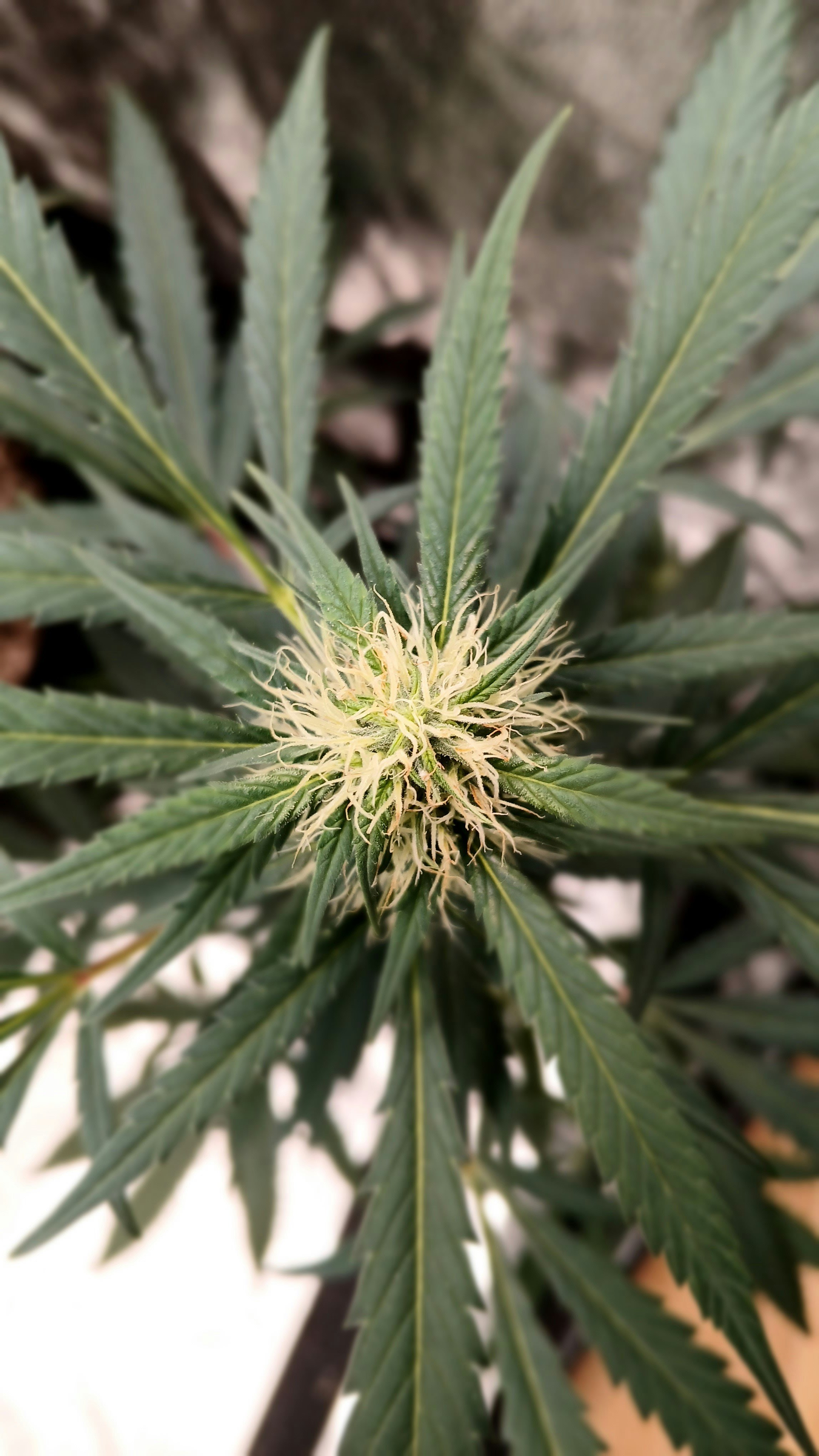
Image credit: Indogro
Why Aren’t Strains From even 10 Years Ago Still Around?
Several forces pushed older strains off menus:
Market demand: Consumers gravitated toward higher THC and louder flavors.
Yield and shelf appeal: Some classics didn’t produce dense buds or flashy looks.
Breeding trends: New hybrids replaced landrace and legacy genetics.
Regulatory pressure: Legal markets favor consistency and scalability.
Strains like original Sour Diesel, early OG Kush cuts, and classic Hazes often required longer flowering times or more care—making them more expensive to produce and less commercially viable.
However, some strains that do capture the eye of growers and attention of fans can be reproduced for years and years.
This process, known as cloning, can keep a strains unique characteristics alive and thriving well after the original plant has passed on. But how?
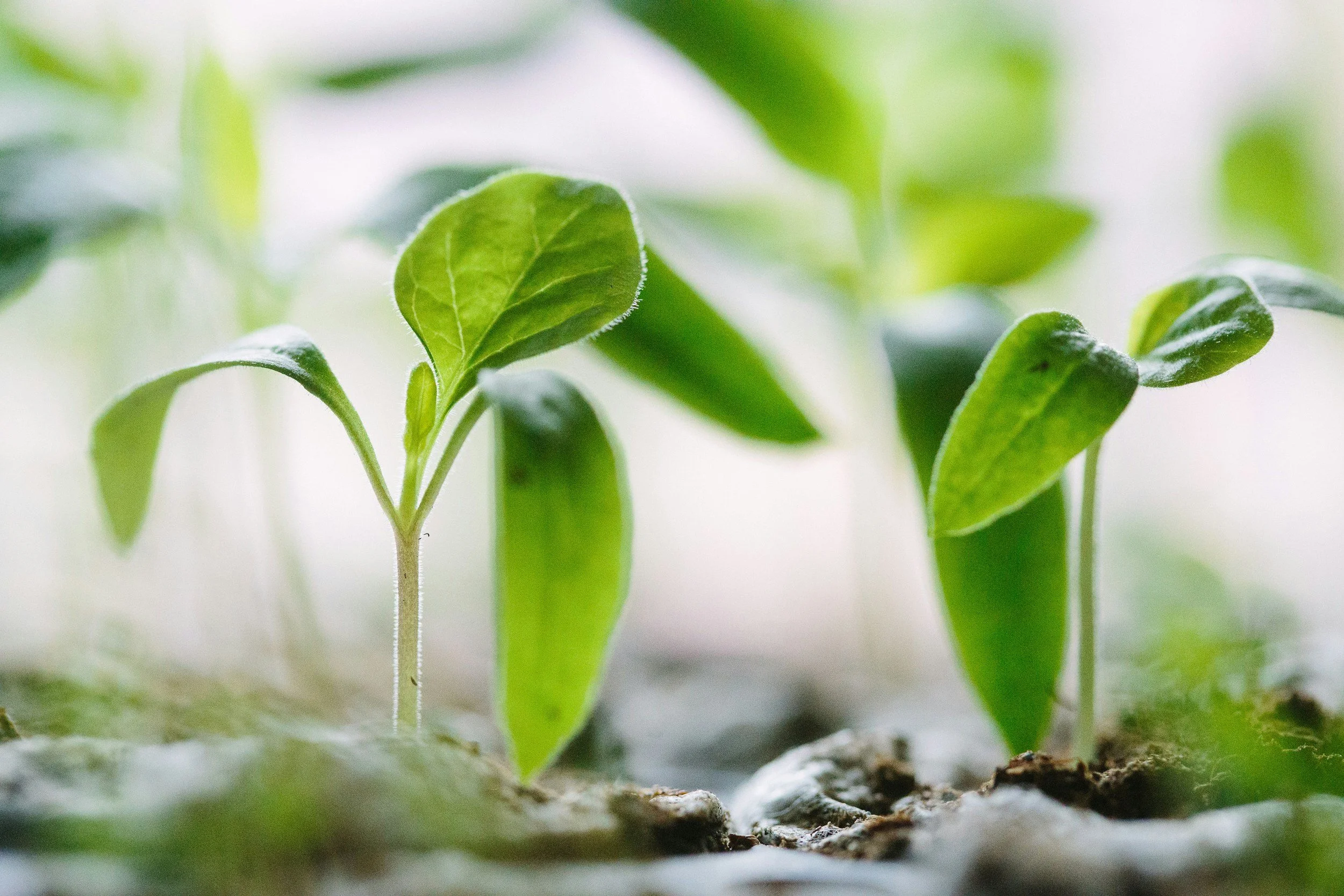
Image credit: Francesco Gallarotti
What Is Cloning in Cannabis?
Cloning is the process of taking a cutting from a female cannabis plant (the “mother”) and rooting it to create a genetically identical plant.
This ensures:
Consistent cannabinoid levels
Predictable terpene profiles
Uniform growth patterns
Nearly all commercial cannabis is grown from clones rather than seeds.
Why not just grow new cannabis plants from seeds? Because, much like apples, cannabis seeds feature incredible genetic diversity.
Often times, their flavors, aromas and effects are worlds apart!
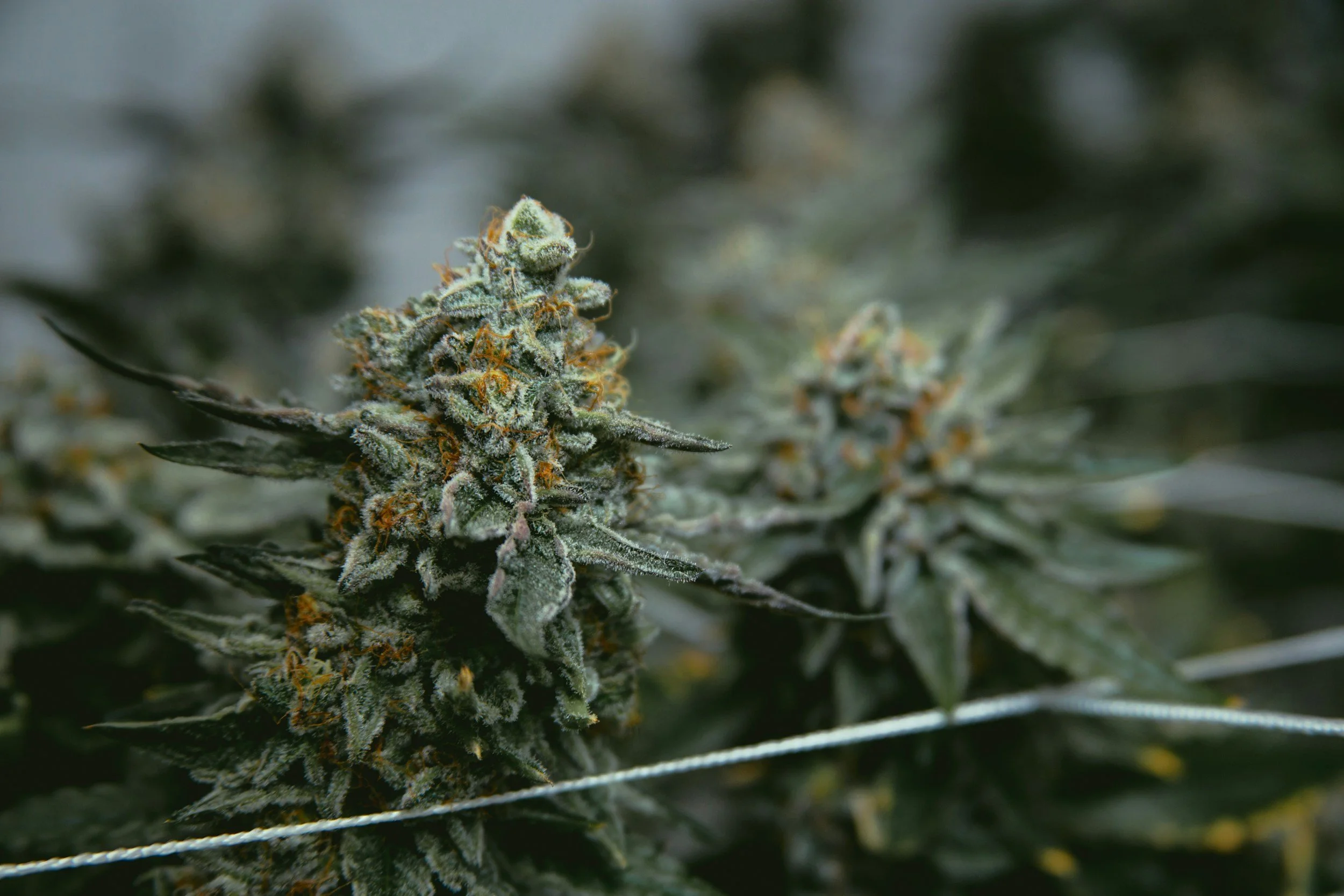
Image credit: Jeff W
How Long Can You Clone a Cannabis Mother Plant?
In theory, a mother plant can be cloned for years. In practice, most are retired after eight generations, due to reasons like:
Reduced vigor or yield
Increased susceptibility to pests or disease
Subtle changes in aroma or effects
Many growers refresh genetics every few years to maintain their quality.
Image credit: Plants for Persephone
What Happens to Genetics Over Long-Term Cloning?
Over extended cloning cycles, plants can experience:
Genetic drift (ie- they become significantly different than their original form)
Epigenetic changes
While clones are genetically identical, environmental stress and age can affect how traits express over time—leading to a version of the strain that feels “off” compared to its original cut.

Image credit: Thought Catalog
How Can Consumers Find Similar Strains Today?
If your favorite strain is gone, try this:
Look for shared genetics (parent strains matter more than names)
Focus on terpene profiles, not strain labels
Ask experienced budtenders about modern equivalents or descendants
Explore legacy-inspired cultivars grown by craft producers
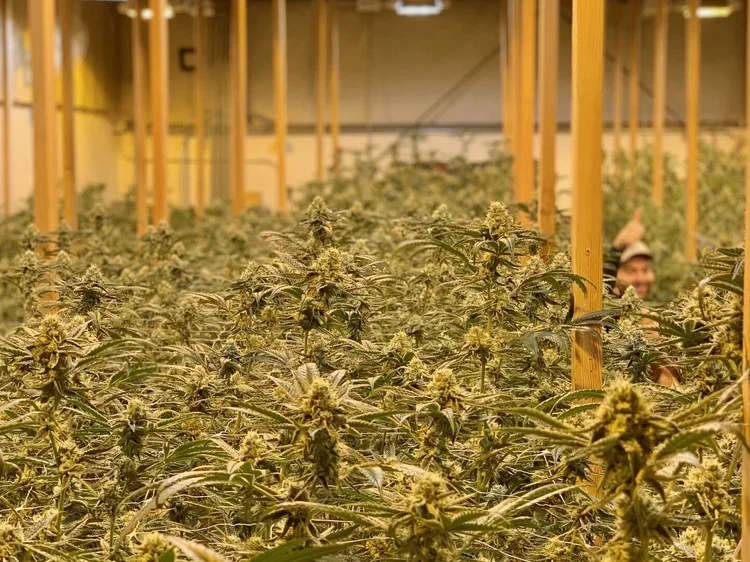
Where can I find Cannabis with Consistent Genetics?
Whether you’re shopping online or in Redmond, we’re here to help you find what you need, when you need it. That includes consistent, beginner-friendly cannabis flower!
Currently we carry a variety of genetically-stable, reliable smokeable flower from Pot of Gold.
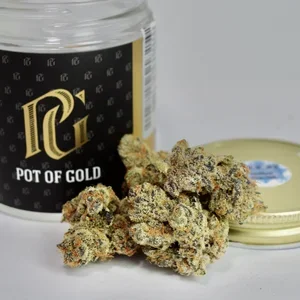
What makes Pot of Gold Special?
Pot of Gold is dedicated to growing cannabis that will stop you in your tracks.
That’s why they are famous for growing a small, elite selection of strains like Sundae Driver and Purple Punch.
Pot of Gold delivers top-shelf flower with consistent, exceptional genetics and quality.
Want to learn more? Visit their Facebook page at: https://www.facebook.com/p/Pot-of-Gold-100048482306473/
Want to buy some today? Click on our online menu link below to see our current availability.
FAQ Cannabis & Genetics
Why do classic cannabis strains disappear from dispensary menus?
Several forces work against classic strains staying on shelves. Market demand has consistently shifted toward higher THC percentages and more visually impressive buds — strains that look frosty and test at 25%+ get purchased over ones that test at 16% regardless of how the effects compare. Many classic strains also had longer flowering times or lower commercial yields, making them more expensive to produce in a competitive legal market. Breeding trends moved toward modern hybrids, which largely replaced landrace and legacy genetics. And regulatory requirements in legal markets favor consistency and scalability that older genetics don't always deliver reliably.
What is cannabis cloning and why does it matter for strain preservation?
Cloning is the process of taking a cutting from a female cannabis plant — called the mother plant — and rooting it to create a genetically identical plant. Because cannabis seeds feature enormous genetic diversity (two seeds from the same plant can have dramatically different characteristics), nearly all commercial cannabis is grown from clones rather than seeds. Cloning is how beloved strains get preserved: as long as someone maintains a healthy mother plant and takes cuttings, the genetics theoretically live on indefinitely. This is how strains like UW Purple, Panama Red, and other classics have survived outside their original growing environments.
How long can you clone a cannabis mother plant before the genetics change?
In theory, mother plants can be cloned for years. In practice, most growers retire mothers after roughly eight generations due to a combination of reduced vigor, decreased yield, increased susceptibility to pests or disease, and subtle changes in aroma or effect. These changes are caused by genetic drift — gradual shifts in how traits express over time — and epigenetic changes triggered by environmental stress accumulating across generations. The genetics remain technically identical, but the plant's behavior can drift noticeably, which is why dedicated craft growers regularly refresh their stock with new cuts to maintain peak quality.
What happens to a strain's character over long-term cloning?
Over extended cloning cycles, a few things can happen that change what you experience as a consumer. Genetic drift means traits that were crisp and well-expressed in early generations become muddier over time. Epigenetic changes — essentially the plant's memory of environmental stresses — can alter terpene expression and vigor. The result is a version of a strain that smells "off" compared to what you remember, or effects that feel slightly different from the original. This is why many cannabis enthusiasts who remember specific strains from years ago find that today's version of the same name doesn't quite hit the same way — it may be a distantly related descendant rather than a true genetic continuation.
How can I find a strain similar to one that's no longer available?
Start with genetics rather than names. If you know what strains your favorite was bred from, look for modern cultivars that share those parent genetics — the terpene profile and effect character often carry through generations even when the strain name changes. Focus on terpene profiles when shopping: a strain high in myrcene and caryophyllene will likely feel similar to another with the same dominant terpenes regardless of what it's called. Ask experienced budtenders at Hashtag Redmond for modern equivalents or descendants of discontinued favorites — we know our growers and their genetics well enough to point you in the right direction.
Are there Washington growers still preserving classic or legacy cannabis genetics?
Yes — and they're some of the most exciting growers in the state to follow. Craft producers who prioritize genetic integrity over commercial scalability, like Raven Grass (who maintains authentic Panama Red genetics) and Pot of Gold (known for their consistent, elite strain selection including Sundae Driver and Purple Punch), represent the legacy preservation side of Washington's cannabis culture. These growers take the extra time and care to maintain clone lines properly, refresh genetics thoughtfully, and produce flower that reflects genuine genetic quality rather than simply maximizing THC percentage and yield.
Want to learn more about cannabis genetics and cultivation?
Then check out our collection of related posts here!