
The Forbidden Fruit Story: From Cherry Pie x Tangie to Modern Dessert Classics
By Jeff Eckenrode

Image credit: Shutterstock
Quick Answer: Forbidden Fruit is a modern cannabis favorite born from the hybridization of Cherry Pie and Tangie. Known for its fruity aroma, dessert-like flavor, and balanced effects, it has quickly become a staple for both recreational and medical users. This strain has inspired a new generation of dessert-flavored cannabis that blends taste with enjoyable effects.
Forbidden Fruit is one of the most talked-about strains in Washington and beyond.
With roots in Cherry Pie and Tangie, it offers a unique combination of sweet, citrusy, and berry flavors that make it stand out in a crowded market.
The story of Forbidden Fruit highlights the artistry behind modern cannabis breeding and how flavor profiles have evolved over time.
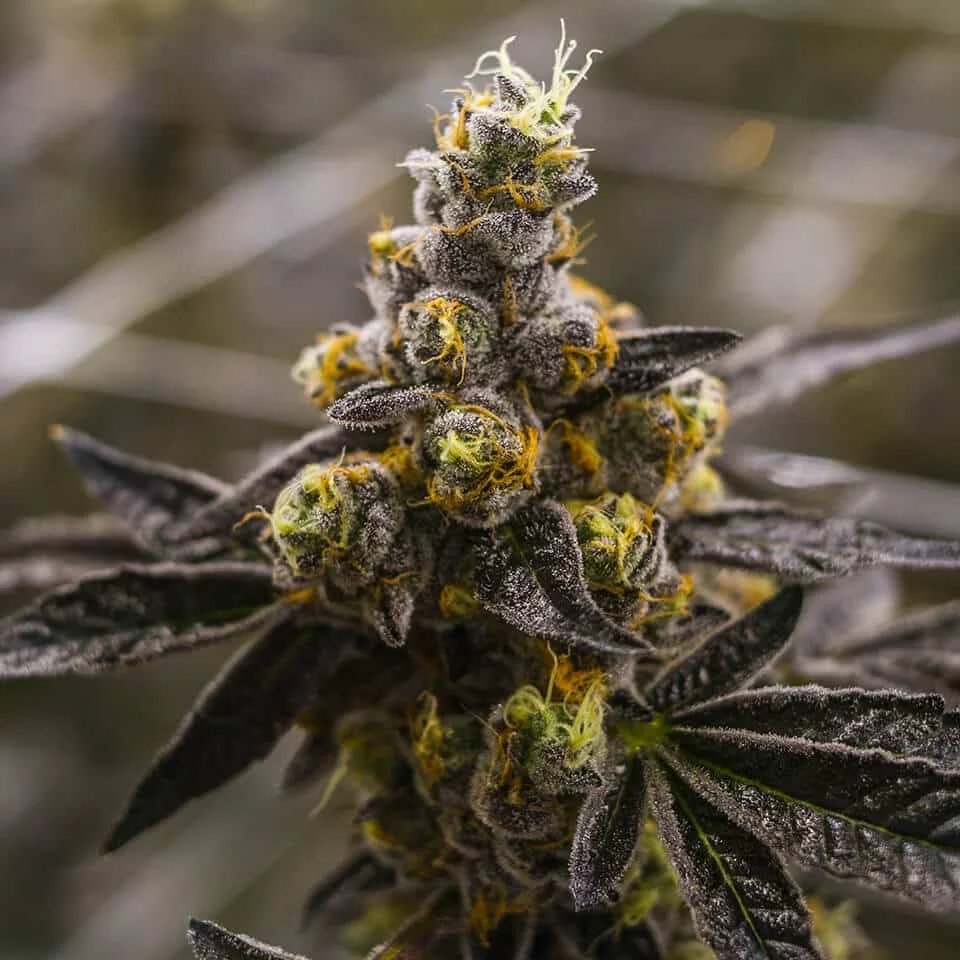
Image credit: THC Design
The Origins: Cherry Pie x Tangie
Forbidden Fruit was created by crossing the classic Cherry Pie with the tangy, uplifting Tangie.
Cherry Pie brings rich, earthy, and sweet notes, while Tangie contributes bright citrus flavors and a euphoric lift.
The result? A balanced hybrid that delivers both relaxation and a creative, mood-enhancing high.
Growers and breeders recognized the potential to blend flavor, aroma, and effect into one package, making Forbidden Fruit a modern dessert classic in cannabis circles.
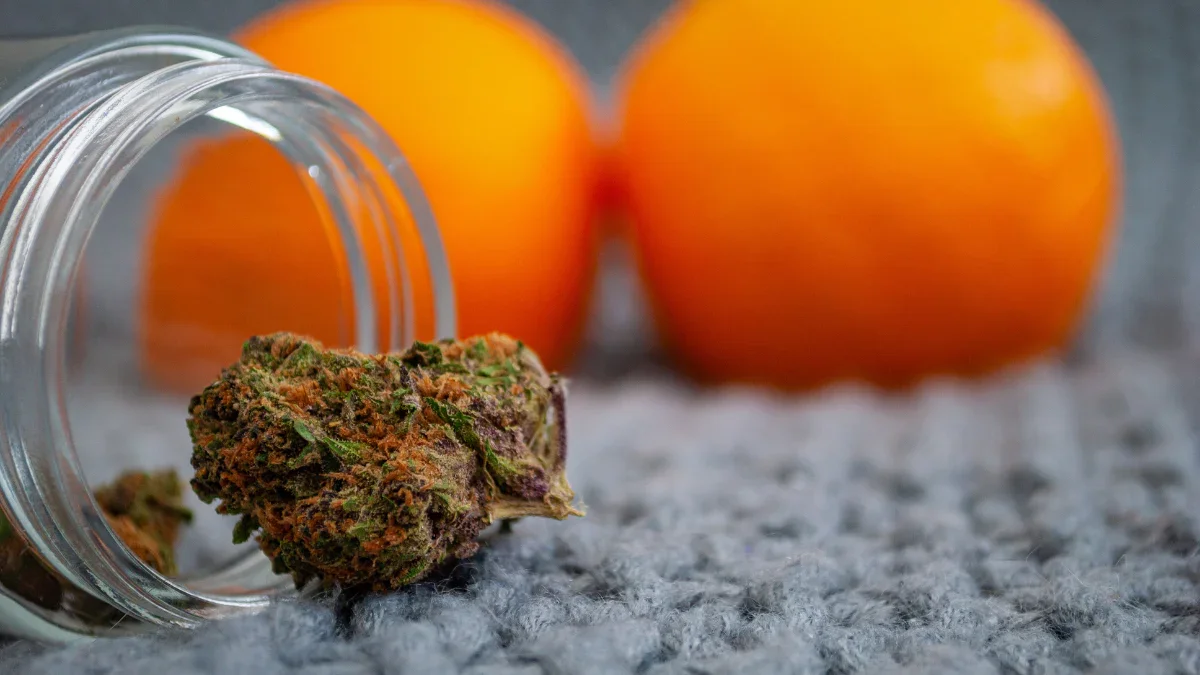
Image credit: Stiiizy
Flavor, Aroma, and Effects
Forbidden Fruit lives up to its name in both taste and experience.
Flavor: Sweet, fruity, with hints of cherry, tangerine, and subtle earthy undertones
Aroma: Citrus-forward with floral and berry notes that fill the room
Effects: Balanced hybrid high that combines relaxation with mental clarity, making it suitable for both daytime and evening use
This combination of characteristics has made Forbidden Fruit a favorite among users seeking a flavorful and enjoyable cannabis experience.

Image credit: Shutterstock
How Forbidden Fruit Inspired Modern Dessert Strains
Since its creation, Forbidden Fruit has influenced a new wave of dessert-flavored cannabis.
Strains like Gelato, Wedding Cake, and Strawberry Shortcake share a focus on sweet, indulgent flavors paired with well-rounded effects.
This trend demonstrates the growing importance of taste and aroma in the modern cannabis market.
Washington consumers are increasingly seeking strains that deliver both flavor and effect, and Forbidden Fruit set a benchmark for what a dessert-inspired strain can achieve.

Where can I Find Forbidden Fruit?
Whether you are shopping in Redmond or online, we've got what you need, when you need it. And that includes dessert strains like Forbidden Fruit!
See our current availability in flower, pre-rolls, vapes and concentrates by clicking on our online menu link below.
There you’ll find our huge variety of cannabis products from many of Washington’s best brands.
FAQ Forbidden Fruit
Why is it called Forbidden Fruit?
The name works on multiple levels simultaneously, which is part of what makes it so memorable. Most obviously it evokes the biblical concept of the forbidden fruit — something irresistibly appealing precisely because it's not supposed to be indulged. That framing has long been part of cannabis's cultural identity, and naming a strain Forbidden Fruit plays knowingly into that history. On a purely descriptive level, the name also signals the flavor experience: this is a fruit-forward strain that's almost too good to resist. The combination of Cherry Pie's dark sweet berry richness and Tangie's bright citrus creates a flavor that genuinely feels indulgent — something you'd want even if you knew you shouldn't.
What are Forbidden Fruit's genetics?
Forbidden Fruit is a cross of Cherry Pie and Tangie — two flavor-forward California hybrids that complement each other beautifully. Cherry Pie brings a rich, earthy sweetness rooted in its own Granddaddy Purple and Durban Poison heritage: dark berry, cherry, and a gentle kushy earthiness that grounds the profile. Tangie — a tangerine-forward sativa known for its bright citrus energy and uplifting effects — contributes the fruit-forward brightness, orange and citrus notes, and a mood-lifting sativa quality that lifts Cherry Pie's heavier indica tendency into balanced hybrid territory. Together they created exactly the kind of layered, fruit-meets-earth flavor experience that the modern dessert strain era was built to celebrate.
What does Forbidden Fruit smell and taste like?
Forbidden Fruit's aroma is genuinely spectacular — a room-filling burst of sweet cherry and tangerine on opening, underpinned by floral notes, subtle berry earthiness, and a citrus brightness that makes the whole profile feel fresh and vibrant rather than heavy. On the taste it delivers on every promise the aroma makes: sweet cherry and citrus up front, with earthy, slightly tropical complexity on the exhale. It's a flavor profile that manages to feel simultaneously indulgent and refreshing — rich enough to satisfy a sweet tooth but bright enough to avoid the cloying quality some dessert strains can develop.
What effects does Forbidden Fruit produce?
Forbidden Fruit is a balanced hybrid that combines the best qualities of both parents. Cherry Pie's indica heritage provides a relaxing, tension-melting physical comfort, while Tangie's sativa energy contributes mood elevation, creative uplift, and mental clarity that keeps the experience from becoming sedating. Most consumers describe the effect as genuinely balanced — happy, physically comfortable, and mentally present enough to enjoy daytime or social settings while being relaxing enough for evening use. It's the kind of versatile, feel-good hybrid that appeals equally to consumers seeking relaxation and those looking for a pleasant mood lift.
How did Forbidden Fruit influence modern dessert strains?
Forbidden Fruit arrived at a pivotal moment in the evolution of flavor-forward cannabis, helping establish that a strain could lead with fruit and dessert flavor complexity without sacrificing potency or effect quality. Its success alongside Gelato, Wedding Cake, and Cookies-family strains helped cement the consumer expectation that premium cannabis should deliver a full sensory experience — flavor, aroma, visual appeal, and effect — rather than simply maximizing THC percentage. In that sense, Forbidden Fruit is one of the unsung contributors to the dessert strain era that now defines dispensary shelves across Washington and beyond.
Is Forbidden Fruit available in Washington state?
Yes — Forbidden Fruit is available at Hashtag Redmond in flower, pre-rolls, vapes, and concentrates, with availability rotating based on what Washington's excellent growers have in season. Check the online menu for current stock, or ask a budtender for the latest — when it's in, it tends to move quickly for good reason.
Want to learn more about fruit-forward and dessert cannabis strains?
Then check out our collection of related posts here!