New to cannabis lingo? "Loud" means strong aroma, "dank" means pungent and classic smelling, "terpy" means high in flavor-rich terpenes, and "fire" means exceptional quality. "Infused" products contain added concentrates for extra potency, while "solventless" means the cleanest extraction methods. Walk into any dispensary and shop like a pro!
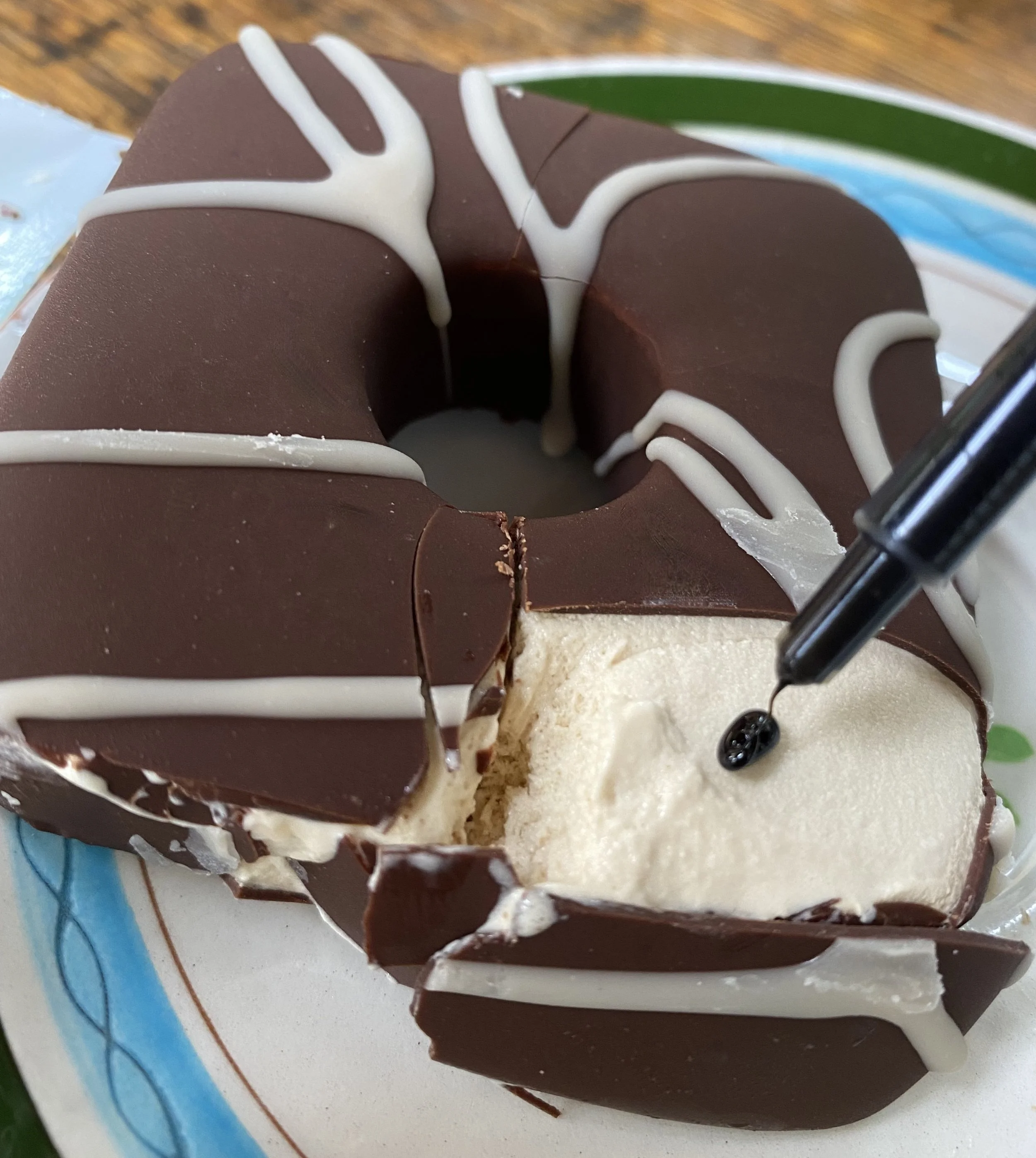
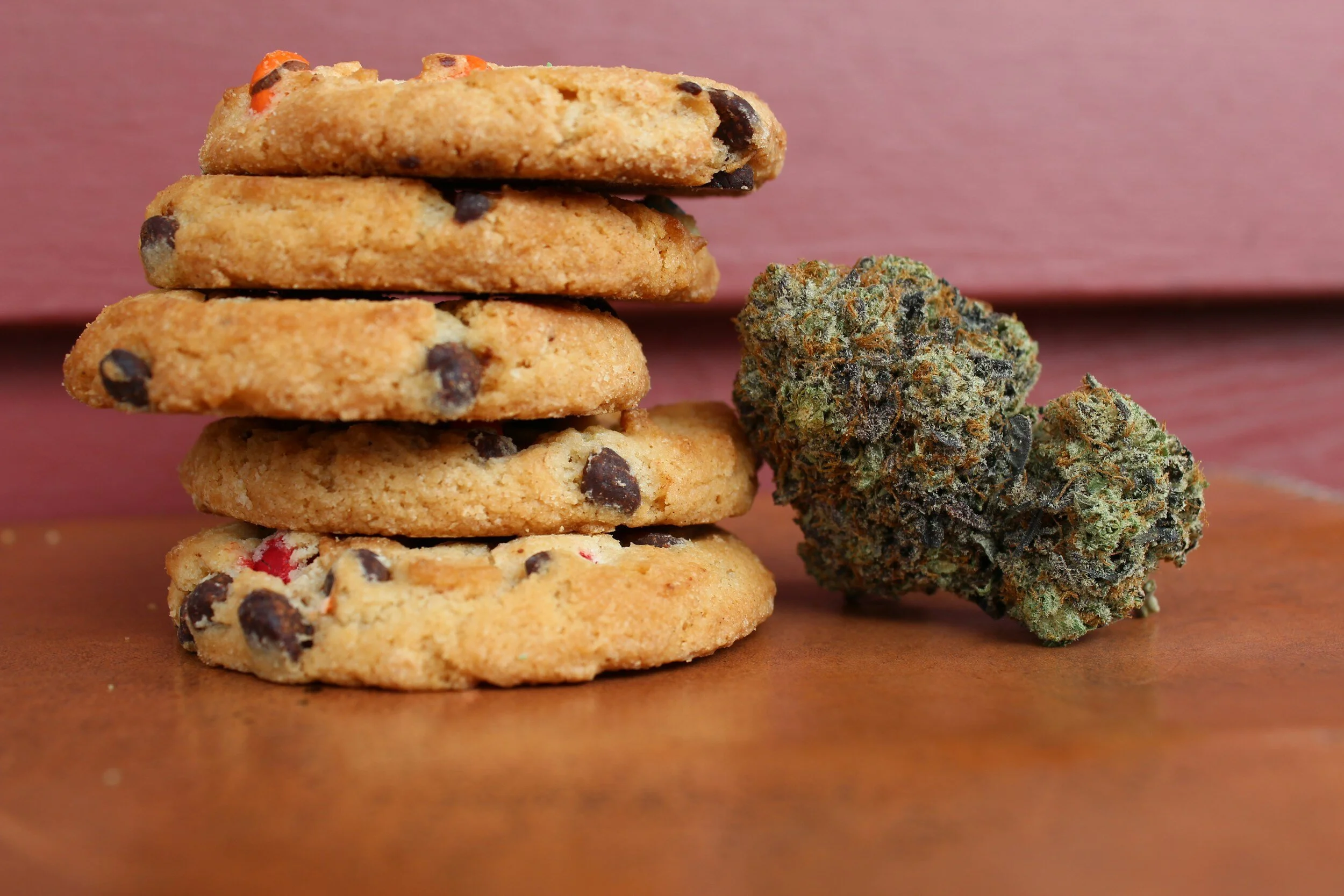
Read MoreTo make cannabis edibles, you first need to decarboxylate your flower — bake it at 220°F for 30 minutes to activate the THC. Then infuse it into butter or oil using a slow cooker on low for 2–3 hours, strain, and refrigerate overnight. Your cannabutter is now ready to use in almost any recipe. Start low on dosage and keep cooking temps low!
Read MoreFirst dispensary visit? Start by telling your budtender what effect you're looking for — relaxation, energy, sleep, or pain relief. Ask what's easy to dose, how to use a product correctly, and how the loyalty program works. Budtenders at Hashtag Redmond are knowledgeable, non-judgmental, and there to help you find exactly what you need.
Read MoreCBD edibles work by metabolizing cannabinoids through the liver, converting some THC into Delta-11 THC — a more potent, longer-lasting compound. Effects last 6–9 hours and vary by CBD-to-THC ratio. High CBD = minimal high; high THC = relaxation; equal ratios = sleep support. The entourage effect shapes your overall experience!
Read MoreTHCv (tetrahydrocannabivarin) is a minor cannabinoid nicknamed "diet weed" for its appetite-suppressing and energizing effects. Unlike THC, it's produced when THC is exposed to light, heat, or oxygen. It's less potent than THC, acts faster, and is most commonly found in sativa strains like Durban Poison and Tangie.
Read MoreCBN (cannabinol) is a minor cannabinoid formed when THC is exposed to light, heat, or oxygen. Unlike CBD, which is known for relaxation and pain relief, CBN is prized for its sedative effects — making it especially useful for sleep. Together, CBD and CBN may offer even stronger pain and sleep benefits.
Read MoreCBG (cannabigerol) is the "mother of all cannabinoids" — the first compound a cannabis plant produces, from which THC and CBD are later derived. Though present in only small amounts in mature plants, CBG is non-intoxicating, mood-lifting, and potentially beneficial for pain, nausea, and inflammation. Known affectionately as "CBGiggles" for its giddy uplifting effects!
Read MoreTHC (tetrahydrocannabinol) is the primary psychoactive compound in cannabis. Discovered in 1964 by Dr. Raphael Mechoulam, THC works by binding to CB1 and CB2 receptors in your Endocannabinoid System (ECS), producing effects like euphoria, appetite stimulation, and pain relief. Dosage and your body chemistry both determine your experience.
Read MoreCBD (cannabidiol) is a non-psychoactive compound found in cannabis, first isolated in 1964 by Dr. Raphael Mechoulam. Unlike THC, CBD won't get you high. It interacts with your Endocannabinoid System — the body's largest receptor network — and may help with anxiety, pain, insomnia, and reducing alcohol cravings.
Read MoreCannabis has been used as fiber, food, and medicine for over 5,000 years. It was legal in most of human history until U.S. prohibition in 1937. There are three species — sativa, indica, and ruderalis — and all modern strains are hybrids. THC and CBD weren't isolated until 1964, and the Endocannabinoid System wasn't discovered until 1988.
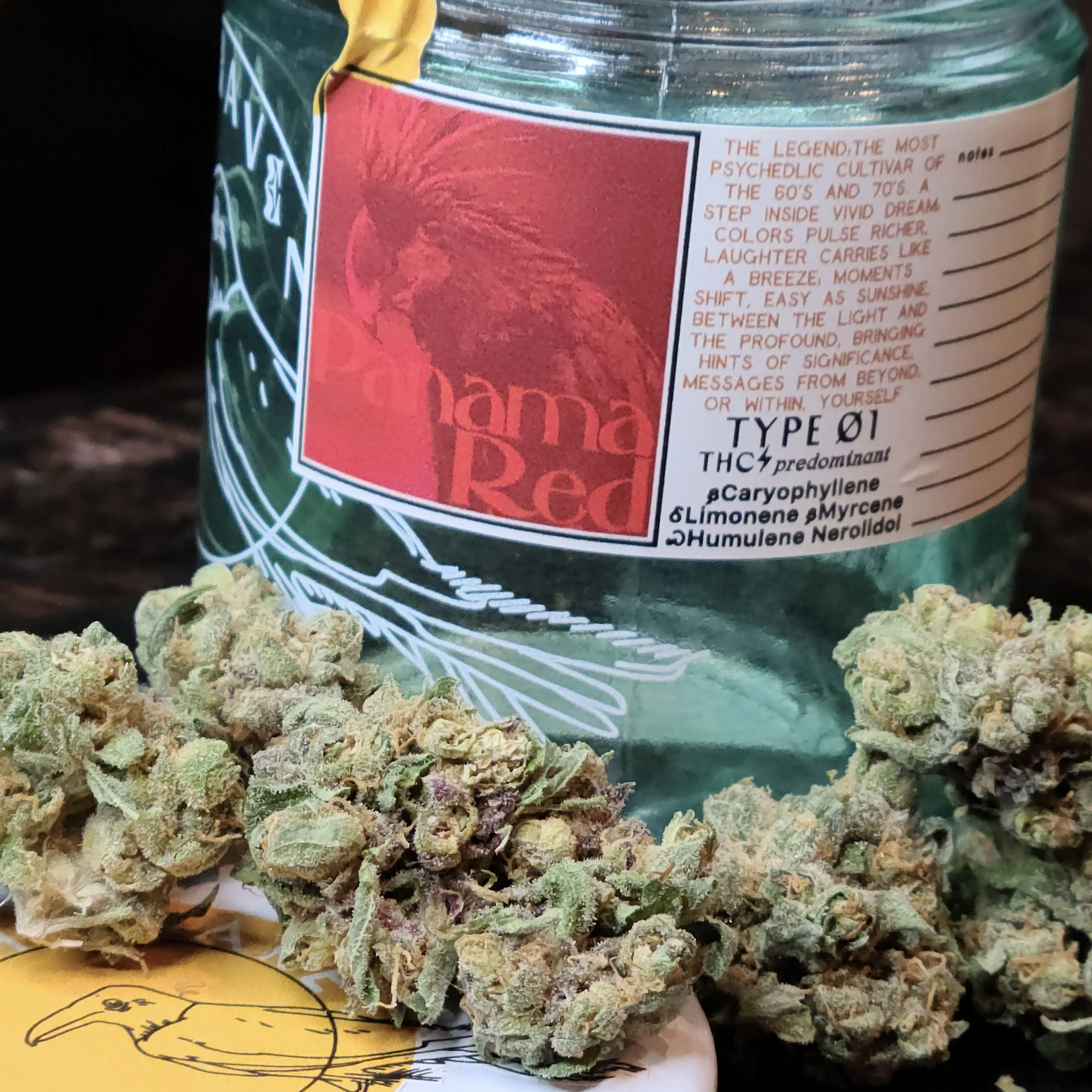
Read MorePanama Red is a pure sativa landrace from Panama's Pearl Islands, famous since the 1960s for its psychedelic, euphoric effects and spicy tropical fruit flavor. Panama's cocaine trade nearly wiped out its cultivation, but seed preservationists kept it alive. Washington growers like Raven Grass now cultivate this rare legend for Pacific Northwest cannabis lovers.
Read MoreHumulene is a naturally occurring terpene known for its earthy, woody, and slightly spicy aroma, commonly found in hops and certain cannabis varieties. Unlike many terpenes, humulene is often associated with balanced, clear-headed effects and potential appetite-supporting properties, making it popular among people seeking focus, calm, and functional daytime experiences.
Read MoreCannabis was widely used in Western medicine from 1839 until US prohibition in 1937. Sir William O'Shaughnessy introduced cannabis tinctures to Victorian England after observing its use in India. Major drug companies like Eli Lilly sold it in the US. It fell out of favor due to dosing challenges — a problem modern tinctures have now solved!
Read MoreCannabis vape cartridges come in four main types: distillate (high THC, 85–95%, clean and simple), CO2 (balanced cannabinoids and terpenes, clean extraction), live resin (full-spectrum, flash-frozen for bold flavor), and rosin (solventless, premium quality). Don't shop by THC% alone — extraction method, starting material, and hardware all matter!
Read MoreHave you ever wondered how long humans have been getting high?
Although cannabis legalization is a relatively new phenomenon in the United States, cannabis has been completely legal in many countries for most of human history. In fact, cannabis has been illegal for less than 1% of the time that it has been used by humans.
Not only have people across the globe used cannabis to get high, cannabis also has a long history of use as a fiber, a food, and a medicine dating as far back as 5,000 years ago.
Read MorePinene is a fresh, pine-scented terpene known for its crisp forest aroma and clear headed effects. Often associated with focus, alertness, and mental clarity, pinene-rich profiles are popular for daytime use, outdoor activities, and productive moments. Its refreshing flavor and uplifting experience make it a favorite among active consumers.
Read MoreRSO is one of the easiest cannabis products to use recreationally — just add a rice-grain-sized dose directly to food or drinks. It pairs great with savory dishes like ramen (the salt masks RSO's bitterness) or sweet treats like ice cream. Warm the syringe in water first to loosen the oil, and always wait 90–120 minutes for effects to peak before redosing!
Read MoreLinalool is a floral terpene best known for its calming lavender aroma and relaxing effects. Commonly associated with stress relief, mood balance, and gentle body relaxation, linalool-rich profiles are often chosen for evening use, unwinding after long days, or promoting restful sleep while maintaining mental comfort.
Read MoreCaryophyllene is a spicy, peppery terpene known for its warm aroma and uniquely grounding effects. Found in black pepper, cloves, and cinnamon, it is often associated with body comfort, stress relief, and balanced relaxation. Caryophyllene-rich profiles are popular for unwinding while staying clear headed and functional.
Read MoreMyrcene is an earthy, herbal terpene known for its relaxing and body calming effects. Found in mangoes, hops, and many popular varieties, myrcene is commonly associated with physical comfort, stress relief, and restful experiences. Myrcene-rich profiles are often chosen for evening use, relaxation, and winding down after a long day.
Read More