
From Magic Brownies to Lab Infusions: A Brief History of Cannabis Edibles
By Jeff Eckenrode
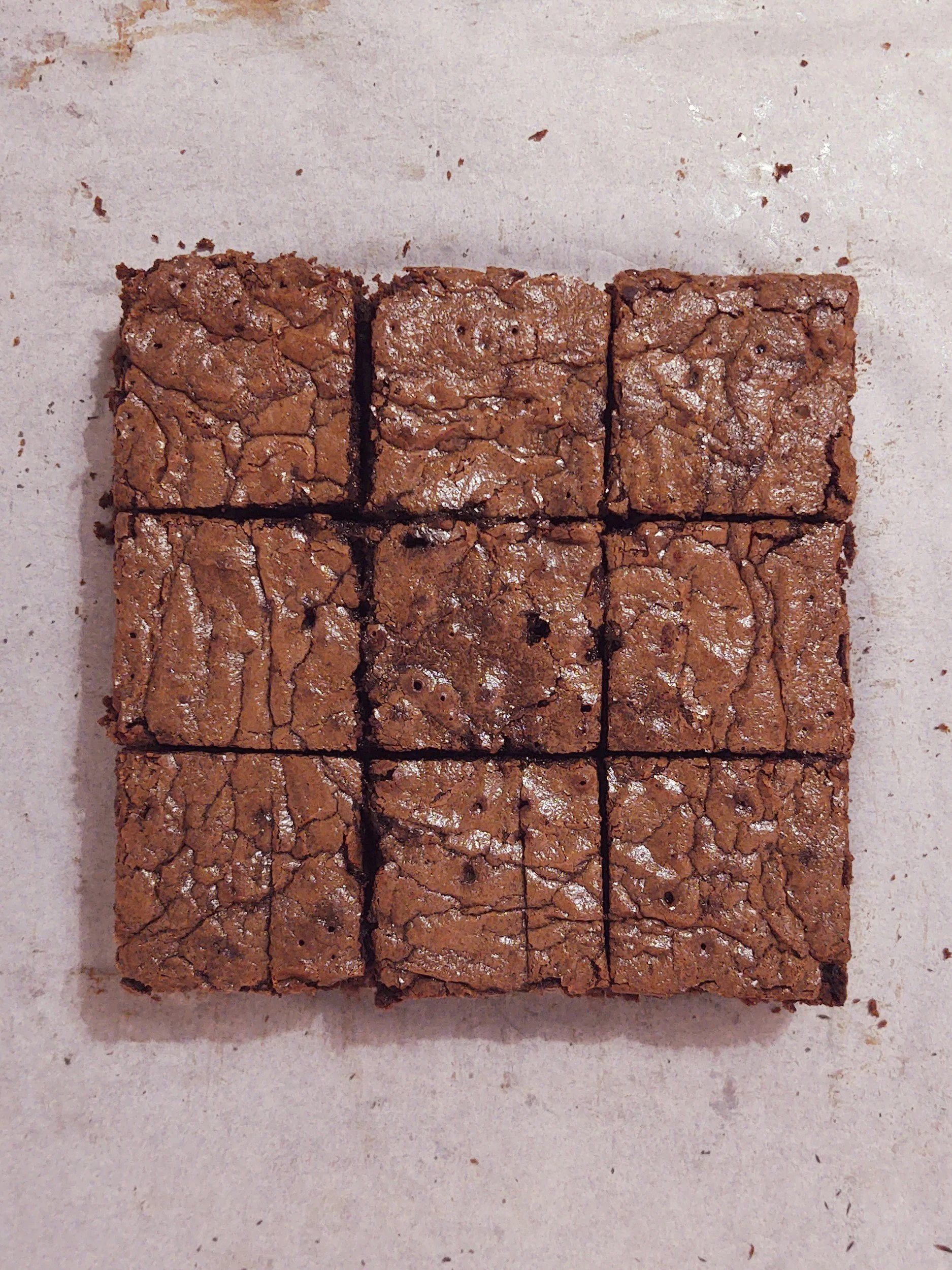
Image credit : Alcy Filho
Quick Answer: Cannabis edibles have evolved from homemade fudge and “magic brownies” in the 1950s & 60s to highly precise lab-infused products today. Early edibles were simple but inconsistent, while modern formulations use lab testing and advanced techniques like nanoemulsions to create predictable, fast-acting effects.
The Long and Fascinating History of Cannabis Edibles
From the kitchen experiments of early enthusiasts to the highly engineered products in dispensaries today, edibles have always offered an alternative to smoking or vaping.
Before the famous “magic brownies” of the 1960s ever hit the oven, The Alice B. Toklas Cookbook, regarded as one of the bestselling cookbooks of all time, included a unique recipe called “Hashish Fudge”.
Made from spices, nuts, fruit, and cannabis, “Hashish Fudge” quickly became a sensation in its own right.
But how did we go from homemade fudge and brownies to lab-tested infusions?
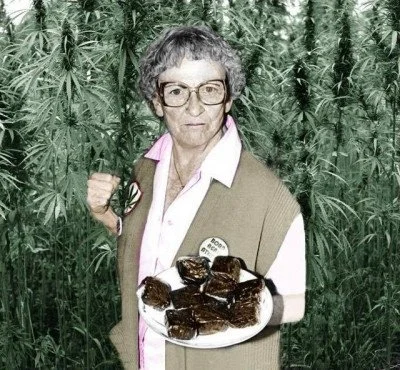
Image credit: Mint Cannabis
The Birth of the Magic Brownie
The story begins in the 1960s and 1970s, when cannabis culture blossomed across the United States.
Mary Jane Rathbun, popularly known as Brownie Mary, was an American medical cannabis rights activist.
Brownie Mary became famous in the 1970s for baking and selling cannabis brownies — she “baked and sold cannabis brownies … calling them ‘magically delicious.’”
Along with Brownie Mary, pioneering cannabis consumers quickly discovered that butter or oil could carry THC into food, creating the first “magic brownies” and cookies.
But their were considerable potency challenges for early bakers to overcome:
Potency Challenges: Effects were unpredictable, often resulting in stronger or weaker highs than intended.
According to Root Sciences, “absorption of THC from traditional edibles … can be as low as 6%,” meaning if you ate a 20 mg THC cookie, you might only effectively get ~1.2mg.
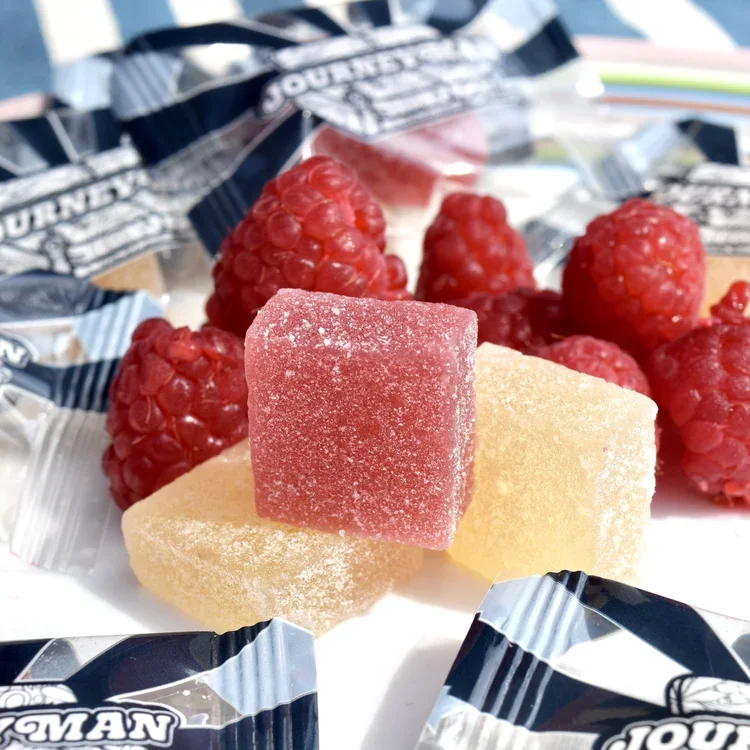
Image credit: Journeyman
Edibles Go Mainstream
Magic brownies became iconic symbols of cannabis experimentation and counterculture, often referenced in music, movies, and literature.
By the 1990s and early 2000s, cannabis legalization in states like California and Colorado helped edibles move from basement kitchens to licensed dispensaries.
Gummies, chocolates, and beverages became standard offerings.
Consistency & Safety: Lab testing ensured that doses were more predictable and products were free from contaminants.
Variety: Companies experimented with flavors, textures, and cannabinoid profiles to appeal to a wide range of consumers.
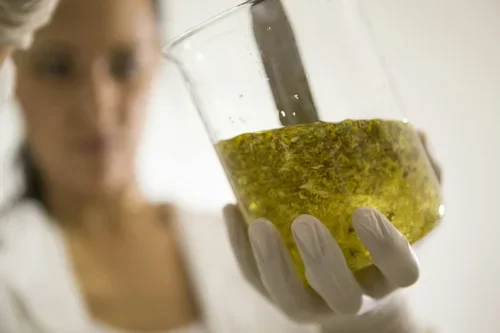
Image credit: Bee Naturalles
Lab-Infused & Advanced Formulations
Today, cannabis edibles are a blend of science and culinary art. Modern techniques include:
Nanoemulsions: THC or CBD is broken into tiny, water-soluble particles for faster, more consistent absorption.
Nanoemulsion speeds up absorption of cannabinoids like THC and CBD.
According to a Labroots report in 2020:
“Nano-emulsified cannabis products … lead to a higher absorption rate of cannabinoids … they also take effect more quickly and deliver more consistent results, making dosing more reliable.”
Nanoemulsion technology also has a significant impact on dosing and effects, including:
Precise Dosing: Every gummy, chocolate, or beverage is tested to deliver predictable effects.
Specialized Effects: Products can be formulated for relaxation, energy, or targeted relief.
These innovations have made edibles safer, more convenient, and more enjoyable for both recreational and medicinal users.
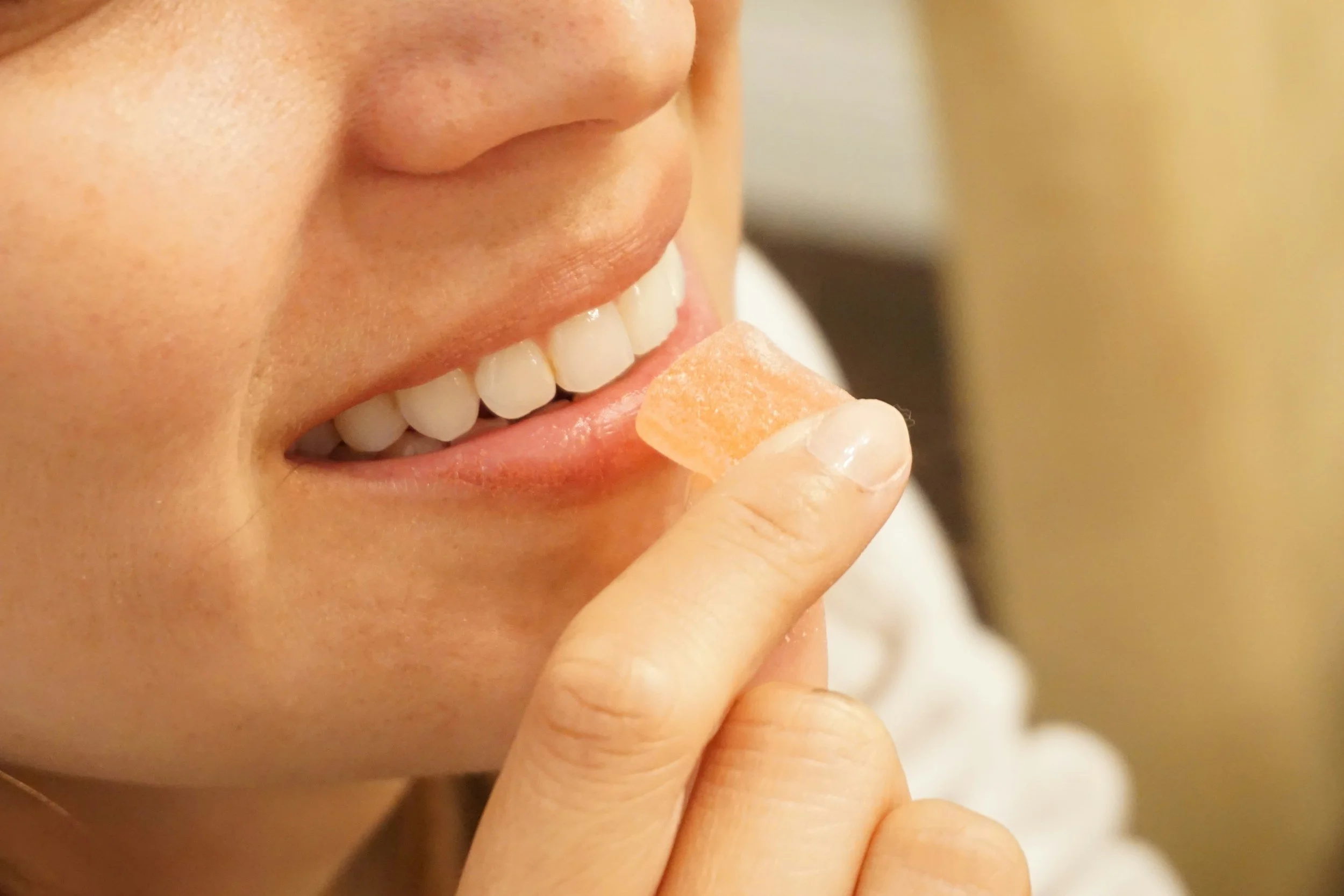
Image credit: Elsa Olofsson
Why Edibles Remain Popular
Despite advances in vaping and smoking, edibles hold unique appeal:
Discreet Consumption: No smoke, odor, or paraphernalia required.
Long-Lasting Effects: Depending on formulation, edibles can provide extended relief or recreation.
Creative Options: From classic brownies to infused beverages, edibles combine culinary enjoyment with cannabis effects.

Where to Find Cannabis Edibles
At Hashtag Redmond, we carry a wide selection of edibles, from gummies to chocolates, all tested for potency and safety.
Whether you’re seeking classic favorites or fast-acting lab-infused options, we have you covered.
Stop by our Redmond location or browse our online menu to explore the evolution of edibles firsthand.
FAQ A Brief History of Cannabis Edibles
What was the first recorded cannabis edible?
One of the earliest documented cannabis edibles was "Hashish Fudge" — a recipe made from spices, nuts, fruit, and cannabis that appeared in The Alice B. Toklas Cookbook, published in 1954. The book became a bestseller, and the recipe quickly became a cultural sensation, predating the more famous "magic brownies" of the counterculture era.
Who was Brownie Mary and why is she significant in edibles history?
Mary Jane Rathbun — known as "Brownie Mary" — was an American medical cannabis rights activist who became famous in the 1970s for baking and distributing cannabis brownies to AIDS patients in San Francisco. She was a pioneering figure in both cannabis edibles culture and the broader medical cannabis legalization movement, and is credited as a co-author of California's Proposition 215.
Why were early homemade cannabis edibles so unpredictable?
Early bakers had no way to test the potency of their cannabis before infusing it into food, and THC absorption from traditional edibles can be as low as 6% — meaning a 20mg THC brownie might effectively deliver only about 1.2mg to the person eating it. Without lab testing, consistent dosing was essentially impossible, leading to experiences that ranged from barely noticeable to overwhelmingly intense.
How did legalization change the cannabis edibles industry?
Cannabis legalization in states like California and Colorado in the 1990s and 2000s moved edibles from home kitchens into licensed dispensaries. Lab testing became mandatory, ensuring consistent potency, accurate dosing, and safety from contaminants. The product range expanded dramatically — gummies, chocolates, beverages, mints, and more — appealing to a much wider audience than the original brownie ever could.
What is nanoemulsion and how has it changed cannabis edibles?
Nanoemulsion is a technology that breaks THC or CBD into tiny, water-soluble particles, dramatically improving how the body absorbs cannabinoids. Traditional edibles absorb slowly and inconsistently, but nanoemulsion-based products absorb faster, take effect more quickly, and deliver more predictable and consistent results. This innovation has made cannabis beverages and fast-acting edibles far more reliable for both recreational and medical users.
Why do people still prefer edibles over smoking or vaping?
Edibles remain popular because they require no inhalation, leave no odor, and produce long-lasting effects — often 6 hours or more depending on the formulation. They're discreet, portable, and increasingly sophisticated, offering specific effects like relaxation, sleep, or energy. Modern lab-infused edibles combine culinary craft with cannabis science in a way that makes them appealing to both experienced consumers and newcomers to cannabis.
Want to learn more about cannabis edibles history and culture?
Then check out our collection of related posts here!