
How Soil Health Shapes Terpene Expression in Cannabis Flower
By Jeff Eckenrode

Image credit: Alisher Sherali
Quick Answer: Soil health influences terpene expression by shaping the microbial community around a cannabis plant's roots. Research on soil microbiota suggests these microbes affect how a plant produces cannabinoids and terpenes, meaning organic, living soil cultivation can support more complex, robust terpene profiles than nutrient-poor or synthetic growing conditions.
Two plants grown from identical genetics can turn out smelling and tasting noticeably different depending on how they were raised.
Lighting and pruning get a lot of the credit for that variation, but one of the most overlooked factors is happening below the surface, in the soil itself.
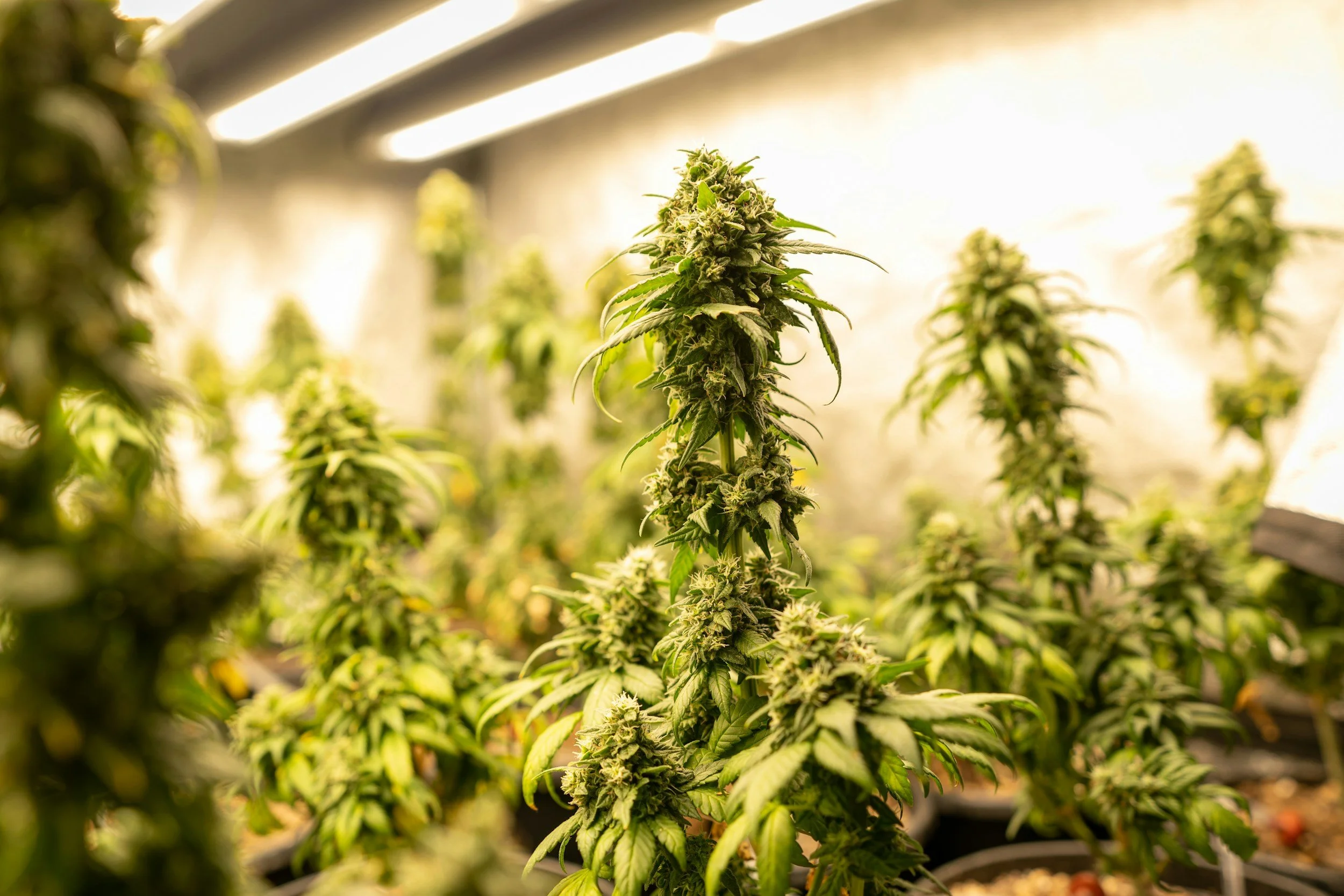
Image credit: CRYSTALWEED cannabis
Why Terpenes Are So Sensitive to Growing Conditions
Terpenes are the aromatic compounds responsible for a strain's smell, flavor, and much of its character. They're produced and stored in trichomes, the resin glands that coat cannabis flower, and their production is a biological response to the plant's environment.
That means anything affecting the plant's overall health and stress levels, including what's happening in the root zone, has the potential to influence how much terpene content the plant ultimately produces and expresses.
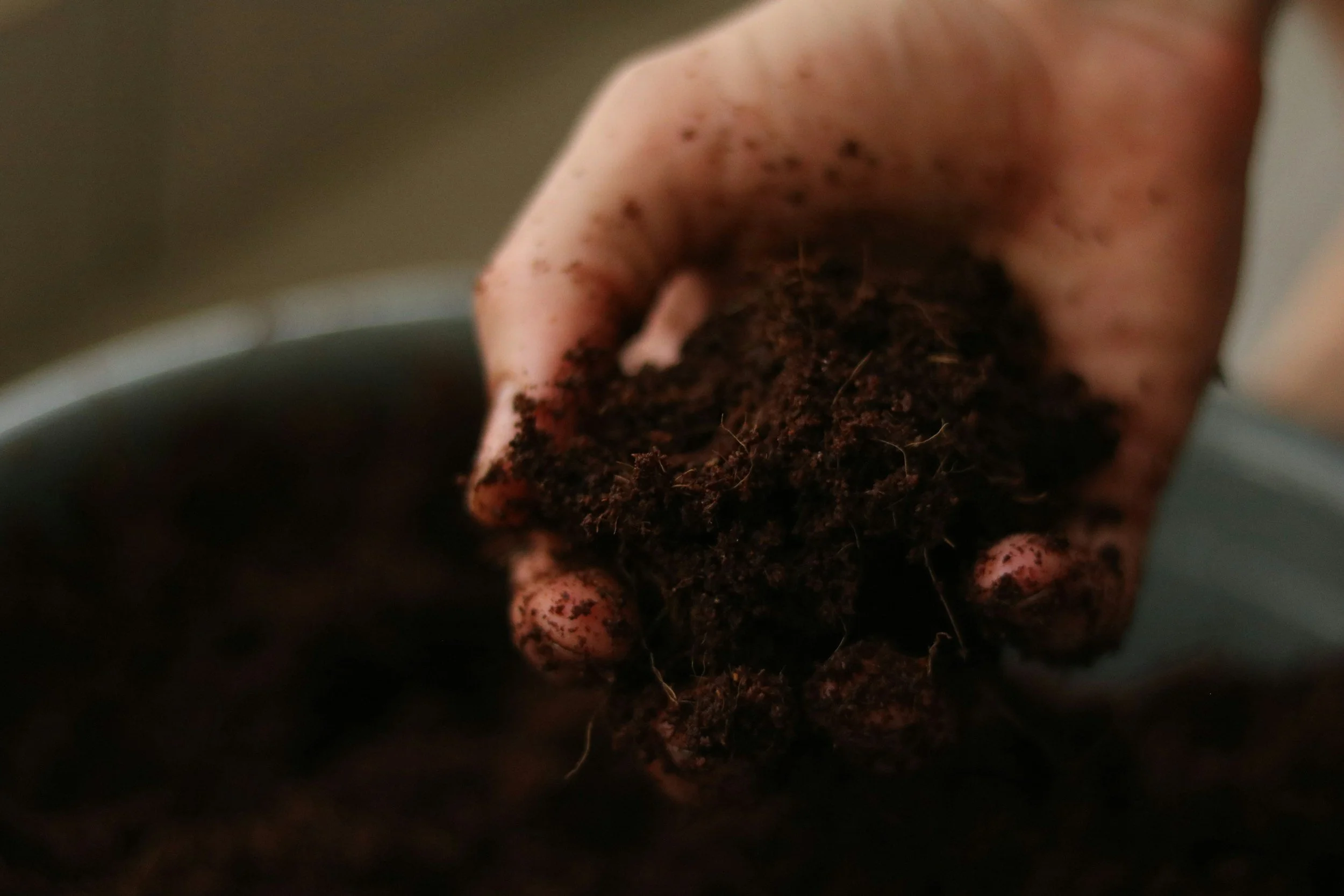
Image credit: Alicia Christin Gerald
How Soil Microbes Influence Terpene and Cannabinoid Production
Living soil isn't just dirt with organic fertilizer mixed in. It's an active ecosystem of bacteria, fungi, and other microorganisms that interact directly with a plant's root system.
A review of research on cannabis soil microbiota, published in the Journal of Cannabis Research, found that plant-associated microbes in the soil may influence cannabinoid biosynthesis, and proposed that manipulating the soil microbial community through amendments could help shape the balance and yield of a plant's secondary metabolites, the category of compounds that includes both cannabinoids and terpenes.
The relationship is still an emerging area of research, but the underlying idea is straightforward: a plant's chemistry doesn't develop in isolation from its growing environment.
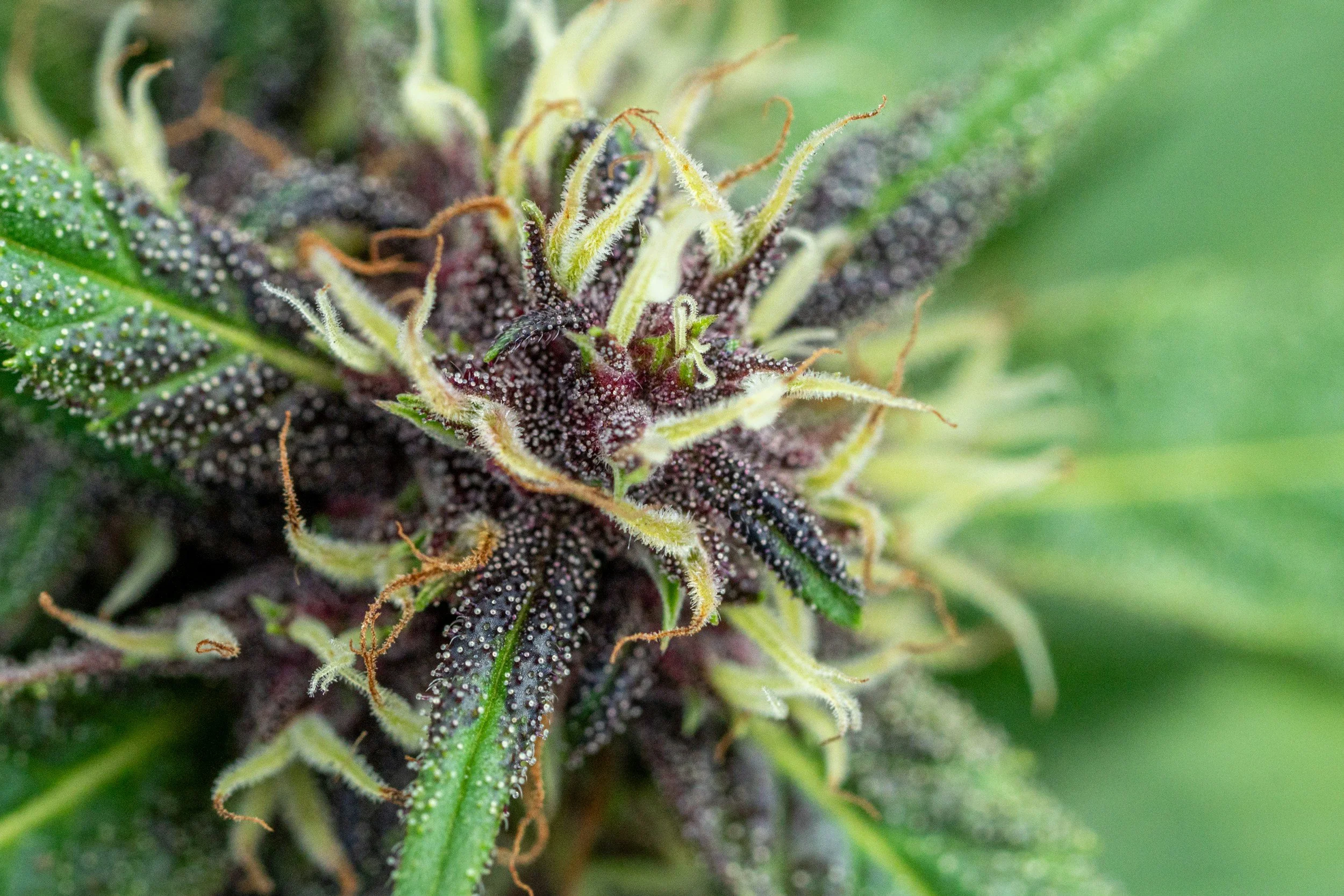
Image credit: Weedzard Cannabis Light
Why the Same Genetics Can Taste Different Depending on the Soil
This relationship also runs in both directions. Research examining the cannabis microbiome across different cultivars and growth stages found that the microbial communities associated with a cannabis plant vary depending on the cultivar and shift over the course of the plant's life cycle, and suggested that the secondary metabolites a plant produces, including its cannabinoids and terpenes, may play a role in shaping which microorganisms interact with it in the first place.
In practice, this means soil health and terpene expression are part of an ongoing feedback loop between the plant and its growing environment, not a one-way input.
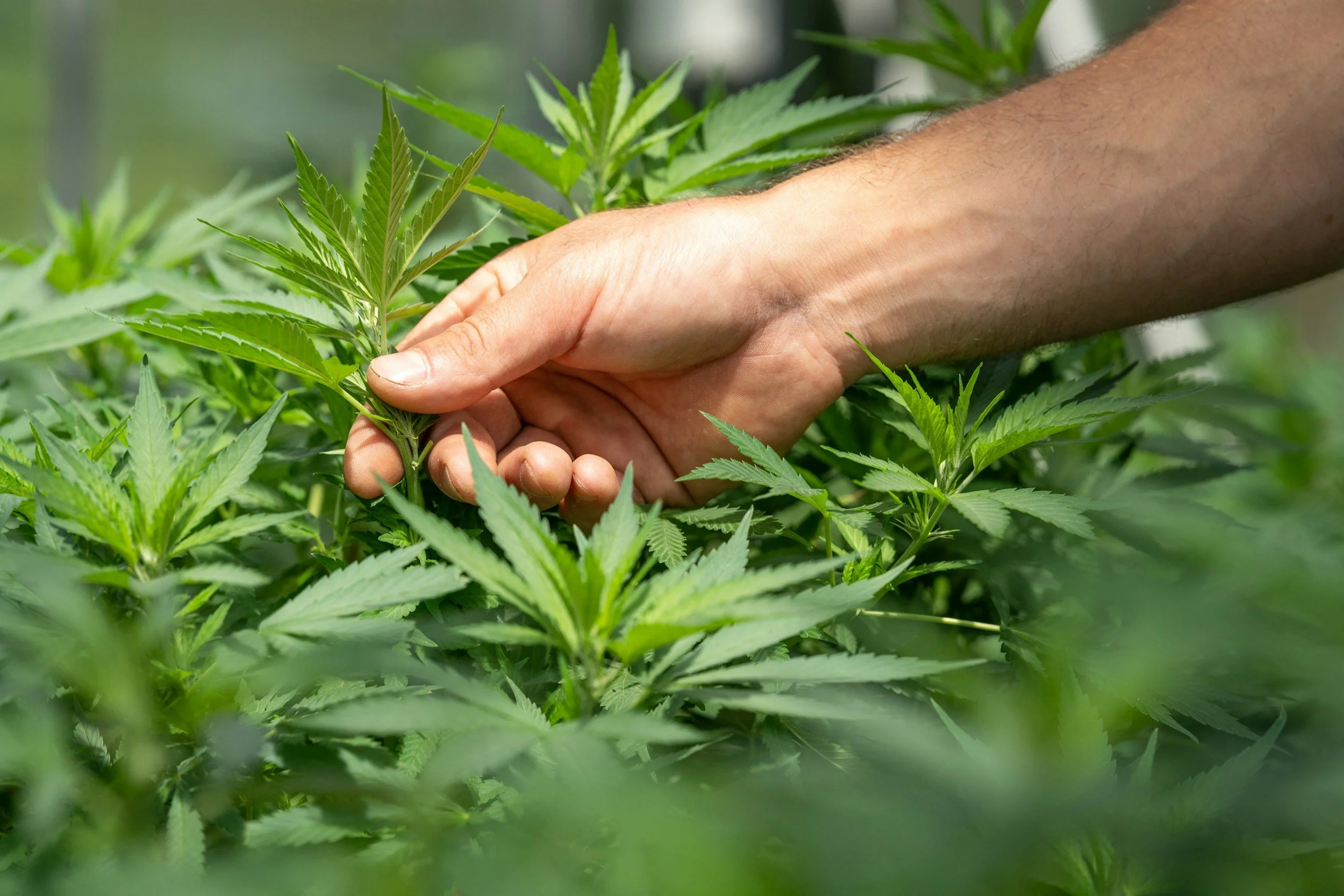
Image credit: CRYSTALWEED cannabis
What Living Soil Cultivation Actually Involves
Living soil cultivation avoids synthetic, salt-based nutrients in favor of organic amendments that feed the soil's microbial life rather than feeding the plant directly.
Growers using this approach typically rely on compost, organic amendments, and minimal tillage to preserve the microbial ecosystem across grow cycles, rather than resetting the growing medium between harvests the way many synthetic-fed operations do.
It's a slower, more hands-on approach to cultivation, but it's built specifically around the idea that a healthier, more biologically active root zone gives the plant the tools to fully express its genetics.

Where Can I Find Living Soil Cannabis in Redmond?
Mako Farm is one of the flower brands carried at Hashtag Cannabis in Redmond, and their entire cultivation approach is built around the living soil principles described above.
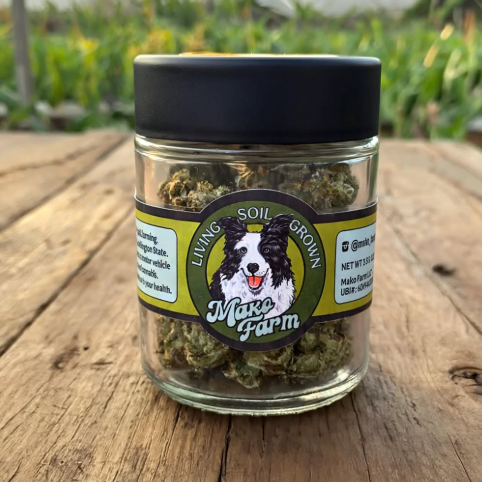
Image credit: Mako Farms
What Makes Mako Farm Special?
Mako Farm, based in Burlington, Washington, has grown exclusively in living soil for nine years using only OMRI-certified organic amendments, with no synthetic inputs ever entering the water, soil, or grow rooms.
They work with an agronomist to manage their soil program consistently across harvests and use an automated watering system suited to living soil's specific moisture needs.
As a small, craft-scale farm, they're also able to be selective about which strains they grow, choosing for flavor and a full, well-rounded terpene profile. It's a cultivation philosophy built specifically around the soil-plant relationship this post covers.
Ask a Hashtag Redmond budtender what Mako Farm flower is currently on our shelves, or check our online menu for availability.
FAQ about Living Soil Cannabis Cultivation
What is living soil cannabis cultivation?
Living soil cultivation is a growing method that uses organic amendments, such as compost and natural mineral inputs, to feed and sustain an active microbial ecosystem in the soil, rather than relying on synthetic, salt-based nutrients. The goal is to support the plant indirectly by maintaining a healthy, biologically active root zone, rather than feeding the plant directly. Living soil is often reused and built upon across multiple grow cycles rather than replaced between harvests.
Does soil health actually affect terpene production in cannabis?
Genetics remain the primary driver of a cannabis plant's terpene profile, but a growing body of research suggests that soil health and the surrounding microbial community can influence how fully a plant expresses that genetic potential. Terpenes are produced as part of a plant's response to its environment, so factors that affect overall plant health, including root-zone biology, have the potential to shape terpene output. This is still an active and developing area of research rather than a settled science.
What is the difference between living soil and synthetic hydroponic growing?
Living soil cultivation relies on organic amendments and an active microbial ecosystem to nourish the plant indirectly, with growers avoiding synthetic fertilizers entirely. Synthetic and hydroponic growing methods feed the plant directly with mineral nutrient solutions, often in an inert growing medium with little or no microbial activity. Both methods can produce high-quality cannabis, but they represent fundamentally different approaches to plant nutrition and soil biology.
Why do cultivators choose living soil over synthetic nutrients?
Cultivators who choose living soil are typically prioritizing a more natural, ecosystem-based approach to growing, often citing benefits like improved soil structure, water retention, and the potential for a more complex terpene and cannabinoid profile. It also aligns with sustainability goals, since it avoids synthetic chemical inputs and can be maintained and rebuilt across multiple grow cycles rather than discarded after each harvest.
Is organic cannabis actually pesticide-free?
Organic or living soil cultivation methods reduce the need for synthetic pesticides by supporting plant health and pest resistance through soil biology, but "organic" and "pesticide-free" aren't automatically the same thing. Consumers who want pesticide-free flower should look for products that have passed Washington state's required lab testing for pesticides, which is mandatory for all licensed cannabis products regardless of growing method.
What does OMRI-certified mean for cannabis soil amendments?
OMRI, the Organic Materials Review Institute, is an independent nonprofit that reviews and certifies products for use in organic production based on federal organic standards. When a cultivator uses OMRI-certified soil amendments, it means those specific inputs have been independently verified as meeting organic criteria, rather than the grower simply self-describing their process as organic. It's one of the more rigorous third-party verification standards available for cultivation inputs.
Want to learn more about cannabis science and plant biology?
Then check out our collection of related posts here!
Then check out our full Cannabis Science & Plant Biology hub page for everything else you need to know.