
Is Premium Cannabis Worth the Price? A Guide to Quality Markers
By Jeff Eckenrode
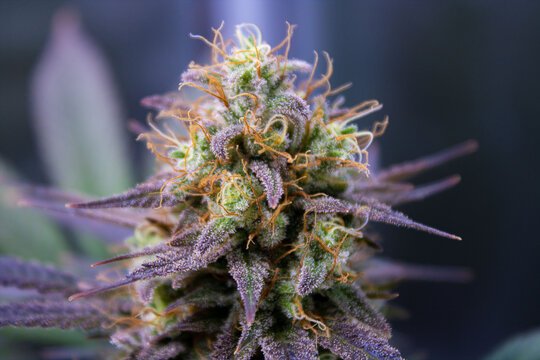
Image credit: Adobe Stock
Quick Answer: Premium cannabis is worth the price when the quality markers are real — rich terpene profiles, dense well-developed trichomes, proper cure and trim, and verified lab results. THC percentage alone is not a reliable quality marker. What you're actually paying for at the top of the price range is cultivation craft, genetic integrity, and the full complexity of the plant.
Is the most expensive flower on the shelf actually better than the mid-range options? And if so, how do you tell the difference?
These are fair questions — and they deserve a better answer than "you get what you pay for." Cannabis pricing is complicated. Premium products command a real premium, but the markers that justify that premium aren't always the ones consumers are trained to look for. High THC numbers, for example, are one of the least reliable quality indicators on the shelf today.
Here's a practical guide to what actually separates premium cannabis from mid-shelf options, and how to evaluate whether a higher price is telling you something real.
Image credit: CRYSTALWEED cannabis
What Premium Cannabis Actually Costs (and Why)
The price difference between budget and premium flower usually comes down to a few upstream factors: genetics, cultivation approach, and post-harvest handling.
Premium cultivars tend to start with more carefully selected genetics — pheno-hunted cuts that have been identified and preserved because they consistently perform, rather than seeds popped in bulk and grown out without selection. The cultivation process for premium flower typically involves more attention to environmental variables (light spectrum, vapor pressure deficit, feeding schedules), longer flush periods, and more precise harvest timing.
Post-harvest handling matters just as much. A well-grown plant can be ruined by a rushed dry, an inconsistent cure, or sloppy machine trimming that strips away the trichomes that carry terpenes and cannabinoids. Premium flower is more likely to be hand-trimmed, slowly dried, and carefully cured — all of which preserves the integrity of what the plant actually produced.
None of this is cheap to do well. And that's a legitimate reason for price differences at the top of the market.
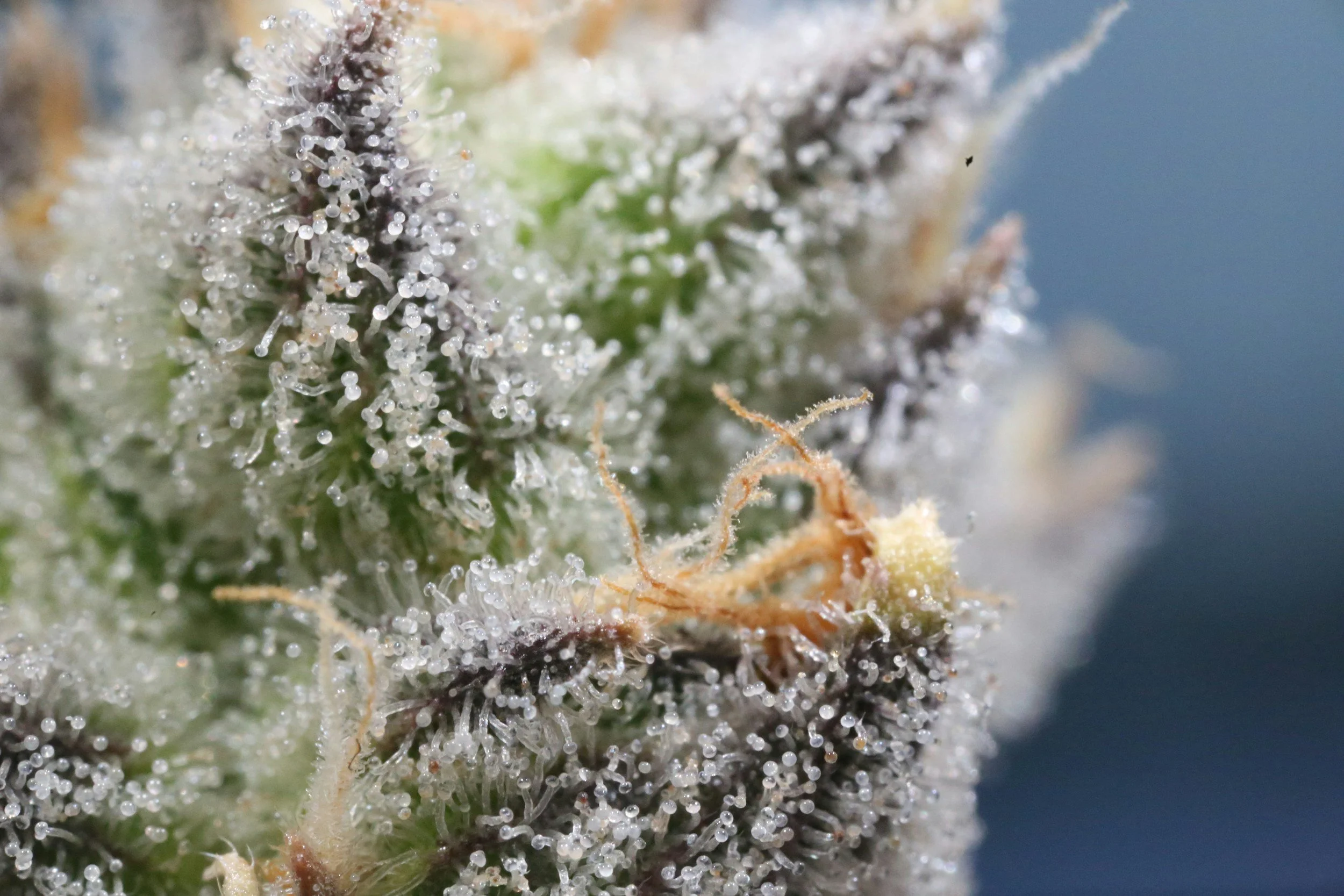
Image credit: XRP Relic
Quality Markers Worth Paying Attention To
Terpene profile and aroma. This is the single most reliable sensory indicator of cannabis quality. A rich, complex aroma — whether that's fruity, piney, earthy, diesel, or floral — means the terpene profile is intact and the flower has been properly handled. Flat, hay-like, or nonexistent aroma usually signals a rushed dry or improper cure. If you can smell it before you open the jar, that's a good sign. If it barely has a scent after you open it, that's a bad one.
Trichome coverage and appearance. Under a loupe or magnification, healthy premium flower should show dense, milky-to-amber trichome heads that are intact and upright. Trichomes are the production sites for both cannabinoids and terpenes, and their condition tells you something about how the plant was grown, how carefully it was handled after harvest, and how well it was stored. That said, trichome density alone doesn't guarantee potency — research shows that biosynthetic enzyme activity and genetic expression profiles are equally influential in determining cannabinoid content, which means dense trichomes don't automatically mean more THC.
Structure and trim quality. Well-grown premium flower tends to have dense, cohesive bud structure with defined calyxes — not loose, airy, or leafy buds that suggest underdeveloped growth. Hand trim is generally considered superior to machine trim because it preserves trichome structure. You can often tell the difference: machine-trimmed flower tends to have a perfectly uniform, almost geometric appearance, while hand-trimmed flower looks more naturally irregular.
Moisture content. Properly cured flower should feel sticky but not wet, and it should break apart with a slight snap rather than crumbling to dust or bending without breaking. Flower that's too dry has lost terpenes and likely cannabinoids to degradation. Flower that's too moist risks mold and burns poorly.
Lab results and COA transparency. At Hashtag Redmond, all of the brands we carry, including Premium brands, have a Certificate of Analysis (COA) from a third-party lab available. Many of these COAs detail not just cannabinoid percentages but also terpene profiles, pesticide screening, microbial testing, and heavy metal testing. A COA that only shows THC and CBD percentage is a minimum — a COA that shows the full terpene panel, specific cannabinoid breakdown (including THCA, CBDA, CBG, CBN), and contamination testing is the mark of a producer who is genuinely confident in their product.
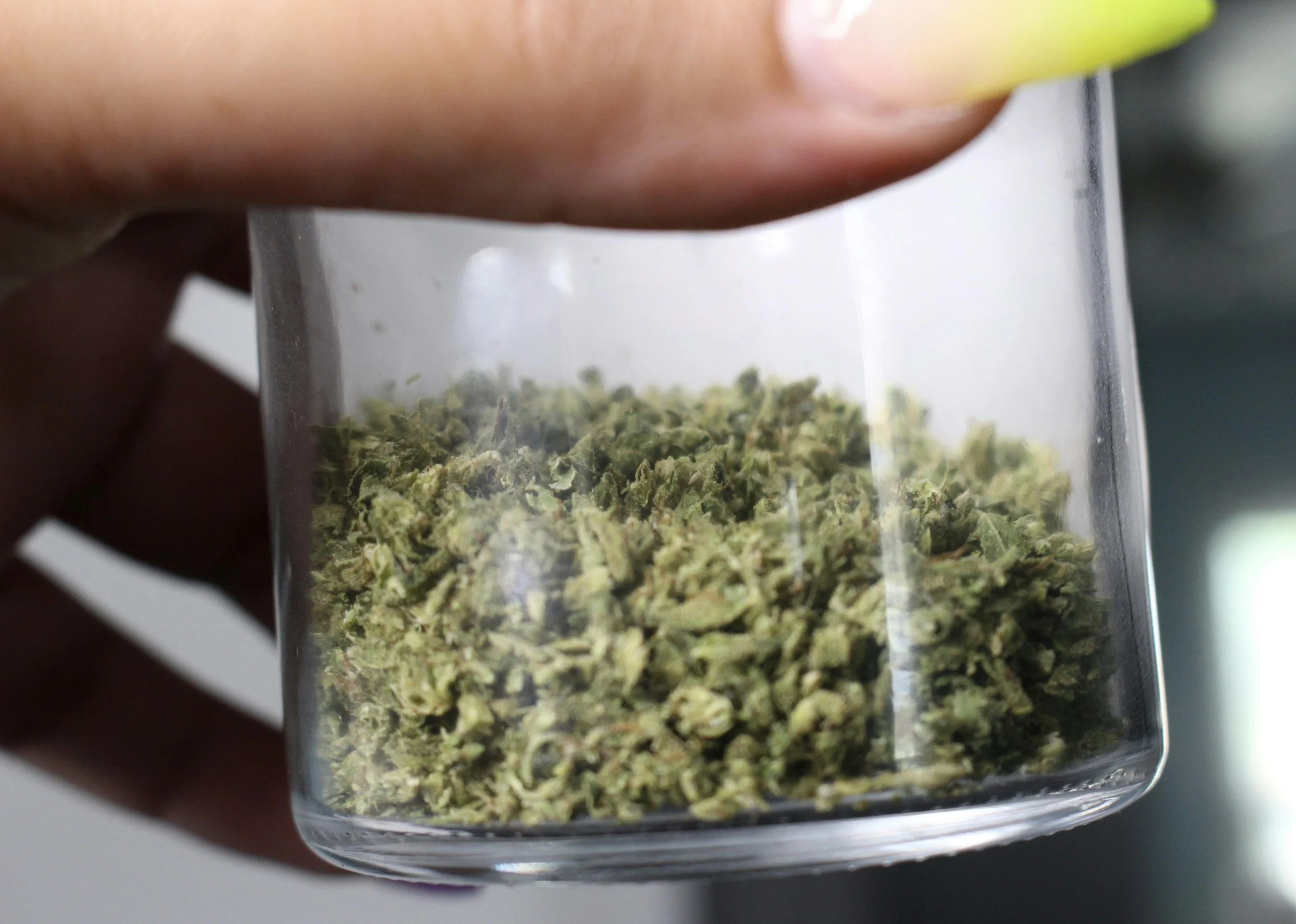
Image credit: Len Mora
What to Stop Using as a Quality Indicator
THC percentage. This is the most overused and least useful quality marker in consumer cannabis. High THC percentages have been aggressively marketed as a proxy for potency and quality, but the science doesn't support this framing. Your experience with cannabis is shaped by the full profile of compounds — cannabinoids, terpenes, and flavonoids working together through the entourage effect. A 28 percent THC strain with a flat terpene profile will often deliver a less interesting experience than a 21 percent strain with a rich, complex terpene profile. Chasing THC numbers is one of the most reliable ways to end up disappointed.
Color alone. Purple flower is visually appealing, but as we've covered elsewhere on this blog, color is the result of flavonoid expression — not cannabinoid content. A beautifully purple bud isn't inherently more potent or better grown than a green one.
Price alone. Premium price is a necessary but not sufficient condition for quality. Some mid-shelf products from quality-conscious producers genuinely punch above their price point. Some premium-priced products are trading on branding rather than craft. Price sets expectations — it doesn't guarantee fulfillment.

Image credit: Cova Software
When Mid-Shelf Makes Sense
Premium cannabis is worth the premium when you're looking for a specific experience, a complex flavor profile, or the best version of a particular cultivar. It's an appropriate choice for consumers who use less and want each session to be more intentional.
Mid-shelf cannabis makes a lot of sense for higher-volume consumers, for cooking and infusions where terpene complexity matters less, and for situations where you want consistent reliable effects without paying for the additional craft that goes into premium flower.
The honest answer is: it depends on what you're optimizing for. At Hashtag Redmond our friendly budtenders can help you to figure that out.

Where Can I Find Premium Cannabis in Redmond?
At Hashtag Cannabis in Redmond, SKöRD is what premium looks like when it's built from the ground up. Obsessed with originality, Skord is small-batch by design and unwilling to cut corners anywhere in the process.

What Makes SKöRD Special?
SKöRD only grows their newest strains in small batches, and they make all their concentrates in-house. Both of those choices are more expensive and more labor-intensive than the alternative. They do it anyway, because quality control requires it.
Precisely managed for nutrients and environment, Skord's custom in-house nutrient blends are tailored to each strain's specific needs. No synthetic pesticides: integrated pest management means organic treatments and beneficial insects instead. Every bud is hand-trimmed and cured to preserve trichome integrity.
Their concentrate line is produced entirely in-house too using solventless and low-solvent techniques: bubble hash, rosin, and PHO. That means the same quality standard that goes into their flower carries through to their cartridges. Their PHO carts use the identical oil as their concentrate line: no distillate, no added terpenes, no cutting agents.
Strains like Cake Donut, Zkittlemints, and Blue Lime Pie represent the pheno-hunting philosophy they've built the brand on: seeking out rare and exotic genetics and selecting the individual phenotypes that best express what the lineage can do. The result is exclusive in-house cuts with terpene profiles you won't find anywhere else.
Want to learn more? Visit their website at: https://skordcannabis.com
Want to see what's currently in stock? Shop SKöRD products by clicking our online menu below.
Frequently Asked Questions About Cannabis Quality and Pricing
Is high THC percentage the best indicator of cannabis quality?
No — and this is one of the most important things to understand about cannabis quality. THC percentage measures only one compound out of hundreds that shape your experience. Research consistently shows that terpene profiles, cannabinoid ratios, and the interaction between all of these compounds through the entourage effect determine the character of the experience more reliably than THC percentage alone. A strain with 21 percent THC and a rich, complex terpene profile will often deliver a more interesting and satisfying experience than a 28 percent strain with a flat, underdeveloped terpene profile.
What is the most reliable sensory quality indicator for cannabis flower?
Aroma. A rich, complex, distinctive smell means the terpene profile is intact — which tells you the plant was grown well, dried carefully, and cured properly. Terpenes are volatile compounds that degrade quickly under heat, light, and air exposure, so a strong and nuanced aroma is the clearest sign that what the plant produced has been preserved through to the final product. Flat, hay-like, or absent aroma is usually a sign of a rushed dry, poor cure, or degraded storage.
What should I look for in cannabis lab results (COA)?
A quality Certificate of Analysis should include more than just THC and CBD percentages. Look for a full terpene panel showing specific terpene names and concentrations, a complete cannabinoid breakdown including minor cannabinoids like CBG, CBN, and THCA, and contamination screening covering pesticides, heavy metals, and microbial content. Brands that make their full COA transparent and accessible are demonstrating confidence in their product at every level — not just potency.
Does trichome density mean a strain is more potent?
Trichome coverage is a useful quality indicator, but it's not a direct predictor of potency. Research shows that biosynthetic enzyme activity and genetic expression profiles are equally influential in determining cannabinoid content — meaning a strain with moderate trichome density but highly active cannabinoid synthase genes can outperform a visually frostier strain with less active biochemistry. Intact, milky-to-amber trichome heads under magnification are a sign of careful handling and proper harvest timing, which is valuable information — just not the complete picture.
Why is hand-trimmed flower considered better than machine-trimmed?
Machine trimming is faster and more consistent at scale, but it subjects the flower to more physical contact and agitation, which can break off trichome heads and strip away the surface resin that carries terpenes and cannabinoids. Hand trimming is slower and more labor-intensive, but it preserves trichome structure more effectively and allows for more careful attention to individual buds. The result is typically a better-looking, better-smelling, and more flavorful final product — which is one reason hand trim is a common marker of premium cultivation.
When is it worth spending more on premium cannabis?
Premium cannabis is worth the price when you're looking for a specific cultivar experience, a complex flavor profile, or the most carefully crafted version of a particular strain. It's a good fit for consumers who use less and want each session to be more intentional. For higher-volume consumers, cooking and infusions, or everyday casual use, mid-shelf options from quality producers often deliver strong value without the premium price. A good budtender can help you evaluate the specific options in front of you and decide what fits your goals and budget.
Want to learn more about finding the best cannabis in Redmond?
Then check out our collection of related posts here!
For more Dispensary & Consumer Guides, visit our full resource hub here: Knowledge Stash