
Hash-Infused vs. Distillate Edibles: What’s the Difference?
By Jeff Eckenrode
Image credit: Pam Mene
Quick Answer: Hash-infused edibles are made with solventless concentrate like bubble hash or rosin, which keeps more of the plant's original terpenes and cannabinoids. Distillate edibles use a highly refined THC extract, giving precise, consistent dosing and a neutral flavor base. Neither is better; the choice comes down to whole-plant character versus precision.
Not all edibles are built from the same starting material.
Two gummies with the exact same THC number on the label can come from completely different places, and that difference shows up in how the edible tastes, how it feels, and how "whole plant" the experience is.
The two most common starting points are hash and distillate, and understanding what separates them makes it a lot easier to pick the right edible for what you actually want.
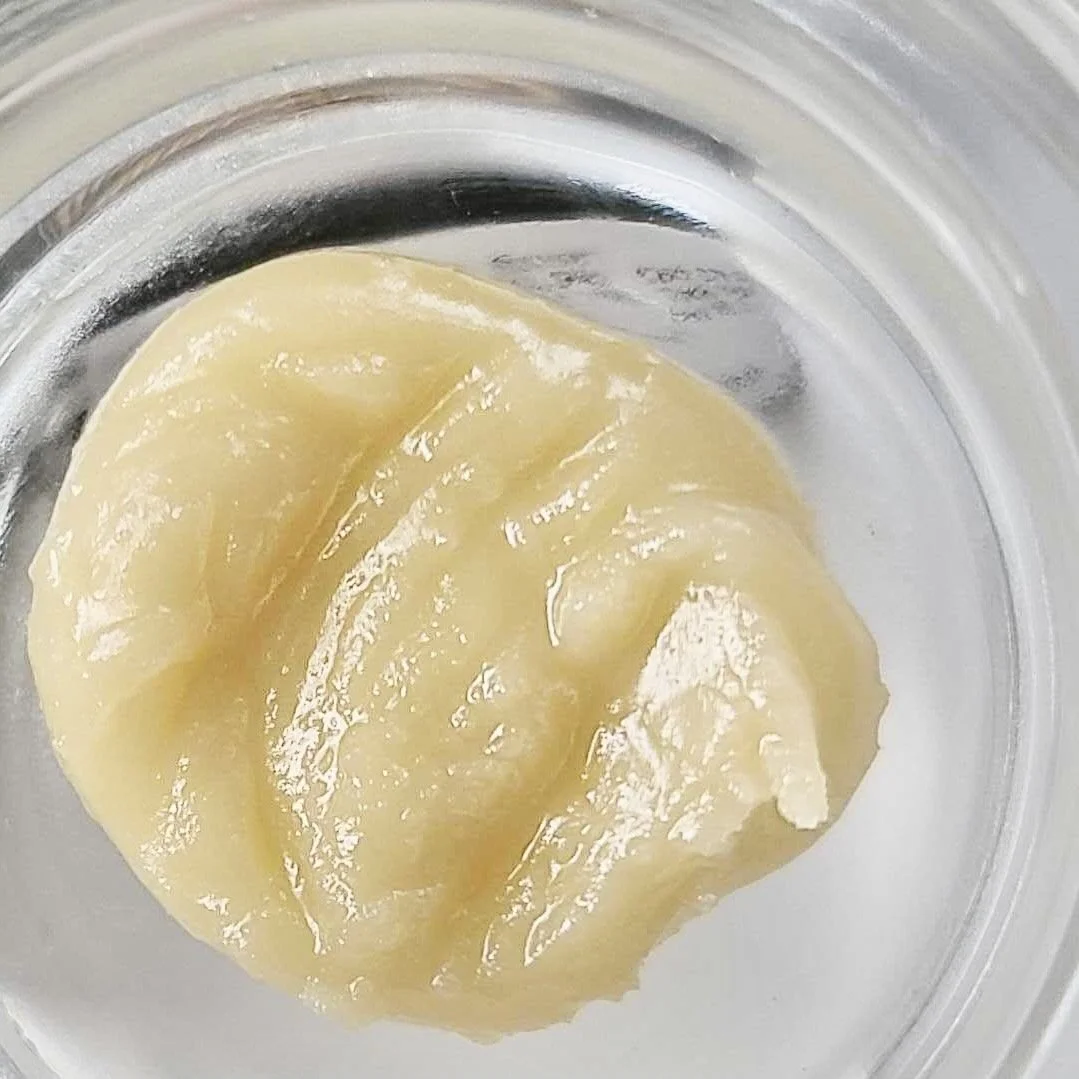
Image credit: Knots Cannabis
What Makes an Edible "Hash-Infused"?
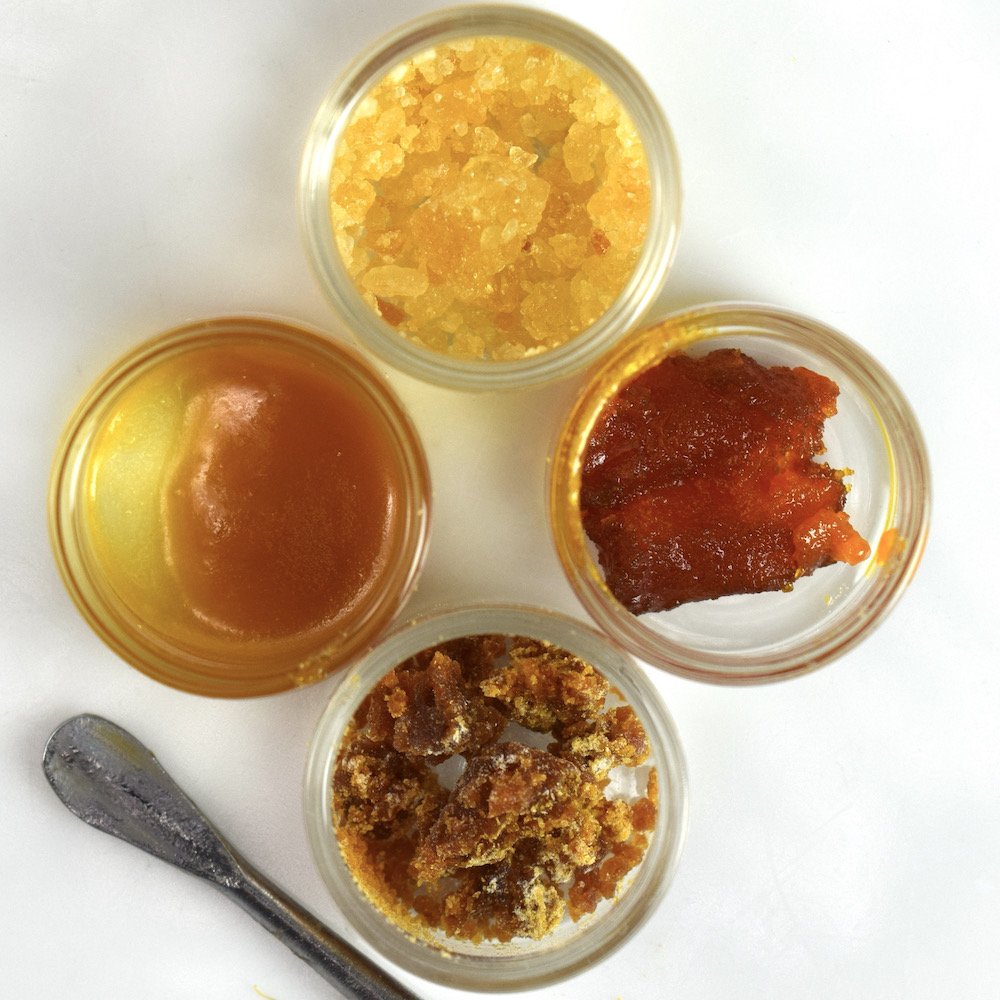
Hash-infused edibles start with cannabis concentrate made through solventless, mechanical extraction rather than chemical processing. Bubble hash uses ice water and fine mesh screens to physically separate trichomes, the tiny resin glands that hold most of a plant's cannabinoids and terpenes, from the rest of the plant material. Rosin takes that further by applying heat and pressure to press oil directly out of hash or flower, with no solvents involved at any step.
Because these methods rely on physical separation instead of chemical refinement, they tend to carry over more of the plant's original chemistry. Researchers studying solventless extraction techniques have found that isolating trichomes from cannabis material using mechanical, low-temperature methods helps preserve the plant's native terpene and cannabinoid profile, including some of the more delicate aromatic compounds that are typically lost during heavier processing. That's the reason hash-infused edibles are often described as tasting and feeling closer to the flower they came from.

What Makes an Edible "Distillate-Based"?
Distillate is the opposite approach. It's a highly refined extract, produced using heat, solvents, and additional purification steps to isolate THC to a very high concentration, often 90 percent or more. That level of refinement is exactly what makes distillate so useful for edibles: manufacturers can measure and dose it with precision, batch after batch, which is part of why distillate has become the industry standard for consistent, shelf-stable gummies and chocolates.
The trade-off is that refinement strips out most of the plant's original terpenes and secondary cannabinoids along the way. Research comparing different cannabis extraction methods found that the technique used has a measurable effect on how much of a plant's terpene content survives the process, with more aggressive refinement generally resulting in more terpene loss and degradation. Distillate edibles make up for this by flavoring the product separately, which is why a distillate gummy's flavor usually comes from added flavoring rather than the plant itself.
How the Extraction Method Changes the Experience
This is where the difference actually matters to the person eating the edible. Distillate edibles deliver a clean, isolated THC experience: predictable, consistent, and easy to dose precisely. Hash-infused edibles carry more of the plant's original cannabinoid and terpene profile into the final product, which some consumers describe as a fuller, more rounded effect compared to an isolated THC dose.
Cannabis synergy research has proposed that cannabinoids and terpenes may interact with each other in ways that shape the overall experience, an idea often referred to as the entourage effect, though the exact mechanisms are still an active area of study. In practice, this is why some consumers say whole-plant, hash-based edibles feel different from a THC-isolate edible even at the same milligram count.
Image credit: iMattSmart
Which Should You Choose?
Neither option is objectively better. If precise, predictable dosing is your priority, or you want a completely neutral flavor base, distillate edibles are a reliable choice. If you're drawn to a more whole-plant experience and don't mind a bit more variability from batch to batch, hash-infused edibles are worth trying. Many consumers end up using both, depending on the occasion.
Where Can I Find Hash-infused Edibles in Redmond?
Kelly's Sweet Hash Edibles is one of the hash-infused brands on the shelves at Hashtag Cannabis in Redmond, built specifically around the solventless, whole-plant approach described above.
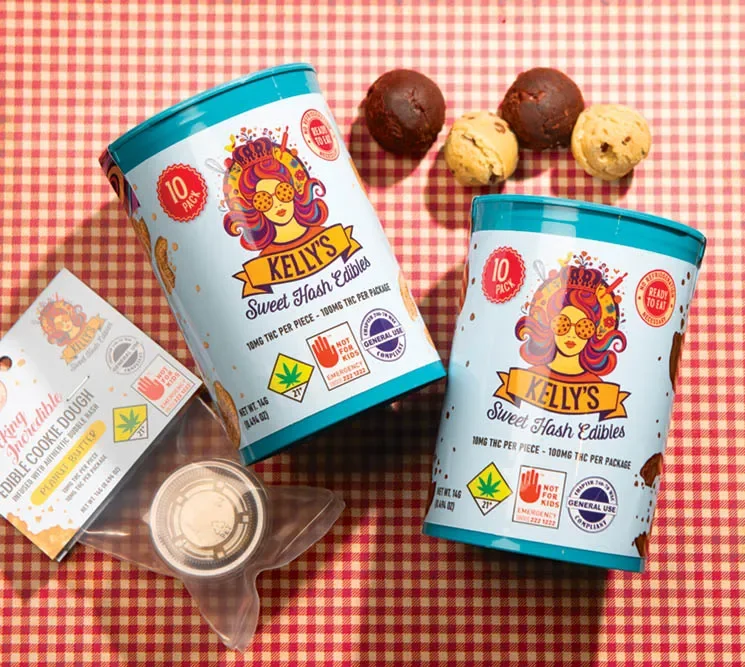
Image credit: NW Leaf Magazine
What Makes Kelly's Sweet Hash Edibles Special?
Kelly's Sweet Hash Edibles leans into hash as the foundation of its edibles rather than treating it as a novelty add-on.
That means the cannabinoid and terpene profile of the source material carries through into the final product in a way that distillate-based edibles typically can't replicate.
For consumers who want an edible that leans closer to the plant itself, it's a solid option to explore.
Ask a Hashtag budtender about current Kelly's Sweet Hash Edibles availability, or check our online menu to see what's in stock.
FAQ about Hash-infused vs. Distillate Edibles
What is a hash-infused edible?
A hash-infused edible is made using cannabis concentrate produced through solventless, mechanical extraction methods like bubble hash or rosin, rather than chemically refined distillate. These methods physically separate trichomes, the resin glands that hold most of a plant's cannabinoids and terpenes, without using solvents. Because the process relies on physical separation rather than chemical refinement, hash-infused edibles tend to preserve more of the plant's original terpene and cannabinoid profile than distillate-based products.
What is the difference between hash and distillate in edibles?
Hash is made through solventless, mechanical methods that physically separate trichomes from plant material, preserving more of the plant's natural terpenes and secondary cannabinoids. Distillate is a highly refined extract that isolates THC to a very high concentration, typically stripping out most of the original terpene content in the process. Hash-infused edibles generally offer a fuller, more whole-plant experience, while distillate edibles offer more consistent, precisely measured dosing.
Do hash-infused edibles feel different from distillate edibles?
Many consumers report that hash-infused edibles feel different even at the same THC dose, often describing them as fuller or more complex compared to a THC-isolate edible. Researchers have proposed that this may relate to interactions between cannabinoids and terpenes, sometimes called the entourage effect, though the science on this is still developing. Individual experience can vary based on tolerance, metabolism, and the specific product.
Are hash-infused edibles stronger than distillate edibles?
Not necessarily. Strength depends on the total THC content per serving, not the extraction method used to make it. A hash-infused edible and a distillate edible with the same milligram dose should deliver similar potency, though some consumers describe the overall experience of a hash-infused edible as fuller or more layered due to the broader range of compounds it retains.
Why do distillate edibles taste different from hash-infused edibles?
Distillate goes through heavy refinement that removes most of the plant's original terpenes, which are the compounds responsible for cannabis flavor and aroma. Because of this, distillate edibles typically rely on added flavoring rather than the plant's natural taste. Hash-infused edibles retain more of the source material's original terpene profile, which is why they often taste and smell closer to the cannabis flower they came from.
Which type of edible should a beginner try first?
Either type can work well for beginners as long as dosing is approached carefully. Distillate edibles offer more predictable, precisely measured dosing, which can make them a comfortable starting point for someone new to edibles. Hash-infused edibles are equally approachable but may introduce slightly more batch-to-batch variability. In both cases, starting with a low dose and waiting at least two hours before considering more is the most important guideline for any first-time edible consumer.
Want to learn more about edibles and dosing?
Then check out our collection of related posts here!
Then check out our full Edibles & Dosing hub page for everything else you need to know.