
Vegan, Gluten-Free, Kosher: What Do Dietary Labels on Cannabis Edibles Actually Mean?
By Jeff Eckenrode
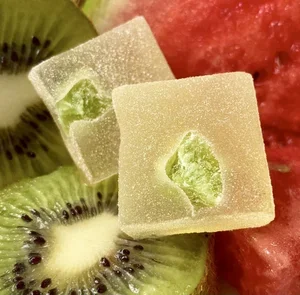
Image credit: Craft Elixirs
Quick Answer: "Vegan," "gluten-free," and "kosher" mean different things on a cannabis edible label. Gluten-free usually follows the FDA standard: under 20 parts per million of gluten. Vegan means no animal-derived ingredients, with no single federal definition. Kosher is a private religious certification, not a government rule, confirming the product meets Jewish dietary law.
You've probably seen these three words stamped across an edibles package and assumed they all carry the same kind of authority. They don't.
Each label comes from a completely different system, some legally defined and enforced, some entirely voluntary, and understanding the difference actually matters if you're choosing an edible around a real dietary need.
Image credit: Studio Blackthorns
Gluten-Free: What the Label Actually Guarantees
Of the three, gluten-free is the only term with a hard federal definition behind it. The FDA's gluten-free labeling rule requires that any FDA-regulated food labeled "gluten-free" contain less than 20 parts per million of gluten, and that it not include any ingredient made from wheat, rye, or barley that hasn't been processed to remove gluten below that threshold.
That means when you see "gluten-free" on a cannabis edible, it's not just a marketing claim. The manufacturer is legally on the hook for meeting that specific, testable standard, and mislabeling a product this way can result in enforcement action.
Image credit: Sam Carter
Vegan: What the Label Means and What It Doesn't Guarantee
Vegan edibles are made without animal-derived ingredients, most commonly gelatin, which is a common gummy base made from animal collagen. Manufacturers typically substitute pectin, a plant-derived thickener, to achieve a similar texture without using animal products.
Here's the part worth knowing: unlike gluten-free, there's no single federal regulatory definition of "vegan" that manufacturers are required to meet. What is regulated, however, is allergen disclosure. Under the Food Allergen Labeling and Consumer Protection Act, milk and egg are both legally defined "major food allergens" that must be clearly disclosed on a label if present, regardless of whether a product is marketed as vegan. In practice, this means a "vegan" label tells you the intended recipe avoids animal ingredients, but it's the allergen statement, not the vegan claim itself, that carries a legal disclosure requirement if a trace of dairy or egg ends up in a shared-equipment facility.

Image credit: Tadeusz Zachwieja
Kosher: A Religious Certification, Not a Government Standard
Kosher works differently than either of the labels above. It isn't a government food safety standard at all. It's a private religious certification verifying that a product was made according to Jewish dietary law, typically overseen by an independent certifying agency rather than any government body.
Where USDA does get involved with the word "kosher," it's in narrow, specific contexts like voluntary grading procedures for kosher meat products, not a general legal definition covering all kosher-labeled foods. For a packaged edible, a kosher certification symbol on the label means a private certifying agency inspected the ingredients and production process against religious dietary standards, which is a different kind of guarantee than a government regulation, but a rigorous one in its own right given how detail-oriented that inspection process tends to be.

Image credit: Elsa Olofsson
Why These Labels Matter for Edibles Specifically
Edibles carry a bit more label complexity than most cannabis products because they're food first and cannabis-infused second, which means they're subject to overlapping food labeling conventions on top of cannabis regulations.
If you're managing a dietary restriction, celiac disease, an animal-product-free diet, or religious dietary law, it's worth knowing which of these claims is backed by a legal standard and which relies on the manufacturer's own ingredient sourcing or a private certifier's inspection.
Both can be trustworthy, but they mean different things when you're deciding what actually fits your needs.
Where Can I Find Vegan, Gluten-Free and Kosher Edibles in Redmond?
Pioneer Squares, made by Craft Elixirs, is one of the edibles brands available at Hashtag Cannabis in Redmond, and it's built specifically around this kind of dietary transparency.

Image credit: Craft Elixirs
What Makes Pioneer Squares Special?
Pioneer Squares are made using real fruit and house-made candied peels rather than artificial flavoring, and the line includes both Fruit Noms, pectin-based fruit chews, and Dank Chews, caramel-style chews, all formulated to be vegan, gluten-free, and Kosher-certified.
The cannabis oil itself comes from Craft Elixirs' in-house, small-batch, whole-plant alcohol extraction process, then gets incorporated into the candy mixture before molding to keep cannabinoid distribution even across each piece.
For anyone navigating a specific dietary need, Pioneer Squares is a solid option to explore.
Ask a Hashtag Redmond budtender what Pioneer Squares flavors are currently in stock, or check our online menu for availability.
FAQ about Vegan, Gluten-Free and Kosher Edibles
Is "vegan" a legally regulated term on food labels?
No. Unlike gluten-free, there is no single federal regulatory definition that manufacturers must meet to label a product "vegan." The claim generally means the product was made without animal-derived ingredients like gelatin, but verification often comes down to the manufacturer's own ingredient sourcing or an optional third-party certification rather than a government-enforced standard.
What does "gluten-free" legally require on a cannabis edible?
The FDA's gluten-free labeling rule requires that any food labeled "gluten-free" contain less than 20 parts per million of gluten and not include unprocessed wheat, rye, or barley ingredients. This is a federally enforced standard, meaning a manufacturer that mislabels a product as gluten-free without meeting this threshold can face regulatory consequences.
Is kosher certification a government food safety standard?
No. Kosher certification is a private religious certification verifying that a product was made according to Jewish dietary law, typically overseen by independent certifying agencies rather than a government body. It's a separate system from food safety regulation, though the inspection process can be quite rigorous in its own right.
Why do most cannabis gummies use gelatin, and what replaces it in vegan versions?
Gelatin is a common gummy base because it creates the chewy, springy texture consumers expect, but it's derived from animal collagen, which makes it unsuitable for vegan or kosher-certified products depending on its source. Manufacturers making vegan gummies typically substitute pectin, a plant-derived thickener, to achieve a similar texture without animal ingredients.
Does a vegan label guarantee an edible has no trace of dairy or egg?
Not necessarily. A vegan label reflects the intended recipe, but products made in shared facilities can have trace cross-contact with allergens like milk or egg. Federal law requires those allergens to be disclosed on the label if present, so it's worth checking the allergen statement separately from the vegan claim if you have a strict dietary requirement or allergy.
Can an edible be both vegan and kosher at the same time?
Yes, and many are. The two certifications address different things: vegan refers to the absence of animal-derived ingredients, while kosher certification verifies the product and its production process meet Jewish dietary law, which involves its own separate set of ingredient and process requirements. A product can be formulated to meet both standards simultaneously, which is common in edibles that use pectin-based, plant-derived recipes.
Want to learn more about edibles and dosing?
Then check out our collection of related posts here!
Then check out our full Edibles & Dosing hub page for everything else you need to know.
Want to learn more about cannabis and wellness?
Then check out our collection of related posts here!
Then check out our full Cannabis & Wellness hub page for everything else you need to know.