
Does Packaging Matter? How Containers Affect Potency & Freshness
By Jeff Eckenrode
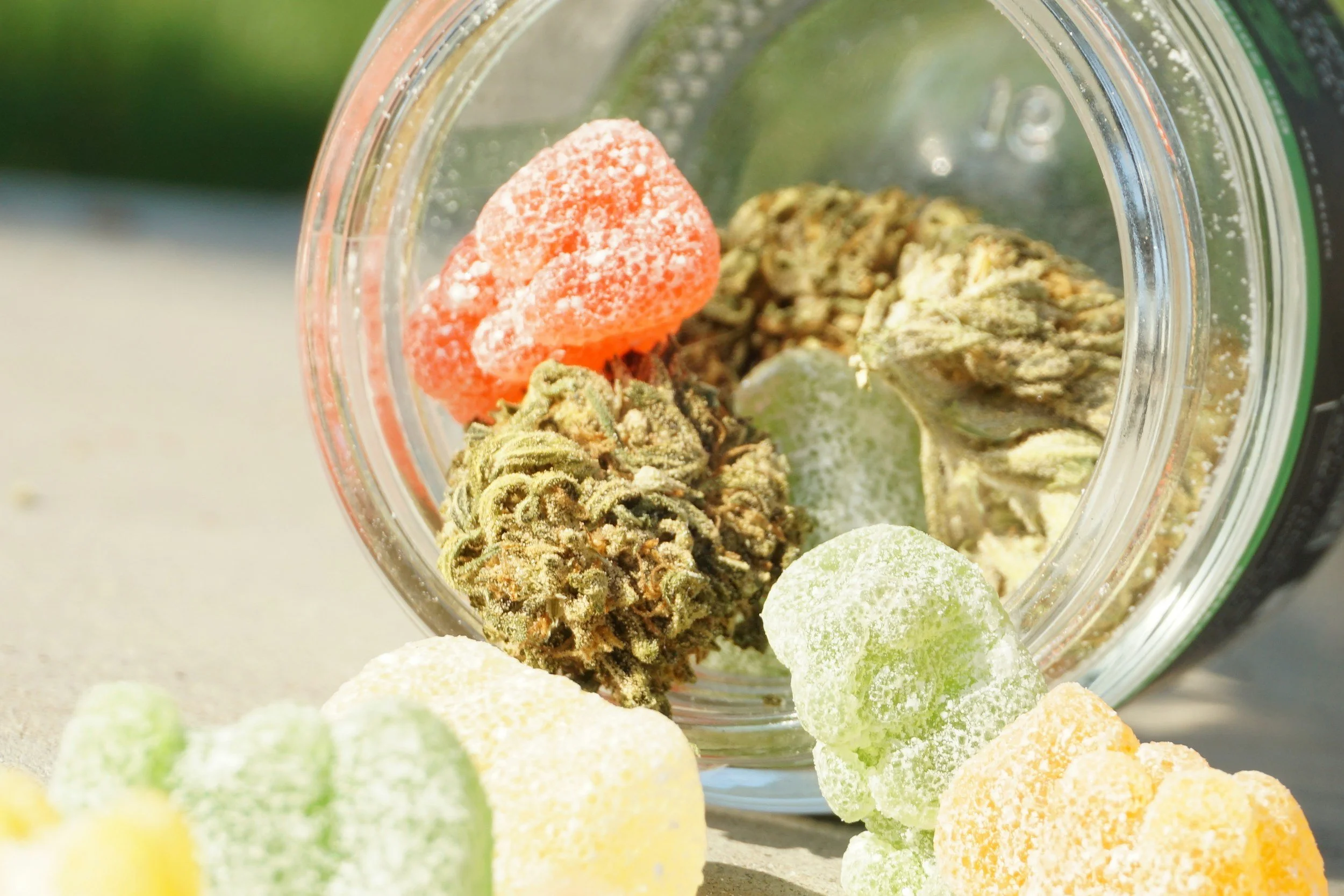
Image credit: Elsa Olofsson
Quick Answer: Yes, packaging matters significantly. Light, oxygen, heat, and humidity are the four main forces that degrade cannabis over time. The right container blocks UV light, maintains an airtight seal, and regulates moisture. Glass jars with airtight lids in a cool, dark environment are the gold standard for flower. The container you choose can meaningfully extend or shorten how long your cannabis stays fresh.
Have you ever opened a jar of cannabis and noticed it smells less vibrant than it did when you first bought it? Or broken apart a nug that used to feel sticky and found it crumbling apart instead?
That's not just time doing its thing. That's the container failing to do its job.
Packaging is one of the most underappreciated variables in the cannabis experience. The container your flower, edible, or vape lives in between purchase and consumption has a real, measurable impact on what you're actually getting when you finally use it.
Here's what the science says, and what to look for when shopping for cannabis.

Image credit: Patrick
The Four Forces That Degrade Cannabis
Before we talk containers, it helps to understand what you're protecting against. There are four primary environmental factors that degrade cannabis over time.
Light. UV radiation is the most aggressive degrader of cannabinoids and terpenes. Research has consistently found that cannabis stored in the dark at low temperatures shows significantly less degradation than cannabis stored at room temperature with light exposure. Clear containers, even sealed ones, offer little protection against this.
Oxygen. Oxidation converts THC into CBN over time, reducing potency and altering the effect profile of your cannabis. The process is gradual but measurable — and it accelerates significantly once a container is opened and repeatedly exposed to fresh air.
Heat. Higher temperatures speed up the chemical reactions that degrade cannabinoids and cause terpenes to evaporate. Research shows that the rate of terpene degradation roughly doubles for every 10 degree Celsius increase in storage temperature, which is why a warm kitchen drawer is one of the worst places to store cannabis.
Humidity. Too much moisture (above 65 percent relative humidity) creates conditions favorable for mold and bacterial growth. Too little (below 55 percent) causes trichomes to become brittle, terpenes to dissipate, and flower to burn harshly. The ideal range for cannabis flower storage is 55 to 62 percent relative humidity.
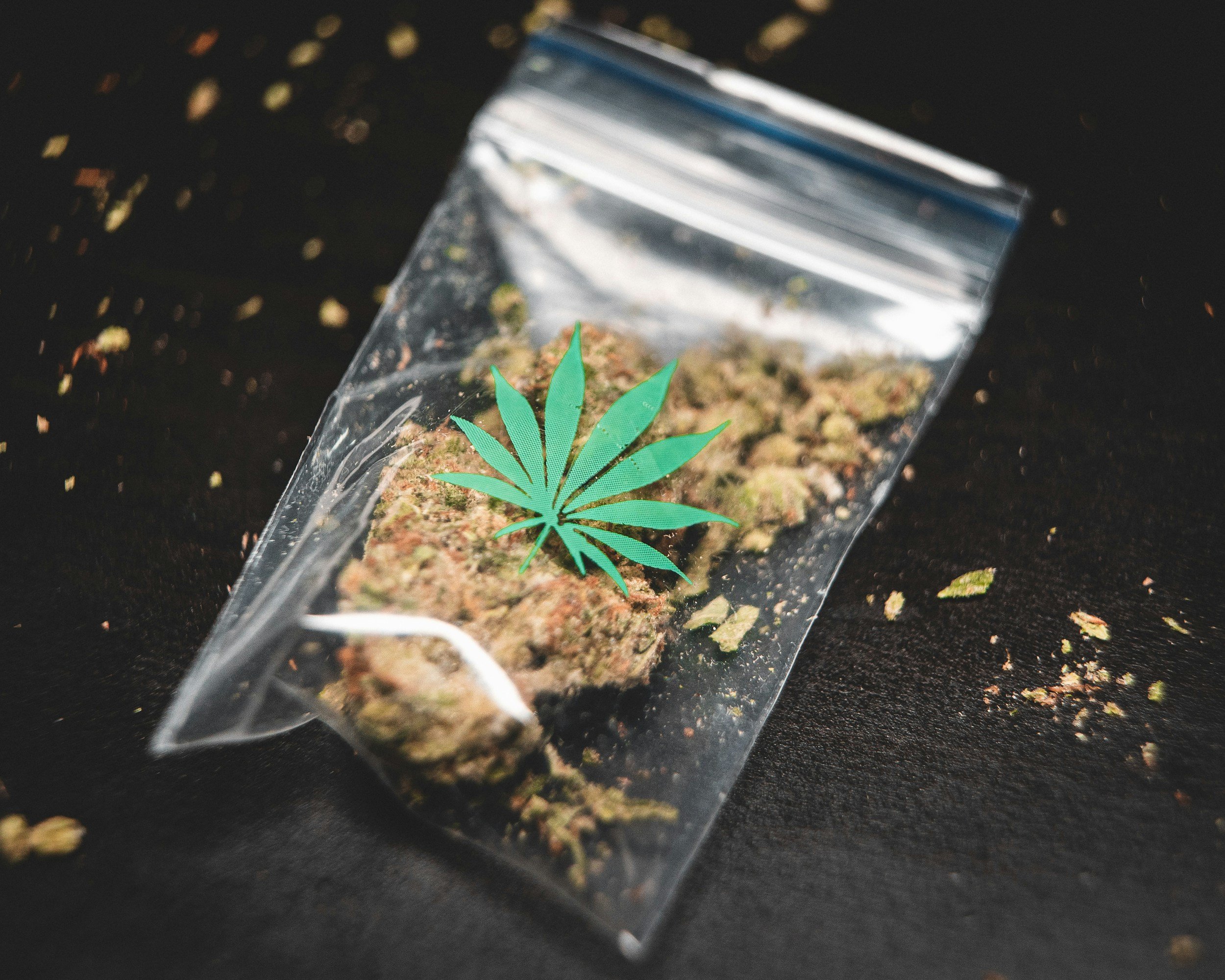
Image credit: GRAS GRÜN
How Different Containers Actually Perform
Not all packaging is created equal. Here's how the most common container types stack up against those four forces.
Clear plastic bags and pop-top containers. These are the most common retail packaging for cannabis, and they're also among the least protective. Thin plastic is permeable to air over time, provides zero UV protection, and does little to regulate humidity. They're fine for same-day or next-day use, but they're a poor long-term storage solution. Terpenes in particular degrade quickly in unsealed or thinly sealed plastic environments.
Opaque or UV-protective plastic. An improvement over clear plastic, but still limited by plastic's permeability to air and its static charge, which can pull trichomes off the flower and onto the container walls. Not ideal for anything beyond short-term storage.
Glass jars with airtight lids. The gold standard for flower. Glass is non-porous, has no static charge, and creates a genuine airtight seal when properly sealed. Dark or amber glass adds UV protection. Pair a sealed glass jar with a humidity control pack (Boveda 62 is the most commonly recommended for cannabis flower) and you have the most effective consumer-level storage solution available. This is what most serious consumers and producers use for medium and long-term storage.
Mylar bags with heat seals. Excellent for longer-term storage, particularly in bulk. Mylar is an aluminum-based film that blocks light, oxygen, and moisture effectively. Heat-sealed Mylar with an oxygen absorber inside is one of the most durable long-term options available, often used for archiving cannabis over months. The tradeoff is that once opened, they're no longer resealable in the same way.
Vacuum-sealed containers. Highly effective at eliminating oxygen exposure, which is one of the primary drivers of THC-to-CBN conversion. Vacuum sealing is particularly useful for concentrates and flower intended for longer storage windows. The main limitation is that repeated vacuum sealing and opening isn't always practical for daily-use consumers.
Humidity packs. Worth mentioning separately because they work inside any container. Two-way humidity control packs, like those made by Boveda or Integra Boost, both absorb excess moisture and release moisture when the environment gets too dry. Adding one to a glass jar is a simple and inexpensive way to maintain the 58 to 62 percent relative humidity sweet spot regardless of ambient conditions.
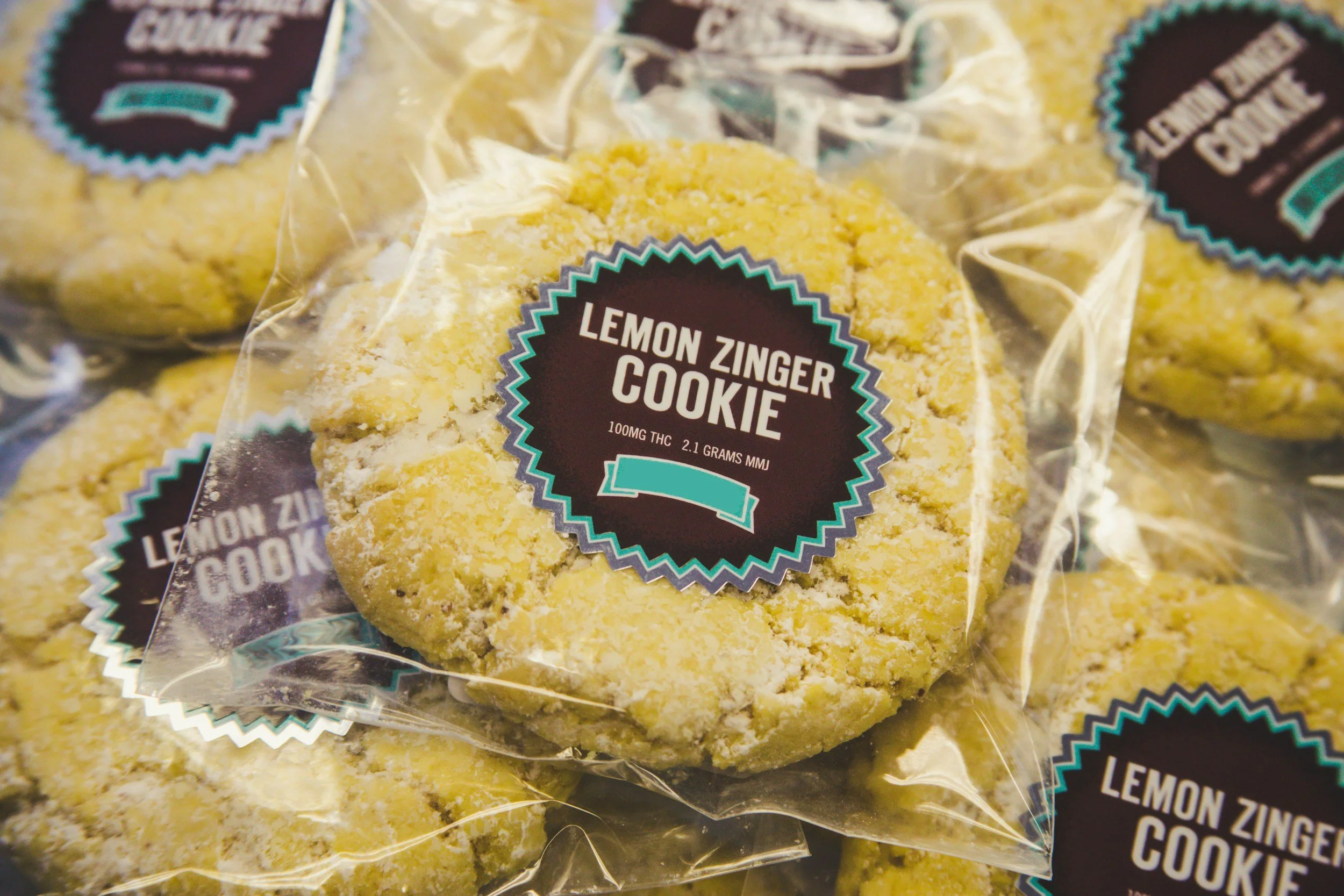
Image credit: Jeff W
What About Edibles and Vapes?
Packaging considerations differ somewhat for other product types.
Edibles are primarily susceptible to heat and moisture. Gummies and chocolates can degrade in texture and potency if stored in warm environments. Keep them in airtight packaging in a cool, dark location — or even the refrigerator for long-term storage, as long as condensation isn't an issue when you take them out.
Vape cartridges are particularly vulnerable to heat and to leaking when stored upright in warm conditions. Store vapes upright at room temperature or cooler, away from direct sunlight, and never leave them in a hot car. The oil inside is already refined and somewhat more stable than flower, but terpenes and cannabinoids can still degrade under heat exposure.
Concentrates — including RSO, wax, shatter, and live resin — benefit from airtight glass or silicone containers stored in a cool, dark environment. Many concentrate users refrigerate or freeze their product for longer storage, which significantly slows degradation. Just allow refrigerated concentrates to come to room temperature before use to avoid condensation introducing moisture to the product.
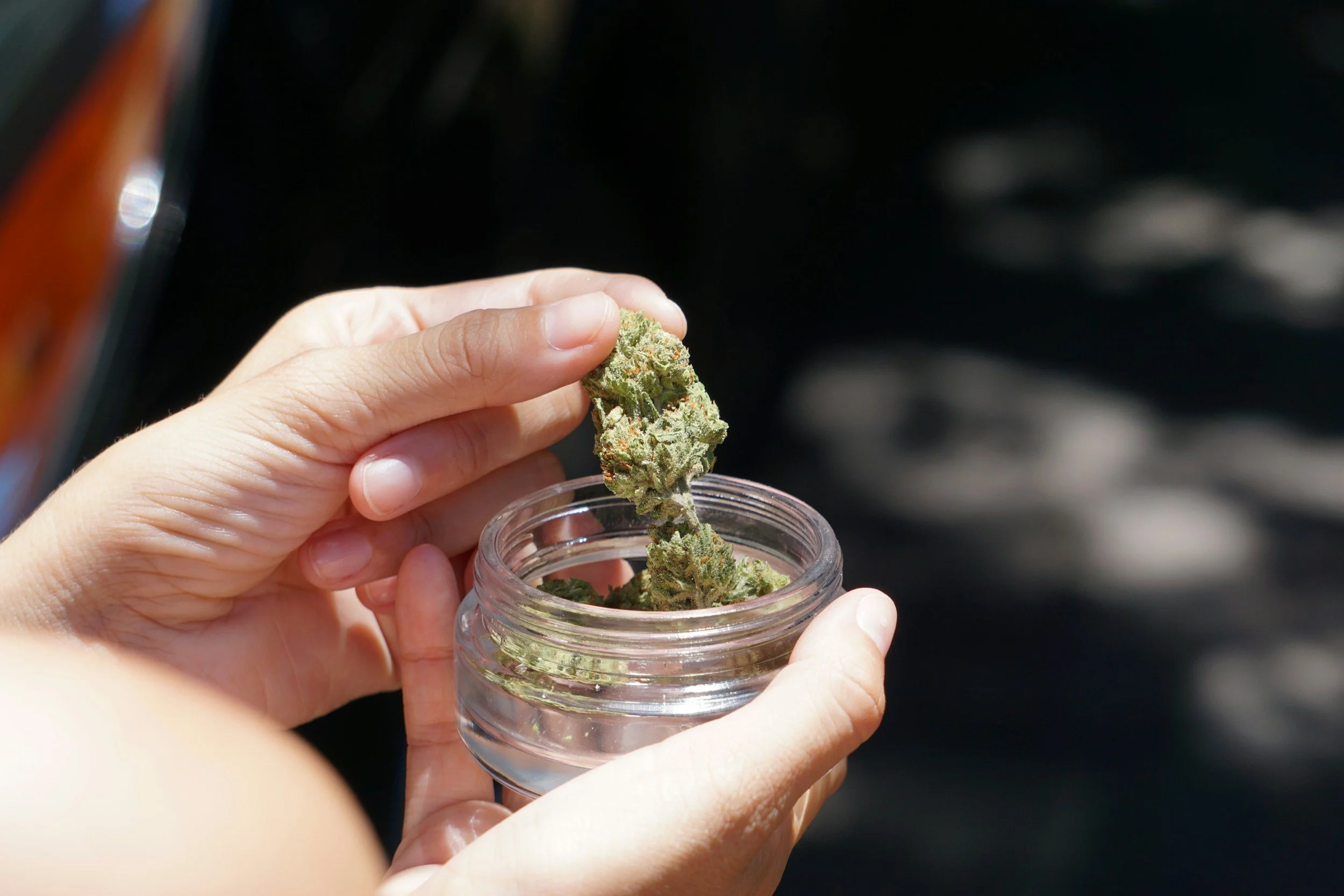
Image credit: Elsa Olofsson
The Bottom Line: Your Container Is Part of the Product
The cannabis you buy at Hashtag has been grown, harvested, cured, and tested to a the highest possible standards. And the container it lives in after that is the last line of defense between that standard and what you actually experience when you use it.
A well-chosen container isn't just about aesthetics. It's the difference between flower that tastes the way it's supposed to three weeks from now and flower that's already starting to fade.
The basics aren't complicated: dark or UV-blocking container, airtight seal, humidity pack, cool and dark storage environment. Get those four things right and your cannabis will reward you for it.

Where Can I Find Well-Packaged Cannabis Products in Redmond?
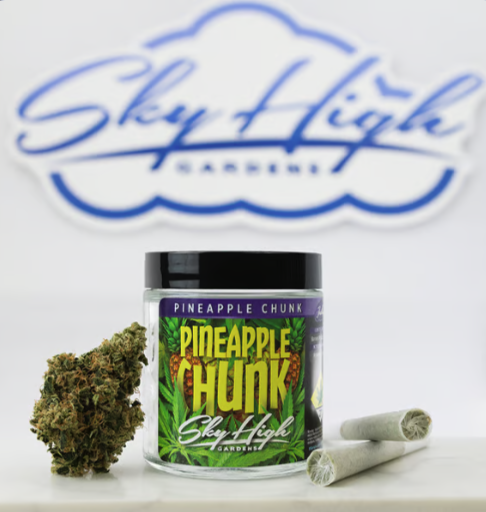
At Hashtag Cannabis in Redmond, Sky High Gardens offers some of the finest cannabis products you’ll find, packaged to preserve every aroma, flavor and effect from their garden to your home.
What Makes Sky High Gardens Special?
Located in the heart of downtown Seattle, Sky High Gardens is famous for growing premium, craft cannabis with meticulous care.
Sky High’s dense, aromatic strains like Pineapple Chunk and Animal Crackers are widely beloved for both their bold flavors as well as their full-bodied effects.
Hand-manicured and packaged, every top-grade bud is secured in air-tight containers with humidity-controlled Boveda packs to ensure that every one of their expertly cold-cured nugs is preserved perfectly for you.
Want to learn more? Visit their website at: https://skyhighgardens.net/
Want to see what's currently in stock? Shop Sky High Gardens products by clicking our online menu below.
Frequently Asked Questions About Cannabis Packaging and Storage
Does the container cannabis comes in actually affect potency?
Yes, meaningfully. The four main forces that degrade cannabis — light, oxygen, heat, and humidity — are all influenced by the container the product is stored in. UV light breaks down cannabinoids and terpenes. Oxygen converts THC into the less potent CBN over time. Heat accelerates the evaporation of volatile terpenes. And improper humidity causes either mold or brittle, harsh flower. A container that blocks light, maintains an airtight seal, and regulates moisture can significantly extend how long your cannabis stays potent and fresh.
What is the best container for storing cannabis flower?
Dark or amber glass jars with an airtight lid are the gold standard for cannabis flower. Glass is non-porous, doesn't carry a static charge that pulls trichomes off the flower, and creates a genuine airtight seal. Pairing a sealed glass jar with a humidity control pack, such as Boveda 62, maintains the ideal 58 to 62 percent relative humidity range for flower. This combination protects against all four primary degradation forces and is the most effective consumer-level storage solution widely available.
Is plastic bad for storing cannabis?
Standard clear plastic bags and pop-top containers are among the least protective options for cannabis. Thin plastic is permeable to air over time, offers no UV protection, and carries a static charge that can pull trichomes off the flower and deposit them on the container walls. For same-day use, plastic is fine. For anything longer than a few days, a sealed glass jar or UV-protective container is a significant upgrade. Mylar bags with heat seals are an exception — they're an effective long-term option due to their oxygen and light barrier properties.
How should I store edibles and vapes?
Edibles are primarily vulnerable to heat and moisture. Store them in airtight packaging in a cool, dark location. For longer-term storage, the refrigerator works well as long as you allow the product to reach room temperature before opening it, to prevent condensation. Vape cartridges should be stored upright at room temperature or cooler, away from direct sunlight, and never left in a hot car. Concentrates benefit from airtight glass or silicone containers stored cool and dark, with refrigeration or freezing appropriate for longer-term storage.
What does a humidity pack do for cannabis storage?
Humidity control packs — such as those made by Boveda or Integra Boost — regulate the moisture level inside your storage container using a two-way mechanism. They absorb excess humidity when the environment is too moist, and release moisture when it becomes too dry. The result is a stable humidity environment in the 58 to 62 percent relative humidity range, which is the ideal window for cannabis flower. This prevents both mold growth and the desiccation that causes trichomes to become brittle and terpenes to dissipate.
Does heat permanently damage cannabis?
Heat degrades cannabinoids and terpenes through accelerated chemical reactions, and some of that degradation is irreversible. Terpenes, being volatile aromatic compounds, evaporate at relatively low temperatures and don't return once they've left the flower. THC converted to CBN through oxidation and heat exposure can't be converted back. This is why storage environment matters — the damage done by leaving cannabis in a hot car for a few hours, or storing it near a heating vent for weeks, compounds over time in ways that affect both flavor and potency permanently.
Want to learn more about Cannabis Science & Plant Biology?
Then check out our collection of related posts here!
For more posts on Cannabis Science & Plant Biology, visit our full resource hub here: Cannabis Science & Plant Biology