
The Difference Between Oil-Based and Butter-Based Cannabis Infusions
By Jeff Eckenrode
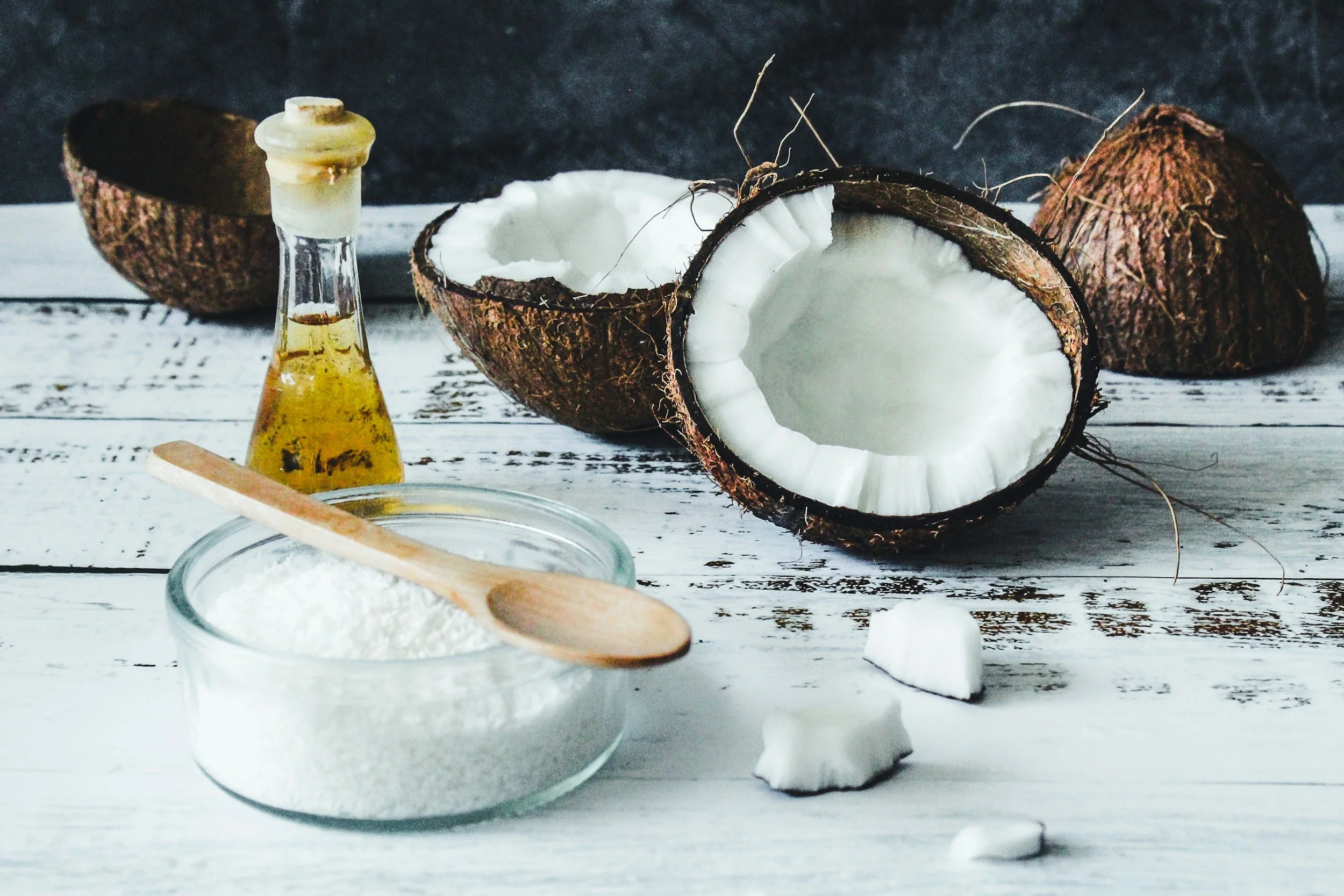
Image credit: Tijana Drndarski
Quick Answer: Oil-based and butter-based infusions both work because cannabinoids are fat-soluble and bind to fat during infusion. Butter suits baked goods and has a familiar flavor. Oils are more versatile across cooking temperatures and recipes, with coconut and MCT oil standing out as especially efficient carriers. The right choice depends on what you're making.
If you've ever made cannabis edibles at home, you've probably encountered the butter-versus-oil debate.
Some recipes swear by cannabutter. Others insist coconut oil is superior. A growing number of home infusers are experimenting with MCT oil, olive oil, and even clarified butter.
Here's what's actually going on — scientifically and practically — and how to choose the right fat for what you're making.

Image credit: Fulvio Ciccolo
Why Fat Matters: The Basics of Cannabinoid Solubility
The reason cannabis infusions use fat in the first place comes down to the chemistry of cannabinoids. THC, CBD, and other cannabinoids are hydrophobic — they don't dissolve in water, but they dissolve readily in fat. When you combine decarboxylated cannabis with a fat and apply gentle heat, the cannabinoid molecules bind to the fat molecules, creating a stable, infused carrier that can be used in cooking.
This isn't just practical chemistry — it has direct implications for how well your body absorbs those cannabinoids. Research has confirmed that co-administration of cannabinoids with dietary fats enhances the bioavailability of THC by more than 2.5 times and CBD by nearly 3 times compared to formulations without fat. This is why eating an edible with a fatty meal tends to intensify the experience, and why well-made infusions that maximize fat binding are more potent than poorly made ones at the same labeled dose.
Before any infusion can work, decarboxylation is essential. Raw cannabis contains THCA and CBDA — the acidic, non-intoxicating precursors to THC and CBD. Heat converts these to their active forms. Without decarboxylation first, no infusion method will produce the effects you're looking for, regardless of which fat you use.
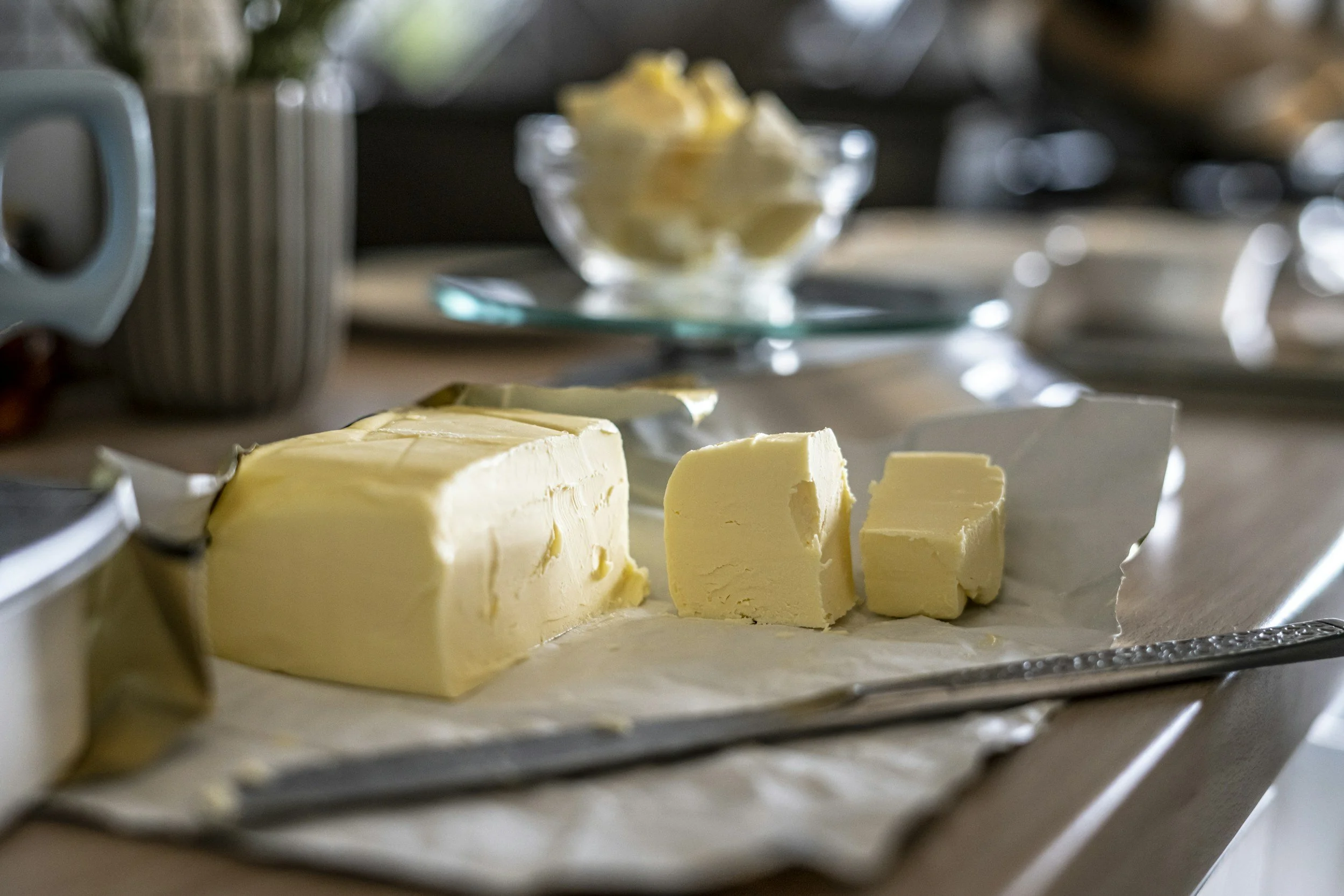
Image credit: Sorin Gheorghita
Butter-Based Infusions: What You Need to Know
Cannabutter has been the home infusion standard for decades, and for good reason. Butter is familiar, widely available, works beautifully in baked goods and savory cooking, and produces an infusion with a rich flavor that blends well into most traditional recipes.
The fat profile of butter. Butter is approximately 80 percent fat, with the remainder being water and milk solids. Its fat content is predominantly saturated long-chain fatty acids — the same type that form stable bonds with cannabinoid molecules during infusion. The high fat content means butter is an effective cannabinoid carrier, and the resulting infusion tends to be potent and consistent when made carefully.
Clarified butter (ghee) as an upgrade. The water and milk solids in standard butter can interfere with both the infusion process and shelf life. Many experienced home infusers prefer to clarify their butter first — removing the water and milk solids to produce a pure fat. Clarified butter (ghee) has a higher smoke point, longer shelf life, and produces a cleaner, more efficient infusion. It's also dairy-tolerant for many people who have mild dairy sensitivities, since the lactose and casein are removed in clarification.
Best applications for cannabutter. Baked goods (cookies, brownies, muffins), savory sauces, toast applications, and anything where butter's flavor is expected or desirable. Butter solidifies at room temperature, which makes it easy to measure and store, and it behaves predictably in baking chemistry — fat content affects texture, rise, and moisture retention in ways that liquid oils don't replicate.
Limitations. Butter's lower smoke point makes it less suitable for high-heat cooking. Its water content means shorter shelf life than oil-based infusions. And its dairy origin makes it unsuitable for vegan or lactose-intolerant applications.
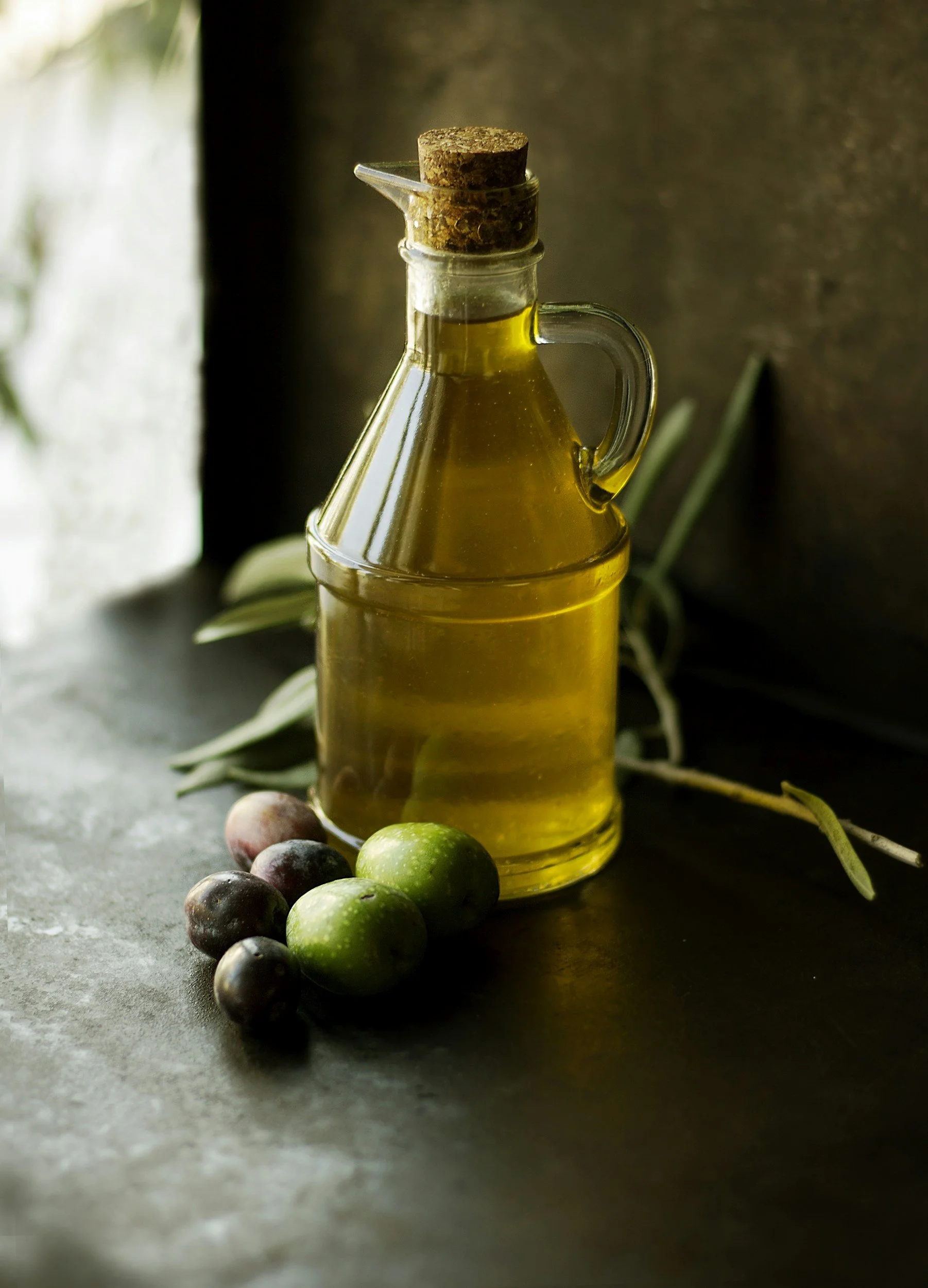
Image credit: Roberta Sorge
Oil-Based Infusions: What You Need to Know
Cannabis-infused oils offer more versatility than cannabutter — they work across a wider range of temperatures, recipe types, and dietary needs. The choice of which oil matters, and the differences between them are worth understanding.
Coconut oil. Consistently popular in the cannabis infusion community, and for good reason. Coconut oil has a high saturated fat content (approximately 80 to 90 percent), which makes it an efficient cannabinoid carrier — saturated fats form stable bonds with cannabinoid molecules during infusion. It's solid at room temperature (like butter), which makes dosing and storage straightforward, and it has a long shelf life. One nuance worth noting: coconut oil is often described as an MCT oil, but true MCT oil is a fractionated product that isolates the medium-chain triglycerides (C8 and C10 fatty acids) that make up only about 10 percent of coconut oil's composition. Coconut oil is a good carrier fat, but it's not interchangeable with pure MCT oil.
MCT oil. Pure MCT oil is fractionated from coconut or palm kernel oil to concentrate medium-chain triglycerides (C8 and C10 fatty acids). These shorter-chain fats are metabolized differently from long-chain fats: they're absorbed more rapidly through the portal system directly to the liver, rather than through the lymphatic system used by long-chain fatty acids. This faster metabolism may contribute to faster onset in MCT-based infusions compared to long-chain fat carriers, and MCT oil's completely neutral flavor makes it ideal for tinctures, capsules, or any application where you don't want the carrier fat's flavor to interfere. It's the preferred carrier oil in most commercial tinctures and sublingual products for exactly this reason.
Olive oil. A versatile, widely available oil with a pleasant flavor that works well in savory applications — dressings, sauces, marinades, drizzled finishes. Olive oil is predominantly monounsaturated fat, which is a less efficient cannabinoid carrier than saturated fats, and it has a lower smoke point than many other oils. It's a fine choice for gentle-heat savory applications but not ideal for baking or high-heat cooking.
Avocado oil. High smoke point, mild flavor, and a fat profile that leans monounsaturated. Better suited to higher-heat cooking than olive oil, and a popular choice among health-conscious infusers for its nutritional profile. Like olive oil, its monounsaturated fat content makes it a somewhat less efficient cannabinoid carrier than coconut oil or butter, but the difference in practice is modest.

Image credit: David Mendoza
How to Choose the Right Fat for Your Recipe
For baked goods: Cannabutter or coconut oil. Both replicate the behavior of solid fats in baking chemistry, which affects texture, moisture, and rise in ways that liquid oils don't. If vegan or dairy-free, coconut oil is the obvious choice.
For tinctures, capsules, or sublingual drops: MCT oil. Neutral flavor, fast absorption, and easy to dose precisely. The industry standard for a reason.
For savory cooking at moderate heat: Olive oil or avocado oil, depending on your temperature needs. Avocado oil if you're sautéing at higher heat; olive oil for lower-heat applications and finishing uses.
For maximum infusion potency and efficiency: High-saturated-fat carriers (butter, coconut oil, or MCT oil) tend to produce more potent infusions than monounsaturated options because the fat chemistry is more compatible with cannabinoid binding.
For vegan, dairy-free applications across all recipe types: Coconut oil is the most versatile single choice, followed by MCT oil for non-heat applications.
Where Can I Find Quality Infusion Products in Redmond?
At Hashtag Cannabis in Redmond, we’re proud to offer the ever popular and delicious 4.20 Bars by Evergreen Herbal. Specifically formulated for maximum flavor and effectiveness, there’s nothing that compares to Washington’s most popular chocolate edible.
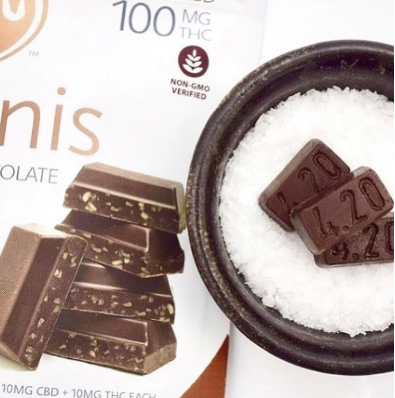
Image credit: Evergreen Herbal
What Makes 4.20 Bars by Evergreen Herbal Special?
4.20 Bar is dedicated to quality, innovation, and a legendary cannabis experience.
Using only premium ingredients and a proprietary THC formula, 4.20 Bar delivers consistent potency and unforgettable flavors with meticulous care.
Featuring world-renowned Guittard Chocolate and responsibly sourced cacao from small South American communities, 4.20 Bar offers a luxurious, high-quality edible experience every time.
Want to learn more? Visit their website at: https://the420barshop.com/
Want to see what's currently in stock? Shop 4.20 Bar products by clicking our online menu below.
Frequently Asked Questions About Oil-Based and Butter-Based Cannabis Infusions
Why do cannabis infusions use fat instead of water?
Cannabinoids including THC and CBD are hydrophobic — they don't dissolve in water, but they bind readily to fat molecules. When you combine decarboxylated cannabis with a fat and apply gentle heat, the cannabinoids bind to the fat molecules and create a stable, infused carrier. This fat binding also significantly improves how well your body absorbs the cannabinoids: research shows that co-administration of cannabinoids with dietary fats enhances THC bioavailability by more than 2.5 times compared to formulations without fat.
Is cannabutter or cannabis oil more potent?
Neither is inherently more potent — potency depends on the amount of cannabis used, the decarboxylation process, and the fat content and type of the carrier. High-saturated-fat carriers like butter and coconut oil tend to be more efficient at binding cannabinoids than monounsaturated oils like olive oil, which may give them a slight edge in extraction efficiency. However, the quality of your decarboxylation and the ratio of cannabis to fat matter more than the fat type alone in determining final potency.
What is the difference between coconut oil and MCT oil for cannabis infusions?
Coconut oil and MCT oil are related but not the same. Coconut oil contains approximately 80 to 90 percent saturated fat, of which only about 10 percent are true medium-chain triglycerides (C8 and C10 fatty acids). Pure MCT oil is a fractionated product that concentrates those specific fatty acids. MCT oil has a completely neutral flavor, may support faster absorption due to its rapid metabolism through the portal system, and is the preferred carrier for commercial tinctures and sublingual products. Coconut oil is a good all-purpose infusion fat for cooking and baking; MCT oil is better suited to non-heat applications where neutral flavor and fast absorption are priorities.
Why does eating a fatty meal make edibles stronger?
Cannabinoids are fat-soluble, so consuming them alongside dietary fat improves absorption significantly. Research has confirmed that co-administering cannabinoids with dietary fats enhances THC bioavailability by more than 2.5 times and CBD bioavailability by nearly 3 times compared to formulations without fat. This is the same principle behind why cannabis infusions use fat as the carrier — and why the richness of your meal at the time you eat an edible can meaningfully affect how intense the experience feels.
Do I need to decarboxylate cannabis before infusing it into butter or oil?
Yes — always. Raw cannabis contains THCA and CBDA, the acidic precursors to THC and CBD that are non-intoxicating in their raw form. Heat converts THCA to THC and CBDA to CBD through a process called decarboxylation. Without this step, your infusion will contain very little active THC or CBD regardless of how well you execute the fat infusion itself. Standard decarboxylation is typically done in an oven at around 220 to 245 degrees Fahrenheit for 30 to 45 minutes before beginning the infusion process.
Which oil is best for cannabis tinctures?
MCT oil is the industry standard for cannabis tinctures and sublingual products, and for good reason. Its completely neutral flavor doesn't interfere with other ingredients, its medium-chain triglycerides are rapidly metabolized, and its liquid consistency makes precise dosing and measurement easy. It's shelf-stable, clear, and works well for sublingual absorption. For home tincture makers, MCT oil is the most practical and effective carrier choice available.
Want to learn more about cannabis infusions, edibles, and RSO?
Then check out our collection of related posts here!
For more Cannabis Recipes, visit: Cannabis Recipes
For more on the RSO Hub, visit: RSO Hub
For more on Edibles & Dosing, visit: Edibles & Dosing