
How Extraction Method Affects Vape Flavor and Smoothness
By Jeff Eckenrode
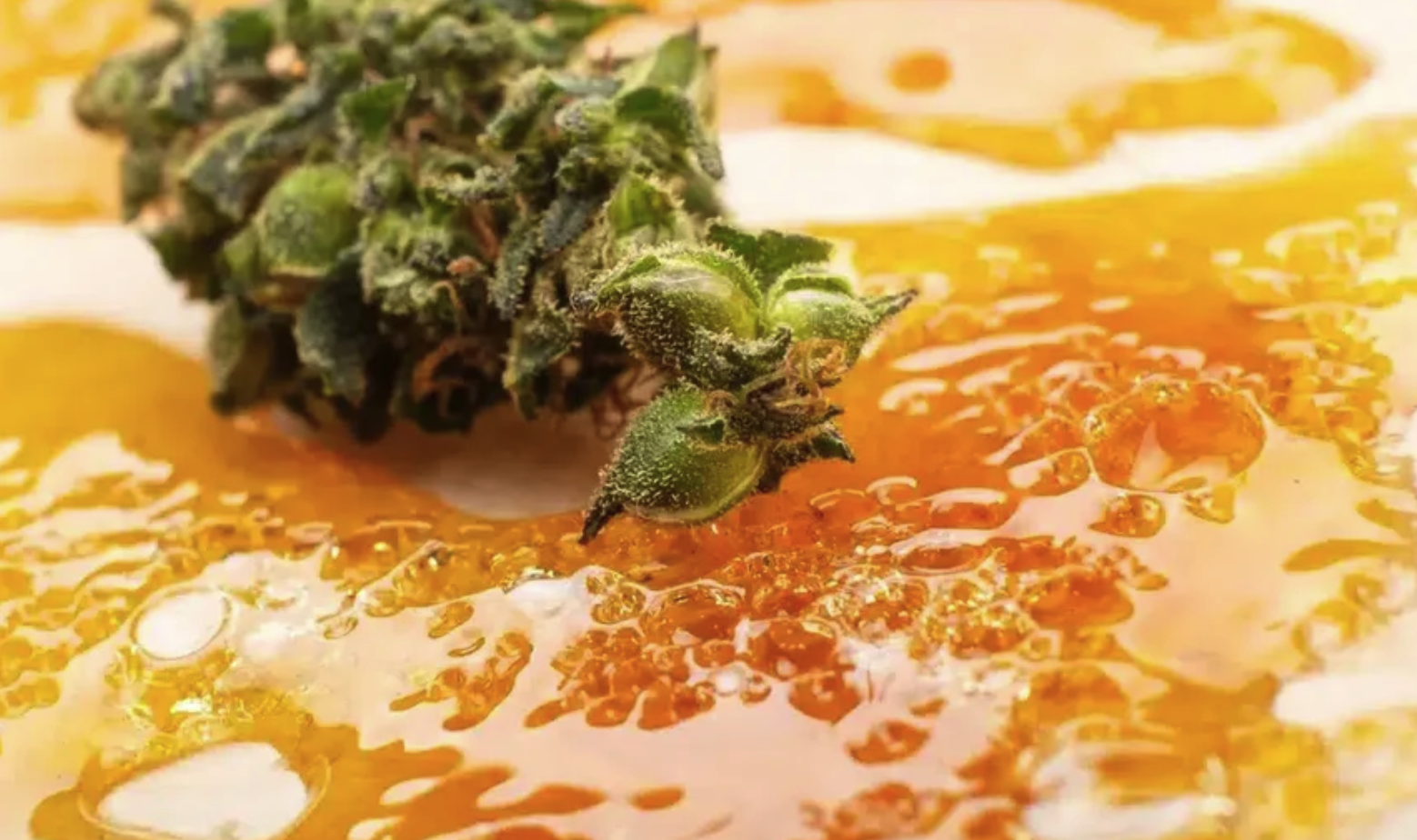
Image credit: Hempire Gardens
Quick Answer: Extraction method decides how much of a vape's original flavor and smoothness survives production. Distillate strips out terpenes for high potency and purity. Live resin, CO2, and full spectrum extraction preserve more of the plant's natural terpene profile, delivering a smoother, more flavorful vapor with a more complex effect.
Ever notice how two vape cartridges with the same strain name can taste completely different?
One hits smooth and bursts with flavor. The other tastes flat, a little harsh, or almost medicinal.
The strain isn't lying to you. The extraction method is doing most of the talking.

Why Extraction Method Matters More Than You Think
Cannabis flower holds hundreds of aromatic compounds called terpenes alongside its cannabinoids like THC and CBD.
Terpenes are volatile, meaning they evaporate easily under heat, light, or pressure. That volatility is exactly what makes them so flavorful, and exactly what makes them so easy to lose during processing.
A review of cannabis extraction research found that solvent extraction is the most common method used for cannabis plants, though solventless and hydrodynamic approaches are gaining attention for their potential to preserve more of the plant's original compounds.
In other words, how a product is made determines how much of the plant's original character actually makes it into your cartridge.
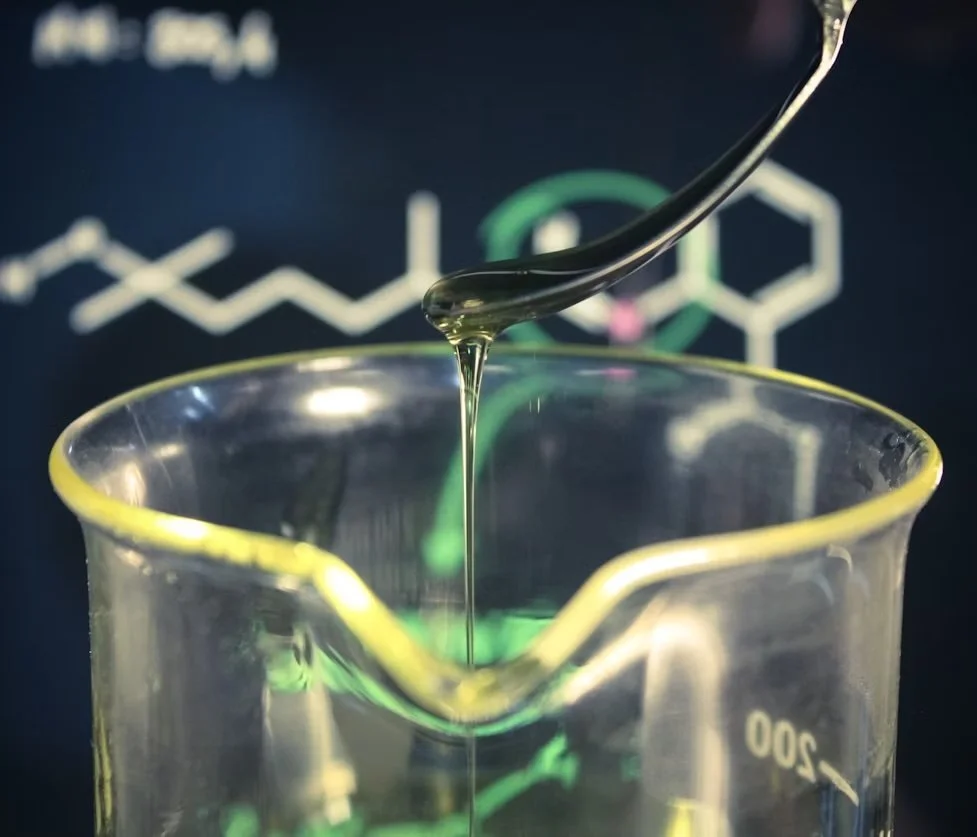
Image credit:
The Main Extraction Methods and What They Do to Flavor
Distillate is the cannabis industry’s most common vape oil for a reason. The process refines cannabis extract down to a highly purified form, typically isolating THC to 90 percent or higher. That level of purity comes at a cost. The refinement process that removes plant waxes, chlorophyll, and impurities also strips out most of the original terpenes along the way. Many distillate cartridges reintroduce terpenes afterward, either botanical or cannabis-derived, to restore flavor that the process removed in the first place.
Full spectrum oil takes a different approach. Instead of isolating THC, it preserves the fuller cannabinoid and terpene profile of the source material, including CBD, CBG, CBN, and a broader terpene range. Research comparing different cannabis oil extraction methods found that the technique used has a direct effect on how well terpenes survive the process, with gentler methods showing less terpene oxidation and degradation than harsher ones. That is the mechanical reason full spectrum vapes tend to taste closer to the flower they came from, and why many consumers describe the effect as more rounded or complex than a THC-isolated product.
Live resin pushes preservation even further back in the process. Rather than starting with dried and cured flower, producers flash-freeze the plant material immediately after harvest, before drying causes terpenes to evaporate. A peer-reviewed extraction study describing this kind of fresh-frozen approach noted that isolating trichomes from freshly harvested material helps preserve the plant's native terpene and cannabinoid profile, including some of the more delicate aromatic compounds that are typically lost during conventional drying and curing. That is why live resin vapes are often described as tasting closer to fresh flower than any other cartridge format.
CO2 oil takes yet another route, using pressurized carbon dioxide instead of chemical solvents to pull cannabinoids and terpenes from the plant. Because CO2 leaves no solvent residue behind and can be tuned to run at relatively mild conditions, it is generally considered one of the cleaner extraction methods available, often producing an oil that is flavorful and well balanced without the harshness that can come from more aggressive processing.

Image credit:
What "Smoothness" Actually Comes From
Smoothness in a vape hit is not just marketing language. It largely comes down to two things: how much of the original terpene profile survives extraction, and how well-refined the final oil is.
Terpenes like limonene and pinene are thin and aromatic, and they contribute to a lighter, smoother vapor. Oils that go through heavy processing, are cut with fillers, or lose most of their terpene content during refinement tend to feel thicker or harsher on the inhale, even if the THC percentage is high.
This is part of why two vapes with identical potency numbers can feel completely different in the hand and on the exhale.
Image credit: OZ Sparx
How to Choose Based on What You Want
If you want the highest potency per puff and don't mind a more processed flavor, distillate is a reliable, consistent choice.
If you want an experience that feels closer to smoking flower, with a fuller terpene profile and a more layered effect, full spectrum or live resin oil is worth reaching for.
If you're drawn to clean extraction methods with minimal solvent residue, CO2 oil is worth asking about by name.
None of these are objectively "better." They're different trade-offs between potency, purity, and how much of the plant's original character you want to taste.

Where Can I Find Flavorful Vapes in Redmond?
Honeydew is one of the vape brands you'll find on the shelves at Hashtag Cannabis in Redmond, and it's a good example of a brand built around exactly this idea: prioritizing extraction and formulation quality so the final product tastes clean, hits smooth, and stays consistent from cartridge to cartridge.

Image credit: Honeydew
What Makes Honeydew Special?
Honeydew builds its products around precision extraction and formulation, starting with cannabis material selected for terpene richness and cannabinoid balance.
The goal isn't just potency. It's preserving the aromatic compounds that make a strain taste like itself, then carrying that through into a smooth, reliable vapor.
That focus on clean inputs and careful production is what makes Honeydew a solid option whether you're new to vaping or you've already got strong opinions about what a good hit should feel like.
Curious what Honeydew has available right now? Visit honeydewthc.com to learn more about the brand, or stop by Hashtag Cannabis in Redmond and ask a budtender what's currently on our shelves.
FAQ about Vape Flavor and Smoothness
What is the difference between distillate and full spectrum vape oil?
Distillate is a highly refined cannabis extract that isolates THC to a high concentration, typically 90 percent or above, while removing most of the plant's original terpenes in the process. Full spectrum oil preserves a broader range of the plant's original compounds, including multiple cannabinoids and a fuller terpene profile. Distillate tends to deliver a more neutral, consistent potency, while full spectrum oil generally offers a richer flavor and a more layered effect. Neither is inherently better; they simply prioritize different things.
Why do some vapes taste better than others even with the same strain name?
Flavor differences between vapes of the same strain usually come down to extraction method rather than the strain itself. Terpenes, the aromatic compounds responsible for flavor, are volatile and easily lost during processing. A gentler, more terpene-preserving extraction method like live resin or CO2 extraction will generally retain more of a strain's original flavor than a heavily refined distillate, even when both started from the same source material.
What is live resin and why is it known for good flavor?
Live resin is made from cannabis flower that is flash-frozen immediately after harvest, rather than dried and cured like most cannabis products. Freezing the plant before drying helps preserve delicate terpenes that would otherwise evaporate during the curing process. This is why live resin vapes are often associated with a fuller, fresher flavor profile compared to cartridges made from dried and cured flower.
Does extraction method affect how smooth a vape feels to inhale?
Yes. Smoothness is influenced by how much of the plant's original terpene content survives extraction and how refined the final oil is. Terpenes contribute to a lighter, smoother vapor, while heavily processed oils that have lost most of their terpene content, or oils cut with fillers, can feel thicker or harsher on the inhale regardless of THC percentage.
Is CO2 oil better than solvent-extracted oil?
CO2 extraction is generally considered one of the cleaner extraction methods because it uses pressurized carbon dioxide instead of chemical solvents and leaves minimal residue behind. It's not necessarily "better" in every sense, but it is often a good choice for consumers who prioritize a clean extraction process and a balanced, flavorful oil without harsh processing byproducts.
Should I choose a vape based on extraction method or THC percentage?
Extraction method and THC percentage answer different questions. THC percentage gives you a rough sense of potency, but it says nothing about flavor, smoothness, or how complex the effect will feel. If flavor and a fuller-bodied experience matter to you, extraction method is often the more useful thing to check on the label. If pure potency is your main priority, a high-THC distillate will typically deliver that most consistently.
Want to learn more about vapes and cartridges?
Then check out our collection of related posts here!
Then check out our full Vapes & Cartridges hub page for everything else you need to know.