
How Climate Change Is Changing Indoor Cannabis Cultivation
By Jeff Eckenrode

Image credit : Vimal S
Quick Answer: Climate change is not a distant threat — it's actively reshaping indoor cannabis cultivation. From skyrocketing energy demands to shifts in temperature, humidity, and CO₂, growers are being pushed to innovate or adapt. Forward-thinking cannabis growers will help to define the future of a more sustainable cannabis industry. For consumers and cultivators alike, this is a moment to pay attention to.
How Climate Change Is Changing Indoor Cannabis Cultivation
As the planet warms and weather patterns shift, the cannabis industry is feeling the heat — quite literally.
While indoor grows have long been the go-to for quality, consistency, and security, climate change is reshaping how cultivators manage temperature, humidity, energy, and even carbon footprints.
So how is climate change is influencing indoor cannabis cultivation? What are growers doing to adapt? And why should consumers start paying attention?
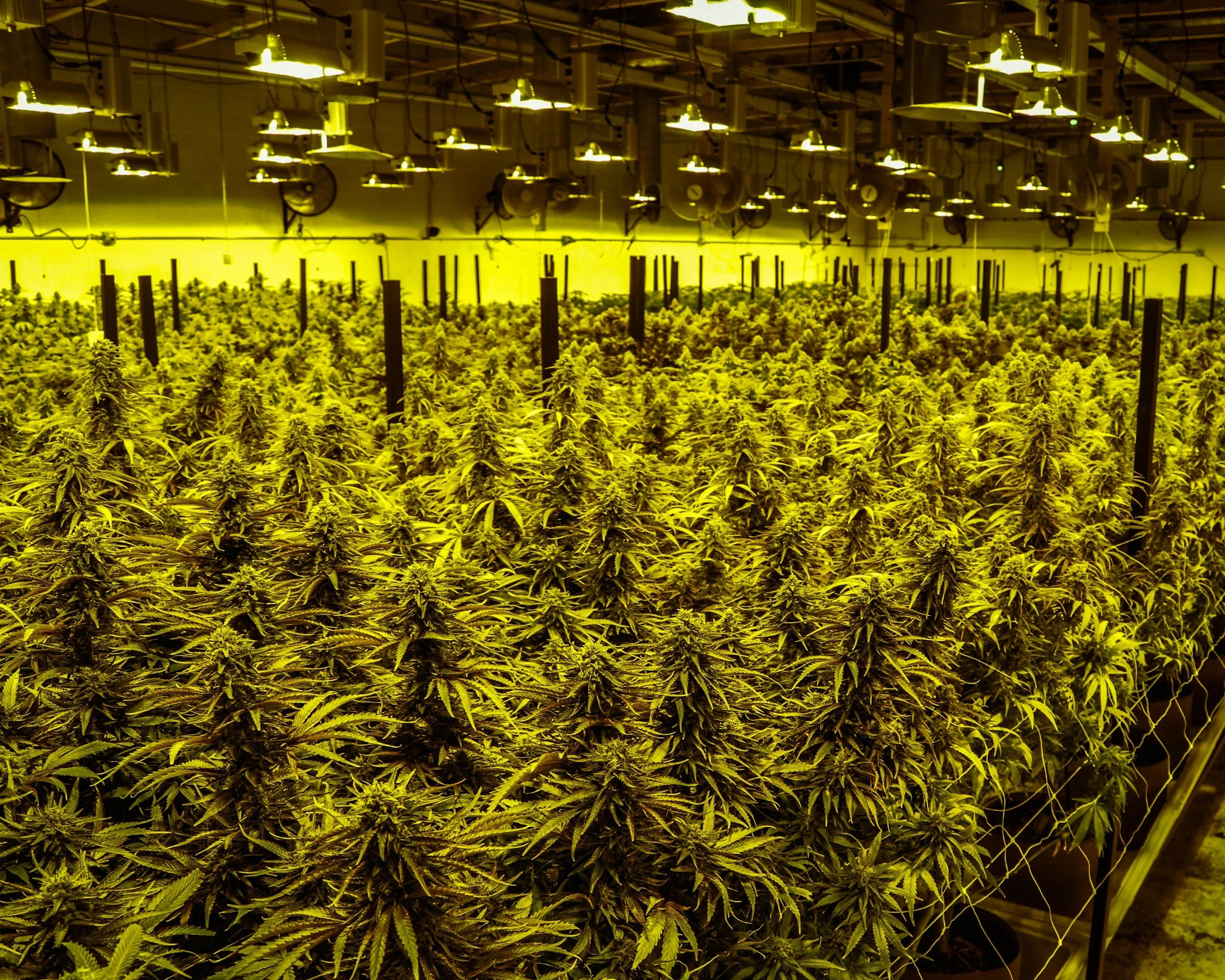
Image credit: Michael Hystead
The Hidden Carbon Footprint of Indoor Cannabis
Indoor cannabis cultivation is notoriously energy-intensive.
It’s not just the high-powered lights — it’s also heating, cooling, dehumidifying, and CO₂ enrichment systems that drive the electricity bill.
Growing cannabis indoors can generate 2,300 to 5,200 kilograms of CO₂ per kilogram of dried flower, roughly equivalent to burning hundreds or even thousands of liters of gasoline.
That’s not just a grower problem — it’s an industry problem.
According to the Washington Post, when indoor grows scale up, their combined carbon footprint becomes a major contributor to greenhouse gas emissions.
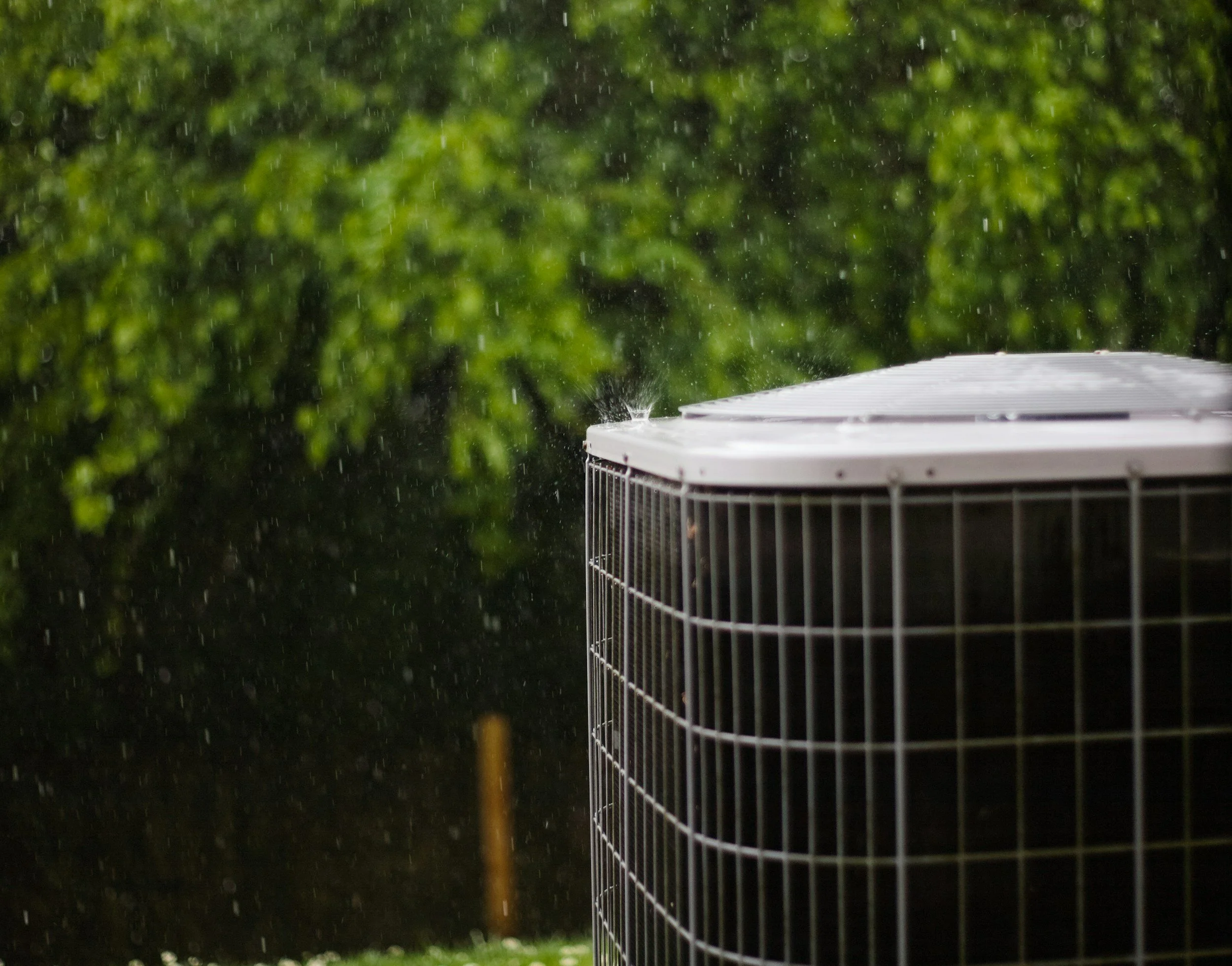
Image credit: Sam Jotham Sutharson
Rising Temperatures Disrupt Ideal Growth Conditions
Cannabis plants thrive in a relatively narrow temperature window.
While optimal growing temperatures vary by stage, growers often target daytime temps around 68–77°F (20–25°C) or slightly higher for certain stages.
Recently, Seeds Here Now reported that Climate change is making it harder to maintain that sweet spot for several reasons:
More frequent heat waves force growers to crank up A/C, putting more stress on energy systems.
Conversely, cold snaps (sometimes more unpredictable in a changing climate) can stunt growth, delay flowering, or even damage plants.
Elevated daily/nightly temperature swings can disrupt flower development, reduce biomass, or lower cannabinoid yield.
In short: climate change forces growers into a constant balancing act.
The more they rely on HVAC systems to compensate, the more energy they burn — and the more carbon they emit.

Image credit: Damien Raymond
Humidity & Vapor-Pressure Deficit (VPD): New Challenges
Humidity control is already a critical piece of the indoor grow puzzle.
Too much moisture, and you risk mold or bud rot. Too little, and plants suffer dehydration or stalled growth.
According to Cannabis Business Times, here’s where climate change adds complexity:
Rising ambient humidity (in some regions) can make dehumidification harder.
Mismanaging VPD can stress plants, reducing yield or changing how cannabinoids and terpenes develop.
Because of these shifts, growers are investing more in real-time climate monitoring systems and more aggressive humidity control (dehumidifiers, precise ventilation, VPD charts).
The cost is real — both in capital investment and in energy.
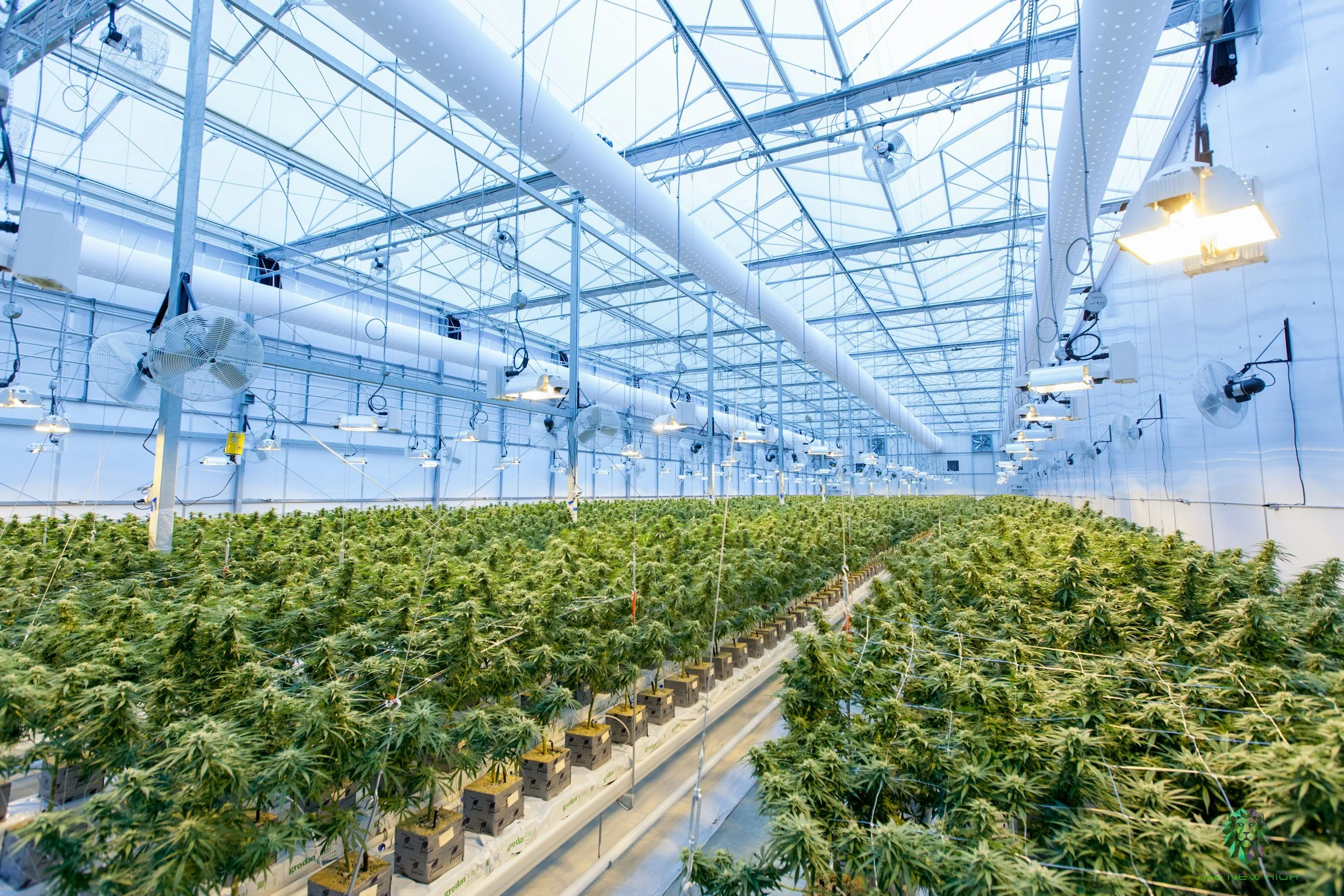
Image credit: Richard T
Why Climate Change Matters — For Growers, Consumers & the Cannabis Industry
Growers face rising costs, both in capital (for climate systems) and operations (energy, water). Those who don’t adapt risk lower yields, compromised quality, or unsustainable carbon footprints.
Consumers might begin to see price impacts, or increasingly be offered “eco-grown” or “low-carbon” cannabis as a differentiator in the market.
The Industry as a whole may come under increasing pressure to decarbonize, especially in legalized markets with strong environmental regulations.
If cannabis is going to scale responsibly, indoor cultivation can’t just stay hidden behind closed doors. Climate resilience needs to become an integral part of the business model.
Image credit: Teanna Morgan
What’s Next: Looking Forward
The interplay between climate change and indoor cannabis cultivation is still emerging, but here are some trends to watch:
Policy Pushes: States or regions may begin enforcing emissions standards, energy reporting, or sustainability audits on cultivation facilities.
Consumer Demand: Just as people pay more for “organic” or “locally grown,” they might start caring about the carbon intensity of their cannabis.
Innovation: Expect to see more R&D in HVAC-efficient grow rooms, CO₂ recycling, passive cooling, and thermally optimized grow designs.
Hybrid Models: Some cultivators may adopt mixed systems — greenhouses, or partial reliance on outdoor grows — to balance quality control with sustainability.
Where can I find Sustainably Grown Indoor Cannabis?
Whether you’re shopping online or in Redmond, we’re here to help you find what you need, whenever you need it. That includes environmentally conscious indoor-grown cannabis!
Currently we carry thoughtfully cultivated flower from Experience Organics.
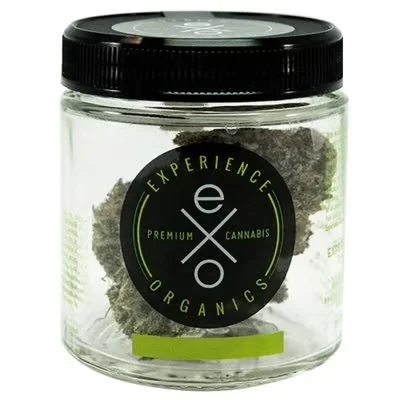
What makes Experience Organics Special?
Experience Organics is dedicated to fighting climate change through organic growing practices and artisan care.
That’s why they hand-water each of their plants daily, use 100% LED lighting, and incorporate all-natural nutrients into their growing practices.
Want to buy some today? Click on our online menu link below to see our current availability.
FAQ Climate Change & Cannabis Cultivation
Why is indoor cannabis cultivation so energy-intensive?
Indoor cannabis requires high-powered lighting plus constant heating, cooling, dehumidification, and CO₂ enrichment systems — all running simultaneously. Growing cannabis indoors can generate 2,300 to 5,200 kilograms of CO₂ per kilogram of dried flower, roughly equivalent to burning hundreds or thousands of liters of gasoline. At scale, the industry's combined carbon footprint becomes a significant contributor to greenhouse gas emissions.
How does climate change affect temperature control in cannabis grows?
Cannabis plants thrive in a relatively narrow temperature window — typically around 68–77°F (20–25°C) depending on the growth stage. Climate change makes maintaining that range harder through more frequent heat waves (forcing growers to run air conditioning harder) and increasingly unpredictable cold snaps that can stunt growth and delay flowering. Greater daily temperature swings can also reduce biomass and lower cannabinoid yields.
What is vapor-pressure deficit (VPD) and why does climate change complicate it?
VPD measures the difference between the moisture content in plant leaves versus the surrounding air, and it governs how plants transpire, absorb nutrients, and photosynthesize. Rising ambient humidity in some regions makes dehumidification harder and pushes VPD out of the optimal range — stressing plants and altering how cannabinoids and terpenes develop. Growers are responding with real-time climate monitoring and more aggressive humidity control, both of which increase operating costs.
How does climate change affect cannabis consumers and product prices?
As growers face higher energy, capital, and operational costs to manage climate-related growing challenges, those costs can pass through to consumers. Shoppers may also begin seeing "eco-grown" or "low-carbon" cannabis marketed as a premium differentiator — similar to how "organic" or "locally grown" commands a price premium in food markets.
What is the cannabis industry doing to reduce its carbon footprint?
Forward-thinking growers are investing in HVAC-efficient grow rooms, CO₂ recycling systems, 100% LED lighting, passive cooling designs, and all-natural nutrients. Some cultivators are also exploring hybrid growing models — combining indoor and outdoor or greenhouse grows — to balance quality control with sustainability. Retailers like Hashtag carry thoughtfully cultivated options from producers like Experience Organics, which is dedicated to organic growing and climate-conscious practices.
Will regulations force the cannabis industry to address its environmental impact?
It's a growing likelihood. States and regions may begin enforcing emissions standards, energy reporting requirements, or sustainability audits on cannabis cultivation facilities — especially in tightly regulated legal markets. Consumer demand for transparency about carbon intensity may also drive change from the market side, independent of regulation.
Want to learn more about cannabis cultivation and sustainability?
Then check out our collection of related posts here!
Cannabis & Genetics: Why Don't They Make 'Em Like They Used To?
Cannabis Packaging & Sustainability: How Washington Cannabis Brands Are Reducing Waste
Landrace Strains 101: What They Are and Why They Matter Today
Consistency & Cannabis: Is It Really Stronger Than It Used To Be?
What Makes Cannabis Flower Sticky? Understanding Trichomes & Resin Production