
Dank Magic: The Spellbinding History of Cannabis and Witchcraft
By Jeff Eckenrode

Image credit: Miriam Espacio
Quick Answer: Cannabis has long been linked to witchcraft and spirituality—from ancient rituals in India and pagan Europe to modern wellness practices. Once used in sacred ceremonies and later feared during the witch trials, cannabis is now being reclaimed as a symbol of healing, intuition, and connection to nature—a “witch’s herb” with deep cultural roots.
Cannabis and witchcraft have shared a long, winding history: one that stretches from ancient spiritual rituals to medieval suspicion to modern curiosity.
For thousands of years, people across cultures have used cannabis as a way to heal, connect with nature, and explore the unknown.
But how did this peculiar plant became linked with magic, mysticism, and the witch’s craft?

Image credit: Content Pixie
Ancient Roots: Cannabis as a Sacred Plant
Long before the word “witch” existed, cannabis played a role in religious and spiritual life.
In ancient India, people used cannabis (known as bhang) in sacred rituals to honor the god Shiva and to connect with higher consciousness.
In Persia, priests in the Haoma cult used psychoactive plants—possibly including cannabis—to achieve spiritual visions.
Archaeologists have found burned cannabis on altars in ancient temples in the Middle East, suggesting it was used as incense in early worship.
In Norse and pagan cultures, cannabis was associated with Freya, the goddess of love and fertility, and used in celebrations tied to nature and harvest cycles.
To ancient peoples, cannabis wasn’t just a plant—it was a bridge between the natural and the divine.

Image credit: Edz Norton
Medieval Europe: Fear, Witchcraft, and “Forbidden Herbs”
As Christianity spread through Europe, many old herbal and pagan traditions were labeled dangerous or sinful.
Cannabis and other psychoactive plants became tied to accusations of witchcraft.
Medieval “flying ointments” were said to include herbs like belladonna, mandrake—and sometimes cannabis—used by healers or midwives to enter trance-like states.
The Church viewed such practices as sorcery, believing these herbs opened the door to dark forces.
During the witch trials of the 15th to 17th centuries, women who practiced herbal medicine were often accused of witchcraft simply for using plants that could heal—or alter the mind.
Even though cannabis wasn’t mentioned by name in most trial records, its reputation as a “witch’s herb” grew alongside fear of the unknown.
In this era, knowledge of healing plants became something to hide, not celebrate.
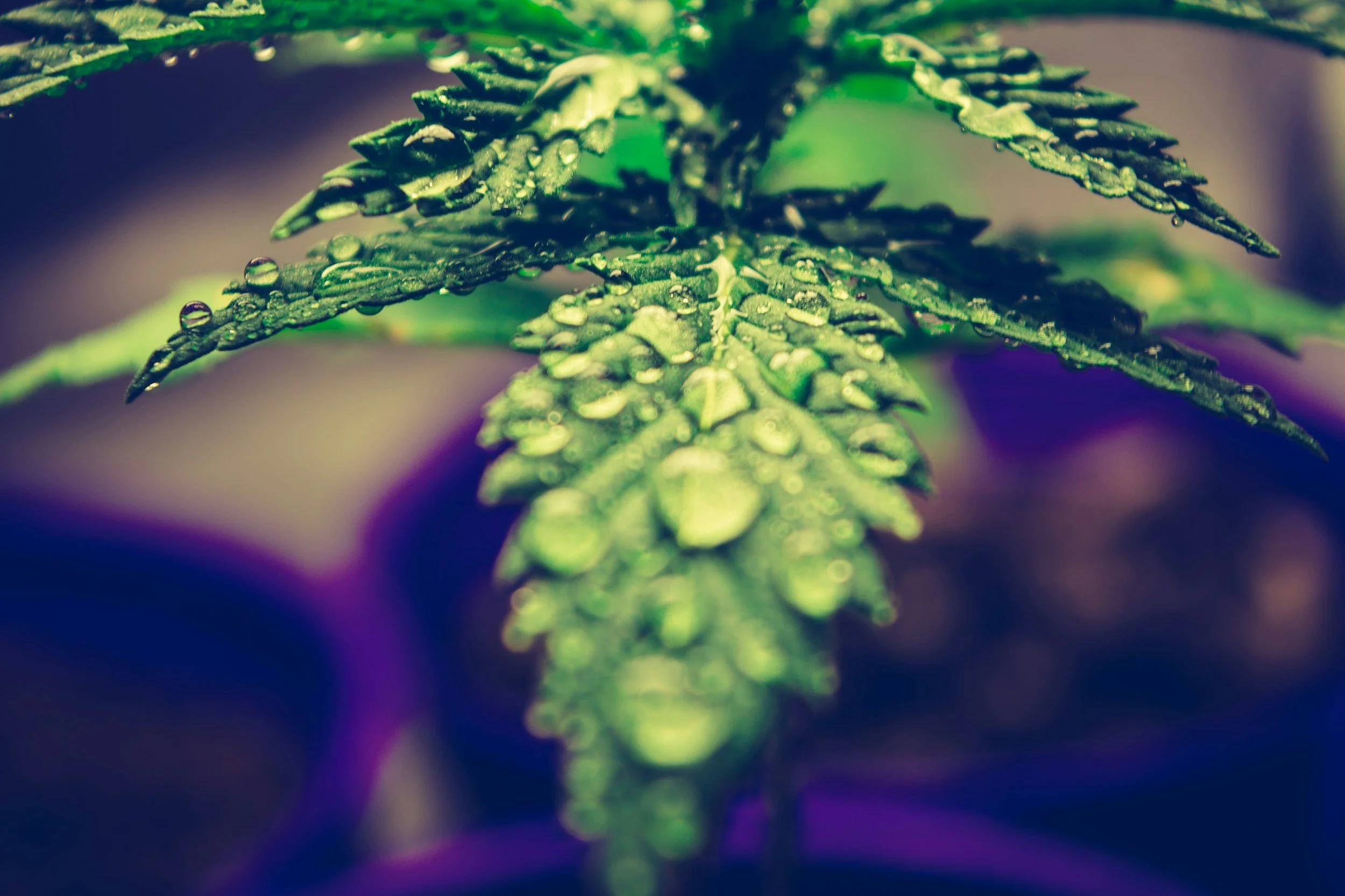
Image credit: Esteban López
Modern Witchcraft: Reclaiming the Green
In recent decades, cannabis has been rediscovered by modern witches, herbalists, and spiritual practitioners. Rather than being feared, it’s now seen as a symbol of connection—to the earth, to intuition, and to personal freedom.
Today, many view cannabis as a tool for mindfulness, creativity, and ritual reflection, not as a means of escape. It’s part of a larger movement to reclaim herbal traditions and recognize their role in wellness and culture.
Public perception has shifted dramatically—from demonization to acceptance. What was once a “forbidden herb” is now legal in much of the United States and celebrated for its therapeutic and spiritual potential.

Image credit: Lloyd Newman
How Did Cannabis Find Its Way Into Witchcraft?
From ancient temples to medieval folklore to modern self-care rituals, cannabis has always held a place in humanity’s search for meaning.
Its connection to witchcraft reflects more than superstition—it shows our ongoing fascination with plants that heal, inspire, and help us see the world in new ways.
At its heart, the story of cannabis and witchcraft isn’t about magic—it’s about the enduring human desire to connect with nature and the mysteries within ourselves.

Image credit: freestocks
Where can I find Cannabis products?
Whether you’re shopping online or in Redmond, we’re here to help you find what you need, when you need it. That includes cannabis products for wellness, recreational and magical purposes!
Click on our online menu link below to see our current availability.
FAQ The History of Cannabis & Witchcraft
What is the historical connection between cannabis and witchcraft?
The connection stretches back thousands of years across multiple cultures and predates the concept of "witchcraft" as we know it today. In ancient India cannabis was used in sacred rituals honoring Shiva as a bridge to higher consciousness. In Persia, priests used psychoactive plants for spiritual visions. Norse and pagan cultures associated cannabis with Freya, the goddess of love and fertility, incorporating it into nature and harvest celebrations. When Christianity spread through medieval Europe, these herbal and pagan traditions were reframed as dangerous or sinful — and the plants associated with them, cannabis included, became tied to accusations of witchcraft. The connection was never really about magic; it was about the fear of knowledge that existed outside official religious authority.
Was cannabis actually used in medieval "flying ointments"?
Medieval flying ointments — the salves supposedly used by witches to achieve the sensation of flight or enter trance states — are one of the most intriguing intersections of herbalism and folklore in European history. Historical records describe these preparations containing psychoactive plants including belladonna, mandrake, and henbane, and some accounts include cannabis among the ingredients. Whether these ointments produced genuine altered states or were simply the product of fear and confession under duress is still debated by historians. What's clear is that healers and midwives who possessed knowledge of psychoactive plants were frequently targeted during the witch trial era — their herbal expertise reframed as evidence of dark dealings rather than practical medicine.
How did the witch trials affect cannabis and herbal medicine?
The witch trials of the 15th through 17th centuries had a chilling effect on the practice of herbal medicine broadly. Women who served as community healers — using plant knowledge passed down through generations — became targets for accusation precisely because their practices sat outside the control of the Church and male-dominated medicine. Cannabis, along with many other medicinal plants, became something to hide rather than celebrate. The historical irony is significant: the suppression of this knowledge during the witch trial era set back centuries of accumulated practical plant wisdom, some of which we're only now rediscovering through modern ethnobotany and cannabinoid research.
How are modern witches and spiritual practitioners using cannabis today?
In contemporary wellness and spiritual communities, cannabis is increasingly viewed as a tool for mindfulness, creative exploration, intuition, and ritual reflection rather than escapism. Many practitioners describe using cannabis to quiet mental noise, deepen meditation, or enhance connection to natural surroundings — echoing the ancient uses documented across cultures. This reclamation is part of a broader movement to restore herbal traditions to their rightful place as legitimate wellness practices rather than superstition. The shift from "forbidden herb" to legal wellness product in states like Washington represents a remarkable full-circle moment in cannabis's long cultural history.
What ancient cultures used cannabis in spiritual rituals?
The geographic and cultural breadth of ancient cannabis use is genuinely remarkable. In India, cannabis as bhang has been used in rituals honoring Shiva for thousands of years and remains part of certain religious observances today. Archaeological evidence from ancient temples in the Middle East — including burned cannabis found on altars — suggests its use as sacred incense in early worship. In Persia, Zoroastrian priests used psychoactive substances including possibly cannabis in ceremonial contexts. Norse and pagan European cultures incorporated cannabis into celebrations tied to Freya and the natural harvest cycle. The consistent thread across all these cultures is cannabis as a bridge — between the human and the divine, between the ordinary and the extraordinary.
How does the history of cannabis and witchcraft connect to its legalization today?
The arc from sacred herb to forbidden plant to legal product is one of the more extraordinary journeys in cultural history. Cannabis was criminalized in the 20th century largely through fear, propaganda, and racial politics — much like the fear-driven persecution of herbal practitioners during the witch trial era. In both cases, knowledge of a beneficial plant was suppressed by institutional authority. The modern legalization movement, and the reclamation of cannabis as a wellness tool by spiritual practitioners, herbalists, and everyday consumers, represents a genuine cultural correction — a recognition that the plant's value was always real, and that the stigma attached to it said more about the cultures that created it than the herb itself.
Want to learn more about cannabis history and culture?
Then check out our collection of related posts here!