
The History of Medical Marijuana in Washington
By Jeff Eckenrode
Image credit : Delaware Valley Pain & Spine Institute
Quick Answer: Washington was one of the earliest states to legalize medical marijuana. Beginning with grassroots patient activism in the 1990s, the state built a system that expanded access, improved safety, and eventually laid the foundation for today’s regulated cannabis market. Understanding this history helps consumers appreciate how medical and recreational cannabis evolved in Washington.
Washington’s cannabis story did not begin with today’s modern dispensaries.
It started with patients, advocates, and doctors who pushed for safe access long before the idea of a legal retail market existed.
But how did Washington’s medical marijuana program develop into the expansive system of cannabis dispensaries and producers that we know today?
Image credit: Cambridge Jenkins IV
Washington’s Early Medical Cannabis Movement
In the early 1990s, patients with chronic illnesses began calling for compassionate access to cannabis.
They argued that traditional medications did not always meet their needs, especially for conditions like cancer, HIV, chronic pain, and epilepsy.
Research later validated many of these early patient claims, including evidence summarized by the National Academies of Sciences that cannabis can reduce chronic pain and help manage chemotherapy-related nausea.
At the time, possession of cannabis remained illegal. Patients risked arrest for using the plant as medicine, and doctors often could not advise them openly.
Doctors also faced unclear legal boundaries until the 2002 Conant v. Walters decision affirmed physicians’ First Amendment right to recommend cannabis.
The turning point came from grassroots organizing. Local advocacy groups began collecting stories from patients who relied on cannabis to eat, sleep, or manage symptoms.
Their efforts helped shift public opinion toward compassion and medical choice.

Image credit: Element5 Digital
1998: Washington Legalizes Medical Marijuana
In 1998, voters approved Initiative 692, a landmark measure allowing qualifying patients to use medical marijuana with a doctor’s authorization.
The Washington Secretary of State’s records show that voters passed I-692 with nearly 59 percent approval, reflecting strong statewide support for medical access.
This made Washington one of the first states in the country to legalize medical cannabis.
I-692 allowed:
Medical use with a doctor’s recommendation
Possession of a limited amount of cannabis
Caregivers to assist qualified patients
This marked the beginning of Washington’s legal medical cannabis system. It also signaled to lawmakers and health professionals that cannabis had legitimate medical value.

Image credit: Jeff W
The Early System: Compassiona but Limited Structure
After I-692 passed, medical cannabis was legal in theory but complicated in practice. Patients had the right to use cannabis, but the law did not authorize retail stores.
During this time, states with early medical laws commonly saw informal supply systems emerge before regulations were established.
A Seattle Times report chronicled the “gray market” dispensaries which emerged throughout Washington.
As a result, most patients relied on:
Home grows
Cooperative gardens
Informal community networks
Dispensaries eventually appeared, although they operated in a gray area without a clear license or oversight. Still, these early access points became lifelines for thousands of Washington patients.

Image credit: Washington State Capitol Campus
Growing Demand Leads to Reform
By the late 2000s, medical marijuana use in Washington had expanded significantly. More patients received recommendations, and more cities saw dispensaries open.
The system needed clearer rules to protect patients and standardize access.
In 2011, lawmakers attempted to regulate dispensaries, create licensing paths, and set up a statewide framework.
Legislative records show that Senate Bill 5073 laid out licensing pathways, though parts were later vetoed by Governor Christine Gregoire due to federal enforcement concerns.
Although that bill was not fully implemented, it marked the start of Washington’s effort to bring structure and oversight to medical cannabis.
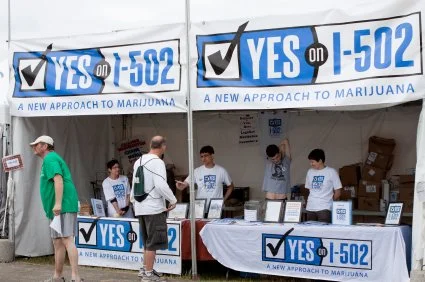
Image credit: Stoel Rives LLP
2012: Recreational Legalization Changes Everything
When voters approved Initiative 502 in 2012, Washington became one of the first states to legalize recreational cannabis. This shifted the entire market.
Recreational stores began opening in 2014, and lawmakers started working on how to merge the medical and recreational systems into one regulated marketplace.
According to the WSLCB, Washington became one of the first states to regulate all aspects of production, processing, and retail sales.
Research from the University of Washington later highlighted how this shift reshaped access and oversight statewide.
Patients and medical advocates wanted to maintain access to specialized products, higher possession limits, and tax benefits. Regulators wanted a clear set of rules and a unified structure for safety and oversight.
Image credit: Stephen Cobb
2015: A Unified System for Medical and Recreational Cannabis
The legislature passed the Cannabis Patient Protection Act in 2015 to combine the two systems under the Washington State Liquor and Cannabis Board.
According to the Washington State Department of Health, the act also introduced stricter testing standards for pesticide exposure and product safety, setting Washington apart as one of the most rigorously regulated medical markets in the U.S.
This changed how medical cannabis worked in several ways.
The updated system included:
A voluntary Medical Marijuana Authorization Database
Recognition cards for patients
Sales tax exemptions for registered patients
Licensed medically endorsed retailers
Regulated growing and processing standards
Product requirements designed for medical needs
This reform brought medical cannabis fully into the regulated marketplace while giving patients consistent access to specialized products.

Image credit: Steven Foster
Today’s Medical Cannabis Landscape in Washington
Today, Washington’s medical cannabis program provides a structured and safe environment for patients.
The DOH notes that medically endorsed retailers must meet higher product and labeling standards, including terpene disclosure, pesticide testing, and training for certified cannabis consultants
Registered patients receive benefits such as:
Sales tax exemptions
Higher purchase and possession limits
Access to medically compliant products
Guidance from certified medical cannabis consultants
This system balances patient access with safety, consistency, and consumer protection.
Where Can I Find Medical Grade Cannabis?
Whether you’re shopping online or in Redmond, we’re here to help you find what you need, whenever you need it. That includes high-quality, medical grade cannabis products!
Currently we carry DOH certified flower, pre-rolls, vapes, concentrates and RSO from Dank Czar.
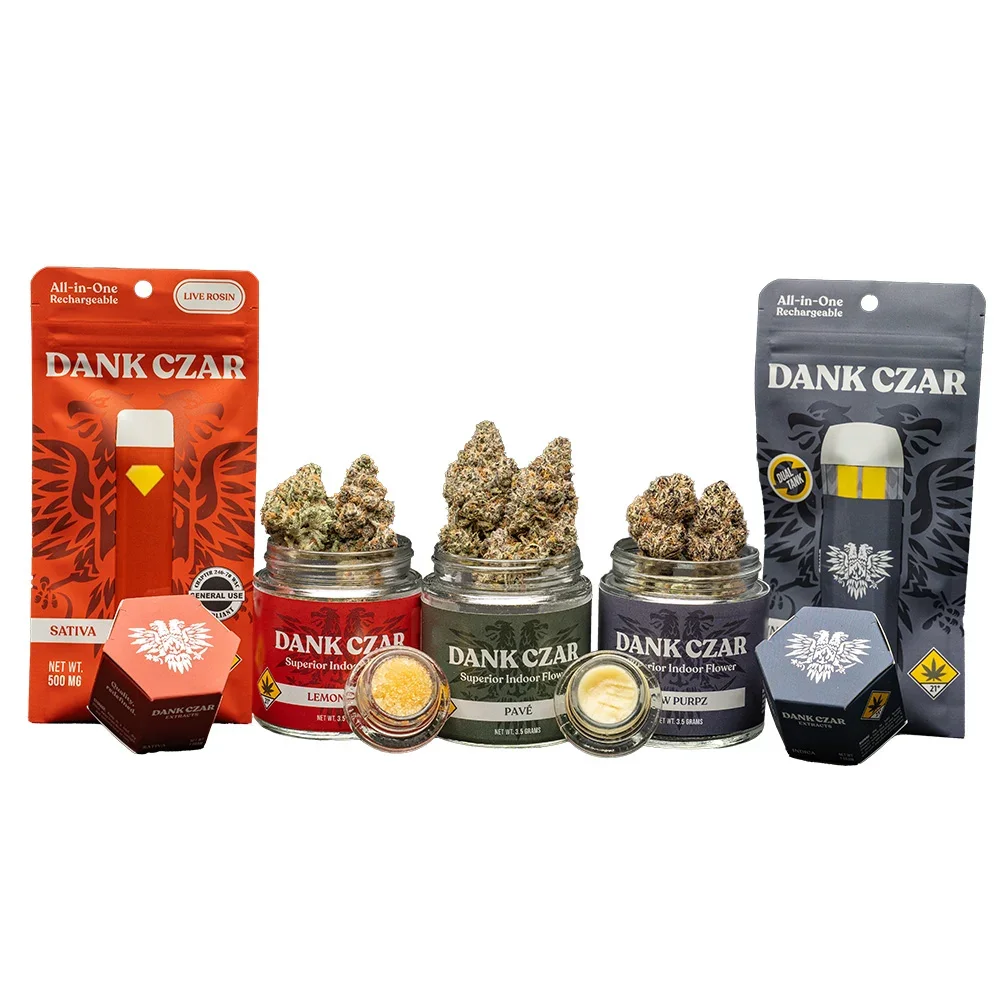
What makes Dank Czar Special?
Dank Czar Cannabis is rooted in the early medical marijuana movement of Washington State.
Dedicated to perfecting the art of cultivation and extraction, Dank Czar offers the highest quality cannabis products in Washington.
Not only are their products unique, Dank Czar’s products are DOH certified. Which means they are available to qualified medical cannabis users at an incredibly low price.
Want to buy some today? Click on our online menu link below to see our current availability.
Want to learn more?
Then check out our related posts here!
Need help picking out a product? Then ask our friendly budtenders!
Whether you’re shopping in Redmond or online, we’re here to help you find what you need, when you need it.