
Cannabis Packaging & Sustainability: How Washington Cannabis Brands Are Reducing Waste
By Jeff Eckenrode

Image credit: Lazy Bee Gardens
Quick Answer: Cannabis in Washington must be sold in child-resistant, tamper-evident packaging—rules that often rely on plastics and mixed materials that are hard to recycle. In response, many Washington brands are experimenting with eco-friendly packaging alternatives, waste-reduction strategies, and consumer education to balance compliance, safety, and sustainability.
Cannabis legalization brought innovation to products. However, it also brought a whole lot of packaging too.
In Washington, where safety and compliance are paramount, the industry is now grappling with how to reduce waste without breaking the rules.
So how is cannabis packaged in Washington State? Why is recycling cannabis packaging so difficult?
And how are cannabis businesses adapting to incorporate more sustainable packaging for their products?
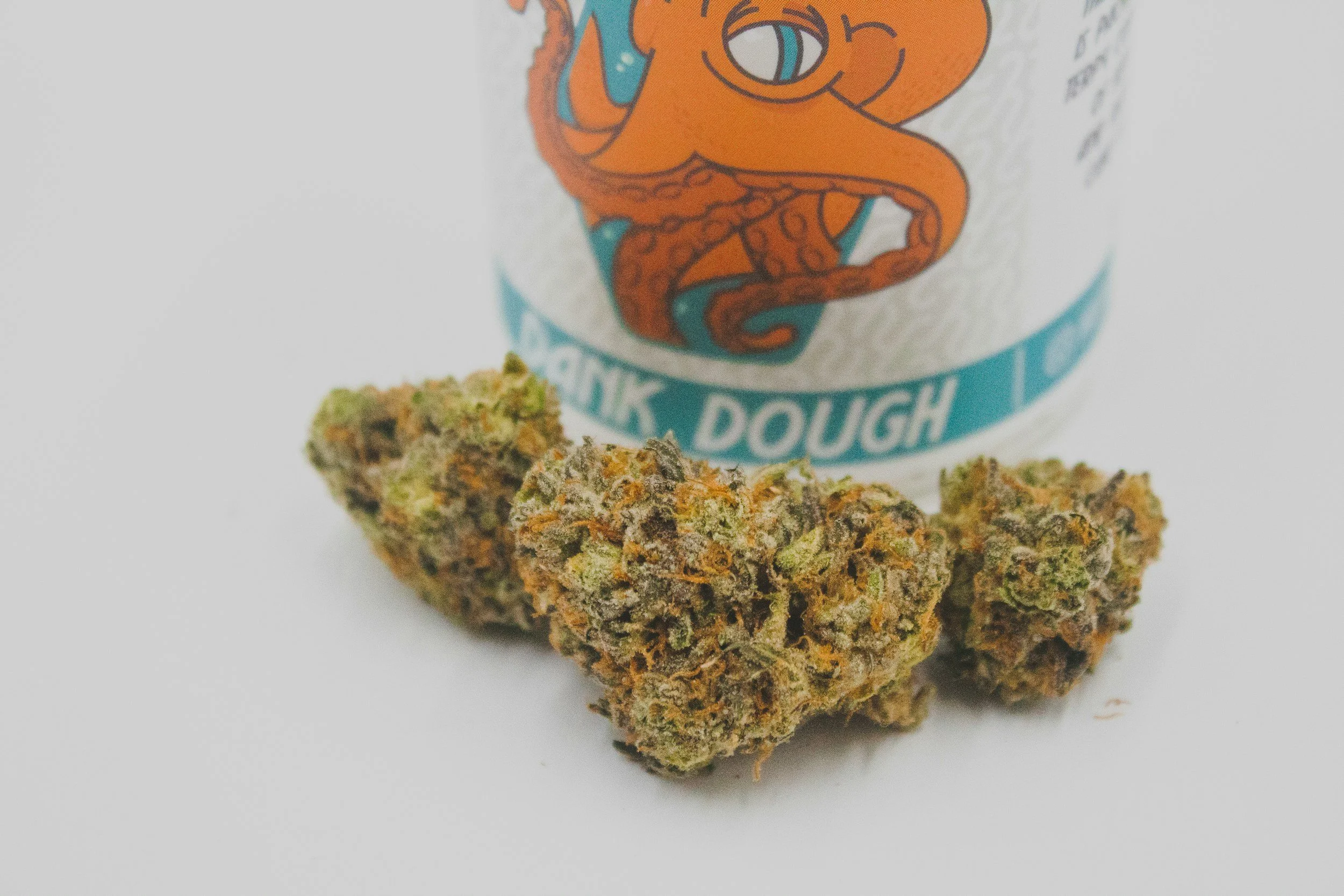
Image credit:Jonathan Olsen-Koziol
How Is Cannabis Packaged in Washington State?
Washington’s cannabis packaging rules are among the strictest in the country.
Products must be:
Child-resistant
Tamper-evident
Opaque (for most products)
Clearly labeled with required warnings and test results
As a result, many products are sold in plastic jars, tubes, pouches, or multi-layer containers.
While these materials protect consumers and prevent diversion, they also contribute to packaging waste—especially for single-use items like pre-roll tubes and vape packaging.
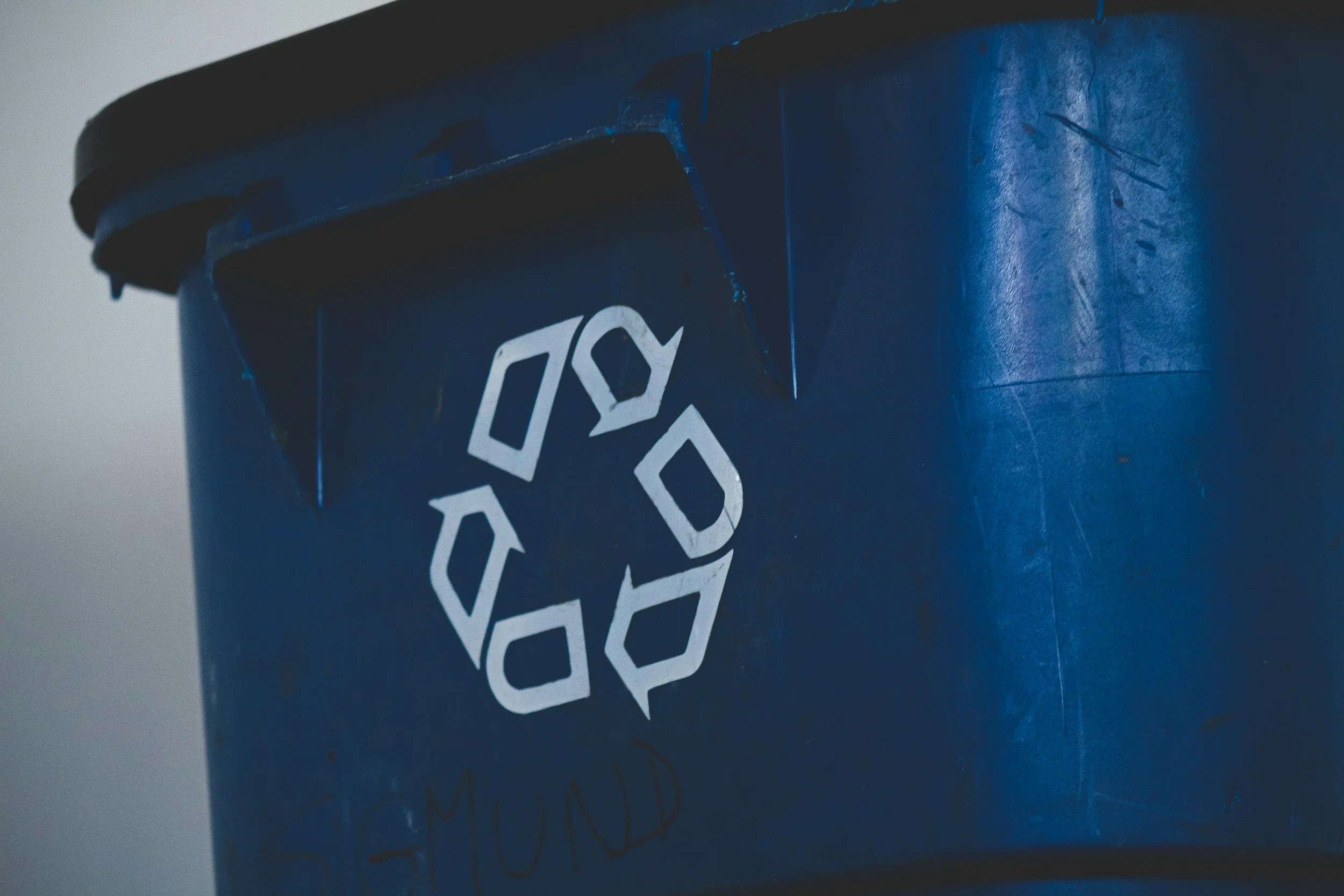
Image credit: Sigmund
Why Is Recycling Cannabis Packaging Difficult?
Even when packaging looks recyclable, it often isn’t.
Common challenges include:
Mixed materials: Plastic combined with foil, paper, or rubber seals
Small formats: Many items are too small for standard recycling sorters
Contamination concerns: Cannabis residue can disqualify items from recycling streams
Local recycling limits: Not all municipalities accept the same plastics
In Washington, these issues mean much cannabis packaging ends up in landfills—even when consumers want to recycle responsibly.
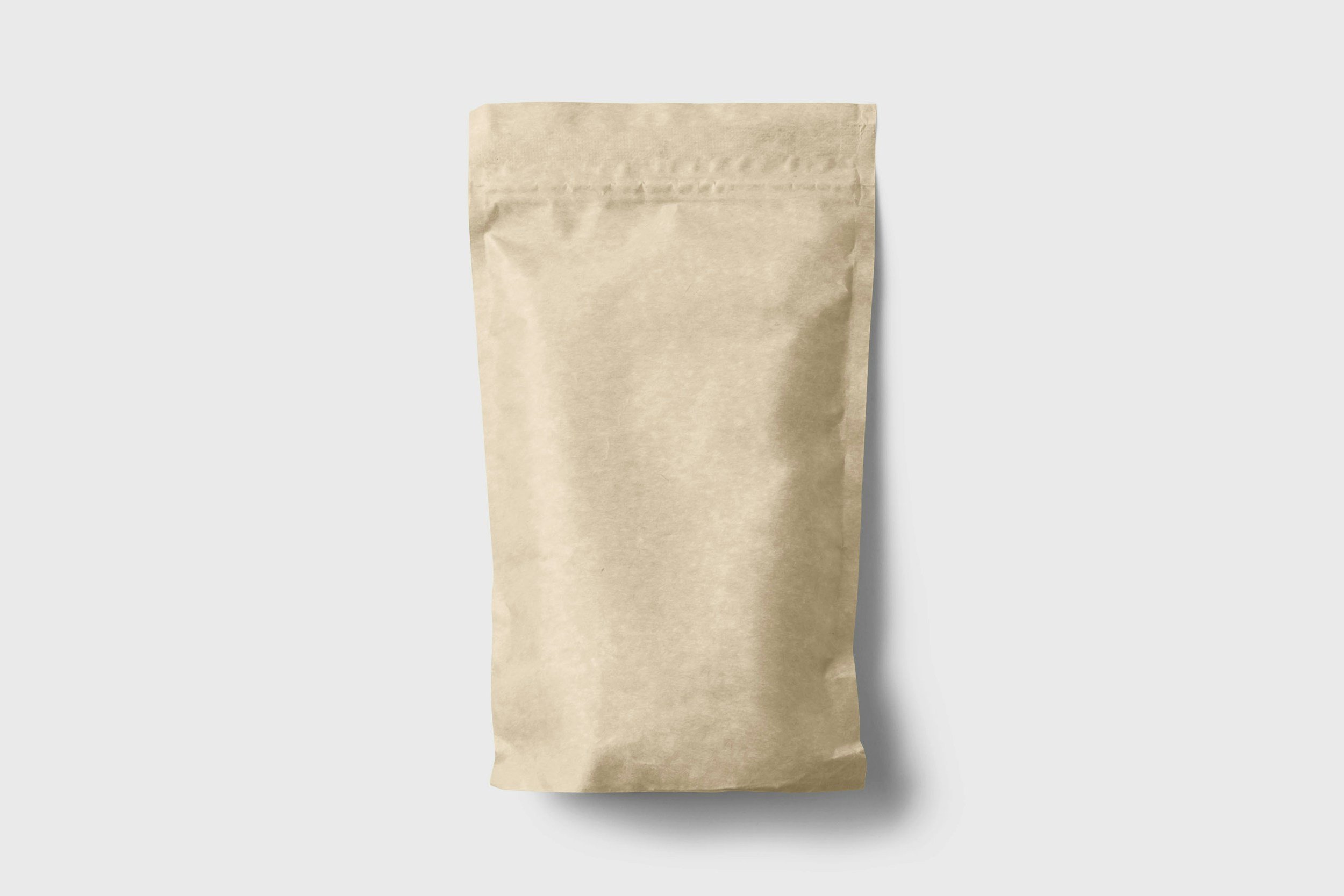
Image credit: mockupbee
What Types of Eco-Friendly Packaging Alternatives Are in Use?
Despite the hurdles, Washington brands are testing more sustainable approaches, including:
Post-consumer recycled (PCR) plastics to reduce virgin plastic use
Glass jars that can be reused or recycled locally
Paper-based outer packaging paired with compliant inner containers
Some brands are also downsizing packaging, eliminating unnecessary layers while still meeting compliance standards.
Image credit: OZ Sparx
Sustainability as Shared Responsibility
Sustainability doesn’t stop at the brand level. Consumers play a role too:
Reuse containers for storage or household items
Check local recycling rules before tossing packaging
Support brands that prioritize sustainable practices
In a regulated market like Washington, progress happens incrementally—but each improvement matters.
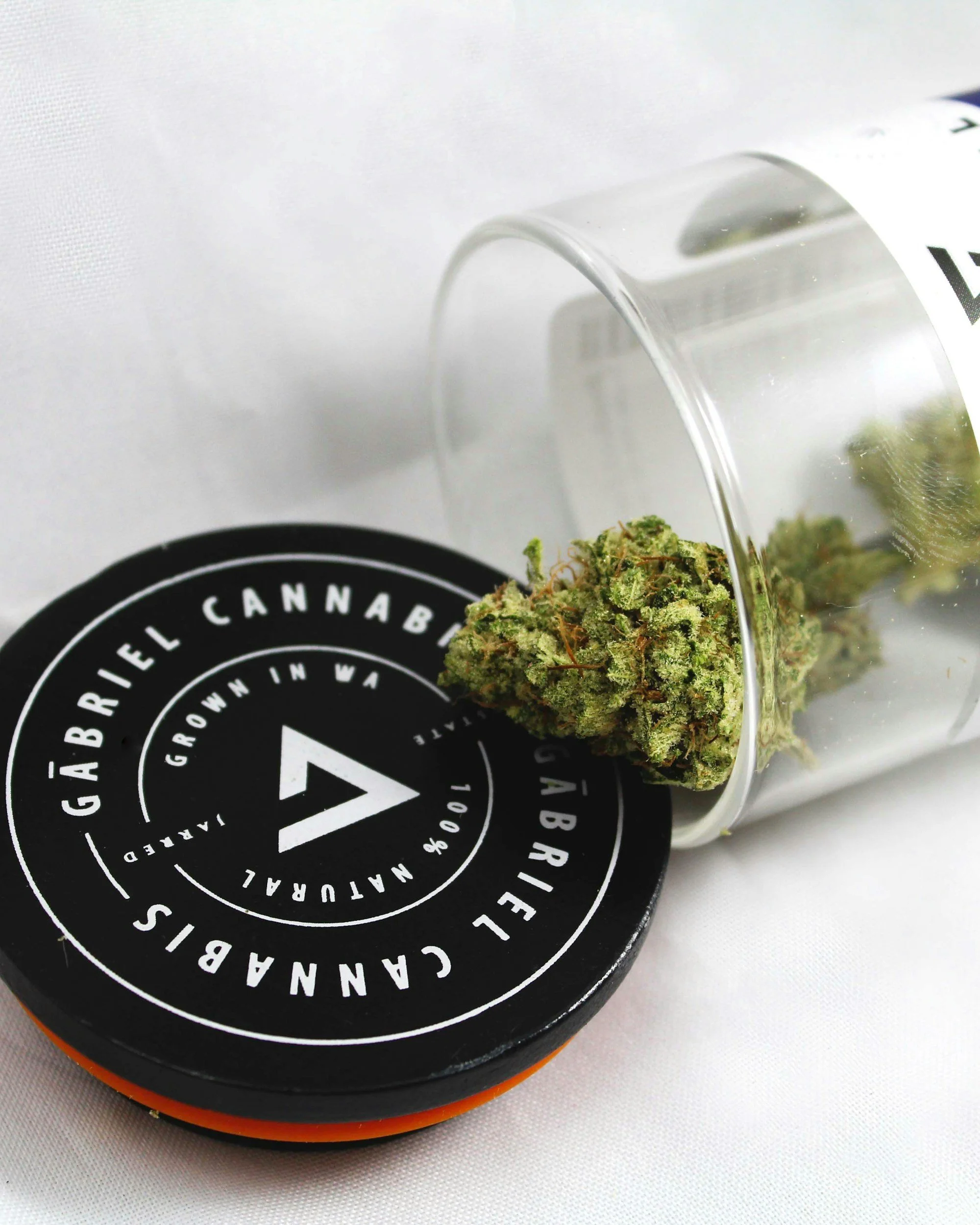
Image credit: Perry Gilchrist
The Bottom Line on Sustainable Cannabis Packaging
Cannabis packaging in Washington is designed for safety first—but sustainability is becoming a close second.
As brands innovate and consumers stay informed, the industry continues moving toward solutions that protect people, products, and the planet.
Image credit: Weedmaps
Where can I find sustainably made cannabis products?
Whether you’re shopping online or in Redmond, we’re here to help you find what you need, when you need it.
That includes sustainably grown cannabis products!
Currently we carry sun grown, pesticide-free smokeable flower, pre rolls and concentrates from Lazy Bee Gardens.
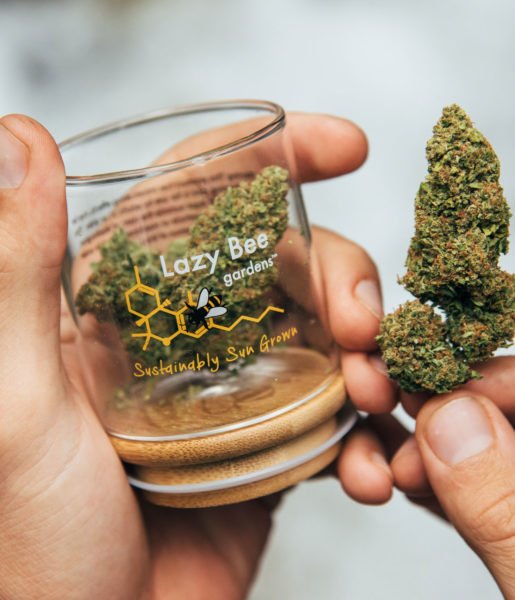
Image credit: Blaise Creative
What makes Lazy Bee Gardens Special?
Lazy Bee Gardens believes in conservation and making a difference in the fight against climate change.
That’s why they grow the very best outdoor, pesticide free flower using sustainable farming practices and package every product in recyclable containers.
Want to learn more? Visit their website at: https://lazybeegardens.com/home
Want to buy some today? Click on our online menu link below to see our current availability.
FAQ Cannabis Packaging & Sustainability
What are Washington state's cannabis packaging requirements?
Washington has some of the strictest cannabis packaging rules in the country, all designed to protect public safety and prevent diversion. Every cannabis product must be sold in child-resistant, tamper-evident packaging. Most products also require opaque packaging to prevent visual identification of contents. All packaging must carry clear labeling with required warnings, potency information, and lab test results. These requirements are non-negotiable — but they've created a significant environmental challenge, since the materials that best meet these safety standards are often the hardest to recycle responsibly.
Why is cannabis packaging so difficult to recycle?
Even cannabis packaging that looks recyclable often isn't — and the reasons are practical rather than intentional. Many cannabis containers are made from mixed materials: a plastic jar with a foil-lined lid, or a paper label on a rubber-sealed container. These mixed-material items can't be separated at standard recycling facilities and typically end up in landfill streams even when consumers try to recycle them. Small-format packaging like pre-roll tubes is often physically too small for automated recycling sorters to process. And cannabis residue on packaging can technically disqualify items from recycling streams in some municipalities. The result is that most cannabis packaging currently ends up as waste despite consumers' best intentions.
What sustainable packaging alternatives are Washington cannabis brands using?
Several approaches are gaining traction. Post-consumer recycled (PCR) plastics reduce the amount of virgin plastic in new packaging while still meeting compliance requirements. Glass jars are increasingly popular because they can be reused by consumers or recycled through standard glass collection — and they actually preserve terpenes better than plastic. Paper-based outer packaging paired with compliant inner containers reduces visual plastic. Some brands are also simply downsizing — eliminating unnecessary packaging layers while still meeting the letter of the regulations. Every reduction in packaging material, however small, adds up across thousands of units.
What can cannabis consumers do to reduce packaging waste?
More than you might think. The first step is to check your local recycling guidelines before tossing cannabis packaging — rules vary by municipality in Washington, and some plastics that aren't accepted in one city are accepted in another. Glass jars from cannabis products can almost always be cleaned and reused for household storage. Some plastic containers work well as small organizers. Beyond reusing your own packaging, supporting brands that prioritize sustainable practices sends a clear market signal — brands like Lazy Bee Gardens, which uses recyclable containers and sustainable outdoor farming practices, demonstrate that compliance and environmental responsibility can coexist.
What makes outdoor sun-grown cannabis more sustainable than indoor?
Indoor cannabis cultivation is extraordinarily energy-intensive — artificial lighting, climate control, and water systems consume significant electricity, much of which still comes from fossil fuel sources. Sun-grown outdoor cannabis, by contrast, uses natural sunlight and rainfall, dramatically reducing the carbon footprint per gram of flower produced. Lazy Bee Gardens exemplifies this approach, growing pesticide-free outdoor cannabis using sustainable farming practices that work with Washington's natural environment rather than against it. For consumers who care about the full environmental impact of their cannabis — from cultivation through packaging — sun-grown outdoor brands are the most ecologically responsible choice available.
Is sustainable cannabis packaging just a marketing trend or genuine progress?
It's both — and that's actually okay. Some brands are further along than others, and not every sustainability claim is equally substantive. But the underlying pressure is real: Washington consumers increasingly care about environmental impact, and brands are responding with genuine innovations in packaging materials, cultivation practices, and waste reduction. The regulatory framework also creates real constraints that make wholesale change difficult — sustainable packaging in cannabis has to clear compliance hurdles that sustainable packaging in other industries doesn't face. Progress is incremental, but it's genuine, and each improvement matters at the scale of Washington's legal cannabis market.
Want to learn more about Washington cannabis regulations and sustainability?
Then check out our collection of related posts here!