
How Terpenes Shape What You See, Smell, and Taste
By Jeff Eckenrode
Image credit: Shane Rounce
Quick Answer: Terpenes shape your cannabis experience well before you take a hit. Your nose detects them from across the room, taste and smell work together as you exhale, and visual cues like color and trichome shimmer offer clues about freshness and quality, all before THC ever enters the picture.
Crack open a fresh jar of flower and what's the first thing that happens?
You smell it, probably before you've even looked closely at the buds themselves.
That instinct is doing more work than you might realize, and it's worth understanding why.
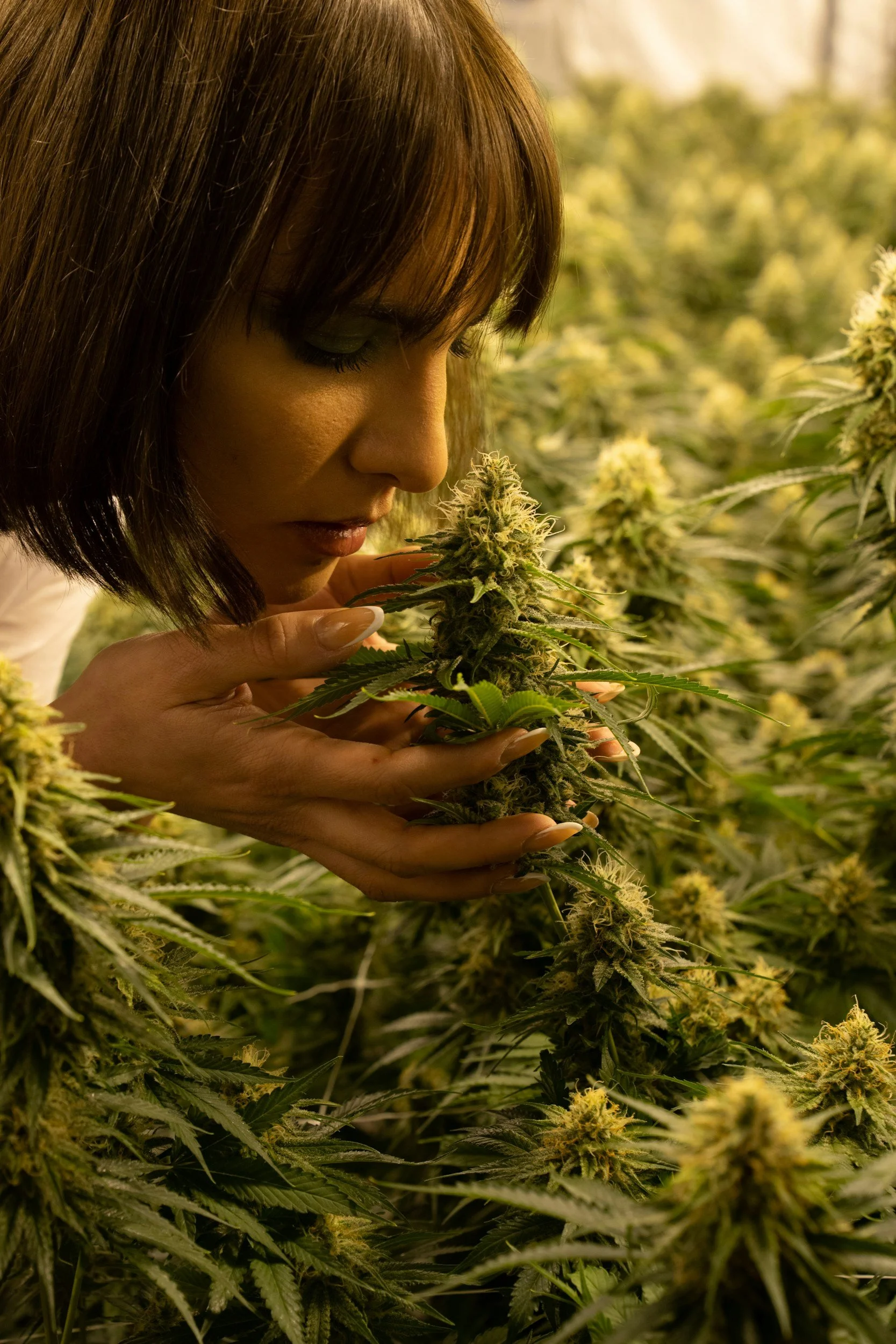
Image credit: CRYSTALWEED cannabis
Smell: Your First and Fastest Read on a Strain
Terpenes are volatile aromatic compounds, meaning they evaporate easily at room temperature and release molecules into the air around them.
That's exactly why you can smell a jar of flower before you open it and why walking past a well-cured strain can stop you in your tracks.
Your olfactory receptors, the sensory cells inside your nose, are remarkably sensitive to these compounds, capable of distinguishing an enormous range of scent profiles from earthy and diesel-forward to bright citrus to sweet berry.
Research on cannabis sensory science suggests that pleasant aroma is consistently identified as the strongest indicator of perceived quality, much like it is for coffee or tea.
This matters for more than just enjoyment. Aroma is genuinely one of the fastest, most reliable signals of quality you have access to as a shopper.
A strain that smells muted, flat, or grassy has often lost terpenes somewhere along the way, whether through a rushed cure, poor storage, or age.
A strain with a loud, distinct, specific smell is telling you something real about how it was grown and handled.
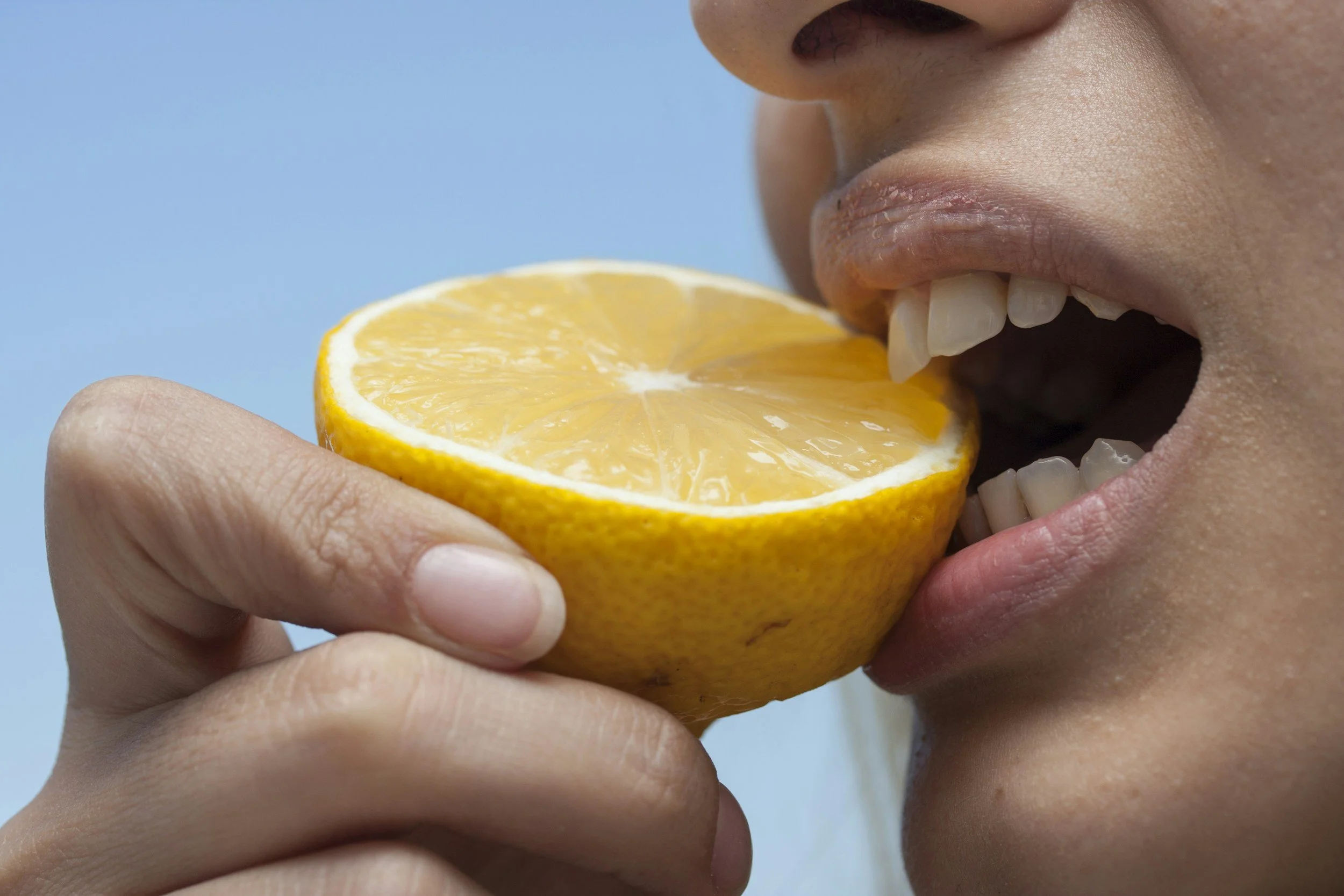
Image credit: engin akyurt
Taste: Smell and Flavor Working Together
Here's something a lot of people don't realize: most of what we call "taste" when smoking or vaping cannabis is actually smell.
When you exhale, aromatic compounds travel up through the back of your throat to the same olfactory receptors that process smell through your nose, a process called retronasal olfaction, which research confirms plays a central role in how we perceive flavor overall.
Your tongue is only picking up basic qualities like bitterness or sweetness. The complex flavor, the specific notes of pine, mango, fuel, or lavender, comes from this connection between your nose and throat working together.
This is part of why flavor can feel so vivid with a well-cured, terpene-rich strain and so flat with one that's dried out or poorly handled.
You're not just tasting less. You're smelling less, which your brain interprets as a duller flavor overall.
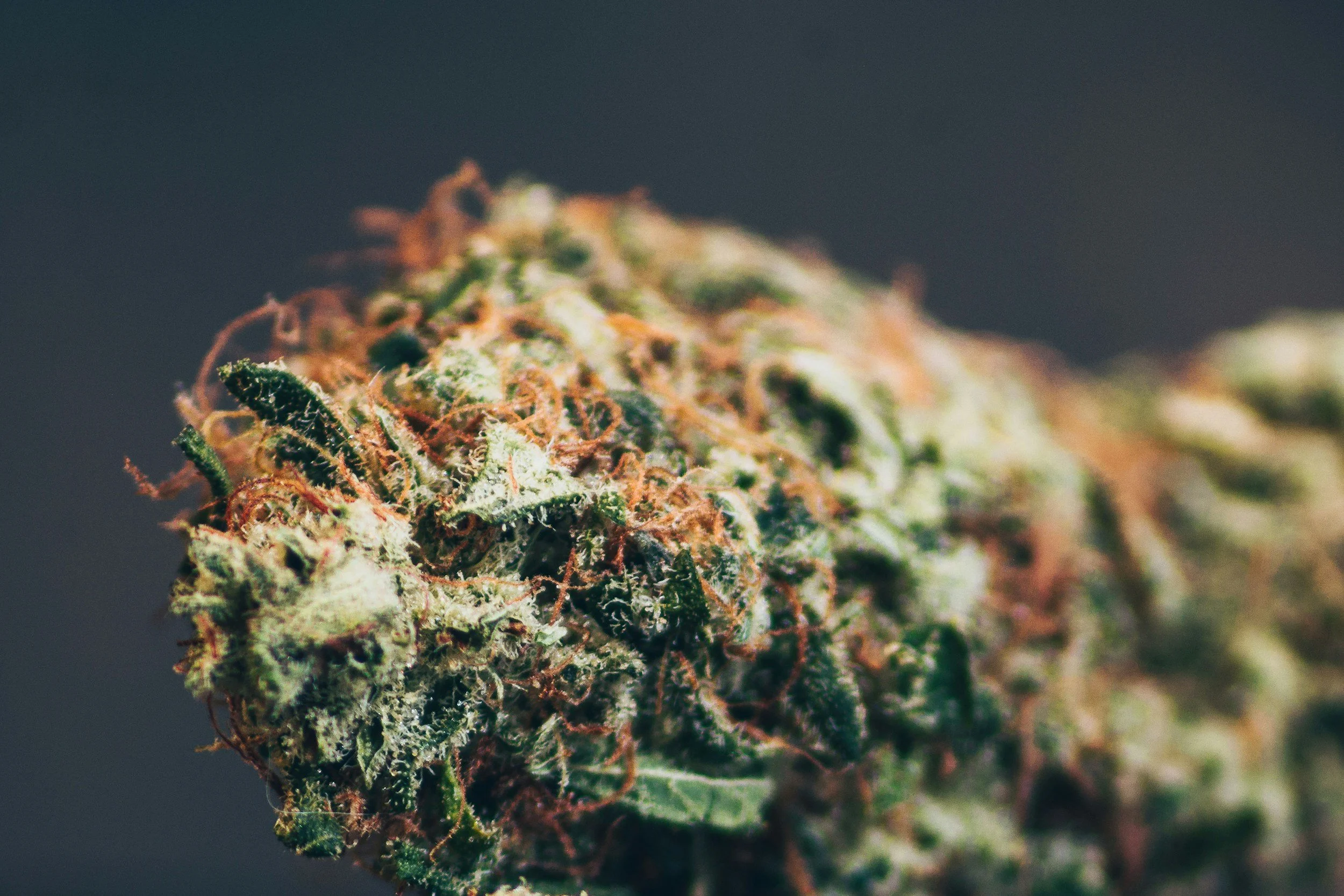
Image credit: Testeur de CBD
Sight: What Your Eyes Can Tell You Before You Ever Smell or Taste
Visual cues matter too, and they're the first thing most people actually notice. Trichomes, the tiny crystal-like structures covering high-quality flower, are where the majority of a plant's cannabinoids and terpenes are produced and stored.
This is well established in cannabis plant science, which has also found that growing conditions like light and temperature can meaningfully shift a strain's terpene output, one more reason two batches of the same strain can smell slightly different.
Flower with a dense, frosty, shimmering coat of trichomes is generally a strong sign of both potency and freshness, since trichomes that haven't degraded from age or poor handling tend to catch and reflect light more vividly.
Color is worth watching too. Vibrant greens, purples, and oranges usually indicate flower that was grown and cured with care, while dull, brownish, or overly dry-looking buds often point to age or improper storage.
None of this requires special training. It just requires knowing what to actually look for.
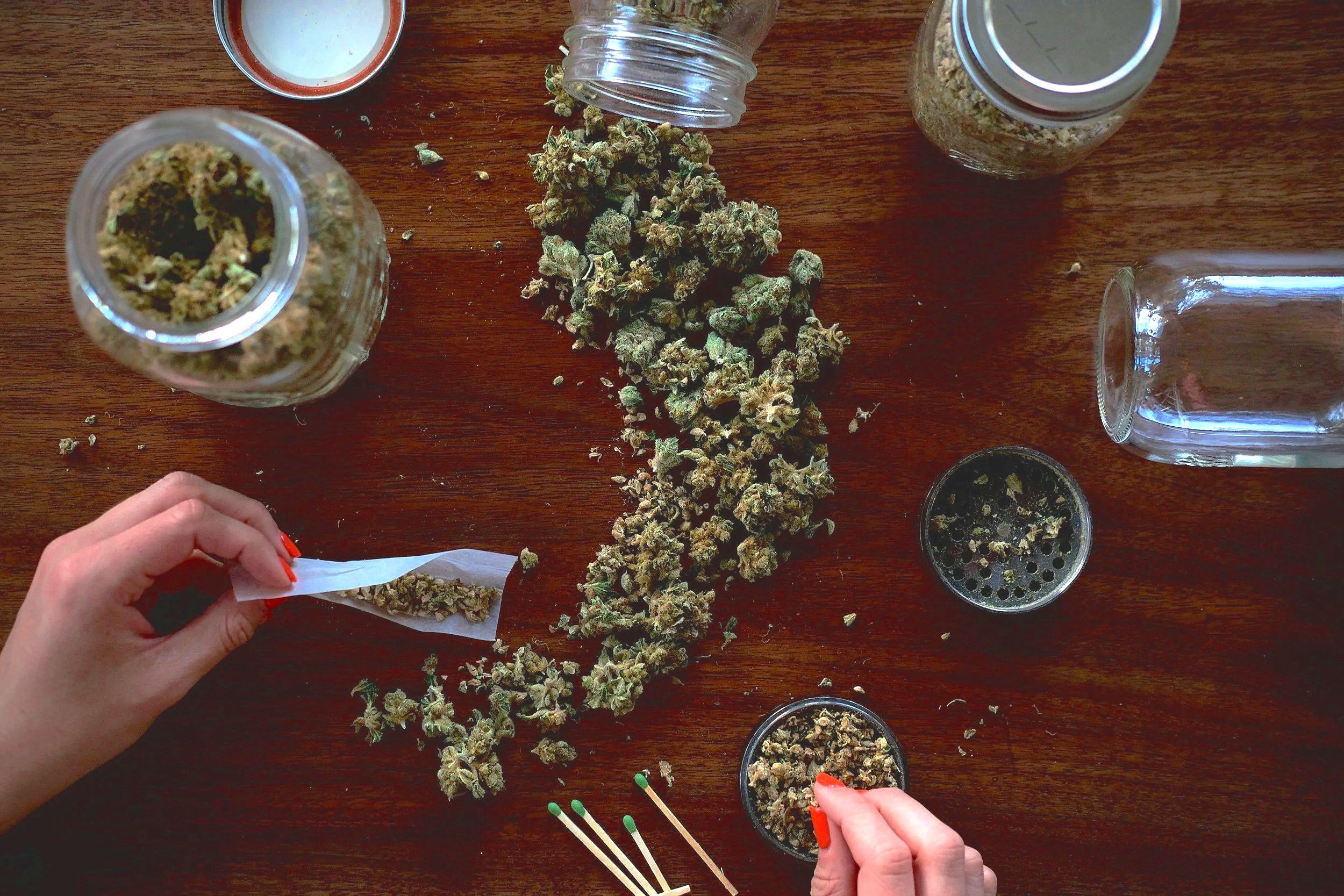
Image credit: Wesley Gibbs
Putting It All Together
None of these senses work in isolation. Smell gives you a fast first impression. Sight offers visual confirmation of freshness and trichome density. Taste, which is really smell in disguise, delivers the full payoff once you've decided to try it.
Learning to pay attention to all three gives you a much better sense of what you're actually buying than any single number on a label ever could.

Where Can I Find Terpene Rich Cannabis in Redmond?
At Hashtag Cannabis in Redmond, we're proud to carry Torus, a hydroponic indoor farm whose hand harvested flowers are trimmed and packaged carefully to preserve each strains unique terpene profile.
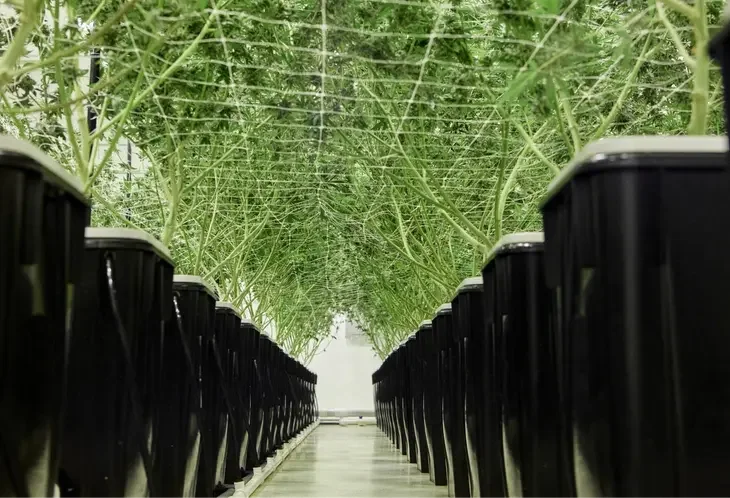
Image credit: Torus
What Makes Torus Special?
Torus takes what they call a "Flower First" approach, built around the belief that terpene expression, not just potency, is what defines a truly great cannabis experience.
Grown using a deep water cultivation method, their flower is cultivated with an emphasis on preserving the full sensory profile of each strain, from aroma to appearance to flavor.
If you want to put everything in this post into practice, Torus's lineup is a great place to start paying closer attention to what you're smelling, seeing, and tasting.
Want to learn more? Visit their website at: torusfarms.com
FAQ on Terpenes and Cannabis
Why does cannabis smell so different from strain to strain?
Each cannabis strain has its own unique combination of terpenes, the volatile aromatic compounds responsible for scent. Different terpene combinations and concentrations create distinct smells ranging from earthy and diesel-forward to bright citrus to sweet berry. Because terpenes evaporate easily at room temperature, they release these aromatic molecules into the air, which is why you can often smell a strain's character before ever opening the jar.
How does taste work when you smoke or vape cannabis?
Most of what people describe as flavor when consuming cannabis is actually smell working through a process called retronasal olfaction. When you exhale, aromatic terpene compounds travel up through the back of the throat to the same olfactory receptors used for smelling through the nose. The tongue only detects basic qualities like sweetness or bitterness, while the specific, complex flavor notes come from this nose-and-throat connection.
Can you tell cannabis quality just by looking at it?
Visual cues offer real, useful information about quality. A dense, frosty coat of trichomes generally signals strong potency and freshness, since trichomes are where most cannabinoids and terpenes are produced. Vibrant coloring, whether green, purple, or orange, typically points to flower that was grown and cured carefully, while dull or overly dry-looking buds often indicate age or improper storage.
What role do trichomes play in cannabis's sensory experience?
Trichomes are the tiny, crystal-like structures covering high-quality cannabis flower, and they're where the majority of a plant's cannabinoids and terpenes are produced and stored. A dense, shimmering coat of trichomes is a strong visual indicator of both potency and freshness, since trichomes that haven't degraded from age or poor handling tend to reflect light more vividly and retain more of their aromatic compounds.
Why do some strains smell stronger than others?
Strains vary in both the total volume of terpenes they produce and the specific terpene combinations present, which affects how strong and how distinct their aroma is. How a strain was grown, cured, and stored also plays a major role, since rushed curing or poor storage conditions can cause terpenes to degrade or evaporate over time, resulting in a noticeably muted smell even in a strain known for being aromatic.
Where can I find Torus cannabis products in Redmond?
Torus flower, concentrates, and infused pre-rolls are available at Hashtag Cannabis in Redmond. Availability rotates with our current strain selection, so check our online menu or ask a budtender in-store to see what's currently on our shelves.
Want to learn more about cannabis science and plant biology?
Then check out our collection of related posts here!
Explore the full Cannabis Science & Plant Biology hub →