
Is a Higher THC Percentage Actually Better?
By Jeff Eckenrode
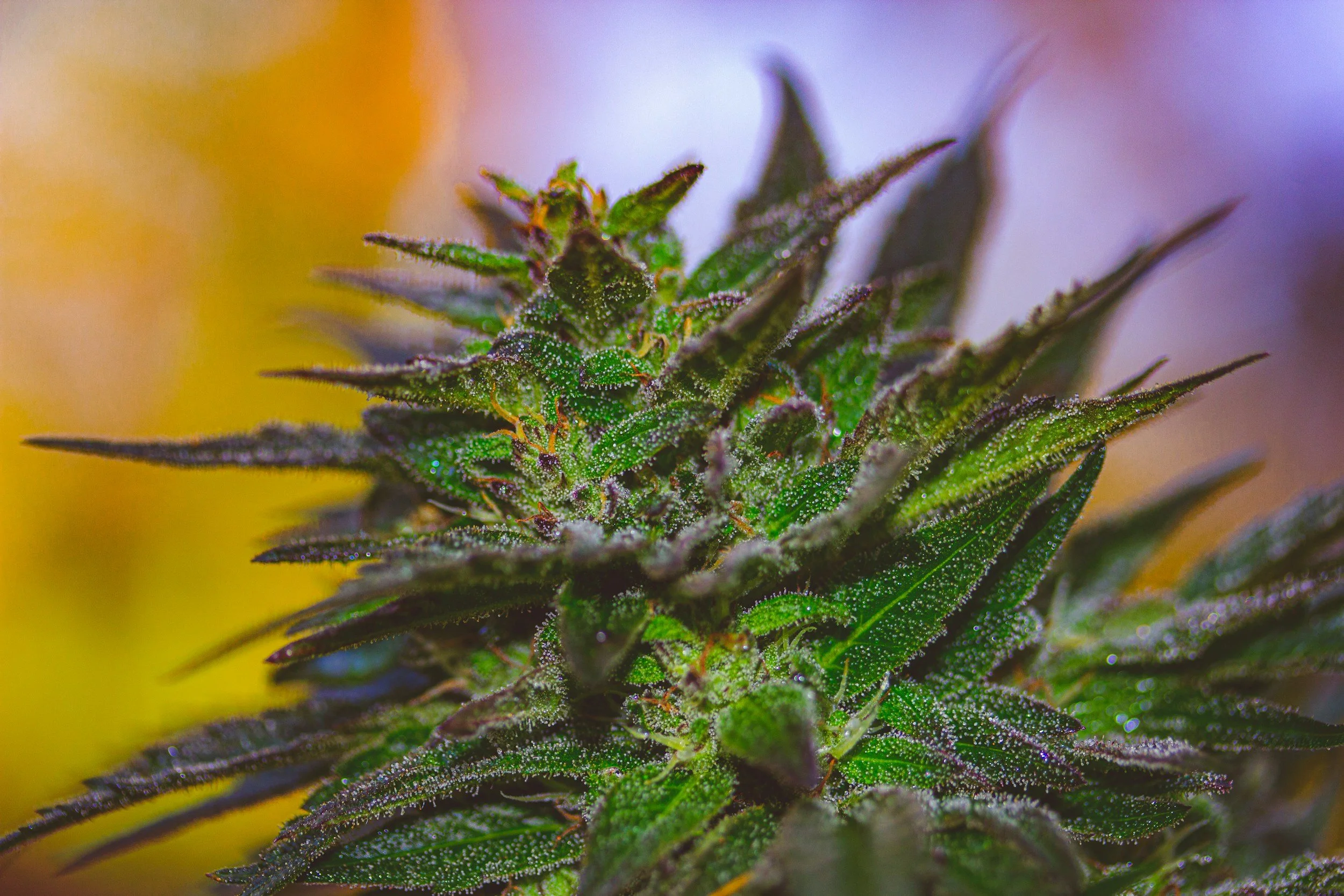
Image credit: Chris Lillie
Quick Answer: A higher THC percentage on the label doesn't automatically mean a stronger or better high. Lab testing variability, terpene content, and how a strain's full compound profile works together all shape the actual experience, so chasing the highest number isn't the same as chasing the best one.
Have you ever stood at the counter comparing two jars, one at 22% THC and one at 31%, and just assumed the higher number was the better buy?
It's a completely understandable instinct. More THC sounds like more bang for your buck.
But that number is a lot less straightforward than it looks.
What Does the THC Percentage Actually Measure?
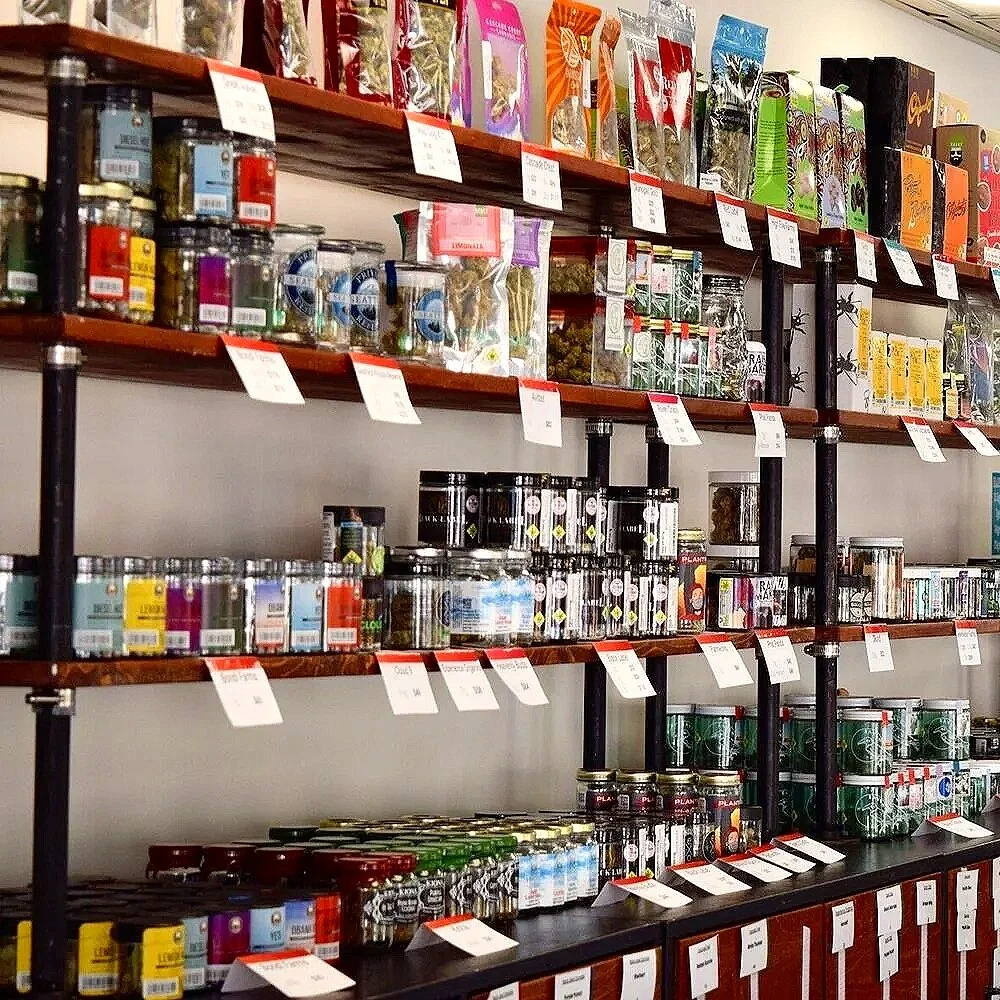
The percentage printed on a cannabis label reflects the total THC content by weight, measured through lab testing before the product reaches a dispensary shelf.
In Washington, every batch of flower has to pass through an independent, state-certified lab that tests a sample and reports back cannabinoid content.
That much is straightforward and genuinely useful information.
Where it gets more complicated is in how that number gets used, and misused, by consumers trying to shop by percentage alone.
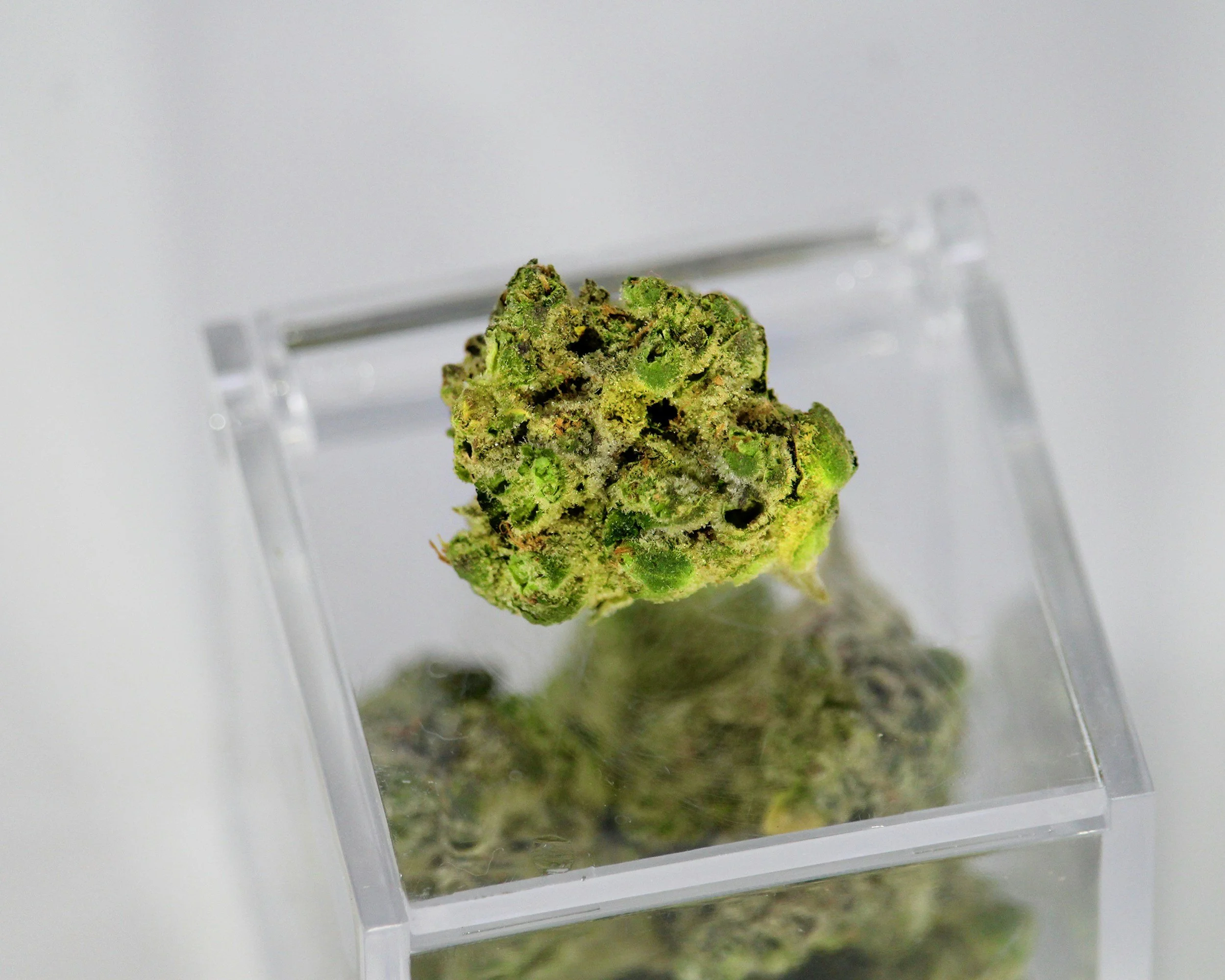
Image credit: Christina Winter
Why Doesn't a Higher Number Always Mean a Stronger High?
A few things are worth understanding here. First, THC percentage measures total cannabinoid content, not the full experience of consuming the product.
Research increasingly suggests that terpenes, the aromatic compounds responsible for a strain's smell and flavor, interact with cannabinoids in ways that shape how an experience actually feels.
A comprehensive review of the science notes this interaction, often called the entourage effect, remains unproven despite promising early findings, so it's worth treating as a plausible factor rather than settled fact.
Two strains can test at nearly identical THC percentages and produce noticeably different effects because of how different their terpene profiles are.
Second, testing itself has some natural variability. Lab results can shift slightly based on which part of the plant was sampled, how the sample was handled, and even which lab ran the test.
So does that mean that testing is unreliable or that numbers are being faked? No, but it does mean that a one or two percentage point difference between two jars often isn't as meaningful as it looks on paper.
A side-by-side lab study comparing dispensary flower to its own labeling found that actual THC content frequently ran well below what the package claimed, underscoring just how much testing variability can shape the number you see on a jar.
Third, and maybe most importantly, tolerance plays a massive role in how any given percentage actually feels to you.
A 25% THC strain can feel overwhelming to a beginner and completely manageable to someone with years of regular use.
This lines up with controlled human research on THC tolerance, which found that repeated use measurably reduces subjective intoxication even when the dose stays the same.
The number on the jar tells you something about the product. It doesn't tell you anything about how your body is going to respond to it.
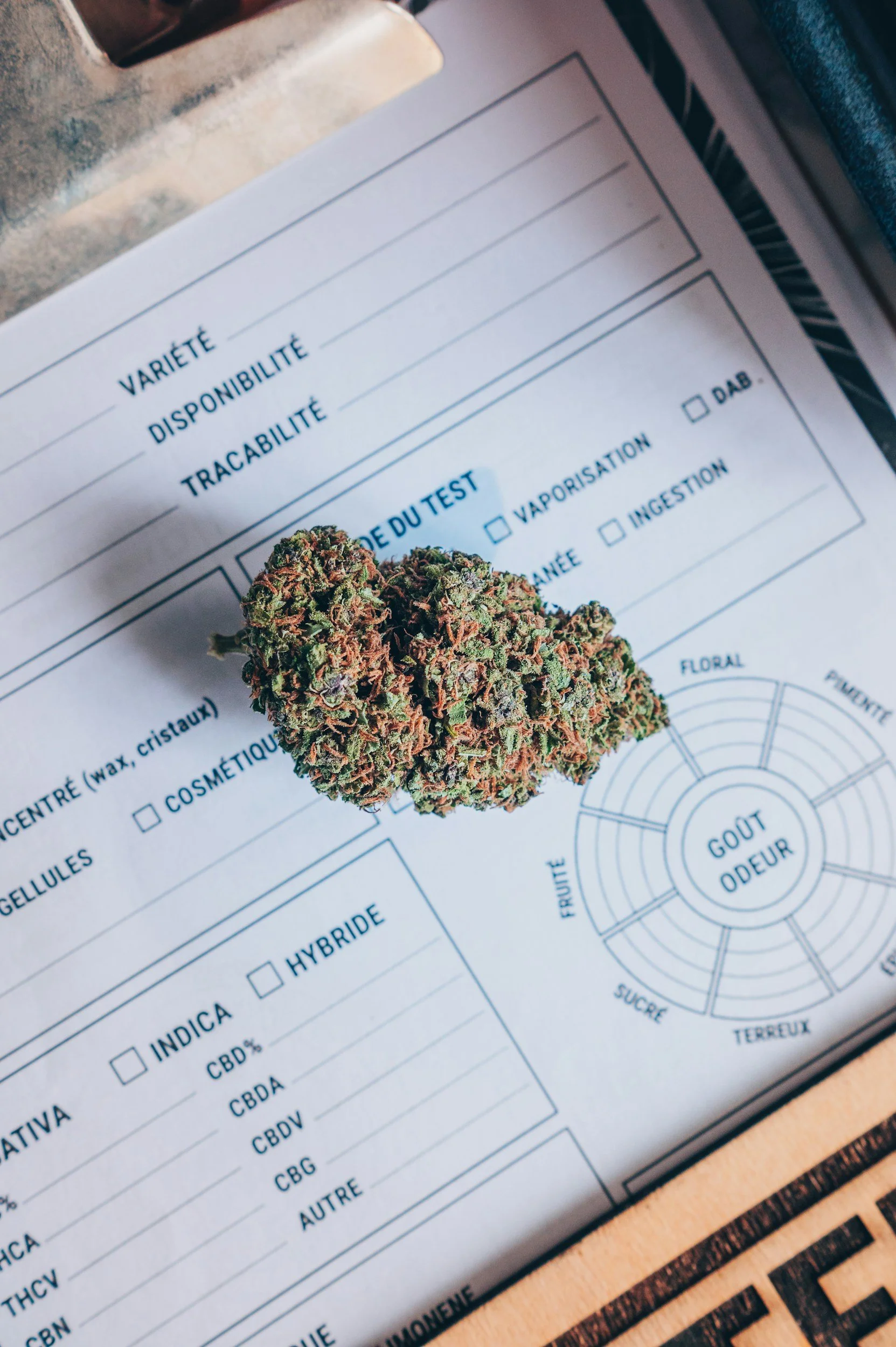
Image credit: Testeur de CBD
So What Should You Actually Look For?
If percentage alone isn't the full picture, what is?
A few markers tend to matter more than the raw number.
Trichome density and appearance are a strong visual indicator of quality, since that's where most of a plant's cannabinoids and terpenes are actually produced. Aroma matters too.
A strain with a rich, distinct smell has generally been grown and cured well, which affects the experience just as much as raw potency.
And honestly, your own past experience with a strain or a producer is one of the most reliable guides you have.
If a certain grower has consistently delivered a great experience for you before, that track record is worth more than a percentage point or two.

Where Can I Find Exceptional Cannabis in Redmond?
At Hashtag Cannabis in Redmond we are proud to carry terpene-rich, potent flower from one of Washington State’s best growers: Viking Cannabis.
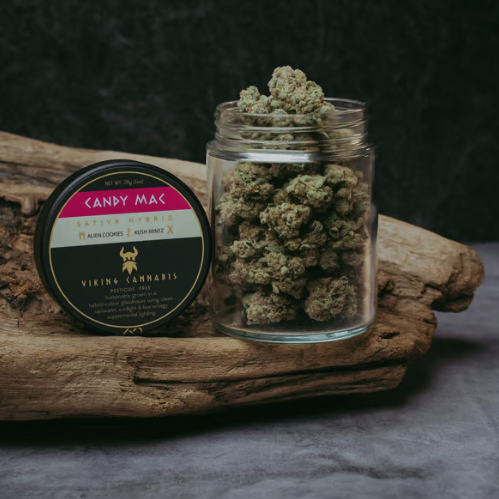
Image credit: Viking Cannabis
What Makes Viking Special?
Viking is one of the Washington producers known for higher-THC flower, and their lineup gives shoppers who are specifically looking for potent options a solid place to start.
But potency is really just one piece of what they bring to the shelf.
Their flower, concentrates, and infused pre-rolls are worth exploring for the full experience, not just the number on the label.
Want to learn more? Visit their website at: vikingcannabis.com
FAQ on Higher THC percentages and quality
Does a higher THC percentage mean a stronger high?
Not necessarily. THC percentage measures total cannabinoid content by weight, but the actual experience of a strain is also shaped by its terpene profile, how it was grown and cured, and your own individual tolerance. Two strains with similar or even identical THC percentages can produce noticeably different effects, so the number alone is an incomplete way to predict how strong or enjoyable a strain will feel.
How is THC percentage measured on a cannabis label?
THC percentage is determined through lab testing, where a sample of flower is analyzed to measure total cannabinoid content by weight. In Washington, every batch of legal cannabis is required to pass through an independent, state-certified testing lab before it can be sold at a licensed dispensary, and the resulting THC percentage is what appears on the product label.
Can THC percentage vary between labs testing the same flower?
Yes, to a degree. Lab results can shift slightly depending on which part of the plant is sampled, how the sample is prepared and handled, and which specific lab conducts the test. This natural variability doesn't mean testing is unreliable, but it does mean a difference of one or two percentage points between two products often isn't as meaningful as it might appear.
What else affects how strong a strain feels besides THC percentage?
Terpenes are a major factor, since research increasingly suggests they interact with cannabinoids to shape the overall experience beyond raw potency. How well a strain was grown and cured also matters, since it affects trichome preservation and the compounds those trichomes contain. Individual tolerance plays a significant role too. The same THC percentage can feel completely different to a beginner versus someone with years of regular cannabis experience.
Is there such a thing as "too high" a THC percentage?
For some consumers, yes. Very high THC percentages can be overwhelming for beginners or for anyone with a lower tolerance, potentially leading to an uncomfortable experience rather than a better one. Experienced consumers may seek out higher-THC products intentionally, but for most people, starting with a moderate percentage and adjusting from there is a safer and more enjoyable approach than defaulting to the highest number available.
Where can I find Viking cannabis products in Redmond?
Viking's flower, concentrates, and infused pre-rolls are available at Hashtag Cannabis in Redmond. Availability rotates with our current strain selection, so check our online menu or ask a budtender in-store to see what's currently on our shelves.
Want to learn more about THC?
Then check out our collection of related posts here!