
The Truth Behind Sour Diesel: Unraveling the Mystery of Its Genetic Lineage
By Jeff Eckenrode

Image credit: Michael Discenza
Quick Answer: Sour Diesel's exact origins are genuinely disputed. The most widely cited account credits an accidental cross of Chemdawg 91 and a hybrid called DNL, occurring on the East Coast in the early 1990s. A competing account points to Chemdawg 91 and Massachusetts Super Skunk. Both versions agree on Chemdawg 91 as the anchor parent — everything else remains contested cannabis folklore.
Some cannabis strains come with a clean origin story. Sour Diesel is not one of them.
Ask ten knowledgeable people where Sour Diesel came from and you'll get variations on three or four different answers — none of which can be fully verified, and all of which have credible people vouching for them. That's not a flaw in the story. It's the story.
Sour Diesel emerged from the underground cannabis scene of the early 1990s, passed hand to hand in a world where documentation wasn't exactly a priority, and the mythology that grew up around it is inseparable from what the strain became.
Here's what we can piece together about where one of the most iconic sativa-dominant strains of all time actually came from — and why the mystery matters.
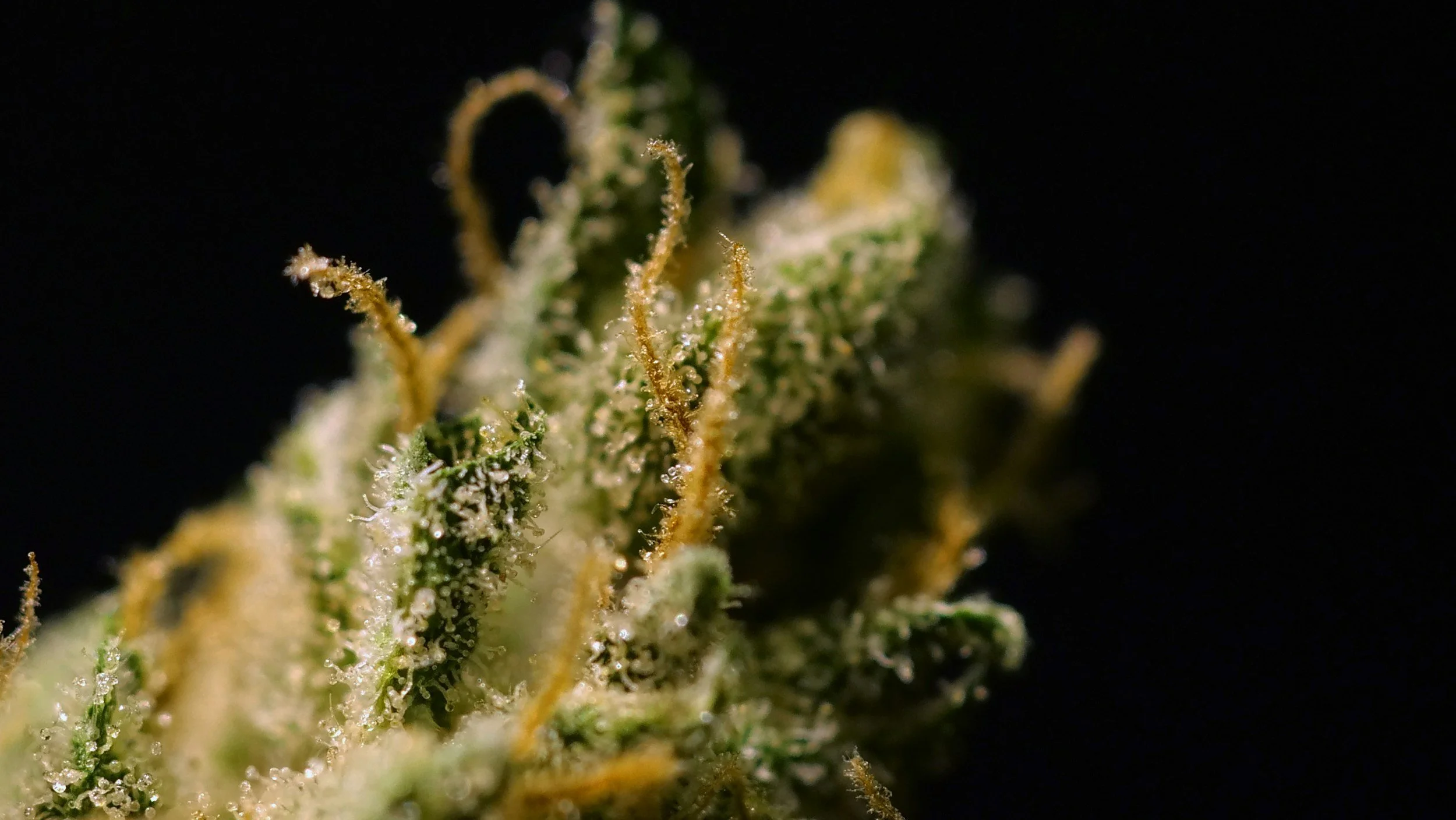
Image credit: Jack H
It Starts with Chemdawg 91
Whatever else is true about Sour Diesel, virtually every account of its origin begins with Chemdawg 91. This particular phenotype of the legendary Chemdawg line came from a bag of seeds traded at a Grateful Dead concert at Deer Creek, Indiana, in 1991 — purchased by a grower known as Chemdog from two fellow concertgoers named P-Bud and Joe Brand.
Of the seeds Chemdog germinated from that bag, Chemdawg 91 became the standout: dense, pungent, chemically aromatic, and unlike most of what was circulating at the time. It became one of the most influential genetics in modern cannabis history, eventually producing not just Sour Diesel but also OG Kush and a family of Chem crosses that continue to dominate the market today.
What made it onto the East Coast is where accounts start to diverge.
Image credit: Braňo
The Two Most Credible Origin Stories
Version 1: The Accidental DNL Cross
The most detailed account comes from a cultivator known as AJ — often credited as one of the primary keepers of Sour Diesel genetics. According to AJ, Sour Diesel originated when a plant known as DNL (itself a hybrid of Northern Lights/Shiva and Hawaiian genetics, sometimes also described as Hawaiian/RFK Skunk x Northern Lights) hermaphrodited in a grow room containing Chemdawg 91, inadvertently pollinating the entire crop.
The result of that accidental cross was eventually identified, selected, and stabilized on the East Coast — primarily in Long Island and Staten Island circles — and became what we now call East Coast Sour Diesel, or ECSD.
The hermaphrodite-induced accident element is significant: it means Sour Diesel wasn't designed, it was discovered. No one sat down and planned this cross. It happened because a plant did something unplanned, someone recognized the result was special, and they kept it.
Version 2: The Massachusetts Super Skunk Cross
A competing account, also connected to the Chemdawg lineage, suggests Sour Diesel resulted from a cross of Chemdawg 91 and Massachusetts Super Skunk — sometimes also described as Original Diesel x DNL, depending on how you reconstruct the lineage tree. This version has been referenced by figures close to the strain's development including JJ-NYC of Top Dawg Seeds, who has given detailed accounts of the Diesel family tree.
In this version, the strain sometimes called Original Diesel or Headband was an intermediate step — a Chemdawg x Massachusetts Super Skunk cross — and Sour Diesel came from a subsequent cross of that with DNL. This makes Sour Diesel slightly further removed from Chemdawg 91 than Version 1 suggests, and explains why some experienced consumers describe ECSD and "original" Sour Diesel as subtly different expressions.
Both versions agree on the early 1990s East Coast timeline, on Chemdawg 91 as the foundational genetics, and on the accidental nature of the cross. The disagreement is about exactly which pollen met which flower, and in what sequence.
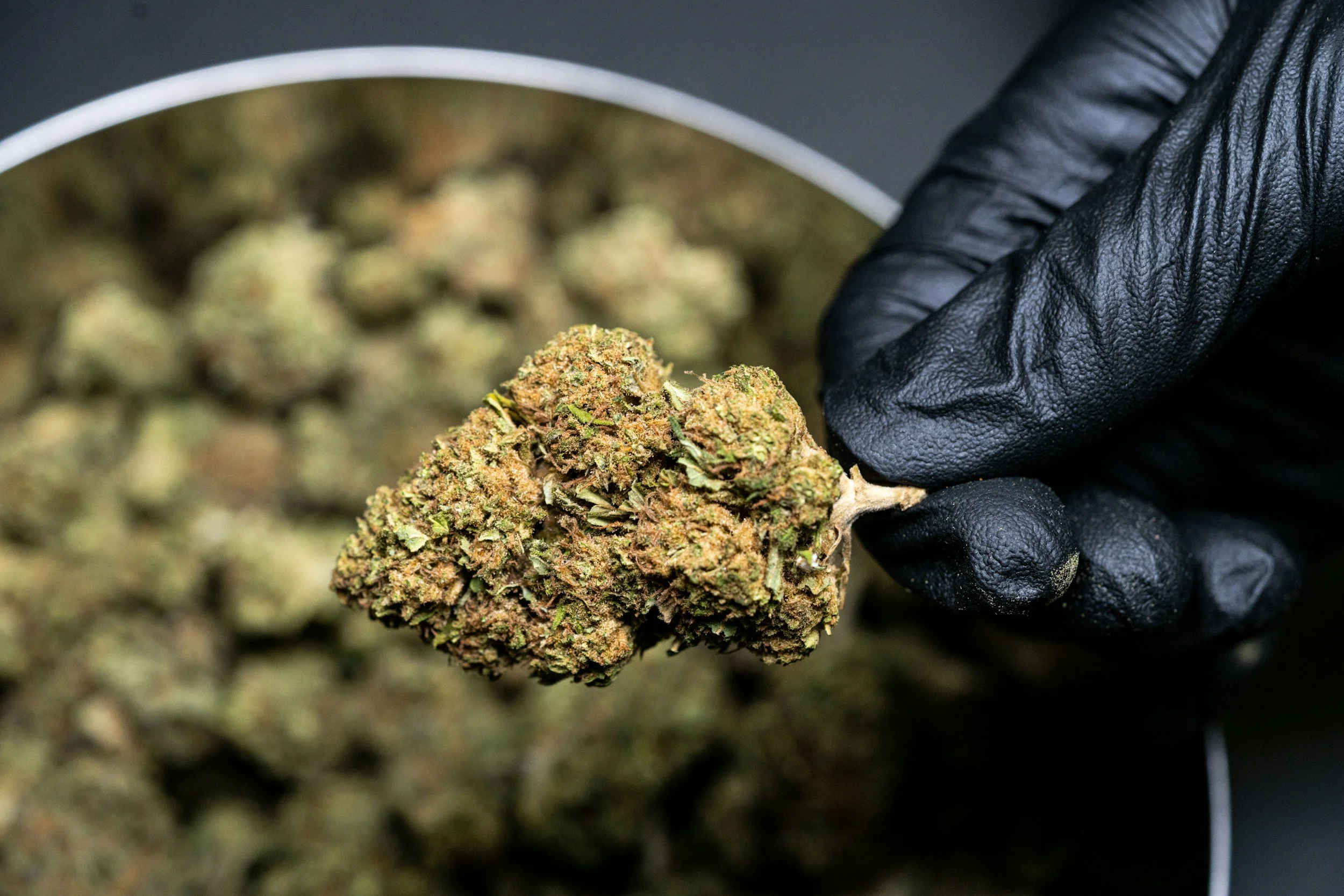
Image credit: CRYSTALWEED cannabis
Why the Genetics Matter
The contested lineage isn't just historical trivia — it helps explain why Sour Diesel is such a distinctive smoke.
If the DNL cross version is accurate, the Hawaiian and Northern Lights genetics in DNL would have contributed a sativa-leaning, psychoactive brightness alongside the chemical potency of Chemdawg 91. If the Massachusetts Super Skunk lineage is more accurate, the skunk genetics would have contributed a similar aromatic intensity with a slightly different physical character.
What isn't contested is the result: a fast-acting, cerebral, energizing experience with one of the most recognizable terpene profiles in the cannabis world. Sour Diesel is typically high in limonene, caryophyllene, and myrcene — a combination that research associates with mood elevation, alertness, and stress relief rather than sedation. The strain's sub-0.5 percent myrcene profile in many phenotypes is part of why it produces an energizing rather than sedating effect, and why it became a go-to daytime strain for creative and social use.
That chemical identity — sharp diesel and fuel aromas with a sour citrus edge — is ultimately what made the name. Not the color, not the yield, not the THC number. The smell and the experience.

Image credit: Adlan
The Rivalry: East Coast vs. West Coast
Part of what makes the Sour Diesel story so rich is that it became famous on the East Coast at a time when West Coast genetics dominated the conversation. This was the era when Northern California's cannabis culture was setting the standard — and Sour Diesel, emerging from New York's underground, became the strain that put the East Coast on the map.
By the mid to late 1990s, Sour Diesel had acquired a reputation that rivaled anything coming out of California. The hip-hop scene in New York helped amplify it — references to Sour D appeared in songs, in albums, in interview culture. It moved from insider cannabis circles into broader cultural visibility at a speed that very few strains have matched before or since.
That cultural momentum is part of what makes the genetic mystery so enduring. Sour Diesel became famous faster than anyone could properly document it. By the time people were asking careful questions about where it came from, the hands that created it had moved on, the seeds had scattered, and the accounts had already begun to diverge.
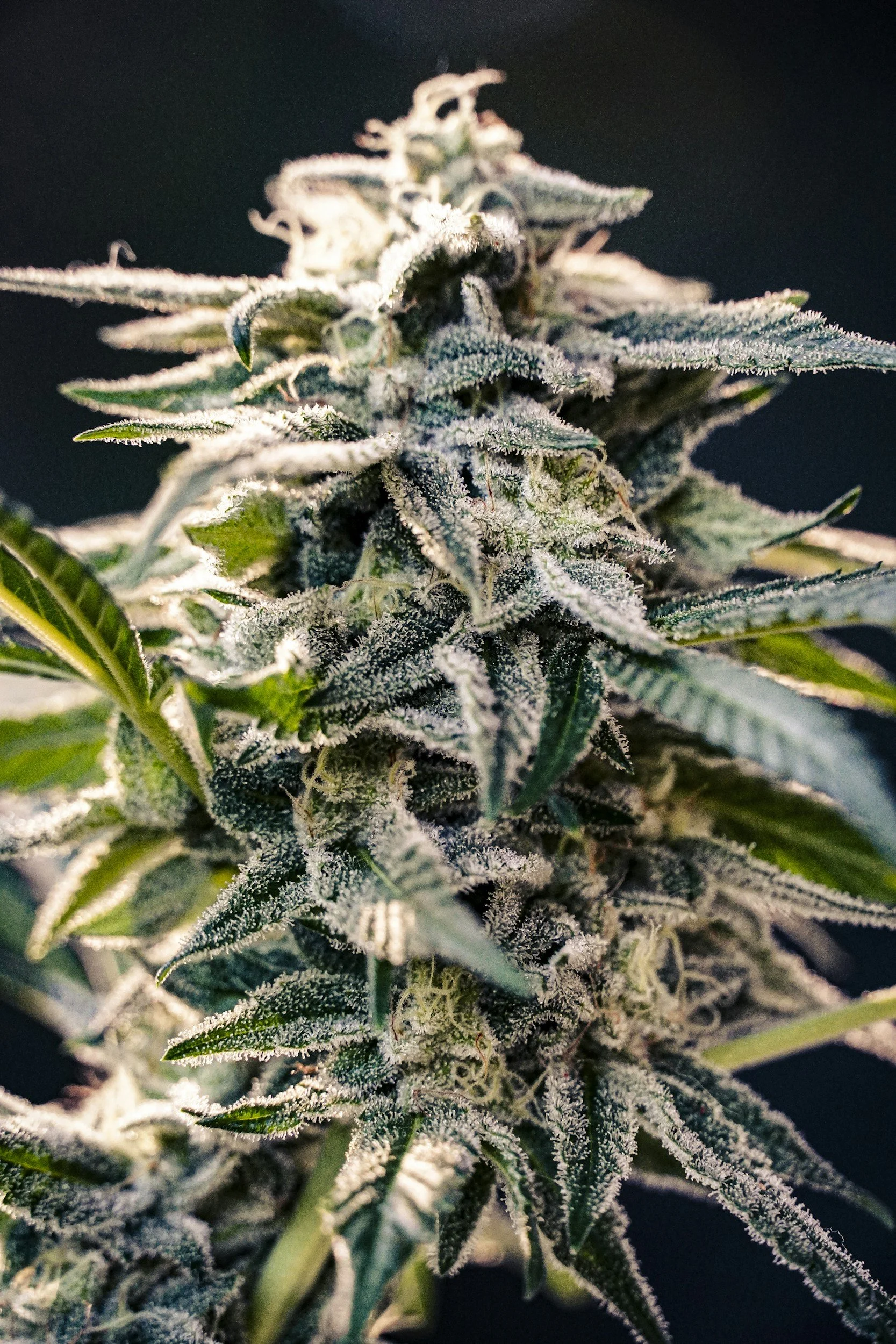
Image credit: Colin redwood
The Legacy: What Sour Diesel Built
Whatever its exact origin, Sour Diesel's genetic legacy is substantial. It has been used as a parent in dozens of influential crosses, including:
Sour OG (Sour Diesel x OG Kush) — a hybridization that brought together two of the most influential East and West Coast genetics of the era.
Sour Tangie (Sour Diesel x Tangie) — a citrus-forward descendant that amplifies the limonene-dominant terpene profile of the original.
Headband (OG Kush x Sour Diesel) — named for the pressure-behind-the-eyes sensation it produces, another landmark strain in the Diesel family tree.
NYC Diesel — though technically unrelated to ECSD genetics (breeder Soma's NYC Diesel is a Mexican Sativa x Afghani cross), the name became commercially successful on the strength of Sour Diesel's reputation, illustrating just how culturally powerful the Diesel name had become.
The strain's influence on modern cannabis is impossible to overstate. Walk into almost any contemporary dispensary and you'll find strains that trace some part of their lineage — directly or indirectly — back to the Chemdawg 91 genetics that anchored Sour Diesel's creation.

Where Can I Find Sour Diesel in Redmond?
At Hashtag Cannabis in Redmond, Buddies brings premium Sour Diesel center stage in a convenient, all-in-one vape built on a simple promise: what's in the package is exactly what it says, nothing more.
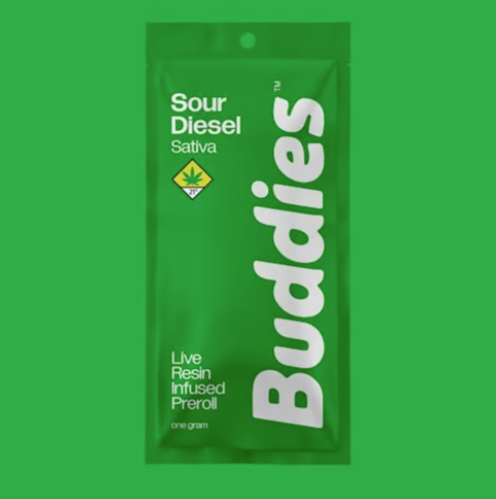
What Makes Buddies Special?
Buddies is passionate about creating cannabis products that are as genuine as they are consistent. That means no shortcuts in how they grow, and no additives in how they extract.
Their Legacy Live Resin line uses in-house genetic profiles with High Terpene Extract and cannabis-derived terpenes for a potent, flavor-forward experience that's built on the classic genetics Buddies has spent years developing.
For a strain like Sour Diesel — where the terpene identity is the whole point — that commitment to full-spectrum extraction and authentic flavor is exactly what you want behind the product.
Hardware matters too: Formatrix ceramic heating technology delivers consistent, even heat so the terpene profile actually comes through on every pull.
Want to learn more? Visit their website at: https://buddiesbrand.com
Want to see what's currently in stock? Shop Buddies products by clicking our online menu below.
Frequently Asked Questions About Sour Diesel
Where did Sour Diesel come from?
Sour Diesel emerged from the underground cannabis scene of New York City in the early 1990s. The most widely cited origin story credits an accidental cross of Chemdawg 91 and a hybrid called DNL (a cross of Northern Lights, Shiva, and Hawaiian genetics) after the DNL plant hermaphrodited in a grow room and accidentally pollinated the entire crop. A second account points to Chemdawg 91 and Massachusetts Super Skunk as the parent genetics. Both versions agree on Chemdawg 91 as the foundational parent and on the East Coast timeline — the specific cross remains genuinely disputed.
Who created Sour Diesel?
There is no single credited creator, and the origin was accidental rather than planned. A cultivator known as AJ — often called Asshole Joe or AJ Sour Diesel — is widely credited with identifying, preserving, and distributing the genetics that became East Coast Sour Diesel. He is considered one of the primary keepers of the original cut. The Chemdawg 91 genetics that anchored the strain came from a grower known as Chemdog, who obtained the original seeds at a Grateful Dead concert in Indiana in 1991.
What makes Sour Diesel's terpene profile distinctive?
Sour Diesel is typically dominant in limonene, caryophyllene, and myrcene — a combination that produces its signature fuel, diesel, and sour citrus aroma. Low myrcene content in many phenotypes, generally under 0.5 percent of total terpenes, is associated with the strain's energizing rather than sedating effects. Limonene contributes the citrus brightness and mood elevation, while caryophyllene adds the spicy, chemical depth that anchors the diesel character. It is one of the most recognizable terpene profiles in cannabis.
Is Sour Diesel a sativa, indica, or hybrid?
Sour Diesel is typically classified as a sativa-dominant strain, reflecting its Chemdawg 91 and DNL lineage. Its effects are characteristically cerebral, energizing, and fast-acting, with a uplifting quality suited to daytime and creative use. Most phenotypes deliver a clear-headed, socially activating experience rather than the body heaviness associated with indica-dominant strains. The indica percentage in its genetics is present — likely from the Northern Lights and Afghani influences upstream — but the sativa character dominates in the typical expression.
What is East Coast Sour Diesel (ECSD)?
East Coast Sour Diesel, or ECSD, refers specifically to the phenotype of Sour Diesel that was developed and stabilized in the New York area in the early 1990s. It is the strain most closely associated with AJ's original cut and is considered by many to be the definitive expression of the genetics. Some experienced consumers and breeders draw a distinction between ECSD and other Sour Diesel phenotypes, noting that ECSD has a more pronounced fuel and sour character, a faster onset, and a distinctively cerebral effect profile.
What strains descended from Sour Diesel?
Sour Diesel has been used as a parent in numerous influential crosses. Notable descendants include Sour OG (Sour Diesel x OG Kush), Sour Tangie (Sour Diesel x Tangie), and Headband (OG Kush x Sour Diesel). The broader Diesel family tree — including Original Diesel and various regional phenotypes — has contributed genetics to dozens of strains in the modern market. The Chemdawg 91 genetics that anchor Sour Diesel are among the most influential in contemporary cannabis breeding, with descendants appearing in strain libraries across the country.
Want to learn more about Cannabis History & Culture?
Then check out our collection of related posts here!
For more posts on Cannabis History & Culture, visit our full resource hub here: Cannabis History & Culture