
Microdosing THC: A Balanced Approach to Cannabis Use
By Jeff Eckenrode

Image credit : Elsa Olofsson
Quick Answer: Microdosing THC means taking very small doses—usually 1–5 mg—to gain benefits like reduced stress, pain relief, better focus, or improved sleep without feeling “high.” Popular methods include low-dose edibles, tinctures, or measured vape puffs. This balanced approach lets users enjoy cannabis’s therapeutic effects while staying clear-headed and functional.
Not every cannabis experience has to be about getting “high.”
For many people, less is more—and that’s where microdosing THC comes in.
By taking very small amounts of THC, users aim to capture the plant’s therapeutic benefits without the overwhelming psychoactive effects.
But how does it work, and why are more people turning to this balanced approach?
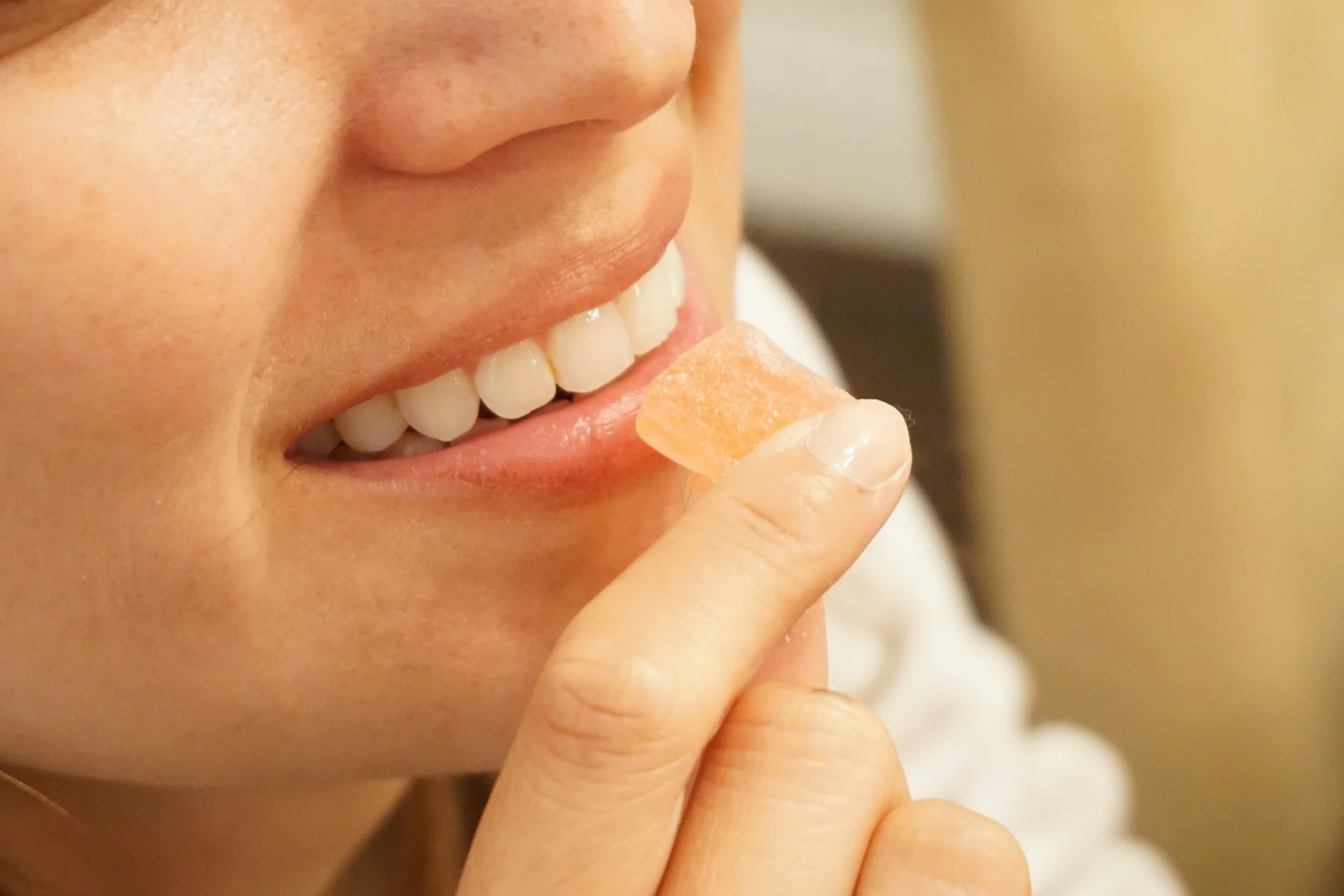
Image credit: Elsa Olofsson
What Is Microdosing THC?
Microdosing means consuming sub-perceptual doses of THC—typically between 1–5 milligrams—so low that you don’t feel “stoned” in the traditional sense.
The goal isn’t intoxication but rather subtle support for mood, focus, or physical comfort.
This method has grown popular among professionals, wellness seekers, and medical patients who want the benefits of cannabis while staying sharp and functional.

Image credit: Tetiana Bykovets
Why People Microdose
The appeal of microdosing THC is in its gentle, balanced effects. Reported benefits include:
Reduced anxiety or stress without feeling impaired
Improved focus and creativity for daily tasks
Pain and inflammation relief at manageable levels
Support for sleep when paired with calming evening routines
For many, microdosing helps weave cannabis into daily life without disruption.

Image credit: Clear Cannabis
Methods for Microdosing
There’s no one-size-fits-all, but common methods include:
Edibles: Gummies or mints with precise low doses (often 2.5 mg or less).
Tinctures: Droppers allow easy control of micro amounts.
Vaping: Short, measured puffs can deliver small doses quickly.
The key is to start low and go slow, gradually adjusting to find your ideal dose.
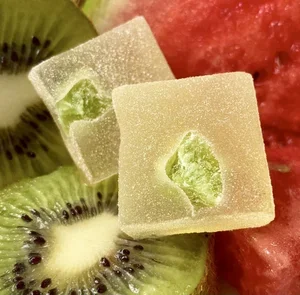
Image credit: Craft Elixirs
The Science Behind It
Early research shows that low-dose THC may activate the endocannabinoid system in a way that supports balance without overstimulation.
Some studies suggest that microdosing can reduce stress responses, ease chronic pain, and even improve cognition at levels lower than traditional recreational doses.

Image credit: Elsa Olofsson
How should I microdose THC?
Microdosing THC offers a mindful way to enjoy cannabis: less intensity, more balance.
By taking just enough to support wellness without intoxication, users can benefit from cannabis in their daily lives with clarity and control.
It’s a growing trend that proves sometimes, the smallest doses deliver the biggest impact.

Where can I find Cannabis products for microdosing?
Whether you’re shopping online or in Redmond, we’re here to help you find what you need, when you need it. That includes low-dose cannabis products!
Click on our online menu link below to see our current availability.
FAQ Microdosing THC
What does microdosing THC actually mean?
Microdosing THC means consuming sub-perceptual doses — typically between 1 and 5 milligrams — so low that you don't feel "stoned" in the traditional sense. The goal is subtle support for mood, focus, pain, or sleep while staying sharp and functional. It's grown popular among professionals, wellness seekers, and medical patients who want cannabis's therapeutic benefits without psychoactive impairment.
What benefits do people report from microdosing THC?
Common reported benefits include reduced anxiety and stress without feeling impaired, improved focus and creativity during daily tasks, mild relief from pain and inflammation at manageable levels, and improved sleep quality when used as part of an evening routine. Because the dose is so low, most people can microdose and continue with their day normally — which is exactly the appeal.
What are the best methods for microdosing THC?
The three most practical formats are edibles (gummies or mints with precise low doses, often 2.5mg or less), tinctures (droppers allow granular control over micro amounts and can be titrated drop by drop), and vaping (short, measured single puffs deliver fast but smaller doses). Each method suits different lifestyles — edibles for all-day consistency, tinctures for on-demand precision, vaping for rapid adjustment.
How does microdosing THC interact with the Endocannabinoid System?
Early research suggests that low-dose THC activates the Endocannabinoid System (ECS) in a supportive, balancing way — without the overstimulation that higher doses can cause. Some studies indicate that microdosing can reduce stress responses, ease chronic pain, and improve cognition at doses well below those used for recreational intoxication. The ECS appears to respond favorably to gentle, consistent low-level stimulation.
How do I find my ideal microdose?
Start at 1mg if you're very THC-sensitive, or 2.5mg if you have some prior cannabis experience. Wait 45–90 minutes for edibles or 10–15 minutes for vaping before assessing how you feel. Increase by 1mg increments across sessions only — never within the same session. Keep brief notes on dose, timing, and effect. Most people find their ideal microdose within the 1–5mg range, though individual responses vary.
Is microdosing THC suitable for beginners or only experienced users?
Microdosing is actually one of the best approaches for beginners precisely because the doses are so small. Starting at 1–2.5mg gives new users a controlled, low-risk introduction to THC's effects without the overwhelming experiences that higher doses can cause. It also makes tolerance building slower and more deliberate. Experienced users who have found higher doses too intense often turn to microdosing as a way to reset and find a more comfortable relationship with cannabis.
Want to learn more about microdosing and responsible cannabis use?
Then check out our collection of related posts here!